Acupuncture for Pain & Recovery Gold Coast
Acupuncture is one of the most well-researched complementary therapies for pain management, musculoskeletal recovery, and nervous system regulation, and its mechanisms are increasingly understood through modern neuroscience.
Whether you are seeking acupuncture for pain relief, muscle recovery, headaches, stress regulation, hormonal support, or as a complement to your existing physiotherapy or chiropractic care, The Good Joint offers evidence-informed acupuncture treatment delivered by qualified practitioners within a broader integrative health framework.
Book Now
How Acupuncture Supports Pain & Recovery
Neurological Pain Modulation
Modern research has identified several mechanisms through which acupuncture reduces pain. Needle insertion activates peripheral sensory nerve fibres that trigger the release of endogenous opioids including endorphins and enkephalins in the brain and spinal cord. It also activates descending pain inhibitory pathways and modulates activity in brain regions involved in pain processing, including the anterior cingulate cortex and insula.
Muscle Recovery & Soft Tissue
Acupuncture applied directly to trigger points and tight muscle bands reduces localised muscle tension, improves circulation to the treated tissue, and accelerates recovery from soft tissue injury and overuse. Dry needling, a specific acupuncture technique targeting myofascial trigger points, is particularly effective for musculoskeletal pain and is commonly used alongside physiotherapy and remedial massage for complex pain presentations.
Nervous System Regulation
Acupuncture has measurable effects on the autonomic nervous system, shifting the balance toward parasympathetic activity and reducing the physiological effects of chronic stress. This makes it valuable not just for pain management but for supporting stress resilience, sleep quality, and the neuroendocrine regulation that underlies hormonal balance and recovery from fatigue and burnout.
At The Good Joint, acupuncture is delivered as part of an integrated treatment approach, working alongside physiotherapy, chiropractic, osteopathy, and functional medicine to support comprehensive recovery and wellbeing.
Book Visit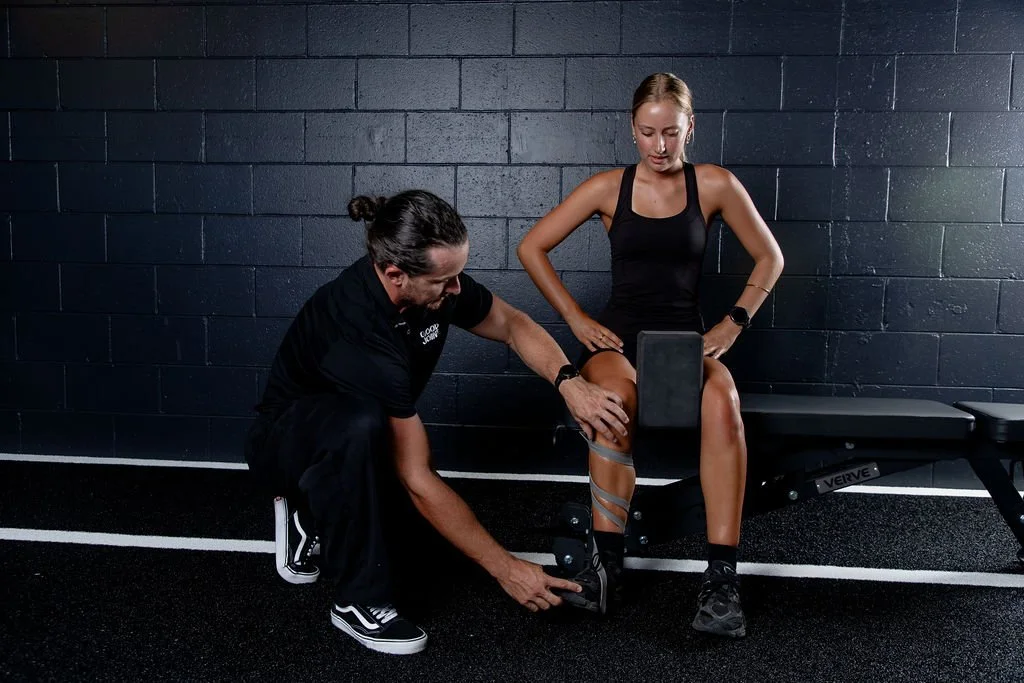
WHAT TO EXPECT DURING YOUR FIRST VISIT
Discussion:
A brief chat about what's brought you in and how it has been impacting your lifestyle.
Physical Assessment:
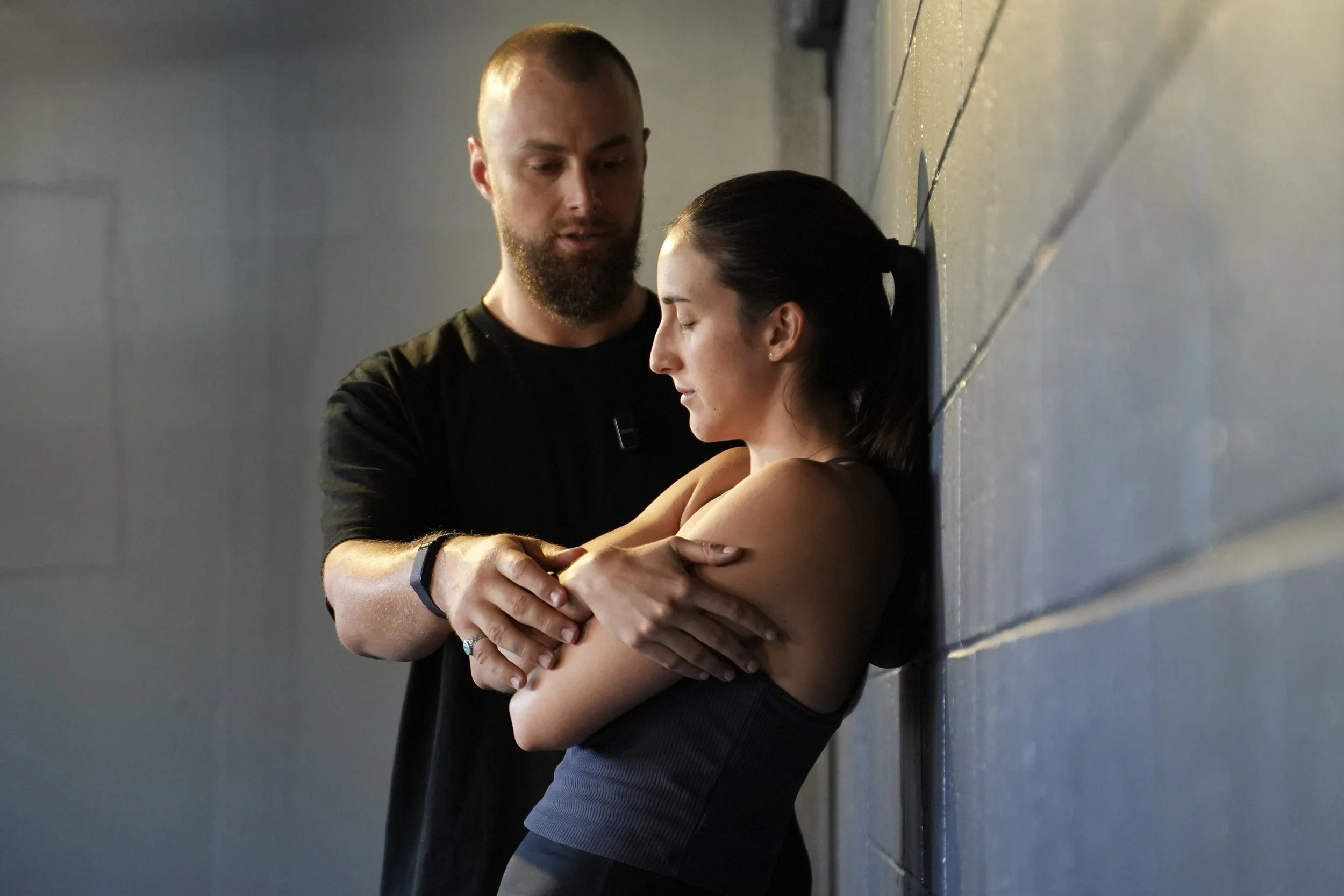
Functional testing to assess and identify underlying factors contributing to your symptoms.
Recovery Plan:
A tailored approach for working on your specific needs, including personalised exercise prescription.
Treatment:
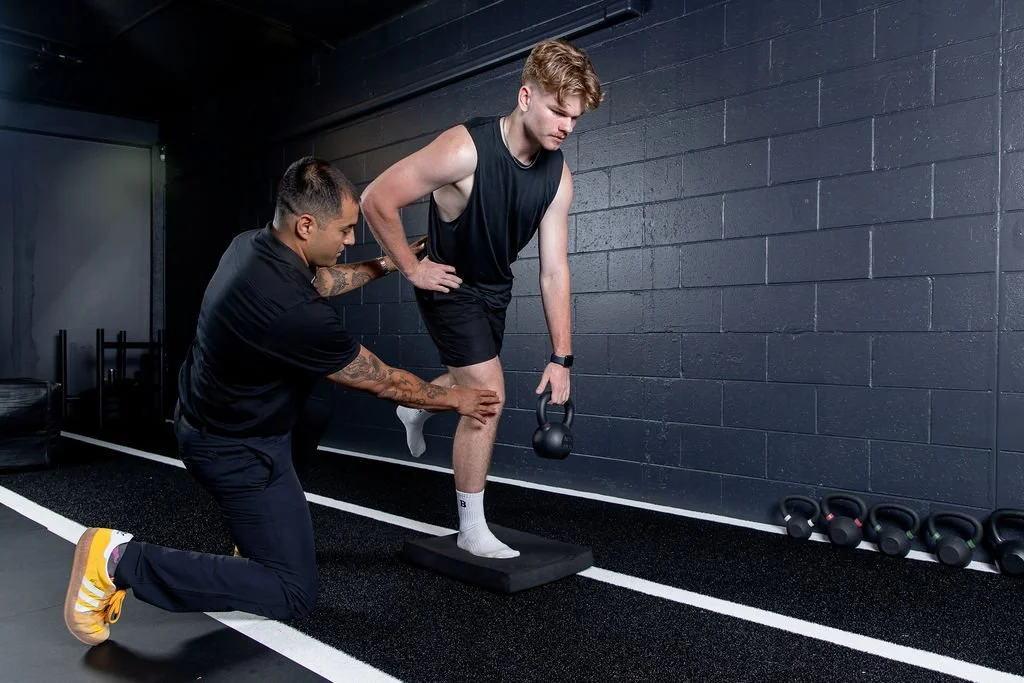
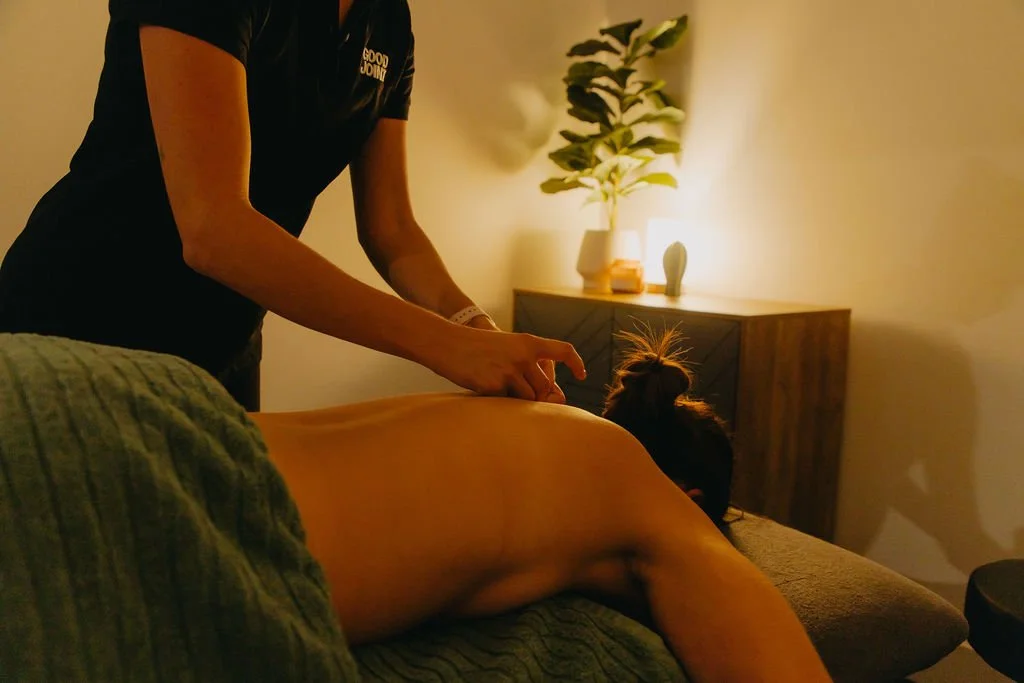
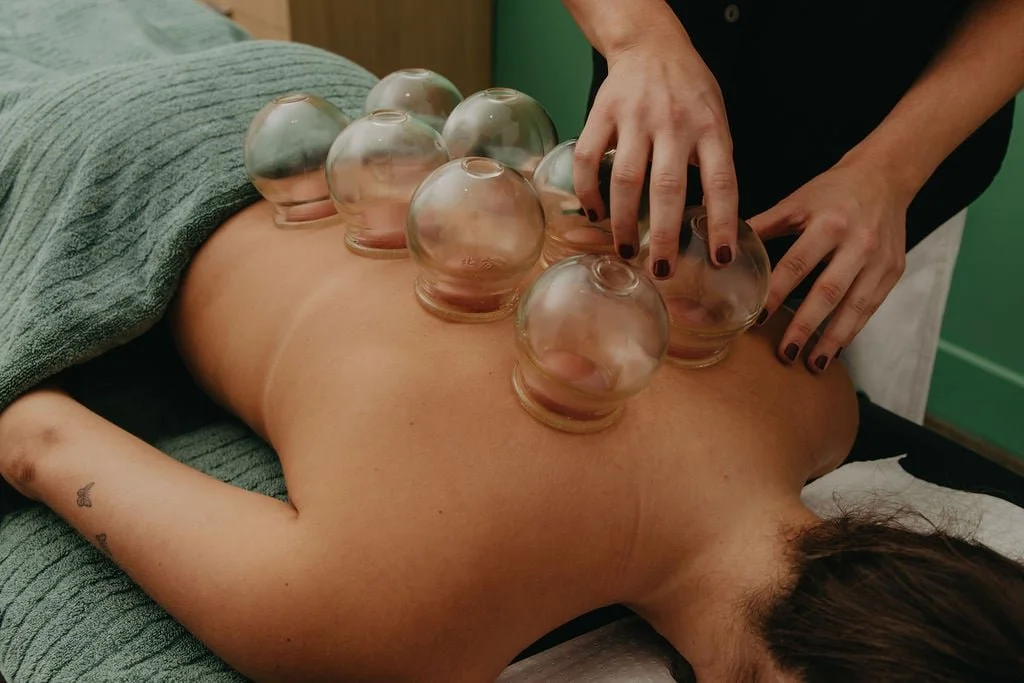
Hands-on treatment including active release, soft tissue work, and dry needling for fast relief.
Conditions We Commonly Treat with Acupuncture
Musculoskeletal Pain
Acupuncture has strong evidence for a range of musculoskeletal conditions including chronic low back pain, neck pain, shoulder pain, osteoarthritis of the knee and hip, and headache. Multiple high-quality systematic reviews and meta-analyses support its effectiveness for these conditions, particularly when delivered as part of a multimodal treatment approach alongside manual therapy and exercise.
Headaches & Migraines
Acupuncture is recognised by the World Health Organization and multiple systematic reviews as an effective treatment for tension-type headaches and migraines. It reduces both headache frequency and severity, and its effects in some studies are comparable to prophylactic medication. It is a particularly valuable option for people who prefer to avoid long-term medication use or who have not responded adequately to preventive drug therapy.
Sports Injury Recovery
Acupuncture accelerates recovery from sports injuries by reducing localised inflammation, improving circulation to injured tissue, releasing muscle tightness that impairs movement, and modulating the pain response during rehabilitation. It is commonly used alongside physiotherapy for soft tissue injuries, tendinopathies, and muscle strains, and is a well-established component of elite sports medicine programs.
Stress, Anxiety & Sleep
Acupuncture's effects on the autonomic nervous system make it a valuable tool for managing chronic stress, anxiety, and sleep disruption. Research supports its effectiveness for reducing cortisol levels, improving sleep quality, and reducing the physiological markers of chronic stress. It works particularly well as a complement to functional medicine approaches addressing the nutritional and hormonal drivers of these conditions.
Women's Health & Hormonal Support
Acupuncture has well-documented applications in women's health including dysmenorrhoea, irregular cycles, PCOS management, fertility support, and perimenopausal symptom management. It influences the HPA-HPO axis, modulates prostaglandin activity, and supports circulation to the pelvic region. As part of a comprehensive functional medicine approach to hormonal health, acupuncture provides meaningful additional benefit.
Acupuncture is one of the most thoroughly researched complementary therapies available and has a meaningful evidence base for pain relief, recovery, and nervous system regulation. Whether you are seeking acupuncture for a specific condition or as part of a broader treatment plan, an initial assessment provides the information needed to determine how it can best support your recovery and wellbeing.
Book Visit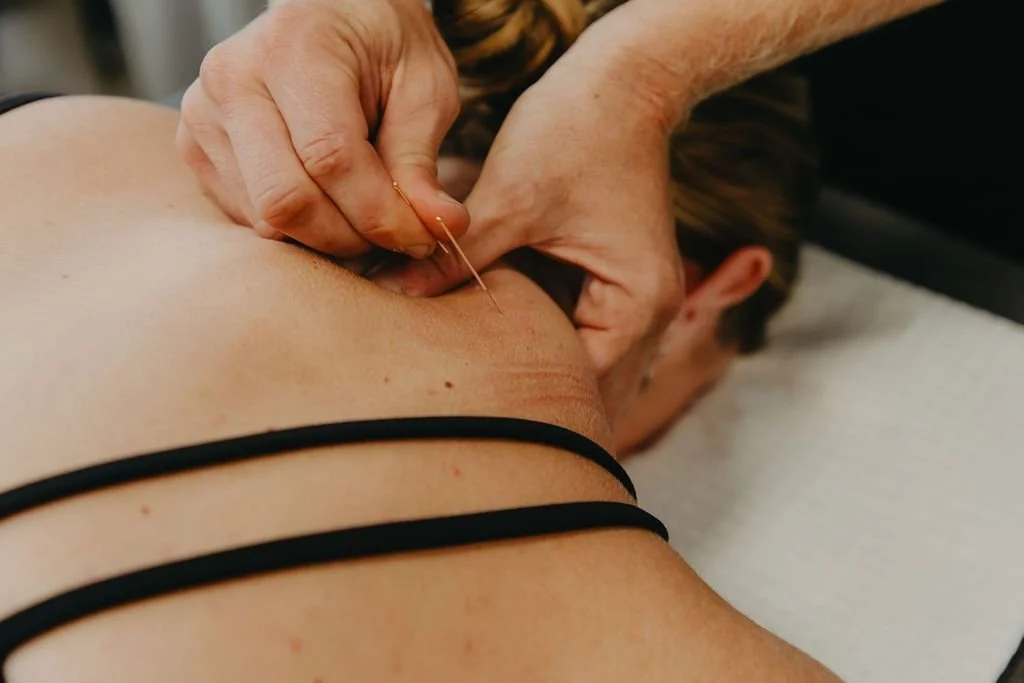
What to Expect From Acupuncture at The Good Joint
Acupuncture at The Good Joint is delivered by qualified practitioners within an evidence-informed framework. Treatment is tailored to your specific presentation and integrated with other disciplines where appropriate.
Acupuncture works best when it is part of a broader treatment plan rather than used in isolation. At The Good Joint, it is delivered within an integrated clinical framework that ensures it complements rather than duplicates other care you may be receiving.
Book NowFrequently Asked Questions About Acupuncture
Does acupuncture actually work or is it placebo?
Acupuncture has been subject to more rigorous research than most complementary therapies. Sham-controlled trials, which use superficial or off-point needling as a comparison, consistently show that acupuncture outperforms no treatment, and a body of large meta-analyses demonstrates effects beyond placebo for conditions including chronic pain, headache, and musculoskeletal conditions. The mechanisms are increasingly understood through neuroscience, including modulation of endogenous opioids, central pain pathways, and autonomic nervous system activity.
What is the difference between acupuncture and dry needling?
Acupuncture is based on traditional Chinese medicine principles and uses needles at specific acupuncture points along meridians to influence the flow of qi and the body's systemic functions. Dry needling is a technique derived from Western anatomical knowledge that targets myofascial trigger points directly in muscle tissue to release tension and reduce referred pain. Both use acupuncture needles and produce overlapping neurological effects. Practitioners at The Good Joint use both approaches and choose the most appropriate technique based on the individual presentation.
Is acupuncture safe?
Yes, when performed by a qualified practitioner using sterile, single-use needles. Adverse events from acupuncture are rare and typically minor, including local bruising, mild soreness, or light-headedness following treatment. Serious adverse events are extremely uncommon when treatment is delivered by a trained practitioner following appropriate protocols. People with bleeding disorders, on anticoagulant medication, or with pacemakers should inform their practitioner before treatment.
How many acupuncture sessions will I need?
This depends on the condition and how long it has been present. Acute presentations may respond well within two to four sessions. Chronic or complex conditions typically require a course of six to ten sessions before the full effect is apparent. Most practitioners recommend reassessing after the first four to six sessions to evaluate progress and adjust the treatment plan accordingly. The frequency and total number of sessions is discussed at the initial assessment.
Can I have acupuncture alongside my physiotherapy or chiropractic treatment?
Yes, and this combination is often more effective than either approach alone. Acupuncture reduces pain and muscle tension in ways that complement the joint-focused work of chiropractic and osteopathy, and the movement and strengthening focus of physiotherapy. At The Good Joint, we coordinate acupuncture with other disciplines so that treatment is cohesive and each session builds on the others.