Arthritis & Joint Pain Treatment Gold Coast
Arthritis is not a single condition. It encompasses over one hundred distinct joint diseases ranging from osteoarthritis driven by cartilage wear to inflammatory arthritis driven by immune dysregulation.
Whether you are managing hip or knee osteoarthritis, early inflammatory arthritis, or painful joints that have not yet received a clear diagnosis, our chiropractors, physiotherapists, and osteopaths provide evidence-based assessment and treatment that reduces pain, improves movement, and supports long-term joint health.
Book Now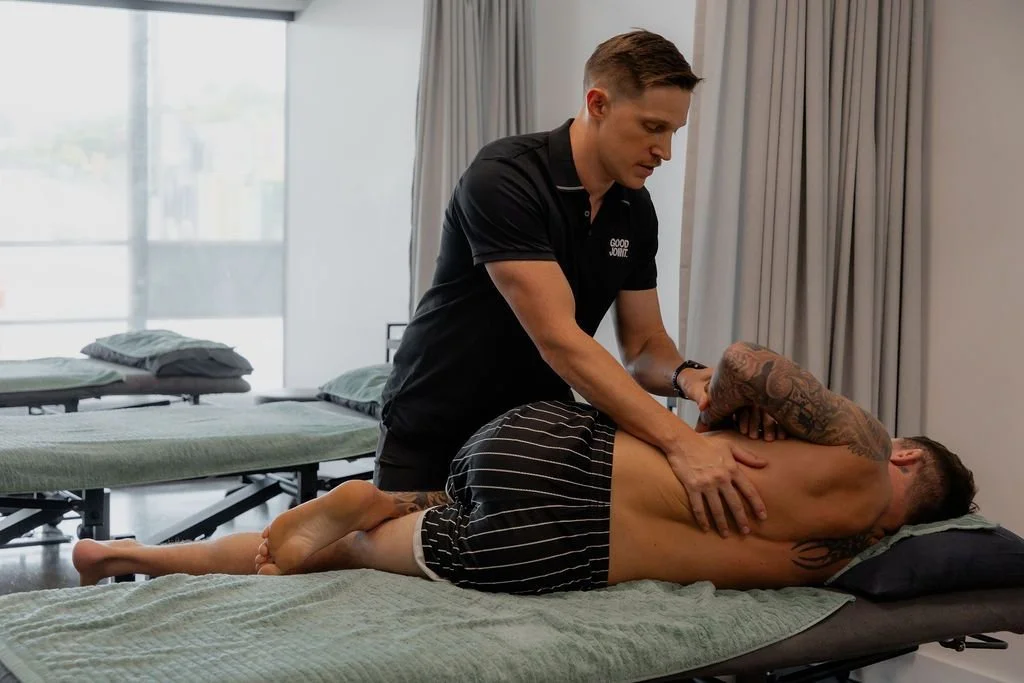
Understanding Arthritis & Joint Pain
Osteoarthritis vs Inflammatory Arthritis
Osteoarthritis involves progressive cartilage breakdown with secondary bone changes, producing joint pain that worsens with load and activity. It is driven by mechanical factors, previous injury, age, and genetics. Inflammatory arthritis including rheumatoid, psoriatic, and ankylosing spondylitis involves immune-driven joint inflammation that produces morning stiffness, swelling, and symptoms that paradoxically ease with movement. Distinguishing between the two is essential as treatment approaches differ significantly.
Exercise Is the Best Medicine for OA
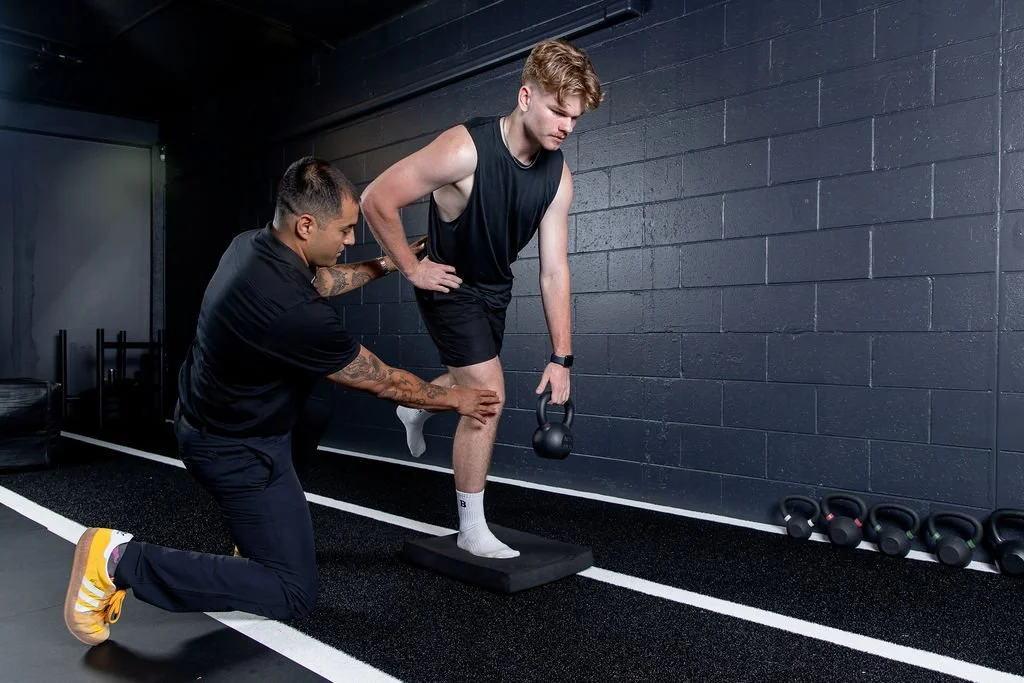
The strongest evidence in osteoarthritis management points to progressive exercise as the single most effective intervention for reducing pain and improving function. Exercise at the right dose produces changes in joint fluid, surrounding musculature, and central pain processing that medication cannot replicate. The type and dose of exercise must be calibrated to the individual's current capacity and the joint involved.
Joint Mobility & Load Management
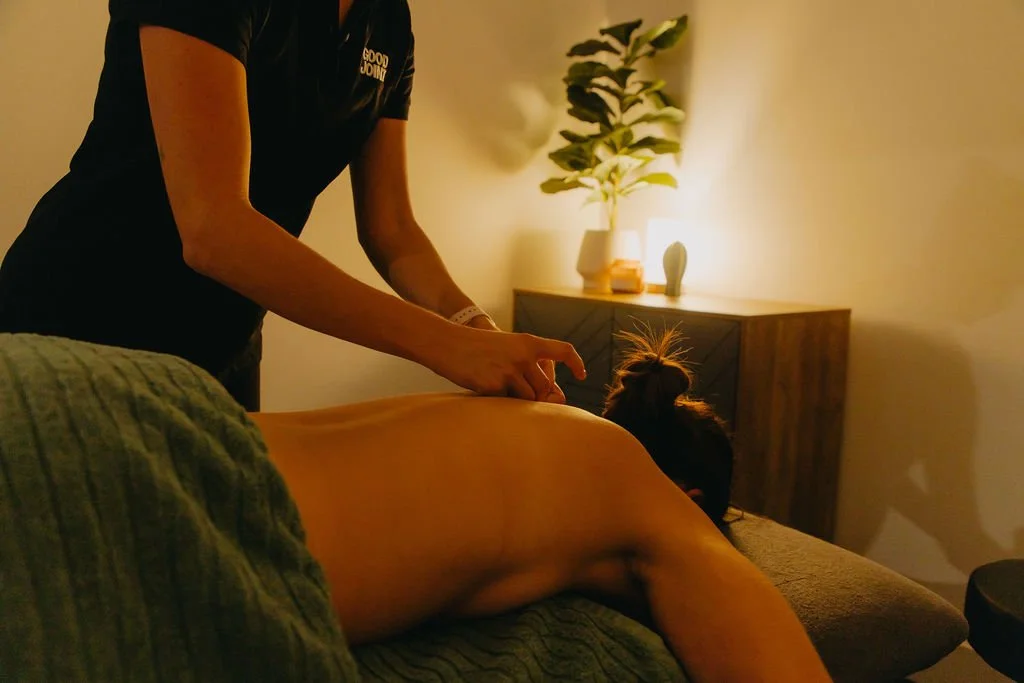
Manual therapy including joint mobilisation improves range and reduces pain in arthritic joints, particularly in the early to moderate stages. Improving load distribution through the joint by optimising the strength and control of surrounding muscles reduces the mechanical stress on cartilage surfaces and slows the progression of degenerative change.
At The Good Joint our team assesses your joint health comprehensively and builds a program that reduces pain, improves function, and gives you the tools to manage your joint health over the long term.
Book Visit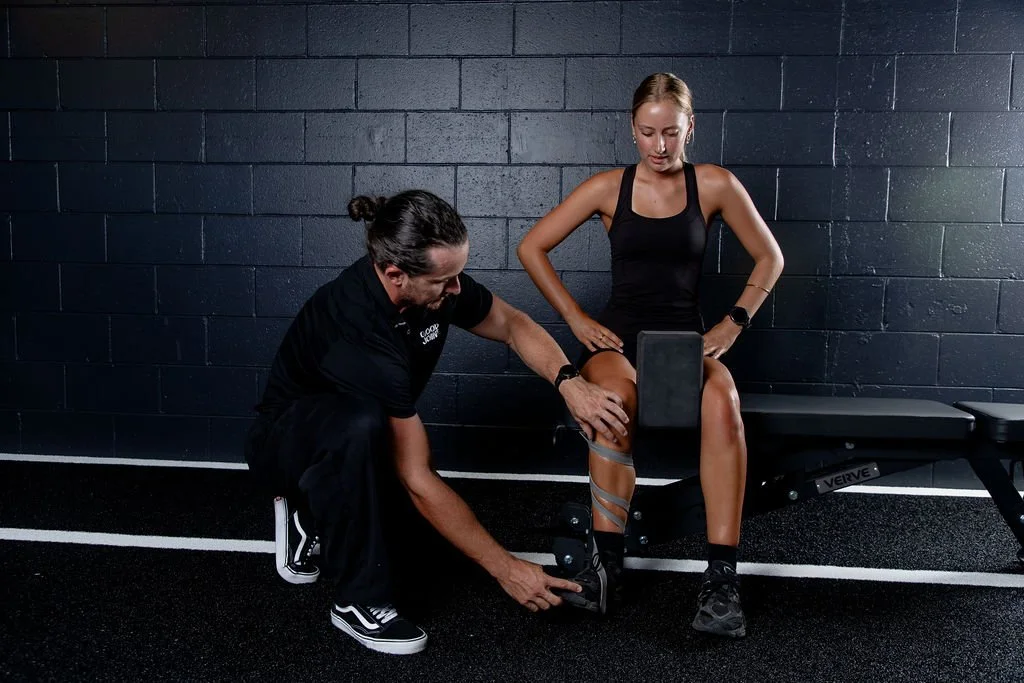
WHAT TO EXPECT DURING YOUR FIRST VISIT
Discussion:
A brief chat about what's brought you in and how it has been impacting your lifestyle.
Physical Assessment:
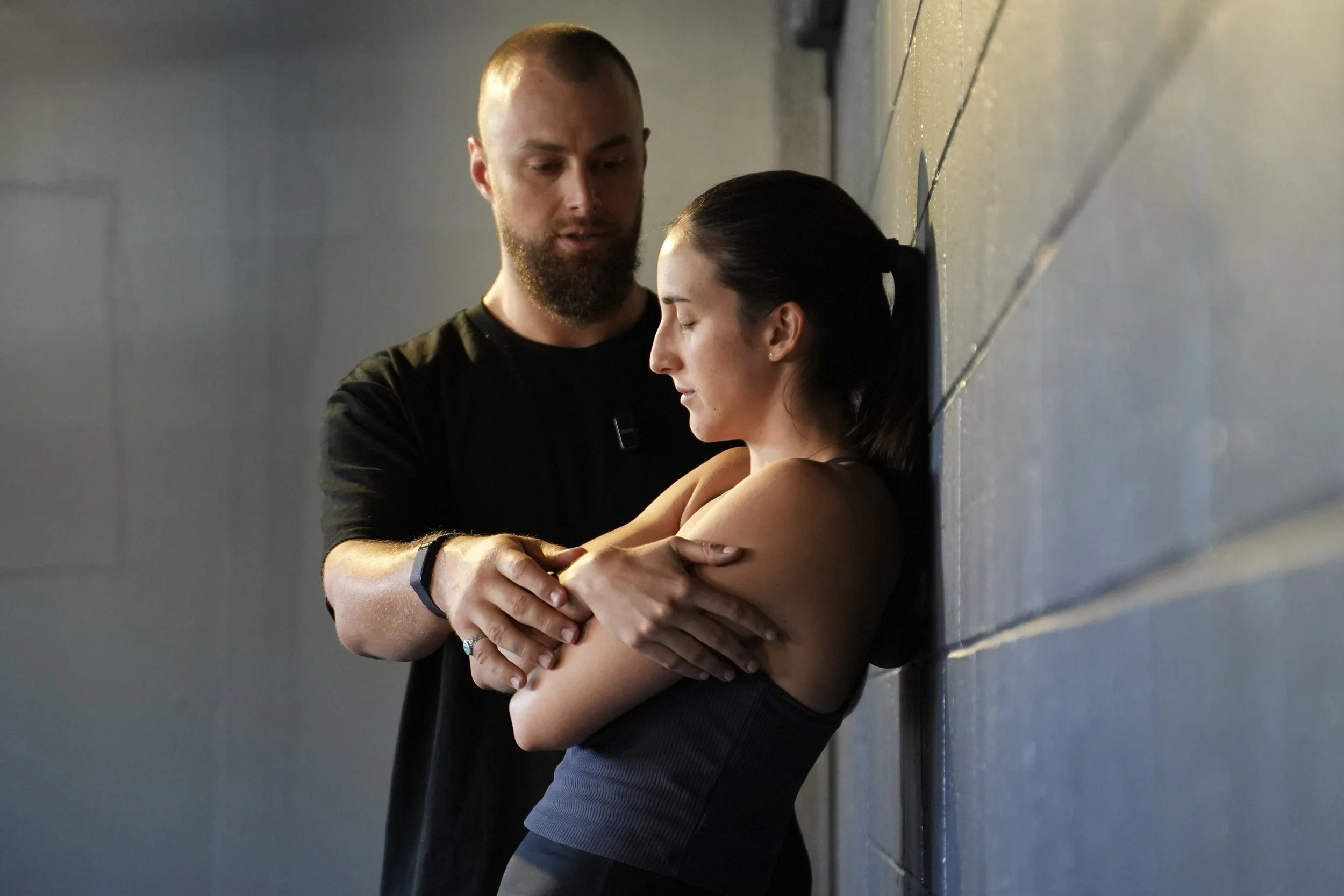
Functional testing to assess and identify underlying factors contributing to your symptoms.
Recovery Plan:
A tailored approach for working on your specific needs, including personalised exercise prescription.
Treatment:
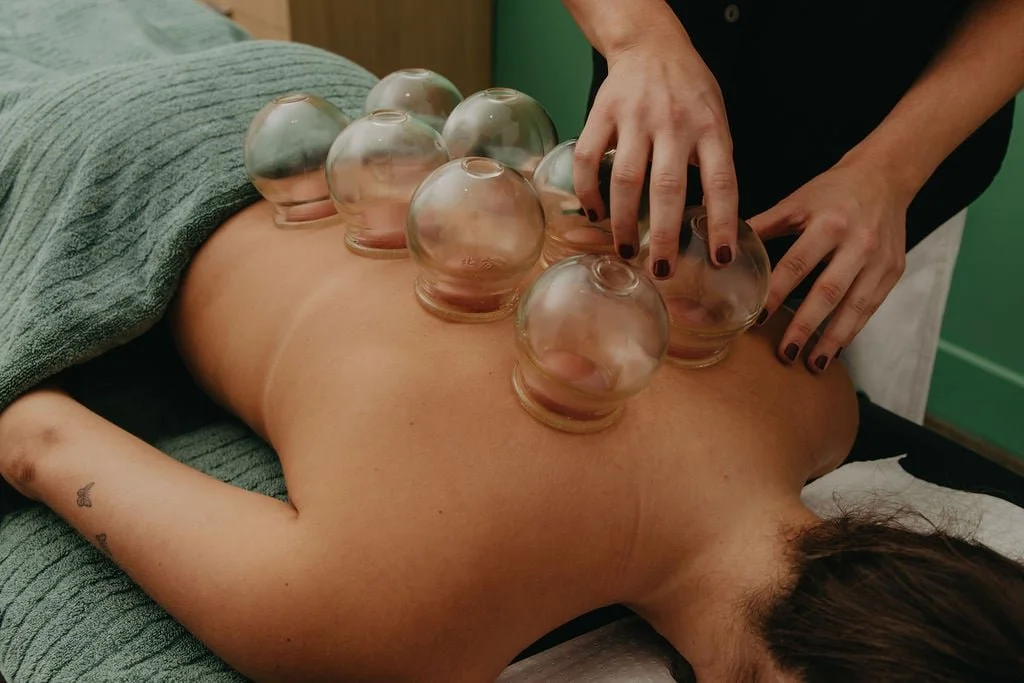
Hands-on treatment including active release, soft tissue work, and dry needling for fast relief.
Types of Arthritis We Treat
Knee Osteoarthritis
Knee OA is one of the most common conditions seen in clinical practice and one that responds very well to physiotherapy and exercise-based management. Strengthening the quadriceps and hip abductors, optimising walking mechanics, managing body weight, and using manual therapy to maintain joint mobility produces significant and lasting improvements in pain and function. Exercise-based programs are at least as effective as cortisone injection for knee OA pain over twelve months.
Hip Osteoarthritis
Hip OA produces deep groin and anterior thigh pain with weight-bearing activity and stiffness after prolonged sitting. Progressive exercise targeting hip strength and mobility, manual therapy to maintain joint range, and activity pacing produces meaningful improvement in most presentations. Physiotherapy-led management delays and in some cases prevents the need for total hip replacement.
Hand & Finger Joint Arthritis
Osteoarthritis and inflammatory arthritis in the hands and fingers produce joint pain, morning stiffness, and functional limitation with fine motor tasks. Management includes joint mobilisation, hand strengthening exercises, activity modification, and advice on protecting the joints during daily tasks. Splinting for specific joints during high-demand activities reduces pain and prevents further deformity in inflammatory presentations.
Spinal Osteoarthritis & Facet Arthropathy
Arthritic change in the spinal facet joints is a normal part of ageing but becomes clinically significant when it produces stiffness and referred pain. Cervical facet arthropathy refers into the head and arm. Lumbar facet arthropathy refers into the buttock and posterior thigh. Manual therapy, mobility exercise, and strengthening of the spinal musculature manages the symptoms of spinal OA very effectively in most cases.
Shoulder & Acromioclavicular Arthritis
Glenohumeral osteoarthritis produces deep shoulder pain with all movements and significant restriction of range in the capsular pattern. AC joint arthritis at the top of the shoulder produces localised pain with reaching across the body. Both respond to physiotherapy-guided mobility work and strengthening, with manual therapy providing meaningful short-term gains in range and pain reduction.
Arthritis is one of the most common and one of the most effectively managed musculoskeletal conditions in clinical practice. The right exercise program, manual therapy, and load management advice makes a significant and lasting difference to both pain and long-term joint health.
Book Visit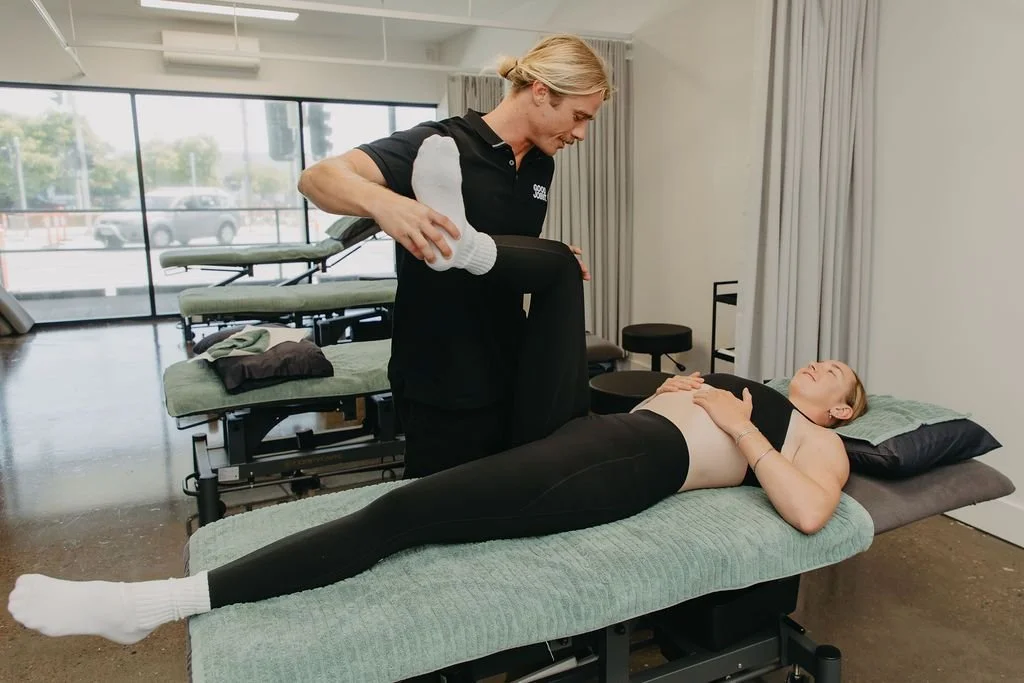
Common Signs of Arthritis & Joint Pain
Arthritic pain has distinct features that help distinguish it from acute injury and from inflammatory joint disease. Morning stiffness, the pattern of load-related pain, and the distribution of joints affected all provide important diagnostic information.
Arthritis is not a condition you simply have to live with. Evidence-based exercise and manual therapy management significantly reduces pain, improves function, and in many cases slows the progression of joint changes. Getting the right advice early makes a lasting difference.
Book NowFrequently Asked Questions About Arthritis & Joint Pain
Can physiotherapy help with arthritis?
Yes, and substantially. Exercise-based physiotherapy is the most evidence-based intervention for osteoarthritis of the hip and knee, with large randomised trials consistently showing it reduces pain and improves function at least as effectively as cortisone injection and anti-inflammatory medication over the medium and long term. Manual therapy provides additional benefit by improving joint mobility and reducing pain acutely. A combination of both is more effective than either alone.
Is exercise safe with arthritis?
Yes. The research clearly shows that appropriate progressive exercise does not damage arthritic joints and in fact improves cartilage health, joint fluid quality, and muscular protection around the joint. The key is starting at the appropriate load and progressing gradually. High-impact exercise in the early phases of rehabilitation may need to be modified, but the goal is always to return to the activities that are important to the individual.
What should I avoid with arthritis?
Prolonged inactivity is the most damaging thing for arthritic joints. Joints need movement to circulate synovial fluid and maintain cartilage nutrition. Activity pacing, which involves spreading activity across the day and avoiding prolonged static positions, is more protective than either rest or overdoing it. Specific high-impact or repetitive activities may need modification depending on the joint involved and the severity of the changes.
Does weight loss help arthritis?
Yes, particularly for hip and knee OA. Each kilogram of body weight lost reduces the compressive force through the knee by approximately four kilograms with walking. Even modest weight loss of five to ten percent of body weight produces significant and measurable reductions in knee pain and improvement in function in people with knee OA. Weight management is therefore an important component of a comprehensive arthritis management plan.
When should I consider joint replacement?
Joint replacement is indicated when pain and functional limitation are severe, not responding to comprehensive conservative management, and significantly affecting quality of life. Physiotherapy-led management delays the need for joint replacement and, in a proportion of cases, achieves sufficient improvement that surgery is no longer required. However, joint replacement is a highly effective procedure when conservative options have been exhausted, and there is no value in delaying it indefinitely when the threshold has been reached.