Arthritis & Joint Rehabilitation Gold Coast
Arthritis rehabilitation is not about managing decline. It is about building the capacity to do the things that matter to you with less pain and more confidence.
Whether you are preparing for a joint replacement, recovering post-operatively, managing an arthritic joint conservatively for the long term, or working through an inflammatory arthritis flare, our physiotherapists and osteopaths provide targeted rehabilitation that is evidence-based and tailored to where you are in the process.
Book Now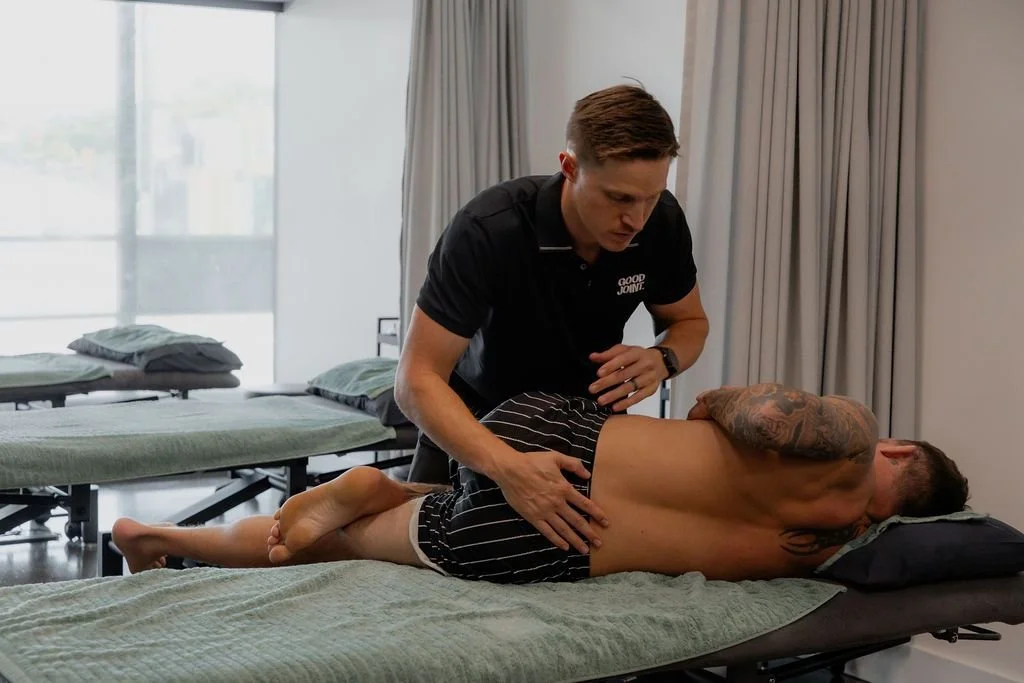
Rehabilitation Is the Best Long-Term Treatment for Arthritis
Exercise Beats Passive Treatment
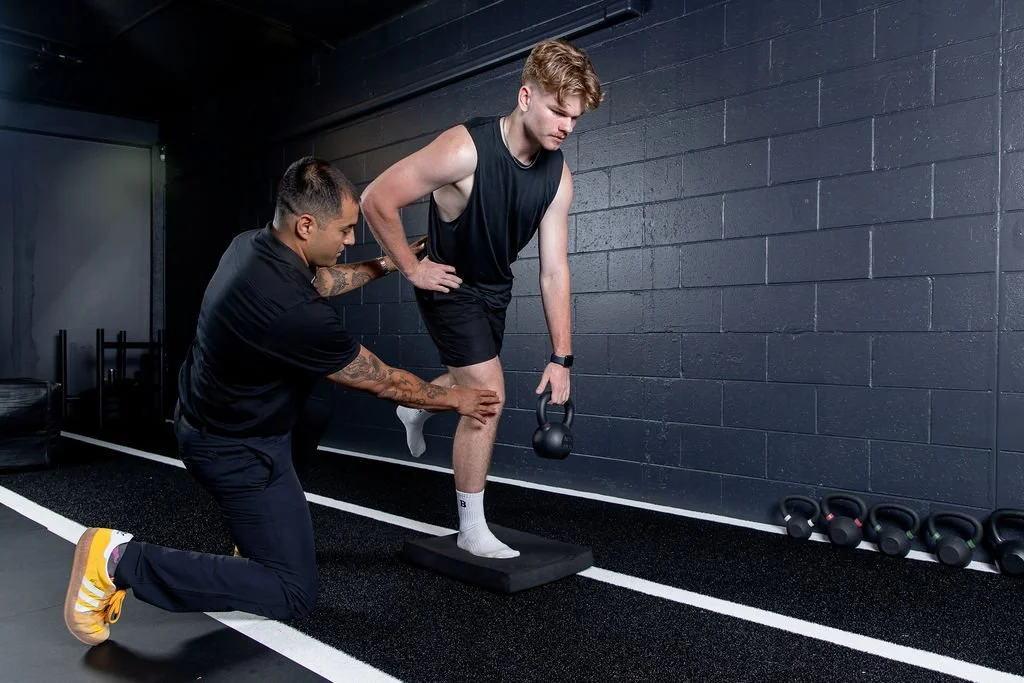
Research consistently shows that exercise-based rehabilitation produces greater long-term improvement in pain and function for arthritic joints than passive treatments including massage, ultrasound, and repeated cortisone injection. Targeted progressive exercise improves joint fluid circulation, builds muscular protection around the joint, reduces central pain sensitisation, and in many cases slows the progression of joint changes.
Pre-Surgical Optimisation - Prehabilitation
People who undergo joint replacement surgery with stronger surrounding muscles and better cardiovascular fitness recover faster and achieve better functional outcomes than those who go into surgery deconditioned. A targeted prehabilitation program in the weeks to months before surgery significantly improves post-operative outcomes.
Post-Surgical Rehabilitation
Joint replacement rehabilitation follows a structured progression from early range of motion and weight-bearing through to full functional restoration. Each stage has specific goals and timelines that are guided by the surgical approach and individual progress. A physiotherapy-led rehabilitation program produces better outcomes than self-directed recovery.
At The Good Joint our physiotherapists and osteopaths provide comprehensive arthritis and joint rehabilitation, from conservative long-term management through to pre- and post-surgical care.
Book Visit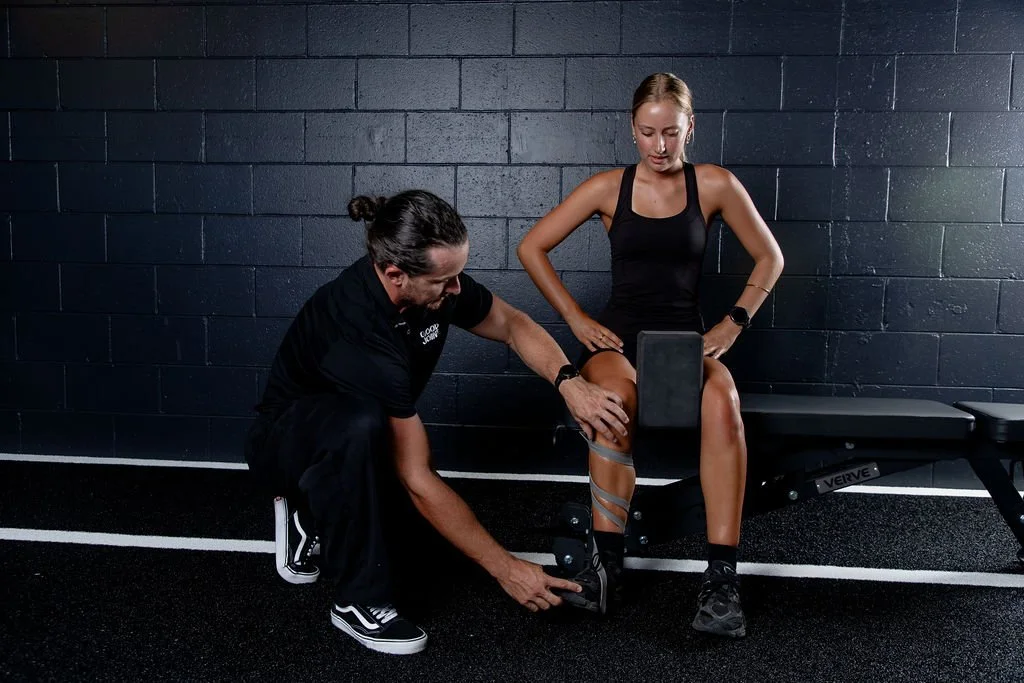
WHAT TO EXPECT DURING YOUR FIRST VISIT
Discussion:
A brief chat about what's brought you in and how it has been impacting your lifestyle.
Physical Assessment:
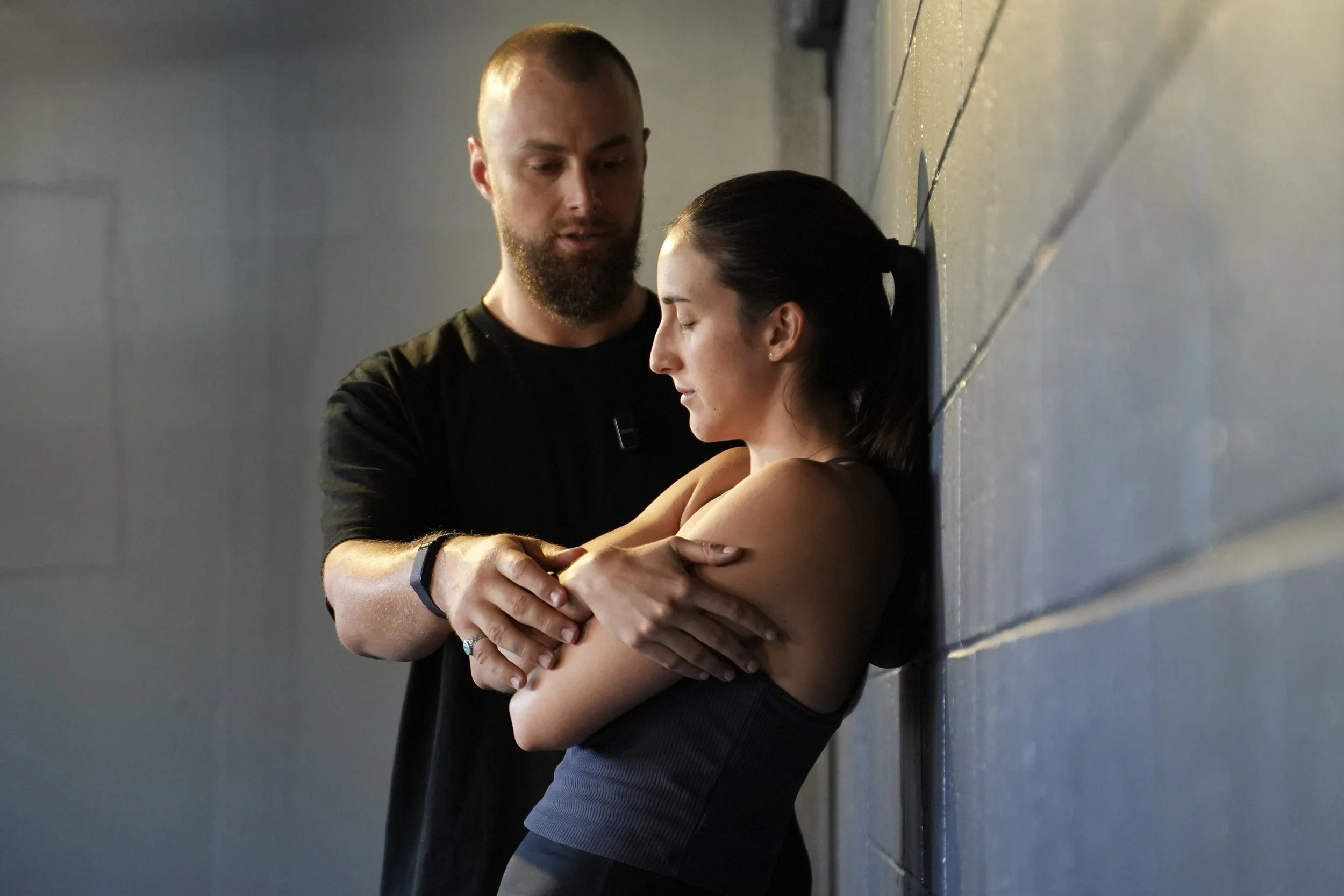
Functional testing to assess and identify underlying factors contributing to your symptoms.
Recovery Plan:
A tailored approach for working on your specific needs, including personalised exercise prescription.
Treatment:
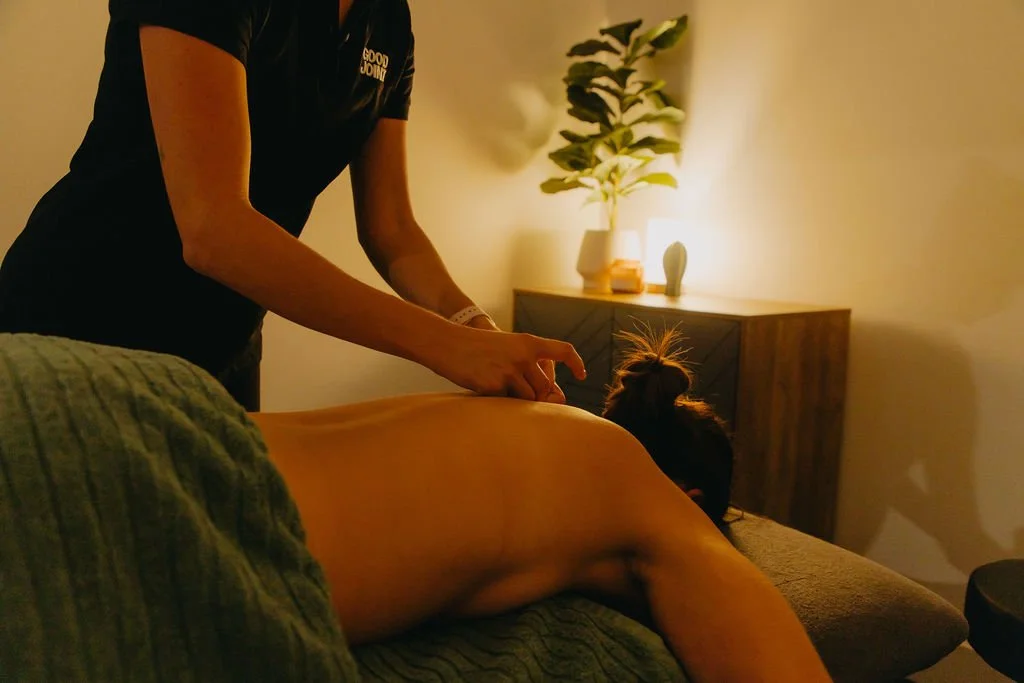
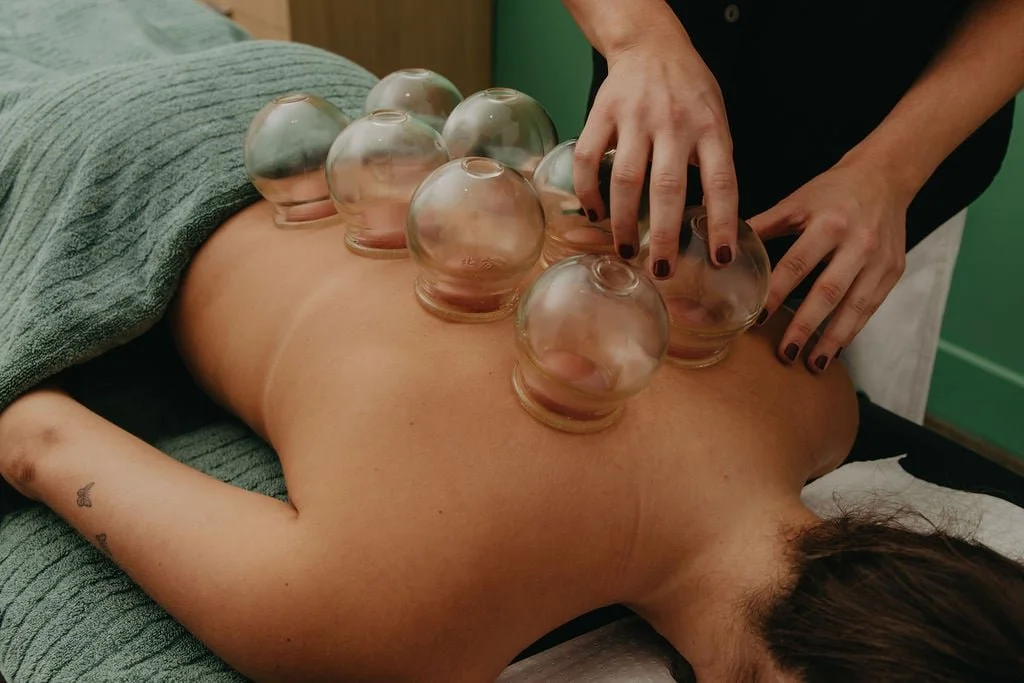
Hands-on treatment including active release, soft tissue work, and dry needling for fast relief.
Conditions & Stages We Rehabilitate
Knee Replacement Rehabilitation
Total and partial knee replacement rehabilitation progresses from immediate post-operative range and weight-bearing through to full functional restoration over three to six months. Key goals include restoring full knee extension, achieving adequate flexion for functional activities, rebuilding quadriceps strength, and restoring normal gait mechanics. A structured program with clear milestones and consistent progression produces better outcomes than rest-based recovery.
Hip Replacement Rehabilitation
Hip replacement rehabilitation involves early mobilisation, range of motion work within precautionary limits set by the surgical approach, progressive weight-bearing, and strengthening of the gluteal and hip stabilising muscles. Return to full activity is typically achieved at three to six months. Physiotherapy-led rehabilitation significantly reduces post-operative complications and improves long-term functional outcomes.
Shoulder Replacement Rehabilitation
Shoulder replacement rehabilitation requires careful management of movement restrictions in the early post-operative phase to protect the repair, followed by progressive strengthening of the rotator cuff and deltoid. The timeline for functional recovery is typically six to twelve months. Pre-operative physiotherapy to optimise rotator cuff and scapular muscle function before surgery significantly improves post-operative outcomes.
Inflammatory Arthritis Exercise Management
Exercise management in rheumatoid, psoriatic, and other inflammatory arthritides must account for disease activity, joint damage, and the systemic effects of the condition. During flares, gentle range of motion and hydrotherapy are appropriate. During remission, progressive strengthening and aerobic exercise produce meaningful improvements in pain, fatigue, and function. Exercise programming is coordinated with the medical team managing the inflammatory condition.
Long-Term Arthritic Joint Management
For people managing arthritic joints long-term without imminent surgery, a personalised exercise program that is reviewed and progressed regularly provides the most sustained benefit. Activity pacing strategies, load management advice, and periodic reassessment as the condition evolves maintain function and quality of life over the long term.
Arthritis rehabilitation done well produces meaningful improvements in pain, function, and quality of life at every stage. Whether you are managing arthritis conservatively, preparing for surgery, or recovering post-operatively, an evidence-based program makes a significant difference to where you end up.
Book Visit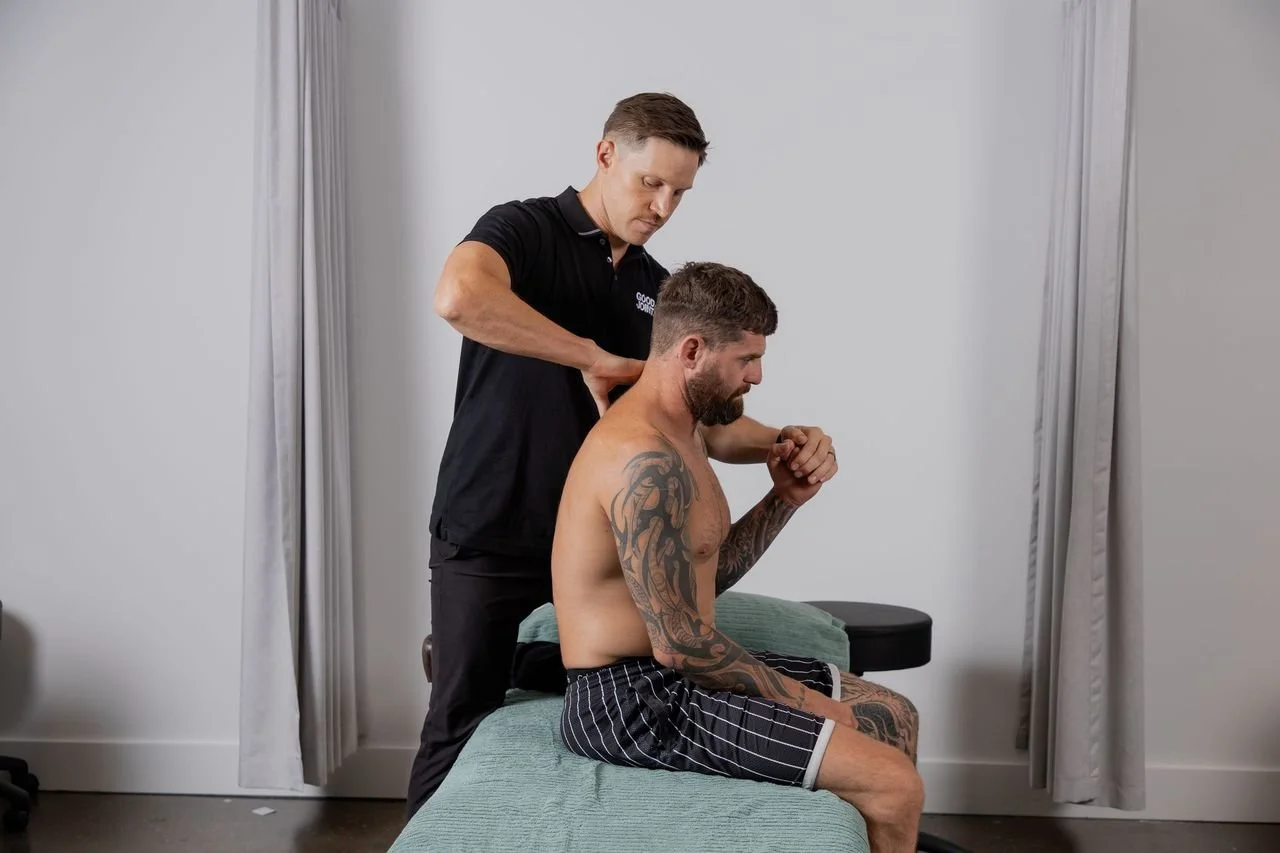
Who Benefits From Arthritis Rehabilitation
Arthritis rehabilitation is appropriate at every stage of the condition - from early management through to post-surgical recovery.
Arthritis rehabilitation that is consistent, evidence-based, and matched to the individual's current capacity and goals produces outcomes that passive management simply cannot achieve. Starting earlier and committing to an active approach changes the long-term trajectory.
Book NowFrequently Asked Questions About Arthritis & Joint Rehabilitation
How soon after joint replacement surgery should I start physiotherapy?
Physiotherapy typically begins on the day of surgery or the day after, while still in hospital. Early mobilisation, gentle range of motion exercise, and safe weight-bearing are initiated immediately. Outpatient physiotherapy should begin within one to two weeks of discharge and continue through the early and middle phases of recovery. Earlier and more intensive rehabilitation is associated with better functional outcomes and fewer complications.
Can exercise prevent the need for joint replacement?
In some cases, yes. A significant proportion of people with mild to moderate hip and knee osteoarthritis who undertake a structured physiotherapy-led exercise program achieve sufficient improvement in pain and function that surgery is no longer required. The research suggests that physiotherapy-led exercise is at least as effective as surgery for most cases of knee meniscal pathology and many cases of hip and knee OA, particularly when combined with weight management where relevant.
How much exercise is right for arthritic joints?
This depends on the individual, the joint involved, and the severity of the arthritic changes. The principle is to find the dose that produces improvement without causing prolonged post-exercise flares. A post-exercise pain increase of up to two hours is generally acceptable. Pain that is significantly worsened the following morning indicates the load was too high. A physiotherapist calibrates the exercise dose and adjusts it as capacity improves.
What is prehabilitation and does it work?
Prehabilitation involves undertaking a structured exercise program in the weeks to months before joint replacement surgery to improve the strength and fitness of the muscles around the joint before surgery. Meta-analyses consistently show that prehabilitation reduces post-operative pain, shortens hospital stay, reduces the time to return to function, and improves patient-reported outcomes following joint replacement. It is one of the most evidence-supported investments you can make before elective joint surgery.
Is hydrotherapy helpful for arthritis?
Hydrotherapy provides a low-load exercise environment where the buoyancy of water reduces joint loading by up to ninety percent, allowing exercise that would be too painful on land to be performed comfortably. It is particularly valuable in early post-surgical rehabilitation, during inflammatory flares, and for people with significant weight-bearing pain. Research supports hydrotherapy for improving pain and function in hip and knee OA, and it is a useful adjunct to land-based exercise particularly in the early phases of rehabilitation.