Bursitis Treatment Gold Coast
Bursitis is inflammation of a bursa — a small fluid-filled sac that cushions tendons, muscles, and bones from each other — and produces localised pain, swelling, and tenderness that worsens with movement and load.
Whether you are dealing with hip bursitis, shoulder bursitis, knee bursitis, Achilles bursitis, or bursitis at another site, The Good Joint provides accurate assessment to identify the specific bursa involved and the underlying cause driving the inflammation, then builds a targeted treatment plan.
Book Now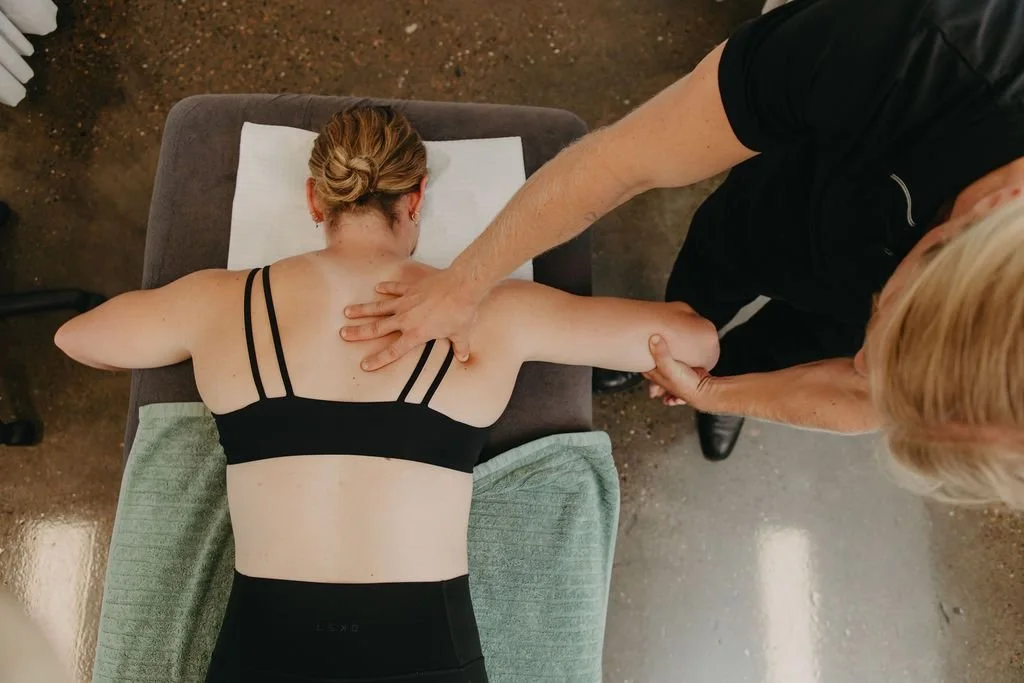
Understanding Bursitis & What Drives It
What Is a Bursa?
Bursae are small, thin, fluid-filled sacs distributed throughout the body at points of friction between tendons, muscles, and bones. Under normal conditions they reduce friction and protect these structures during movement. When a bursa becomes irritated or inflamed through overload, repetitive friction, direct trauma, or associated tendinopathy, the fluid within it increases, producing localised pain, tenderness, and swelling.
The Relationship Between Bursitis & Tendinopathy
Bursitis and tendinopathy frequently coexist. In the hip, subacromial shoulder, and Achilles, the bursa is positioned between a compressed tendon and a bony surface. When a tendon develops tendinopathy and swells, it compresses the adjacent bursa. Treating bursitis in isolation without addressing the underlying tendon pathology produces temporary improvement that reliably recurs. A complete assessment identifies both the bursal and tendinous contributions.
Compression vs Friction Mechanisms
Different bursae are irritated by different mechanisms. Trochanteric bursitis in the lateral hip is primarily driven by compressive load from a tight iliotibial band and is worsened by activities that adduct the hip. Subacromial bursitis is driven by compression of the bursa between the rotator cuff and acromion with arm elevation. Understanding the specific compression or friction mechanism guides the most targeted and effective treatment approach.
At The Good Joint our physiotherapists, chiropractors, and osteopaths identify the specific bursa involved, the mechanism driving irritation, and any associated tendon pathology, then build a treatment plan that addresses all contributing factors.
Book Visit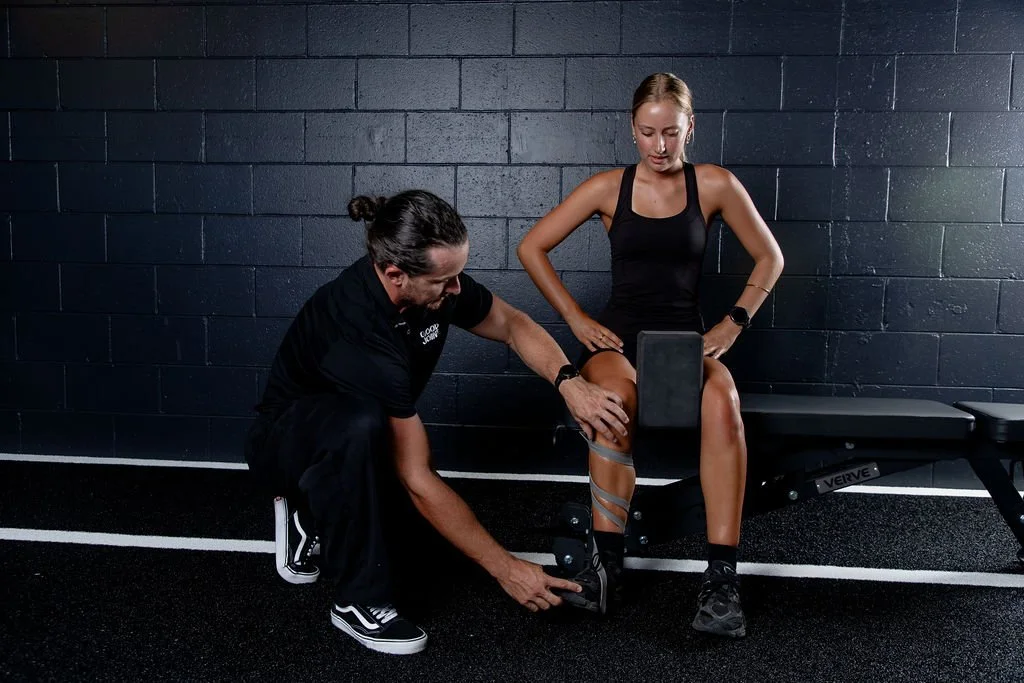
WHAT TO EXPECT DURING YOUR FIRST VISIT
Discussion:
A brief chat about what's brought you in and how it has been impacting your lifestyle.
Physical Assessment:
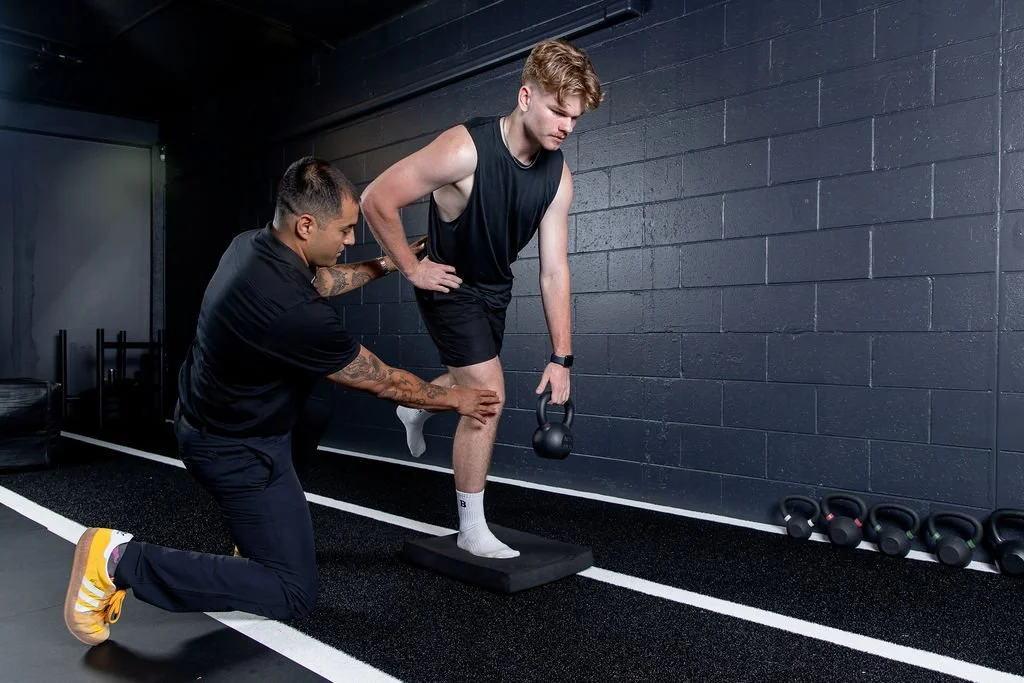
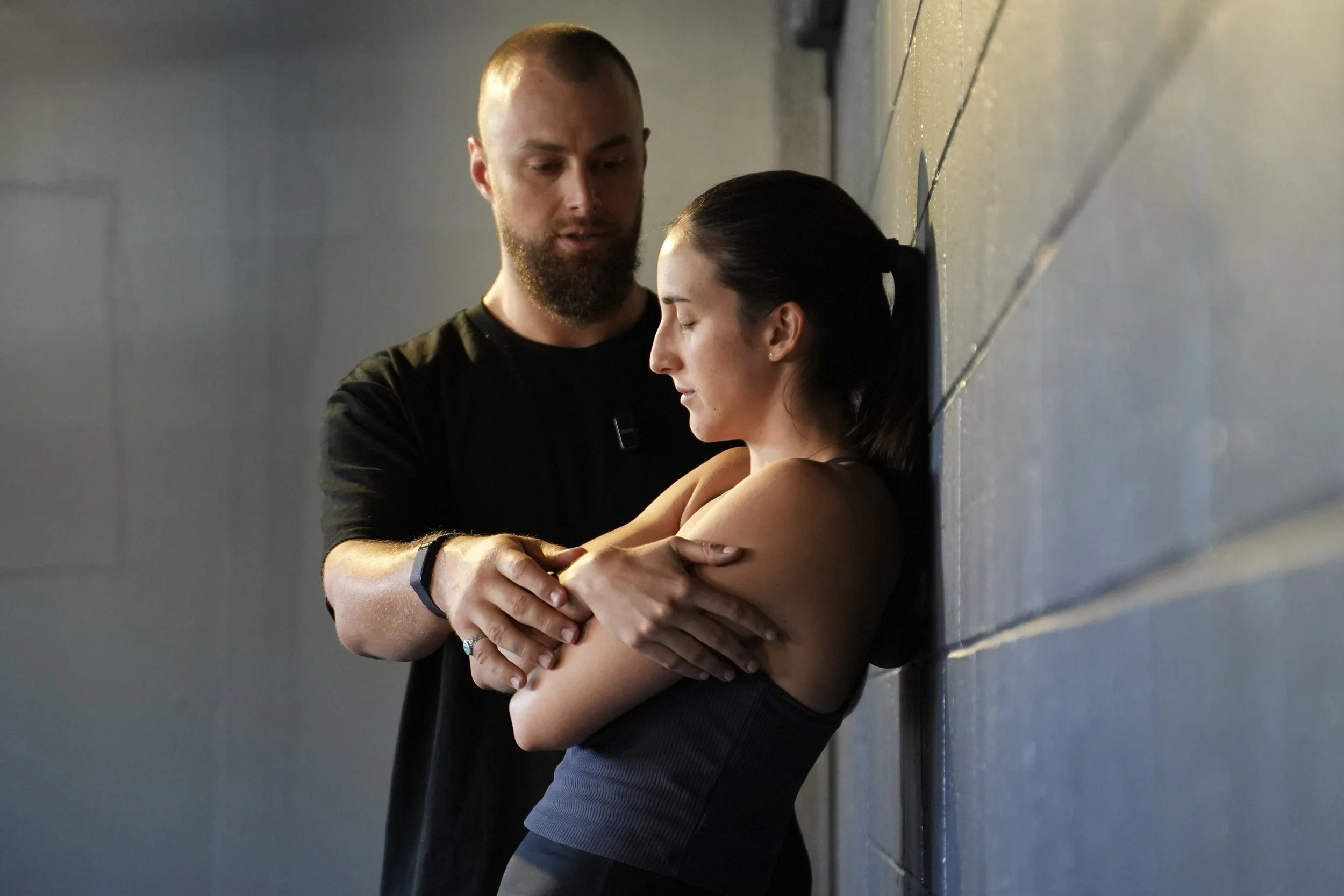
Functional testing to assess and identify underlying factors contributing to your symptoms.
Recovery Plan:
A tailored approach for working on your specific needs, including personalised exercise prescription.
Treatment:
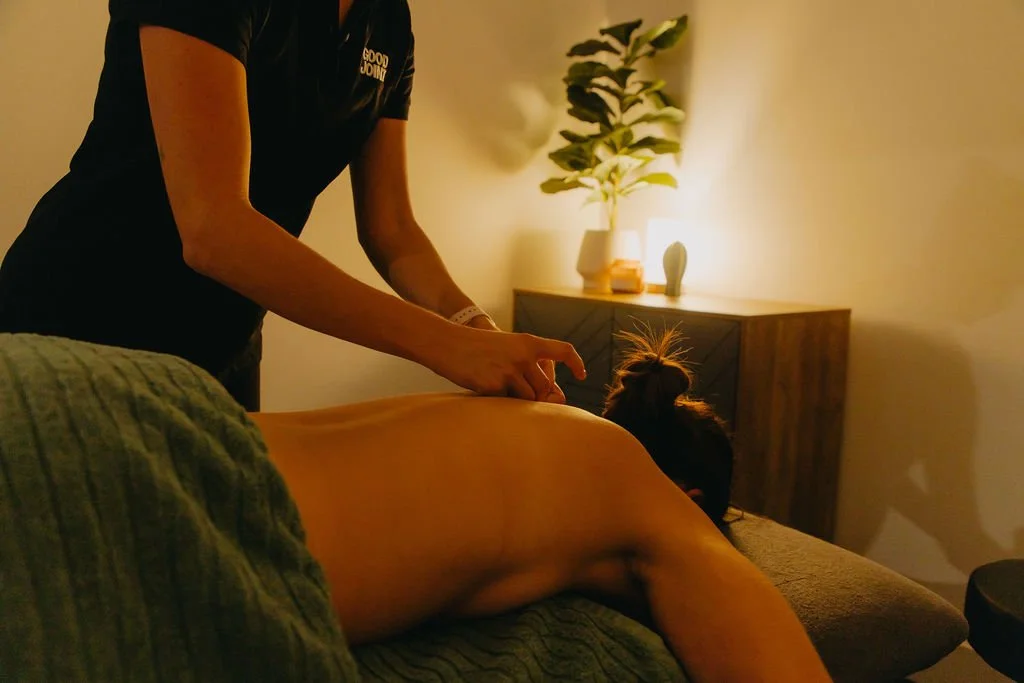
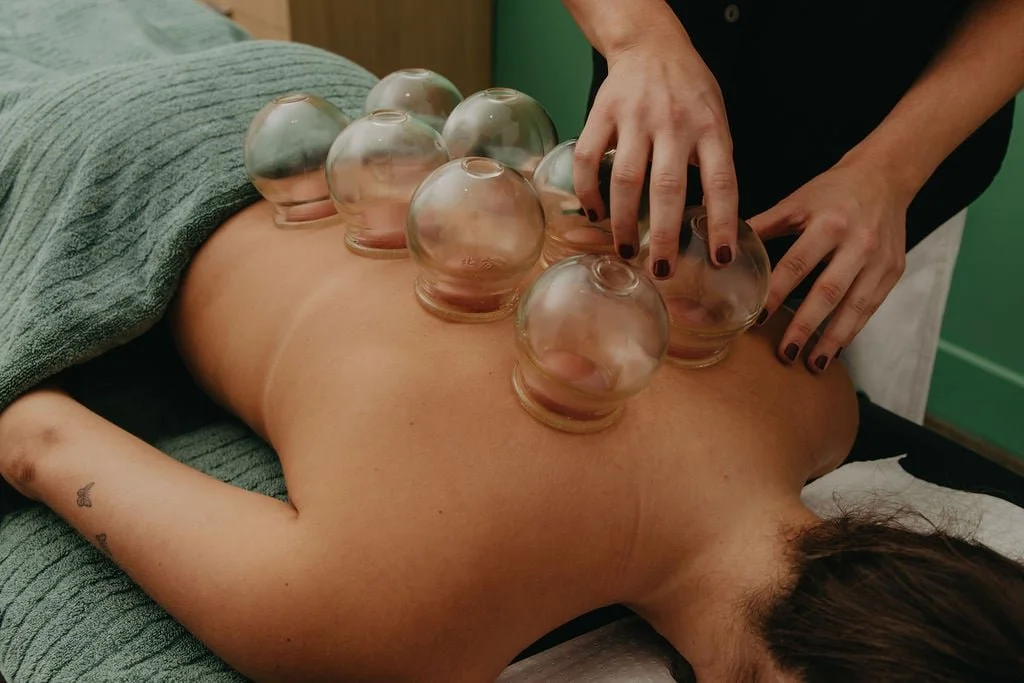
Hands-on treatment including active release, soft tissue work, and dry needling for fast relief.
Common Types of Bursitis We Treat
Greater Trochanteric Bursitis (Hip)
Greater trochanteric bursitis involves inflammation of the bursa over the greater trochanter of the hip, producing lateral hip pain that is tender to direct pressure and worsens with lying on the affected side, stair climbing, and prolonged walking. It is strongly associated with gluteal tendinopathy and ITB tightness, and is more common in women. Management involves load modification to reduce compressive forces, gluteal strengthening, and where relevant, addressing iliotibial band tension.
Subacromial Bursitis (Shoulder)
Subacromial bursitis involves inflammation of the bursa between the rotator cuff and acromion, producing shoulder pain with arm elevation and reaching overhead. It is frequently associated with supraspinatus tendinopathy and impingement syndrome. Treatment targets the underlying rotator cuff and scapular control alongside direct management of bursal inflammation through load modification, manual therapy, and progressive strengthening.
Prepatellar & Infrapatellar Bursitis (Knee)
Prepatellar bursitis, commonly called housemaid's knee, involves inflammation of the bursa over the front of the kneecap from sustained kneeling. Infrapatellar bursitis involves the bursa below the patellar tendon. Both produce localised swelling and tenderness. Activity modification, load management, and addressing any associated patellar tendon involvement are the primary management strategies.
Retrocalcaneal Bursitis (Achilles/Heel)
Retrocalcaneal bursitis involves the bursa between the Achilles tendon and the calcaneus and is associated with insertional Achilles tendinopathy. It produces pain and swelling at the back of the heel, worsened by shoe pressure on the Achilles insertion and by compression in the heel-raised position. Management requires specific load modification to reduce compressive force at the insertion alongside progressive tendon loading.
Ischial Bursitis (Sitting Bone)
Ischial bursitis involves inflammation of the bursa over the ischial tuberosity, producing deep buttock pain with prolonged sitting, particularly on hard surfaces. It closely mimics proximal hamstring tendinopathy and the two conditions can coexist. Differentiating between them through clinical assessment determines whether hamstring tendon loading or bursal management takes priority in the early phases of treatment.
Bursitis that is accurately assessed — including the underlying tendon, biomechanical drivers, and compressive mechanism — and treated with a targeted program that addresses all contributing factors produces significantly better long-term outcomes than local treatment alone.
Book Visit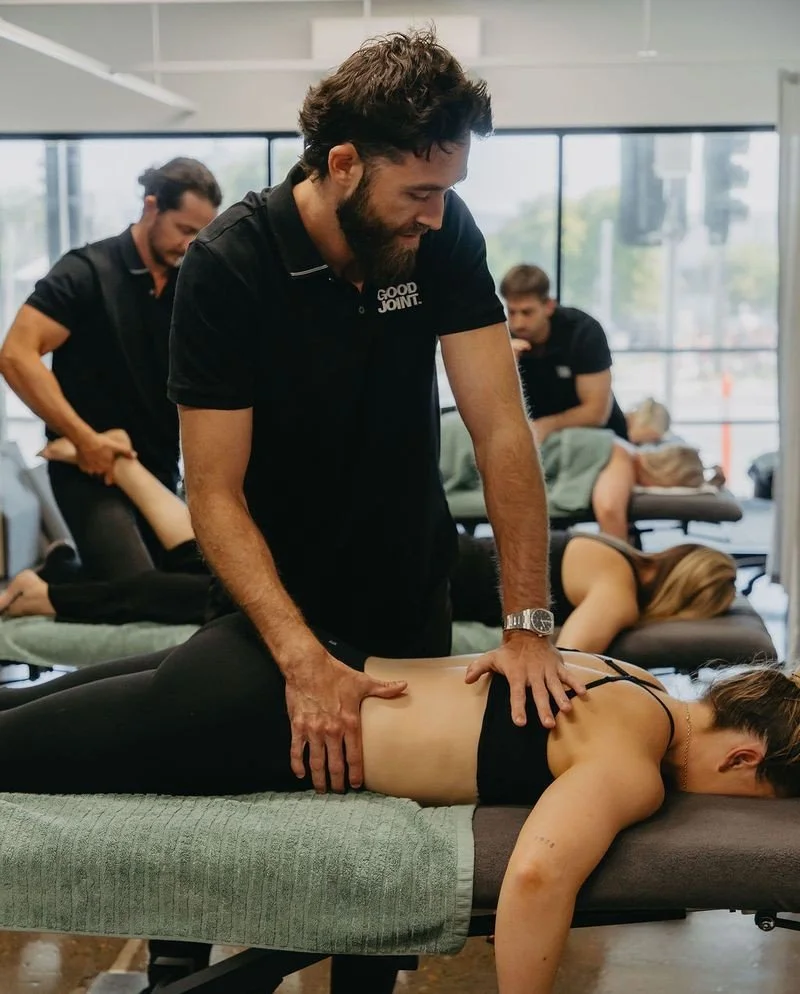
Signs & Symptoms of Bursitis
Bursitis produces a localised pain pattern with specific tenderness over the affected bursa. The combination of location, the activities that provoke pain, and the specific positions that compress or load the area all help identify the bursa and its underlying cause.
Bursitis that is treated in isolation without identifying and addressing the underlying tendon pathology or biomechanical driver tends to recur when activity is resumed. A complete assessment of the full picture is the most important first step.
Book NowFrequently Asked Questions About Bursitis
Does bursitis go away on its own?
Mild bursitis provoked by a specific overload event often settles with relative rest and load modification within two to four weeks. However, bursitis associated with underlying tendinopathy or ongoing mechanical compression does not resolve until the contributing factors are addressed. In these cases, activity modification alone produces temporary improvement that recurs with activity. A proper assessment identifies whether the underlying drivers have been addressed.
Is a cortisone injection helpful for bursitis?
Cortisone injection can provide meaningful short-term pain relief for bursitis and is particularly useful when pain is severe enough to limit participation in rehabilitation. For subacromial and trochanteric bursitis, evidence supports its use as a complement to physiotherapy rather than a standalone treatment. A single injection combined with a structured rehabilitation program produces better long-term outcomes than injection alone. Repeated injections may weaken adjacent tendon tissue and are not recommended.
Can exercise make bursitis worse?
The wrong type of exercise can worsen bursitis by continuing to compress or irritate the affected bursa. The right type of exercise, specifically loading that avoids compressing the bursa while progressively building the strength of surrounding tendons and muscles, is the most effective treatment. For example, hip adduction movements worsen trochanteric bursitis while hip abductor strengthening in non-compressive positions resolves it. A physiotherapist will identify the appropriate exercise parameters for your specific bursa.
How is bursitis different from tendinopathy?
Bursitis involves inflammation of the fluid-filled sac adjacent to a tendon. Tendinopathy involves degenerative structural change within the tendon itself. Both produce pain with similar activities at similar locations, and they frequently coexist. The clinical distinction matters because treatment differs: tendinopathy requires progressive loading, while acute bursitis requires initial load reduction. Treating one without addressing the other produces incomplete resolution.
How long does bursitis take to heal?
Uncomplicated bursitis from a specific overload event typically settles within two to six weeks of appropriate load management. Bursitis associated with tendinopathy or chronic mechanical compression requires three to six months of structured rehabilitation addressing the underlying driver. The timeline is significantly influenced by whether the biomechanical contributors — such as gluteal weakness in trochanteric bursitis or poor scapular control in subacromial bursitis — are identified and effectively corrected.