Carpal Tunnel Syndrome Treatment Gold Coast
Carpal tunnel syndrome produces numbness, tingling, and weakness in the thumb, index, and middle fingers — and in most cases responds very well to conservative treatment without surgery.
Whether your symptoms are mild and intermittent or significant enough to wake you at night and affect grip strength, The Good Joint provides thorough assessment and evidence-based conservative management to relieve nerve compression and restore full hand function.
Book Now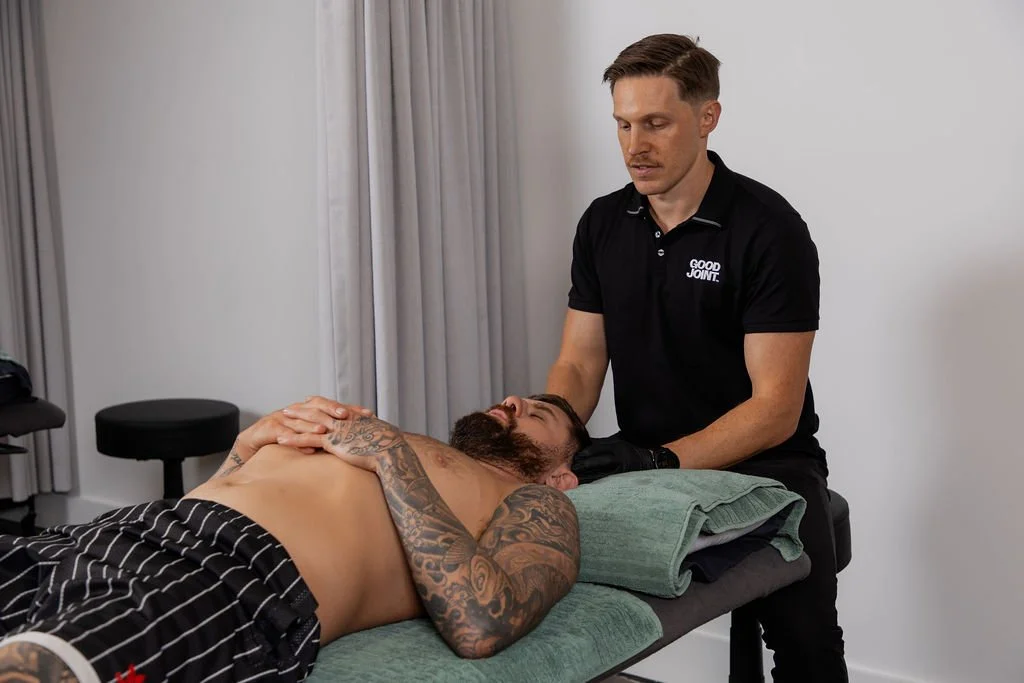
Understanding Carpal Tunnel Syndrome
The Carpal Tunnel & Median Nerve
The carpal tunnel is a narrow passageway in the wrist formed by the carpal bones and the transverse carpal ligament. The median nerve and nine flexor tendons pass through this tunnel. When the tunnel narrows or the contents swell, the median nerve is compressed, producing the characteristic symptoms of carpal tunnel syndrome in the thumb, index, middle finger, and radial half of the ring finger.
Why the Wrist Is Not Always the Problem
A common and clinically important mistake in carpal tunnel management is treating only the wrist when the nerve compression may be occurring at multiple points along the median nerve's course. The median nerve can also be compressed at the pronator teres in the forearm, at the thoracic outlet, or at the cervical spine. A thorough assessment of the full nerve pathway, known as neurodynamic assessment, is essential before committing to local wrist treatment alone.
Conservative vs Surgical Management
The majority of carpal tunnel presentations respond well to conservative treatment, particularly in mild to moderate cases. Wrist joint mobilisation, nerve mobilisation, specific exercise, splinting, activity modification, and addressing contributing postural and workstation factors produce excellent outcomes without surgery. Even moderate to severe cases often improve significantly with conservative care when properly managed.
At The Good Joint our physiotherapists, chiropractors, and osteopaths assess the full nerve pathway from cervical spine to fingertips and build a targeted conservative management plan for carpal tunnel syndrome.
Book Visit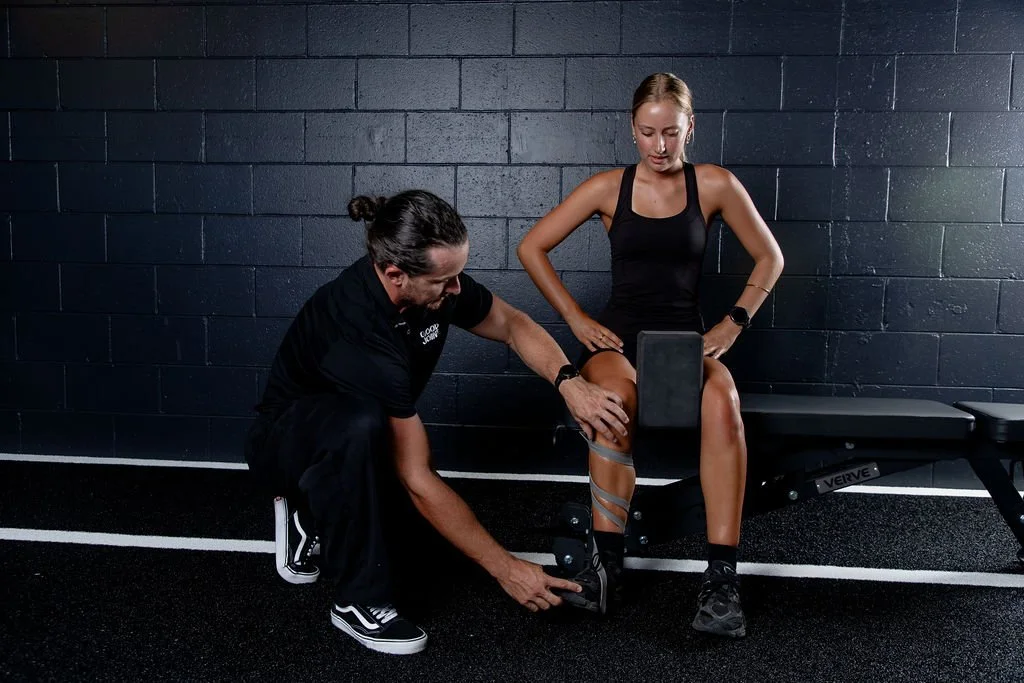
WHAT TO EXPECT DURING YOUR FIRST VISIT
Discussion:
A brief chat about what's brought you in and how it has been impacting your lifestyle.
Physical Assessment:
Functional testing to assess and identify underlying factors contributing to your symptoms.
Recovery Plan:
A tailored approach for working on your specific needs, including personalised exercise prescription.
Treatment:
Hands-on treatment including active release, soft tissue work, and dry needling for fast relief.
What Causes Carpal Tunnel Syndrome
Repetitive Wrist & Hand Use
Sustained or repetitive wrist movements, particularly in positions of flexion or extension, increase tendon and synovial tissue volume within the carpal tunnel over time. Office work involving sustained keyboard use, manual trades requiring grip and tool use, and activities involving prolonged wrist flexion are among the most common occupational drivers of carpal tunnel syndrome.
Hormonal & Fluid Retention Factors
Carpal tunnel syndrome is significantly more common in women, particularly during pregnancy, menopause, and in association with thyroid disorders. Hormonal changes increase synovial fluid volume and tissue swelling within the tunnel, increasing pressure on the median nerve. These hormonally-driven presentations often respond well to conservative management and frequently resolve post-partum or with hormonal management.
Wrist Anatomy & Previous Injury
Previous wrist fractures, particularly distal radius fractures, can alter the anatomy of the carpal tunnel and predispose individuals to median nerve compression. Wrist osteoarthritis and ganglion cysts are additional structural contributors. Assessing for these anatomical factors guides realistic prognosis and informs whether additional investigation is warranted.
Double Crush Syndrome
Double crush syndrome occurs when the median nerve is compressed at two or more points along its course simultaneously — for example, at both the cervical spine and the carpal tunnel. This is clinically significant because treating only the wrist in a double crush presentation produces incomplete resolution of symptoms. A thorough neurodynamic assessment identifies additional compression sites that must be addressed for full recovery.
Diabetes & Systemic Contributors
Diabetes increases the risk of carpal tunnel syndrome by affecting nerve health and reducing the median nerve's tolerance for compression. Other systemic conditions including hypothyroidism, rheumatoid arthritis, and renal failure are also associated with increased carpal tunnel risk. Addressing the systemic condition alongside local wrist treatment is an important component of comprehensive management.
Carpal tunnel syndrome managed early and thoroughly with conservative care produces excellent outcomes in the majority of cases. Getting an accurate assessment of the full nerve pathway, not just the wrist, is the single most important first step.
Book Visit
Common Signs & Symptoms of Carpal Tunnel Syndrome
Carpal tunnel syndrome has a highly recognisable symptom pattern. The specific fingers affected, the timing of symptoms, and the response to certain wrist positions are all diagnostic clues.
Carpal tunnel symptoms that are caught early and managed conservatively have significantly better outcomes than those managed with rest and watchful waiting for extended periods. Early assessment and treatment reduces the likelihood of surgical intervention.
Book NowFrequently Asked Questions About Carpal Tunnel Syndrome
Do I need surgery for carpal tunnel syndrome?
Most cases of carpal tunnel syndrome — particularly mild to moderate presentations — respond very well to conservative management without surgery. Surgery is generally considered when symptoms are severe, when there is significant and progressive muscle wasting at the base of the thumb, or when conservative management over three to six months has not produced sufficient improvement. Getting a thorough assessment and committing to appropriate conservative treatment gives you the best chance of avoiding surgical intervention.
Why are my symptoms worse at night?
Night-time worsening is one of the most characteristic features of carpal tunnel syndrome and occurs because people typically sleep with their wrists in a flexed position, which increases pressure within the carpal tunnel and compresses the median nerve. Wearing a neutral-position wrist splint at night is one of the most effective short-term measures for reducing overnight symptoms and improving sleep quality during conservative management.
Can physiotherapy fix carpal tunnel?
Yes, in many cases. Physiotherapy for carpal tunnel syndrome includes wrist joint mobilisation to improve carpal bone mechanics, nerve mobilisation techniques that restore median nerve mobility through its full course, targeted strengthening of the surrounding musculature, splinting advice, ergonomic and workstation assessment, and activity modification guidance. For mild to moderate presentations, this approach produces excellent results.
What is nerve mobilisation and does it help?
Nerve mobilisation, also called neural flossing or nerve gliding, involves gentle movements that encourage the median nerve to slide freely through its surrounding tissues. When the nerve is compressed or sensitised, it loses normal mobility and becomes more prone to irritation. Restoring nerve mobility reduces tension along the nerve and decreases symptoms. It is a safe and effective technique and a standard component of carpal tunnel conservative management.
How long does carpal tunnel treatment take?
This depends on the severity and duration of the condition. Mild presentations often show significant improvement within four to eight weeks of consistent conservative treatment. More established or severe cases may take three to six months of combined treatment. Cases with double crush involvement at the cervical spine or thoracic outlet require additional treatment time for the upstream compression site. Most people who commit to the full conservative program achieve good to excellent outcomes.