Children's Musculoskeletal Health Gold Coast
Children are not small adults. Their growing bones, developing movement patterns, and active lifestyles create musculoskeletal conditions that are unique to their stage of development — and that respond best to age-appropriate, evidence-based care.
Whether your child is dealing with growing pains, heel pain from Sever's disease, knee pain from Osgood-Schlatter, a sports injury, postural concerns, flat feet, or a movement issue that is affecting their participation in sport and daily activity, The Good Joint provides gentle, thorough assessment and targeted treatment designed specifically for children and adolescents.
Book Now
Children's Musculoskeletal Health Needs Specialist Attention
Growth-Related Conditions
Rapid growth phases can create vulnerability in developing bones, tendons, and joints. Conditions like Osgood-Schlatter disease, Sever's disease, and Scheuermann's kyphosis are common in active children and adolescents. Proper assessment and load management during these periods can significantly reduce pain and prevent conditions from worsening during growth spurts.
Sports Injuries in Young Athletes
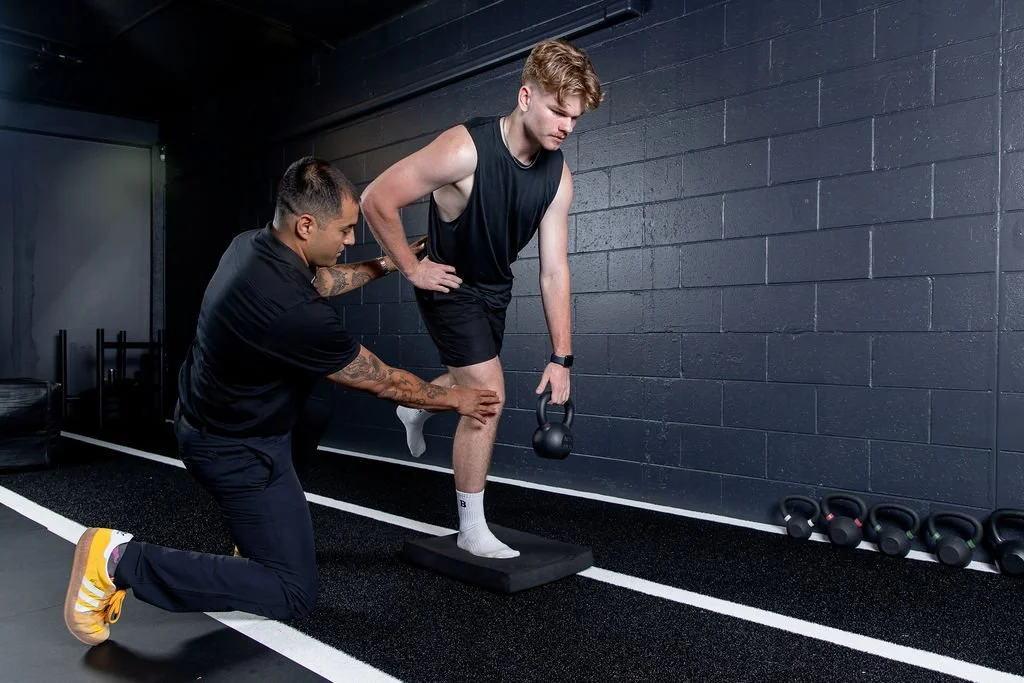
Children involved in sport are susceptible to overuse injuries, growth plate irritation, and acute injuries that may present and heal differently to the same injuries in adults. Treatment must account for the stage of physical development, the demands of the sport, and appropriate return-to-activity timelines that protect the growing body without unnecessarily sidelining the child.
Posture, School Bags & Screen Time
Heavy school bags, prolonged sitting, and increased screen use are contributing to a rise in neck, upper back, and postural pain in children and adolescents. Early assessment and intervention can prevent these patterns from becoming established and teach children the movement habits that support a healthy spine through adolescence and into adulthood.
At The Good Joint, we adapt our assessment and treatment approach to suit the age, development stage, and specific needs of your child, in a way that is clear, reassuring, and appropriate for younger patients.
Book Visit
WHAT TO EXPECT DURING YOUR FIRST VISIT
Discussion:
A brief chat about what's brought you in and how it has been impacting your lifestyle.
Physical Assessment:
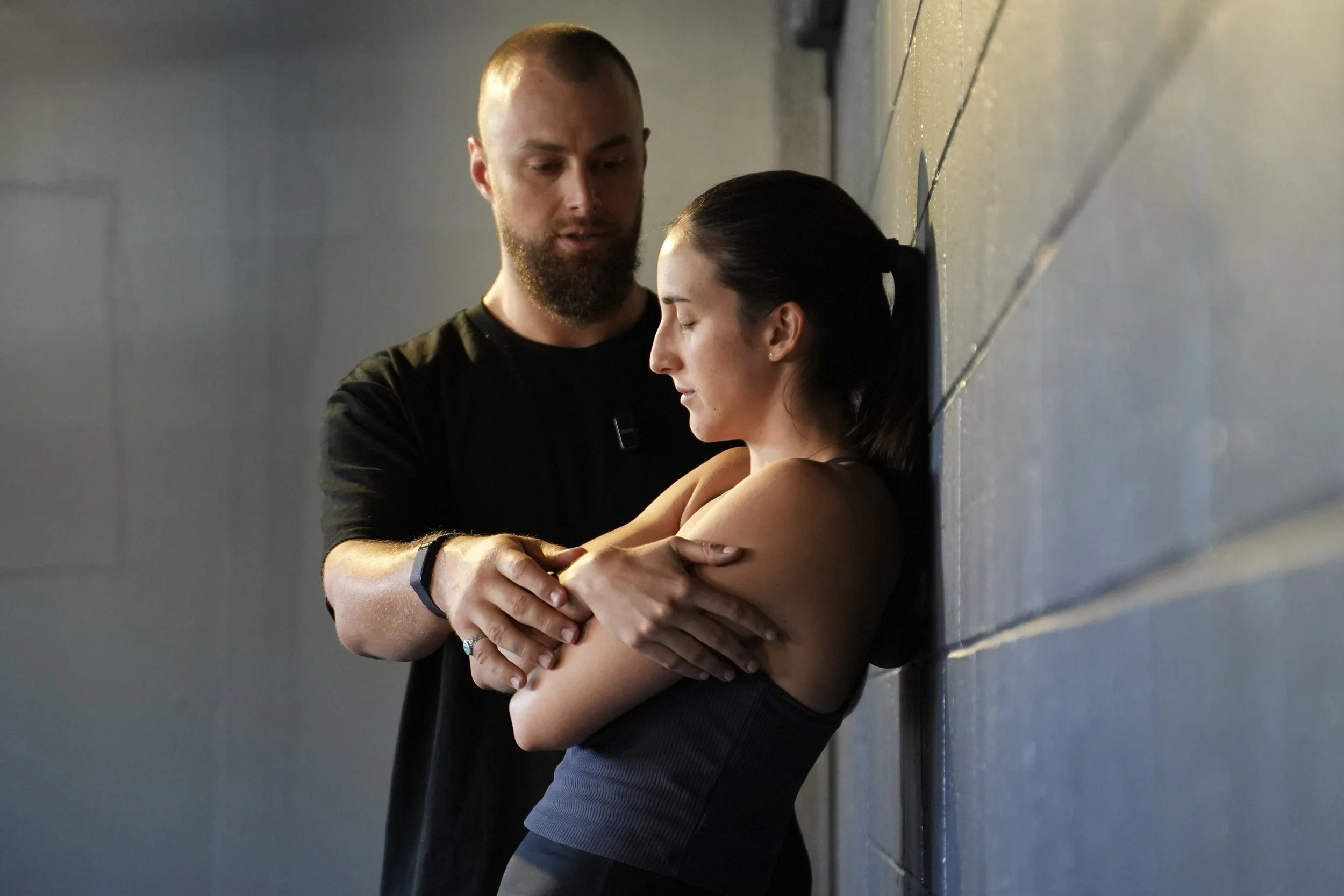
Functional testing to assess and identify underlying factors contributing to your symptoms.
Recovery Plan:
A tailored approach for working on your specific needs, including personalised exercise prescription.
Treatment:
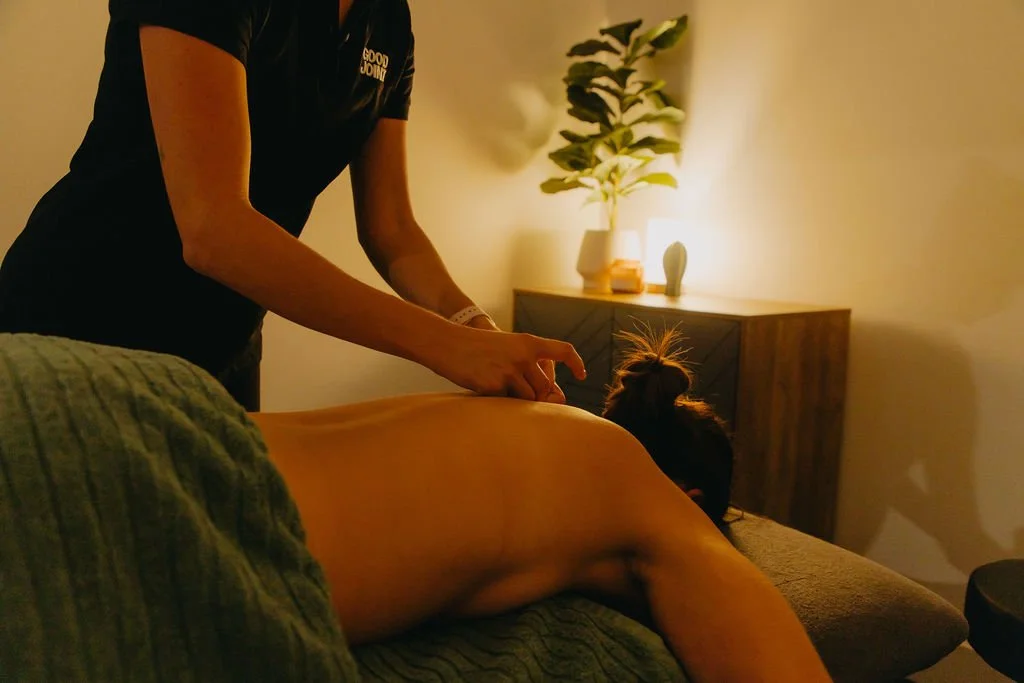
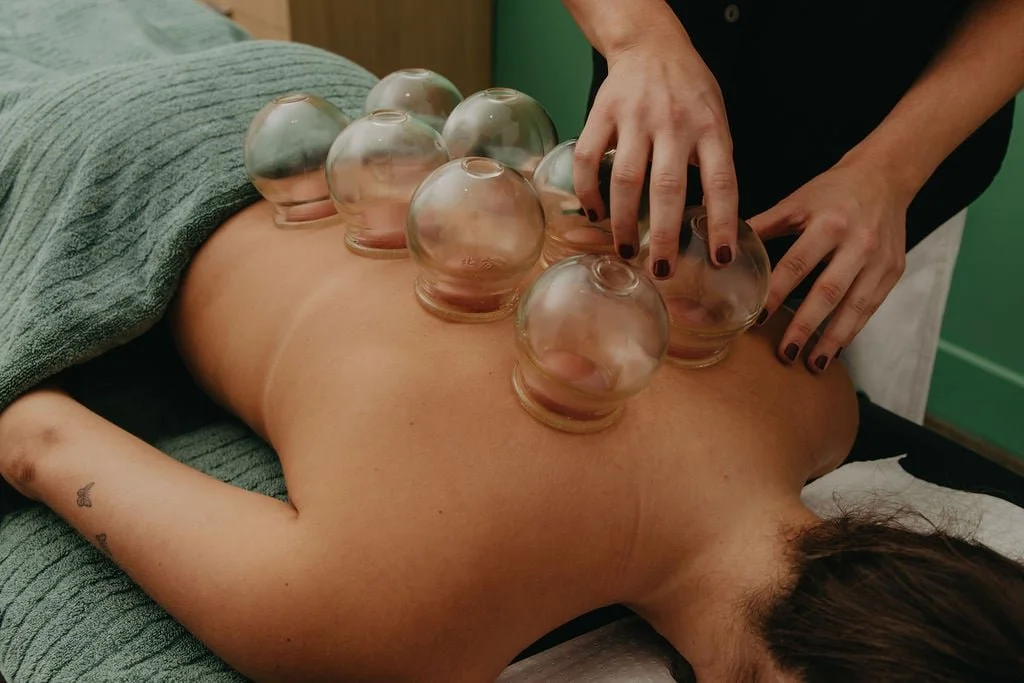
Hands-on treatment including active release, soft tissue work, and dry needling for fast relief.
Conditions We Commonly See in Children & Adolescents
Osgood-Schlatter Disease
Osgood-Schlatter is a common cause of knee pain in active children and adolescents, particularly during growth spurts. It involves irritation at the tibial tuberosity where the patellar tendon attaches, driven by the pulling force of the quadriceps during rapid growth. Pain is felt just below the kneecap and worsens with running, jumping, and kneeling. Load management and quadriceps stretching are key components of management.
Sever's Disease
Sever's disease causes heel pain in growing children, typically between the ages of eight and fourteen. It involves irritation at the growth plate of the heel bone where the Achilles tendon attaches. Active children in sports involving running and jumping are most commonly affected. Treatment focuses on calf flexibility, load reduction, and footwear assessment.
Scheuermann's Kyphosis
Scheuermann's kyphosis is a developmental condition involving abnormal wedging of multiple thoracic vertebrae, leading to an increased forward curve in the mid-back. It is typically identified in adolescence and can cause mid-back pain, postural concerns, and reduced thoracic mobility. Physiotherapy and chiropractic care can help manage pain, improve posture, and support better spinal mechanics during development.
Growing Pains
Growing pains typically affect children between the ages of three and twelve and cause aching in the legs, particularly at night. While the exact cause is not fully understood, they are considered a normal part of development. Massage, stretching, and reassurance are the mainstays of management. If pain is present during the day, is localised to a specific area, or is associated with swelling, further assessment is recommended.
Postural Issues & Scoliosis Screening
Postural concerns in children, including mild scoliosis, rounded shoulders, and forward head posture from screen use, benefit from early assessment and intervention. Many postural patterns are highly responsive to treatment and exercise during childhood when the spine is still developing. Early identification also allows for appropriate monitoring and referral if needed.
If your child has been dealing with pain, postural changes, or a movement problem for more than a couple of weeks, an early assessment is always worthwhile. Many conditions in children are very manageable when identified at the right time, and catching them early makes a real difference to how quickly and completely they resolve.
Book Visit
Signs Your Child May Benefit From Assessment
Children do not always communicate pain in the same way adults do. They may slow down in sport, avoid certain movements, complain of tiredness, or show postural changes before describing specific pain. Recognising these signals early can lead to faster and more effective treatment.
If your child has been complaining of pain for more than a week or two, is limiting their activity, or you have noticed a postural or movement change, an assessment is worthwhile. Many childhood musculoskeletal conditions are straightforward to treat when identified early.
Book NowFrequently Asked Questions About Kids Physiotherapy & Chiropractic Care
Is chiropractic care safe for children?
Yes, when performed by a qualified practitioner experienced in treating children. Chiropractic techniques used for children are significantly different from those used for adults. Assessment and treatment is adapted to the child's age, size, and stage of development. Gentle mobilisation, soft tissue techniques, and exercise-based approaches are commonly used, with stronger techniques reserved for older adolescents where appropriate.
At what age can children start physiotherapy?
Physiotherapy can be appropriate for children of all ages, including infants, when indicated. For musculoskeletal conditions, school-age children and adolescents are the most common group seen in a clinical setting. Assessment and treatment is always tailored to the developmental stage of the child, and exercises are made age-appropriate and engaging.
What is the difference between growing pains and a real injury?
Growing pains typically occur at night, affect both legs, and resolve by morning without any specific area of tenderness. Pain that occurs during the day, is localised to a specific joint or bone, is associated with swelling or redness, limits activity, or does not resolve with rest should be properly assessed. These features may indicate a genuine injury, growth plate issue, or another condition requiring treatment.
Can physiotherapy help with scoliosis in children?
Yes. While physiotherapy cannot reverse structural scoliosis, it can improve spinal mobility, reduce associated muscle imbalances, support better posture, and help manage any pain related to the curve. Specific scoliosis exercise programs such as SEAS or Schroth-based approaches have good evidence in managing mild to moderate curves. Regular monitoring is also important to ensure the curve is not progressing.
How do I know if my child needs to see a physio or a chiropractor?
Both disciplines can help with many childhood musculoskeletal conditions. Physiotherapy tends to focus on rehabilitation, exercise, and load management, making it particularly suited to sports injuries and growth-related conditions. Chiropractic care focuses on joint assessment and gentle mobilisation of the spine and joints, which can be helpful for postural concerns, back pain, and neck stiffness. At The Good Joint, our practitioners work together to make sure your child sees whoever is best suited to their specific needs.