Concussion & Balance Rehabilitation Gold Coast
Concussion is a brain injury. It requires proper assessment, appropriate rest, and a structured graduated return to activity under clinical guidance - not simply waiting for symptoms to pass.
Whether you have sustained a concussion in sport, a car accident, a fall, or a workplace incident, our team provides evidence-based concussion assessment, vestibular and oculomotor rehabilitation, and structured return-to-activity protocols that ensure you recover fully before returning to risk.
Book Now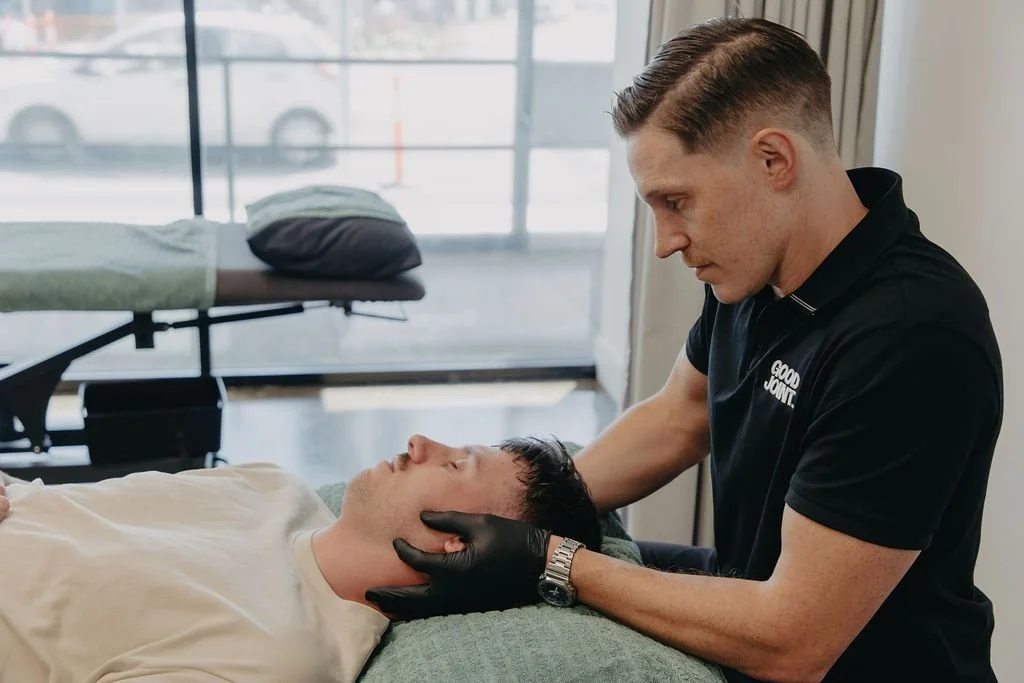
Concussion Is More Than a Headache
What Happens in a Concussion
A concussion involves a biomechanical force transmitted to the brain that disrupts neurological function without necessarily causing structural damage visible on standard imaging. It produces a neurometabolic cascade of events including ionic flux, neurotransmitter disturbance, and metabolic dysfunction that underlies the spectrum of symptoms. These changes typically resolve over days to weeks in most adults, but require appropriate management to do so safely.
Vestibular & Oculomotor Involvement
A significant proportion of concussion symptoms including dizziness, balance impairment, and visual disturbance involve the vestibular and oculomotor systems. Specific assessment of eye tracking, convergence, saccades, gaze stability, and vestibular ocular reflex identifies the specific system impairments driving these symptoms. Targeted vestibular and vision rehabilitation, rather than rest alone, produces significantly faster recovery in presentations with these features.
Graduated Return to Activity
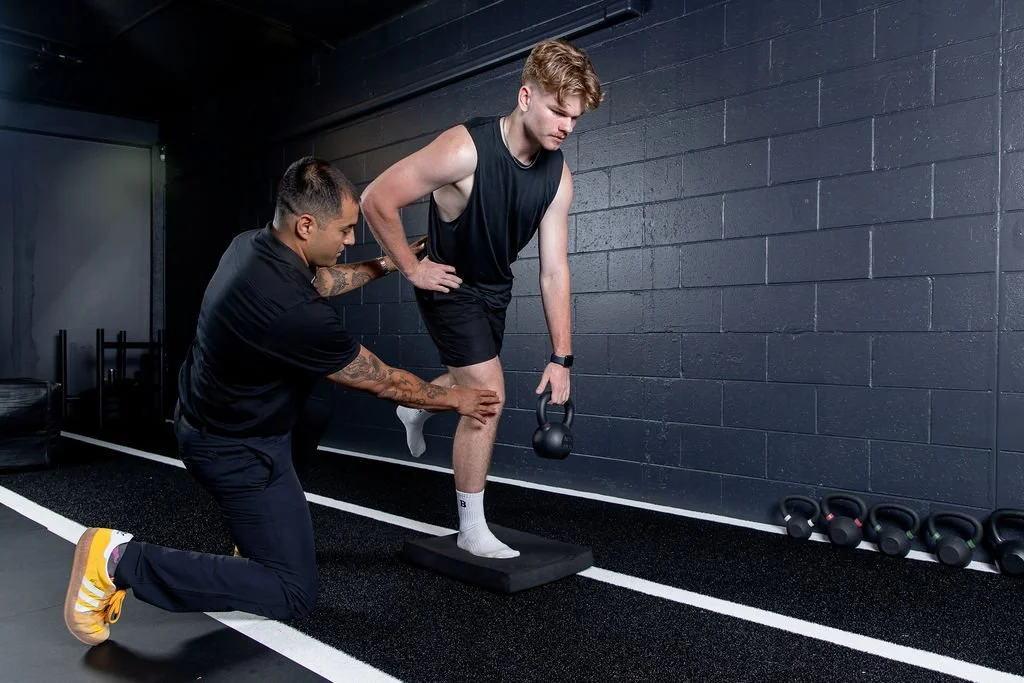
Evidence-based concussion management uses a structured graduated return-to-learn and return-to-sport protocol. Each stage must be completed symptom-free before progression. Attempts to accelerate the return to sport before completing this process significantly increase the risk of second-impact syndrome and prolonged recovery. Our team guides this process with clear criteria at each stage.
At The Good Joint our practitioners provide comprehensive concussion assessment and rehabilitation including vestibular and oculomotor therapy, and clear clinical documentation for return-to-sport clearance.
Book Visit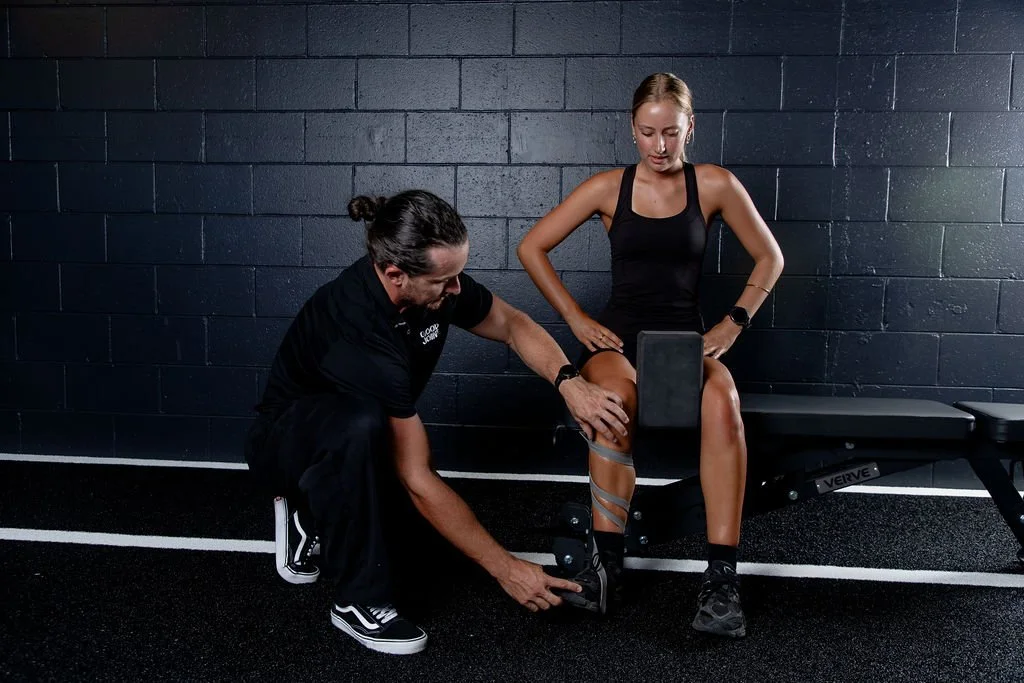
WHAT TO EXPECT DURING YOUR FIRST VISIT
Discussion:
A brief chat about what's brought you in and how it has been impacting your lifestyle.
Physical Assessment:
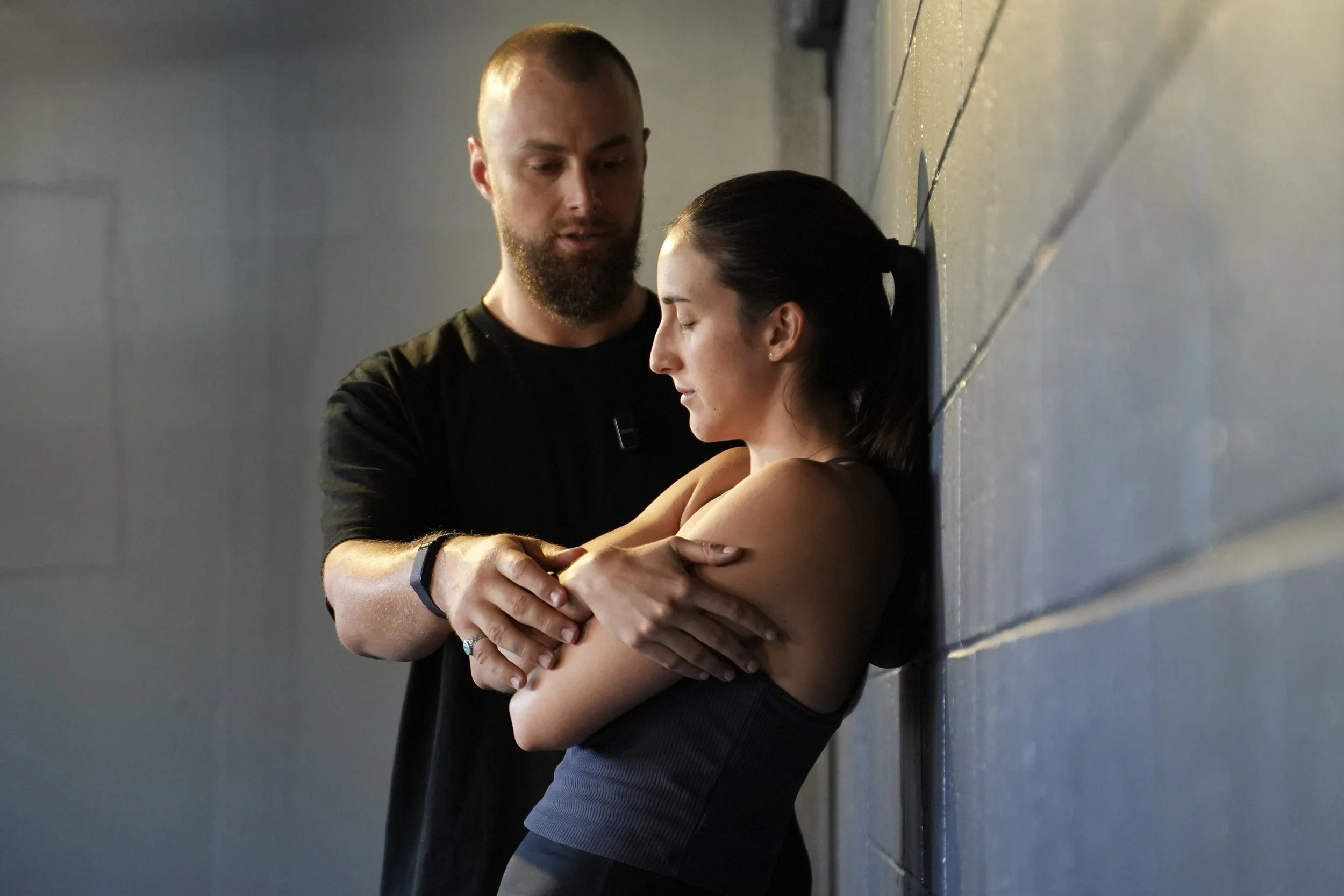
Functional testing to assess and identify underlying factors contributing to your symptoms.
Recovery Plan:
A tailored approach for working on your specific needs, including personalised exercise prescription.
Treatment:
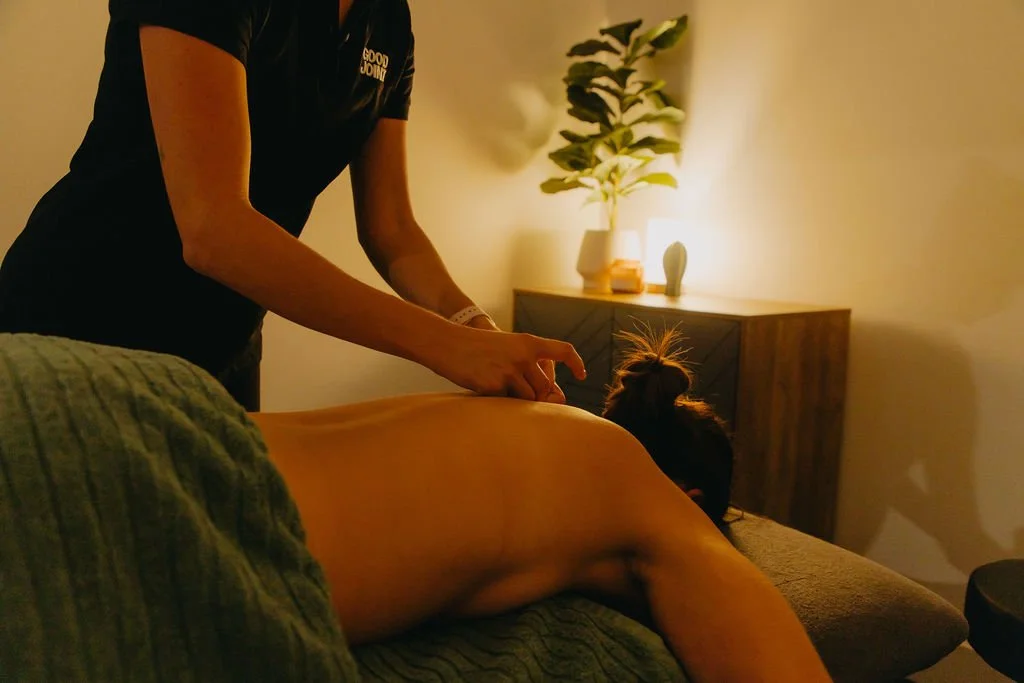
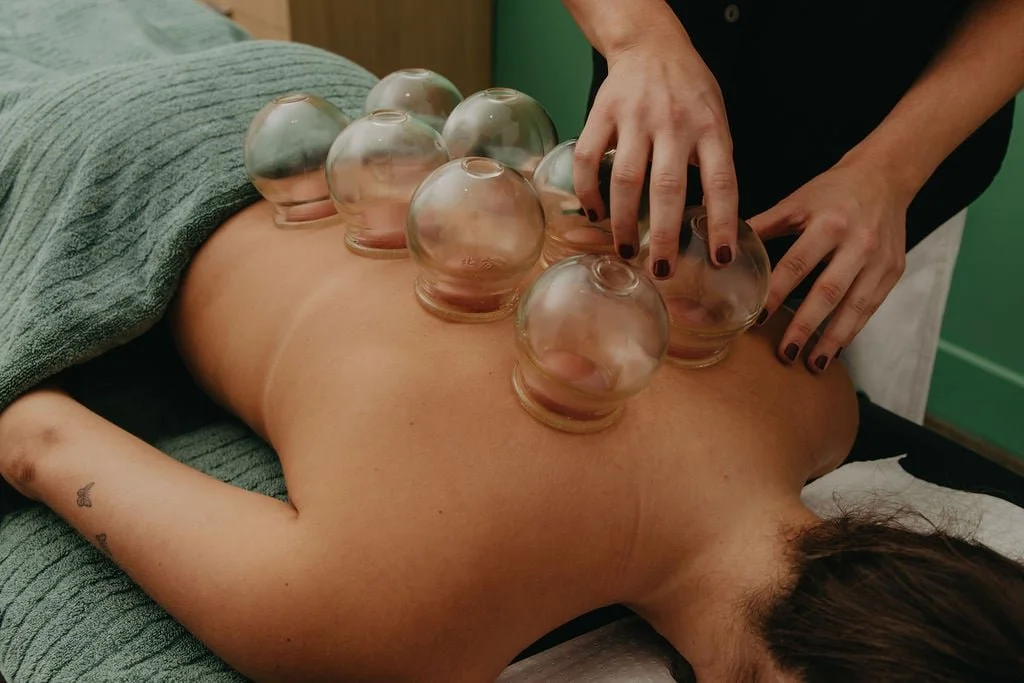
Hands-on treatment including active release, soft tissue work, and dry needling for fast relief.
Aspects of Concussion We Assess & Treat
Initial Concussion Assessment
Comprehensive concussion assessment includes symptom inventory, cognitive screening, balance testing, vestibular assessment, and oculomotor evaluation. Baseline comparisons where available improve the sensitivity of assessment. Identifying the specific symptom domains affected - somatic, cognitive, emotional, and sleep-related - guides the rehabilitation priorities and expected recovery timeline for the individual.
Vestibular Rehabilitation
Dizziness, imbalance, and motion sensitivity following concussion frequently involve vestibular system dysfunction. Vestibular rehabilitation uses specific head and eye movement exercises, gaze stabilisation training, and habituation manoeuvres to retrain the vestibular system and reduce these symptoms. Evidence strongly supports vestibular physiotherapy as an effective intervention for post-concussion vestibular impairment.
Oculomotor Rehabilitation
Eye tracking, convergence, accommodation, and saccadic eye movement deficits are present in a significant proportion of concussion cases and contribute to headaches, visual fatigue, and difficulty reading. Targeted oculomotor rehabilitation exercises directly address these deficits and produce measurable improvement in visual function and reduction in associated symptoms.
Cervical Spine Assessment
The cervical spine is frequently involved in concussive events, particularly when the mechanism involves whiplash forces. Cervicogenic symptoms including headache, neck pain, and dizziness can overlap with and perpetuate concussion symptoms. Assessing and treating the cervical spine as part of a comprehensive concussion management plan is a standard component of evidence-based practice.
Graduated Return-to-Sport Protocol
The International Consensus Statement on Concussion in Sport provides a six-stage graduated return-to-sport protocol moving from complete rest through light aerobic exercise, sport-specific exercise, non-contact training, full-contact training, and return to competition. Each stage requires symptom freedom before progression. We guide this process, monitor symptom response to each stage, and provide the necessary medical documentation for clearance.
Concussion that is properly assessed and managed with evidence-based rehabilitation resolves faster and more completely than concussion that is rested and left to self-resolve. Getting the right assessment in place promptly is the most important step.
Book Visit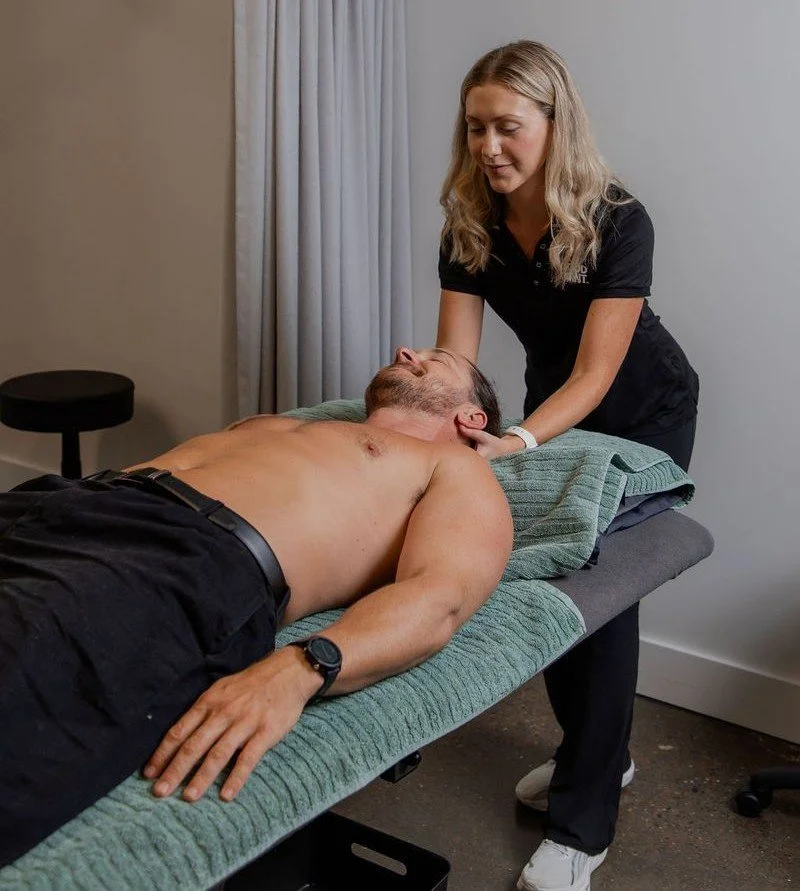
Common Post-Concussion Symptoms
Concussion produces a broad range of symptoms across neurological, cognitive, emotional, and physical domains. Many of these can persist beyond the expected acute recovery period and require specific targeted treatment.
Post-concussion symptoms that persist beyond two to four weeks require a more thorough assessment to identify the specific systems involved and target rehabilitation accordingly. Prolonged concussion is treatable in most cases with appropriate intervention.
Book NowFrequently Asked Questions About Concussion
How long does concussion take to recover?
Most sports-related concussions in adults resolve within seven to fourteen days with appropriate management. In adolescents, recovery takes longer, typically two to four weeks. Post-concussion syndrome, where symptoms persist beyond one month, occurs in approximately fifteen to thirty percent of cases and involves additional complexity requiring specific rehabilitation. Vestibular symptoms, oculomotor dysfunction, and cervical spine involvement are the most common drivers of prolonged recovery and respond well to targeted rehabilitation.
Can I return to sport with a concussion?
No, not until fully recovered and medically cleared. Returning to contact sport before symptoms have resolved and the graduated return-to-sport protocol is complete significantly increases the risk of second-impact syndrome, a potentially catastrophic condition where a second concussive injury occurs before the first has fully healed. Our practitioners provide the clinical assessment and documentation required for safe return-to-sport clearance.
What is post-concussion syndrome?
Post-concussion syndrome refers to a cluster of concussion symptoms that persist beyond one month following the injury. It affects a minority of people with concussion and involves a complex interaction of neurological, vestibular, cervicogenic, oculomotor, and psychological factors. Targeted multimodal rehabilitation addressing each of the contributing systems produces good outcomes in most cases of post-concussion syndrome.
Does rest help concussion recovery?
Strict complete rest is no longer the recommended approach following the early acute phase. Current evidence supports a period of relative rest for the first twenty-four to forty-eight hours followed by gradual reintroduction of cognitive and physical activity below the symptom threshold. Sub-symptom-threshold aerobic exercise is associated with faster recovery and is now a standard component of concussion rehabilitation from early in the recovery process.
When should I go to emergency after a head injury?
Seek emergency care immediately if there is loss of consciousness for more than one minute, seizure activity, repeated vomiting, severe or worsening headache, clear fluid from the nose or ears, unequal pupils, increasing confusion, or weakness or numbness in the limbs. These are red flag signs that require immediate neurological assessment and should not be managed with rest at home.