Dry Needling Therapy Gold Coast
Dry needling is an evidence-informed technique using fine acupuncture needles inserted directly into myofascial trigger points and muscle tissue to reduce pain, release muscle tension, and support recovery from injury.
Whether you are dealing with persistent muscle tightness, referred pain from trigger points, chronic pain that has not responded fully to hands-on treatment alone, or sports injury recovery, dry needling at The Good Joint is delivered by qualified practitioners as part of an integrated treatment approach.
Book Now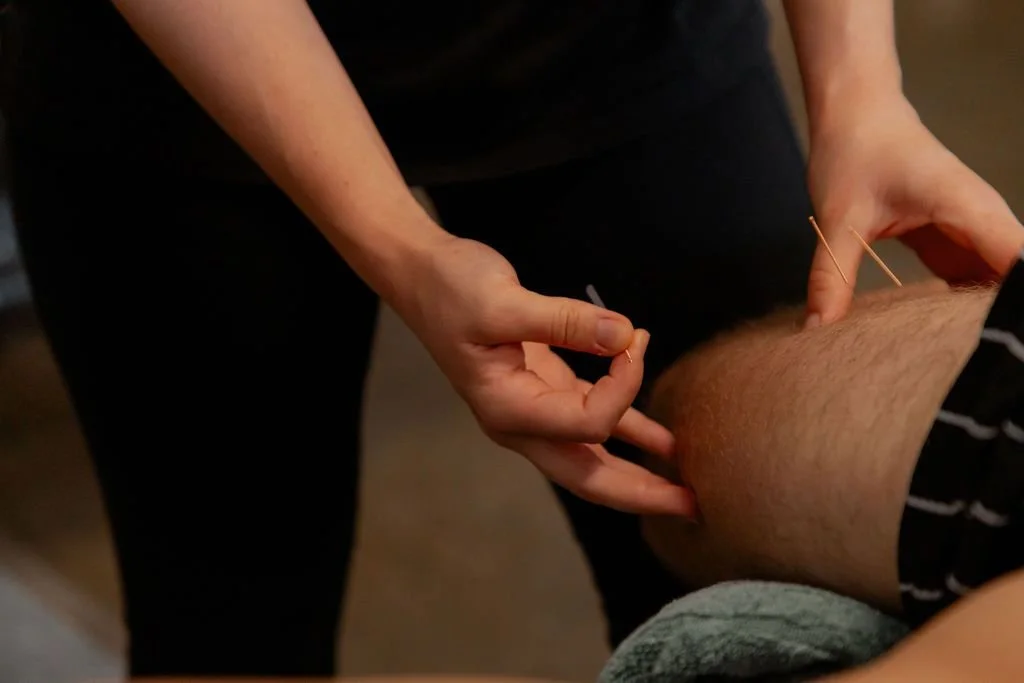
How Dry Needling Works
The Trigger Point Mechanism
Myofascial trigger points are hyperirritable spots within a muscle — palpable as a taut band or nodule — that produce both localised tenderness and referred pain when compressed or needled. Dry needling directly deactivates these trigger points by disrupting the dysfunctional motor endplate activity within the muscle, producing relaxation of the taut band and reduction of the associated referred pain pattern. The needle insertion provokes a local twitch response in the muscle, which is the therapeutic mechanism.
Neurological Effects of Dry Needling
Beyond the direct mechanical effect on trigger points, dry needling has measurable neurological effects. It activates descending pain inhibitory pathways in the spinal cord, stimulates the release of endogenous opioids including enkephalins and beta-endorphins, reduces peripheral sensitisation around the trigger point, and improves local circulation and tissue oxygenation. These combined effects explain why dry needling can produce pain relief in areas beyond the immediate needling site.
Dry Needling as Part of an Integrated Approach
Dry needling produces its best results as a component of a broader treatment plan rather than in isolation. By reducing pain and muscle tension, it allows joint mobilisation, exercise, and movement retraining to be performed more effectively and with greater comfort. At The Good Joint, dry needling is integrated into physiotherapy, chiropractic, and osteopathic treatment plans where it is clinically indicated, not offered as a standalone passive treatment.
At The Good Joint, dry needling is delivered by trained and qualified practitioners using sterile single-use needles as part of a comprehensive treatment approach tailored to your specific condition and goals.
Book Visit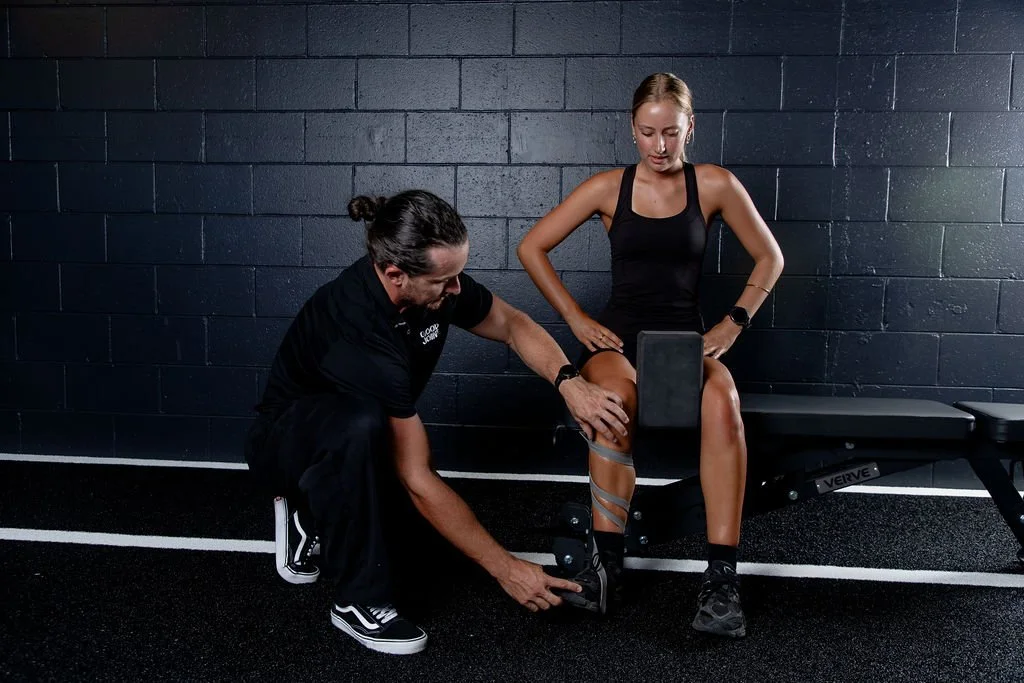
WHAT TO EXPECT DURING YOUR FIRST VISIT
Discussion:
A brief chat about what's brought you in and how it has been impacting your lifestyle.
Physical Assessment:
Functional testing to assess and identify underlying factors contributing to your symptoms.
Recovery Plan:
A tailored approach for working on your specific needs, including personalised exercise prescription.
Treatment:
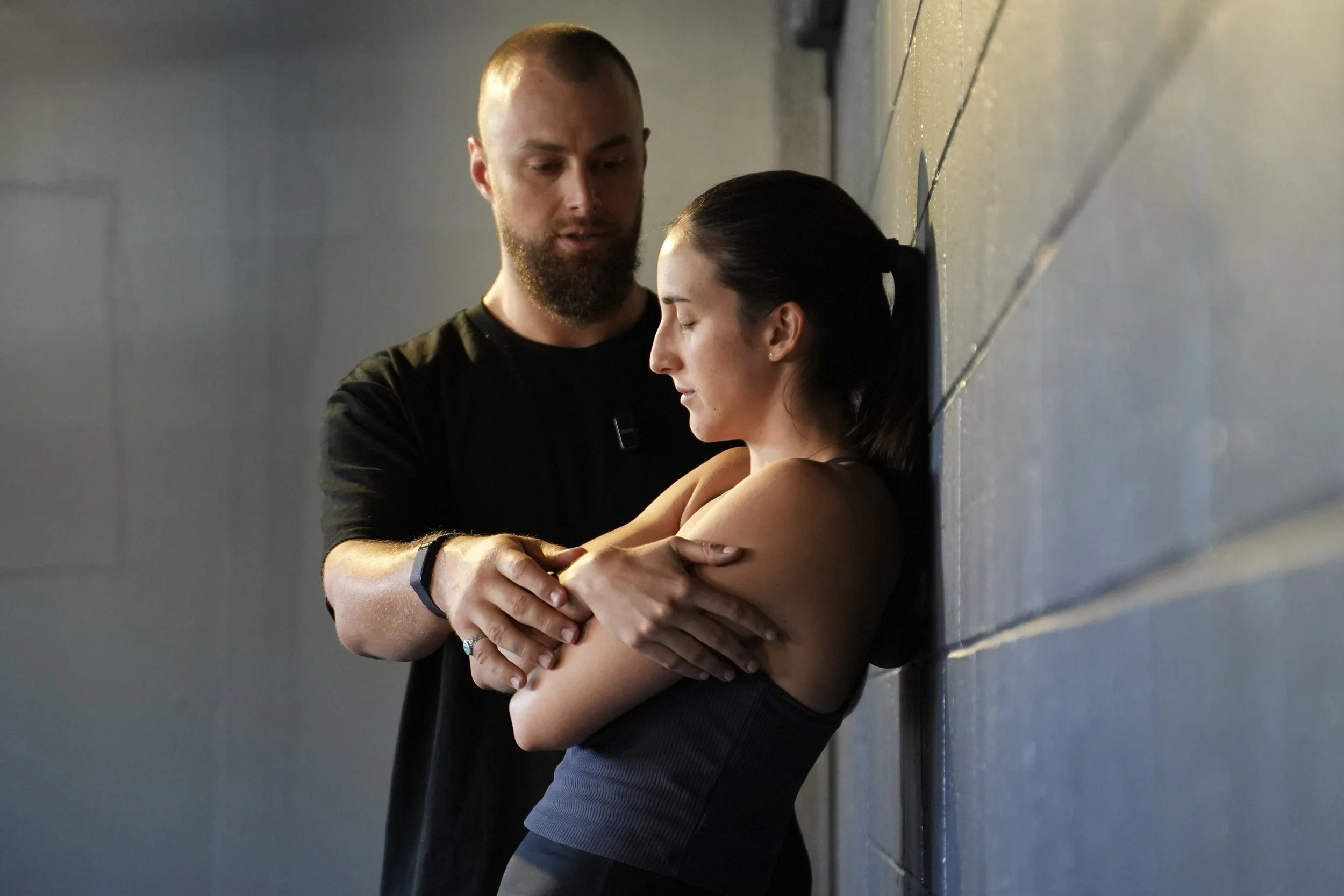
Hands-on treatment including active release, soft tissue work, and dry needling for fast relief.
Conditions Where Dry Needling Is Commonly Used
Myofascial Pain & Trigger Points
The primary indication for dry needling is the presence of active myofascial trigger points producing localised and referred pain. Common sites include the upper trapezius producing headaches and neck pain, the infraspinatus producing shoulder and arm pain, the gluteals producing buttock and hip pain, and the calf producing lower leg pain. Deactivating these trigger points often produces immediate and significant pain relief.
Neck Pain & Tension Headaches
Trigger points in the upper cervical and suboccipital musculature are among the most common sources of tension-type headaches and chronic neck pain. Dry needling directly into these muscles, combined with cervical joint mobilisation and postural rehabilitation, produces significantly faster resolution of headache frequency and cervicogenic neck pain than manual therapy alone.
Lower Back & Gluteal Pain
The paraspinal muscles, quadratus lumborum, and gluteal muscles all commonly harbour trigger points that contribute to lower back pain, buttock pain, and referred leg symptoms. Dry needling these structures as part of a comprehensive lower back management program reduces pain and improves mobility, allowing the active rehabilitation component of treatment to be more effective.
Sports Injury Rehabilitation
Dry needling is widely used in elite sports medicine to accelerate recovery from muscle strains, reduce post-exercise muscle soreness, restore normal muscle activation patterns following injury, and improve range of motion during sports rehabilitation. It is used alongside physiotherapy, soft tissue work, and progressive loading to support faster and more complete recovery from sporting injuries.
Chronic Pain & Sensitised Tissues
In people with chronic pain, muscles and fascial tissues frequently develop secondary trigger points from the altered movement patterns and muscle guarding associated with longstanding pain. Dry needling these secondary contributors reduces peripheral sensitisation and improves the neurological environment for rehabilitation. In complex chronic pain presentations, it is most effective as part of a multimodal approach that also addresses central sensitisation.
Dry needling integrated into a comprehensive treatment plan is a valuable tool for reducing muscle pain and tension, accelerating recovery, and improving the effectiveness of rehabilitation exercises. Your practitioner will assess whether it is appropriate for your condition and explain exactly what to expect.
Book Visit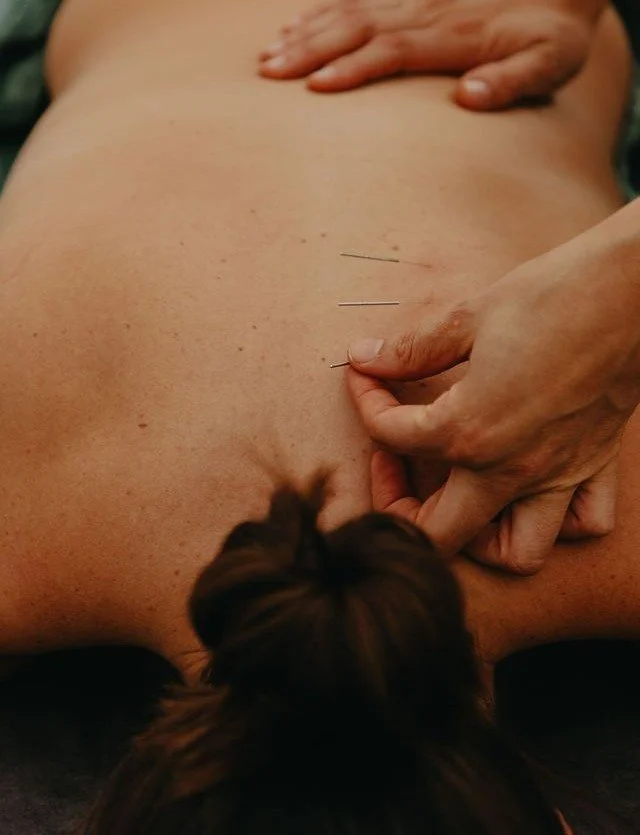
Who May Benefit From Dry Needling
Dry needling is suitable for a wide range of musculoskeletal presentations where myofascial trigger points are a contributing factor. Your practitioner will assess whether dry needling is appropriate for your specific condition at initial assessment.
Dry needling is not appropriate for everyone. Your practitioner will discuss whether it is suitable given your health history, medications, and specific presentation before proceeding. Informed consent is obtained before every dry needling session.
Book NowFrequently Asked Questions About Dry Needling
What is the difference between dry needling and acupuncture?
Both dry needling and acupuncture use fine acupuncture needles. The key difference is in the theoretical framework and treatment targets. Dry needling is based on Western anatomical and neurophysiological principles, targeting specific myofascial trigger points within identified muscles based on clinical assessment. Traditional acupuncture is based on traditional Chinese medicine principles, using specific acupuncture points along meridians to influence the flow of qi. Both produce neurological effects on pain pathways and can produce similar outcomes for certain conditions. At The Good Joint, dry needling is delivered within a Western clinical framework by physiotherapists, chiropractors, or osteopaths with specific dry needling training.
Does dry needling hurt?
The needle insertion itself is typically brief and mild. When a trigger point is needled, the local twitch response — a brief involuntary muscle contraction — may produce a momentary deep ache or cramping sensation. This is the normal therapeutic response and indicates deactivation of the trigger point. Most people find this sensation tolerable and brief. Post-needling muscle soreness, similar to delayed onset muscle soreness after exercise, can occur for twenty-four to forty-eight hours following treatment and is a normal response.
Is dry needling safe?
Yes, when performed by a trained and qualified practitioner using sterile single-use needles and appropriate clinical protocols. Adverse events are rare and typically minor, including local bruising, temporary soreness, or lightheadedness following treatment. Practitioners at The Good Joint use sterile, single-use acupuncture needles and follow clinical hygiene and safety protocols. You will be asked about your health history, medications, and any contraindications before dry needling is performed.
How many sessions of dry needling will I need?
Dry needling is not typically a standalone treatment requiring many sessions in isolation. As part of an integrated treatment plan, most presentations where trigger points are a significant contributor show meaningful improvement within two to four needling sessions. The overall treatment plan length depends on the complexity of the condition being managed rather than the dry needling specifically.
Who should not have dry needling?
Dry needling is not appropriate for people with a needle phobia, certain bleeding disorders or on anticoagulant medications, active infection or skin conditions at the proposed needling site, pregnancy in certain regions, or pacemakers in certain treatment areas. People who are immunocompromised or who have had certain surgical implants may also require modification or avoidance. Your practitioner will screen for all relevant contraindications before recommending dry needling as part of your treatment plan.