Pregnancy & Postpartum Support Gold Coast
Pregnancy and the postpartum period are among the most nutritionally demanding times in a woman's life, yet they are also among the most underserved by conventional medicine.
Whether you are looking for personalised nutritional support during pregnancy, navigating postpartum depletion, struggling with mood changes after birth, or wanting to recover your energy and hormonal balance after having a baby, our functional medicine practitioners provide evidence-informed support tailored to where you are right now.
Book Now
How Functional Medicine Supports Pregnancy & Postpartum
Nutritional Demands of Pregnancy
Pregnancy significantly increases the demand for nutrients including folate, iron, iodine, zinc, choline, omega-3 DHA, and vitamin D. Standard prenatal vitamins may not adequately address individual deficiencies or the higher demands of certain pregnancies. Personalised nutritional assessment and targeted supplementation ensures both mother and baby are well supported throughout each trimester.
Postpartum Depletion
Postpartum depletion is a state of nutritional, hormonal, and nervous system exhaustion that affects a significant proportion of new mothers, sometimes for years after birth. It is characterised by profound fatigue, brain fog, mood instability, anxiety, hair loss, and a sense of not recovering from pregnancy and birth. Functional medicine assessment identifies the specific deficiencies and hormonal patterns involved and builds a targeted restoration plan.
Postpartum Mood & Hormonal Shifts
The dramatic hormonal shift following birth, combined with sleep deprivation, nutritional depletion, and the demands of new parenthood, creates significant vulnerability to mood disorders. Postpartum anxiety and depression are more common than widely appreciated, and functional medicine approaches including nutritional support, thyroid assessment, and gut health evaluation can play an important complementary role alongside medical care.
At The Good Joint, we provide functional medicine support during pregnancy and postpartum that is personalised, evidence-informed, and delivered with genuine understanding of the unique demands of this period.
Book Visit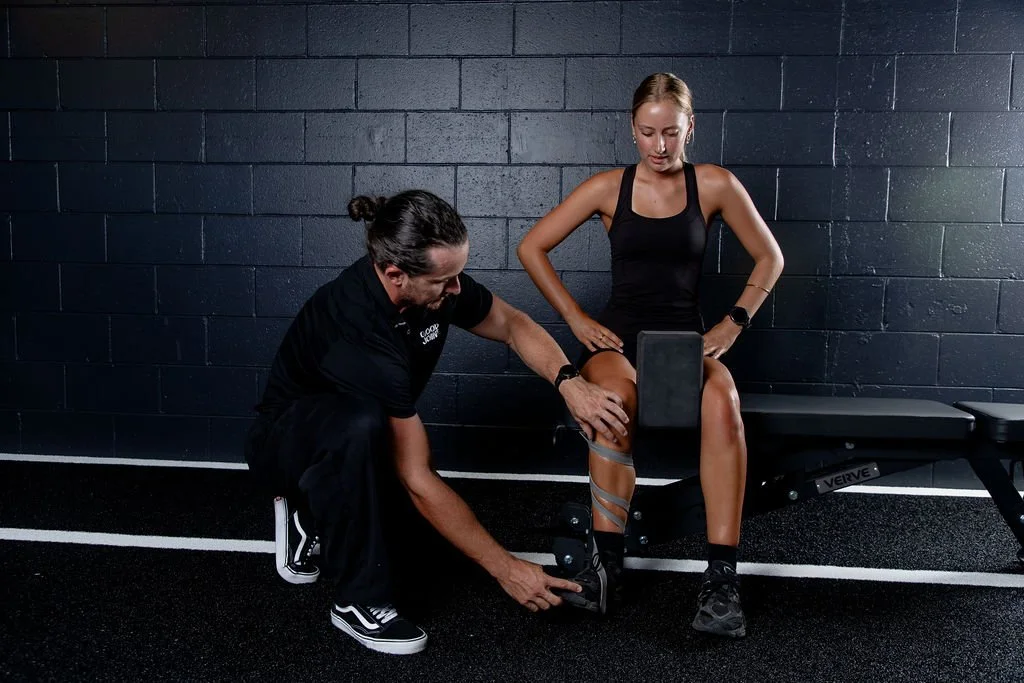
WHAT TO EXPECT DURING YOUR FIRST VISIT
Discussion:
A brief chat about what's brought you in and how it has been impacting your lifestyle.
Physical Assessment:
Functional testing to assess and identify underlying factors contributing to your symptoms.
Recovery Plan:
A tailored approach for working on your specific needs, including personalised exercise prescription.
Treatment:
Hands-on treatment including active release, soft tissue work, and dry needling for fast relief.
What We Investigate & Address
Nutritional Assessment & Optimisation During Pregnancy
Each trimester has different nutritional priorities. First trimester focuses on folate, B12, and nausea management. Second trimester increases demands for iron, calcium, and protein. Third trimester emphasises omega-3 DHA, vitamin D, and preparation for birth and breastfeeding. Personalised assessment identifies specific gaps and guides supplementation that goes beyond the standard prenatal formula.
Postpartum Nutritional Restoration
Birth is nutritionally depleting, and breastfeeding continues to draw on maternal nutrient reserves for as long as it continues. Iron, zinc, iodine, B12, vitamin D, and omega-3 fatty acids are among the nutrients most commonly depleted postpartum. Targeted testing and supplementation based on actual deficiencies, rather than assumptions, produces faster and more meaningful energy restoration.
Thyroid Function Postpartum
Postpartum thyroiditis affects a significant proportion of women in the year following birth. It can present as either overactive or underactive thyroid function and is frequently missed because symptoms overlap with normal postpartum fatigue and mood changes. TSH and thyroid antibody testing at the appropriate postpartum timepoints allows for early identification and management.
Postpartum Mood Support
Functional medicine approaches to postpartum mood include assessment of omega-3 status, which is directly linked to mood regulation, iron levels, thyroid function, and the gut microbiome, which influences neurotransmitter production. These are not replacements for medical or psychological care where needed, but they are meaningful and evidence-informed complementary strategies that can significantly support recovery.
Breastfeeding Nutritional Support
Breastfeeding increases nutritional demands above even pregnancy levels for many key nutrients. Supporting a well-nourished breastfeeding experience involves ensuring adequate caloric intake, key micronutrient sufficiency, hydration, and management of any supply concerns through targeted herbal and nutritional support where appropriate.
Pregnancy and the postpartum period place unique demands on the body that deserve more than generic advice and a one-size prenatal vitamin. A personalised functional medicine assessment provides the specific support your body actually needs at this stage of life, whether you are pregnant, newly postpartum, or still recovering years later.
Book Visit
Signs You May Benefit From Pregnancy or Postpartum Support
Many pregnancy and postpartum symptoms are normalised when they could be meaningfully addressed. Recognising them as signals worth investigating opens the door to effective support.
Postpartum depletion and pregnancy nutritional concerns are among the most responsive conditions to functional medicine intervention. The support available goes well beyond a generic prenatal vitamin, and the difference a personalised approach makes can be transformative.
Book NowFrequently Asked Questions About Pregnancy & Postpartum Functional Support
Is functional medicine safe during pregnancy?
Yes, when delivered by a qualified practitioner with experience in perinatal care. Functional medicine recommendations during pregnancy are evidence-based and tailored to what is appropriate at each stage of pregnancy. Supplementation is chosen carefully to avoid anything contraindicated in pregnancy, and the practitioner works collaboratively with the obstetric team where relevant.
What is postpartum depletion?
Postpartum depletion is a term coined by Dr Oscar Serrallach to describe the state of nutritional, hormonal, and nervous system exhaustion that affects many mothers, sometimes for years after birth. It is characterised by fatigue, brain fog, mood instability, anxiety, hair loss, low libido, and a general sense of not recovering. It is driven by the combination of nutritional depletion from pregnancy and breastfeeding, sleep deprivation, and the hormonal shifts of the postpartum period. Functional medicine assessment identifies the specific factors involved and builds a targeted restoration plan.
How long does postpartum recovery take with functional medicine support?
This depends on how depleted the individual is and how long the depletion has been present. Most women begin to notice meaningful improvement in energy and mood within four to eight weeks of beginning a targeted nutritional protocol. More significant depletion that has been present for months or years may take three to six months of consistent support to resolve fully.
Can supplements help with postpartum mood?
Yes, as part of a comprehensive approach. Omega-3 DHA is well supported by research for postpartum mood. Iron deficiency, which is common postpartum, is a significant driver of fatigue and mood changes. Thyroid dysfunction, gut microbiome imbalance, and vitamin D deficiency all influence mood. A functional assessment identifies which of these factors are relevant and guides supplementation accordingly. This works best alongside social support, sleep where possible, and medical care for significant depression or anxiety.
When should I start postpartum nutritional support?
Ideally as early as possible after birth, but it is never too late to start. Many mothers seek functional medicine support months or years postpartum when they still do not feel like themselves. Regardless of how long ago the birth was, a functional assessment can identify current deficiencies and hormonal patterns and build a plan to support restoration of energy, mood, and wellbeing.