Frozen Shoulder Treatment Gold Coast
Frozen shoulder, or adhesive capsulitis, involves a gradual thickening and tightening of the shoulder joint capsule that progressively restricts movement in all directions.
Whether you are in the early painful phase, the freezing phase with progressive stiffness, or the thawing phase beginning to recover range, treatment at each stage differs. Our physiotherapists, chiropractors, and osteopaths assess where you are in the process and provide appropriate manual therapy and exercise to restore movement as efficiently as possible.
Book Now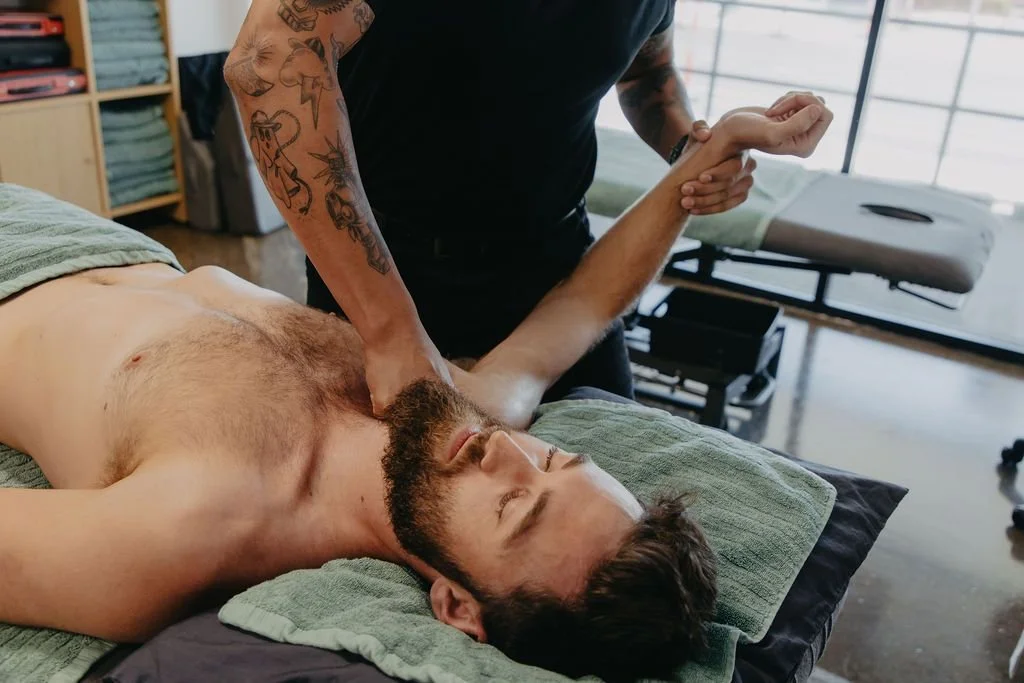
Understanding Frozen Shoulder
Three Phases of Adhesive Capsulitis
Frozen shoulder progresses through three recognisable stages. The freezing phase involves increasing pain and stiffness, often worse at night, over two to nine months. The frozen phase involves maximum restriction with reduced pain, lasting four to twelve months. The thawing phase involves gradual spontaneous recovery of range over five to twenty-four months. Treatment approach is tailored to the specific phase and can significantly shorten the overall duration.
Why the Capsule Tightens
The shoulder joint capsule becomes inflamed, fibrotic, and contracted in frozen shoulder. The exact trigger is not always clear, but it is associated with diabetes, thyroid dysfunction, prolonged immobilisation, and previous shoulder injury or surgery. In many cases it arises spontaneously. The inferior capsular fold and the rotator interval are the primary sites of contracture, and restoring movement here is the focus of manual treatment.
Manual Therapy & Exercise Approach
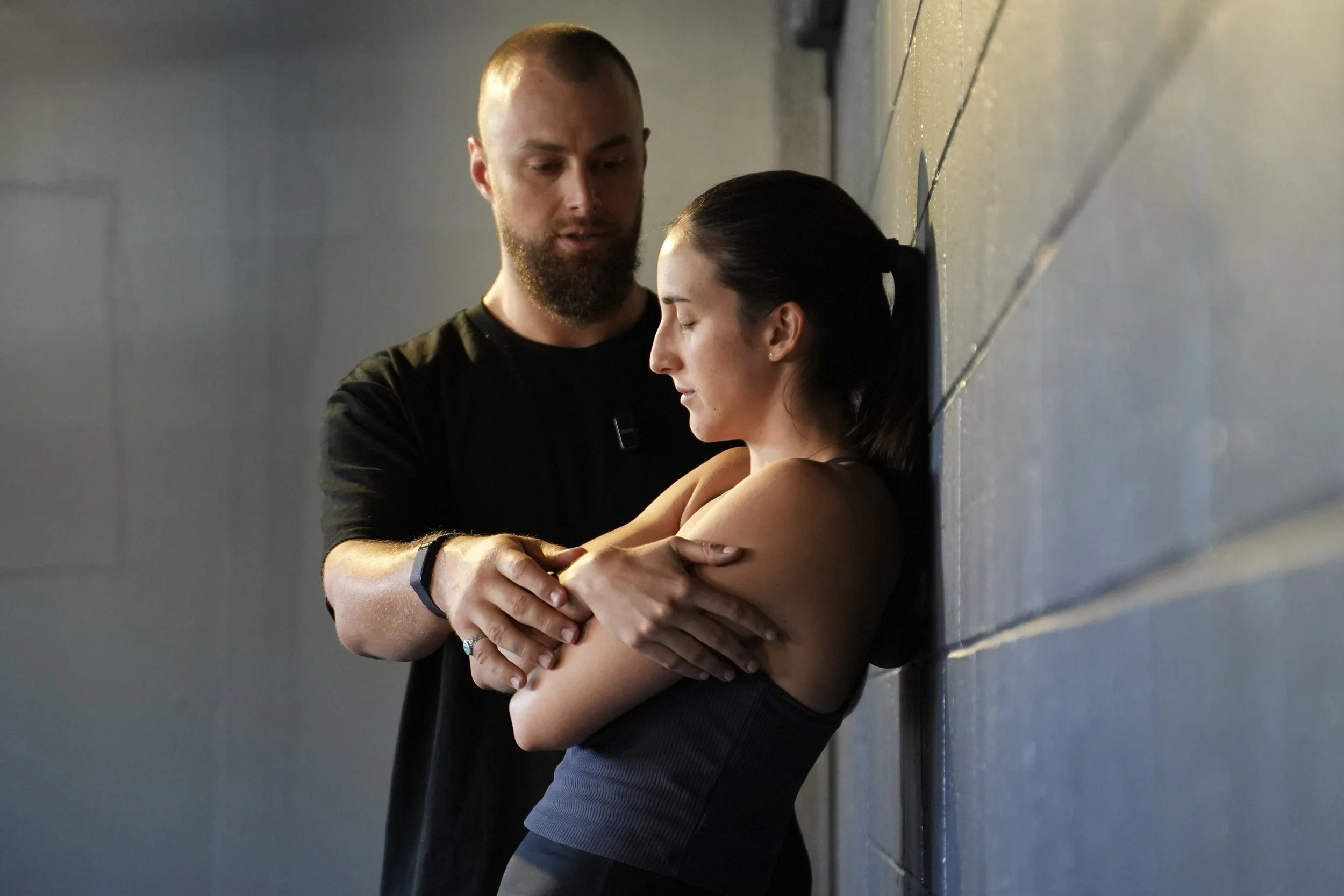
Physiotherapy, osteopathy, and chiropractic care in frozen shoulder focus on joint mobilisation to stretch the contracted capsule, soft tissue work to address surrounding muscle guarding, and progressive home exercise to maintain and extend any range gains. Treatment intensity is calibrated to the phase - aggressive mobilisation in the freezing phase worsens pain and may worsen outcomes, while appropriate progressive loading in the thawing phase accelerates recovery.
At The Good Joint our team assesses your shoulder carefully, determines which phase of frozen shoulder you are in, and applies the most appropriate treatment to shorten your recovery without worsening inflammation.
Book Visit
WHAT TO EXPECT DURING YOUR FIRST VISIT
Discussion:
A brief chat about what's brought you in and how it has been impacting your lifestyle.
Physical Assessment:
Functional testing to assess and identify underlying factors contributing to your symptoms.
Recovery Plan:
A tailored approach for working on your specific needs, including personalised exercise prescription.
Treatment:
Hands-on treatment including active release, soft tissue work, and dry needling for fast relief.
Causes & Contributing Factors
Idiopathic Adhesive Capsulitis
The most common form of frozen shoulder arises without a clear precipitating event and is driven by a poorly understood inflammatory and fibrotic process in the joint capsule. It disproportionately affects women in their forties to sixties and the non-dominant shoulder. The natural history involves gradual recovery over one to three years, but appropriate treatment significantly shortens the timeline and improves the degree of recovery.
Diabetes & Metabolic Association
Diabetes increases the risk of frozen shoulder by approximately three to five times compared to the general population. The mechanism involves the effects of elevated blood glucose on collagen structure and the inflammatory response in connective tissue. People with diabetes tend to have more severe and prolonged frozen shoulder, and blood glucose management is an important part of the overall treatment approach in this group.
Post-Injury & Post-Surgical Frozen Shoulder
Secondary frozen shoulder develops following a shoulder injury, rotator cuff repair, or other shoulder surgery when prolonged rest and immobilisation allows the capsule to contract. Early mobilisation following shoulder surgery is specifically designed to prevent this complication. When it does develop, treatment principles are the same as idiopathic frozen shoulder, though awareness of any surgical repair must inform the intensity of mobilisation.
Thyroid Dysfunction
Thyroid dysfunction, both hypothyroidism and hyperthyroidism, is associated with increased risk of frozen shoulder. The mechanism is thought to involve altered connective tissue metabolism and the inflammatory environment created by thyroid hormone dysregulation. Where frozen shoulder is resistant to treatment or recurs, thyroid function assessment is worthwhile.
Cervical Spine Contribution
Cervical joint stiffness and referred pain from the lower cervical spine can contribute to altered shoulder mechanics and muscle guarding that maintains capsular restriction. Assessing and treating the cervical spine and thoracic mobility alongside the shoulder itself is a standard component of comprehensive frozen shoulder management.
Frozen shoulder is a frustrating condition but one that responds well to appropriate treatment. Understanding where you are in the process and applying the right intervention at the right intensity at each stage makes a significant difference to both the duration and the degree of your recovery.
Book Visit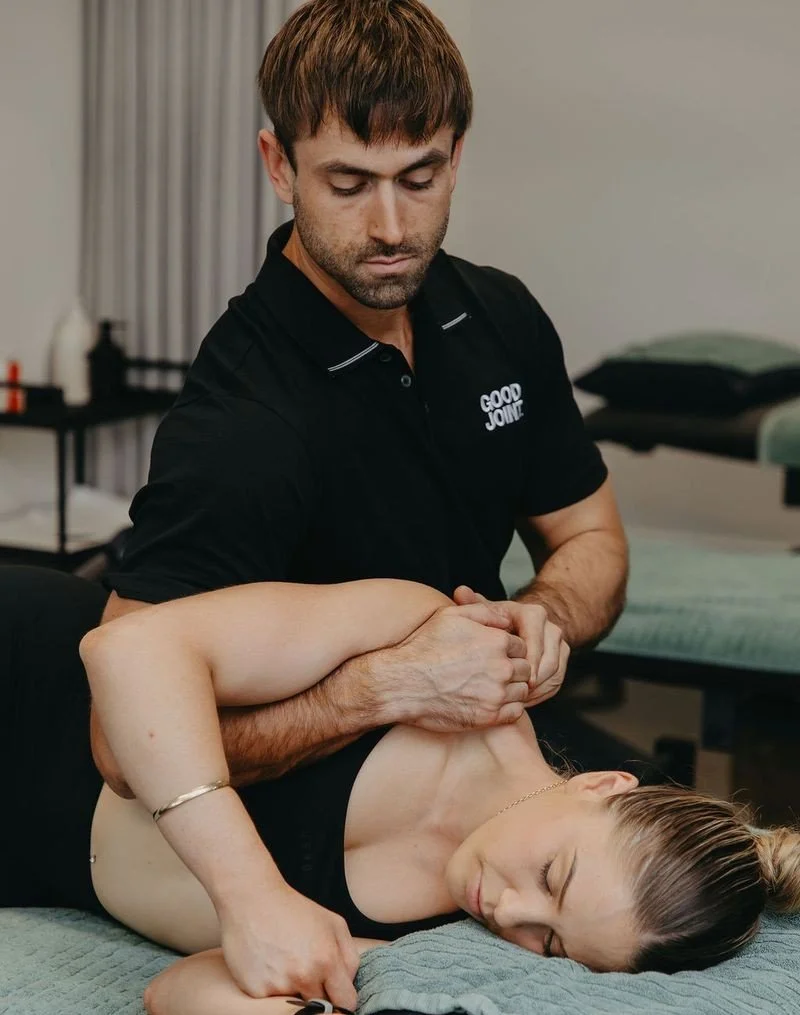
Signs & Symptoms of Frozen Shoulder
Frozen shoulder produces a distinct pattern of restriction that differentiates it from rotator cuff injury and other shoulder conditions. The loss of external rotation and abduction in a specific capsular pattern is the defining clinical feature.
Frozen shoulder that is left untreated still resolves in most cases but can take up to three years. Treatment shortens the timeline, reduces pain during the process, and in many cases achieves a more complete recovery of range.
Book NowFrequently Asked Questions About Frozen Shoulder
Will frozen shoulder resolve on its own?
Yes, frozen shoulder is a self-limiting condition in most cases and will resolve without treatment over one to three years. However, the recovery is often incomplete, leaving some residual restriction, and the time spent with significant pain and disability during the freezing and frozen phases is lengthy. Treatment significantly shortens the duration of all three phases, reduces pain, and typically achieves a more complete recovery of range. Waiting it out is an option but rarely the optimal one.
Does physiotherapy hurt with frozen shoulder?
During the freezing phase, when inflammation is active, aggressive mobilisation can worsen pain and potentially worsen the condition. During this phase treatment is gentler, focusing on pain management and preventing further stiffness. During the thawing phase, more progressive stretching and mobilisation is appropriate and may produce some discomfort that is proportional to the treatment effect. A skilled practitioner calibrates the treatment intensity to the phase and your individual response.
Is a steroid injection helpful?
Corticosteroid injection can provide meaningful short-term pain relief and may help shorten the freezing phase when administered early. Its effect on the overall duration and final degree of recovery is more modest. For people in significant pain during the freezing phase it can make rehabilitation more comfortable and is a reasonable option to discuss with your GP. It works best as a complement to physiotherapy rather than a standalone treatment.
Can frozen shoulder come back?
Recurrence in the same shoulder is rare. However, contralateral frozen shoulder occurs in approximately fifteen to twenty percent of cases, typically arising independently in the other shoulder some years after the first episode. The second episode tends to be shorter and less severe than the first.
How many sessions will I need?
This depends on the phase and severity. During the freezing phase, sessions focus on pain management and gentle range maintenance, often fortnightly. During the thawing phase, more intensive mobilisation may be beneficial weekly. Most people benefit from a course of eight to twelve sessions spread over three to six months, with a home program maintaining progress between visits. Regular reassessment guides the pace and intensity of treatment throughout.