Functional Movement Screening & Assessment Gold Coast
A functional movement screening and assessment is the most efficient way to identify the specific movement restrictions, strength deficits, and compensatory patterns that are driving injury risk or limiting performance.
Whether you are an athlete wanting to move better and train smarter, someone returning from injury who wants to ensure full function before returning to sport, or a person who keeps getting the same injury and wants to understand why, The Good Joint provides a thorough functional movement assessment and a targeted program based on exactly what it finds.
Book Now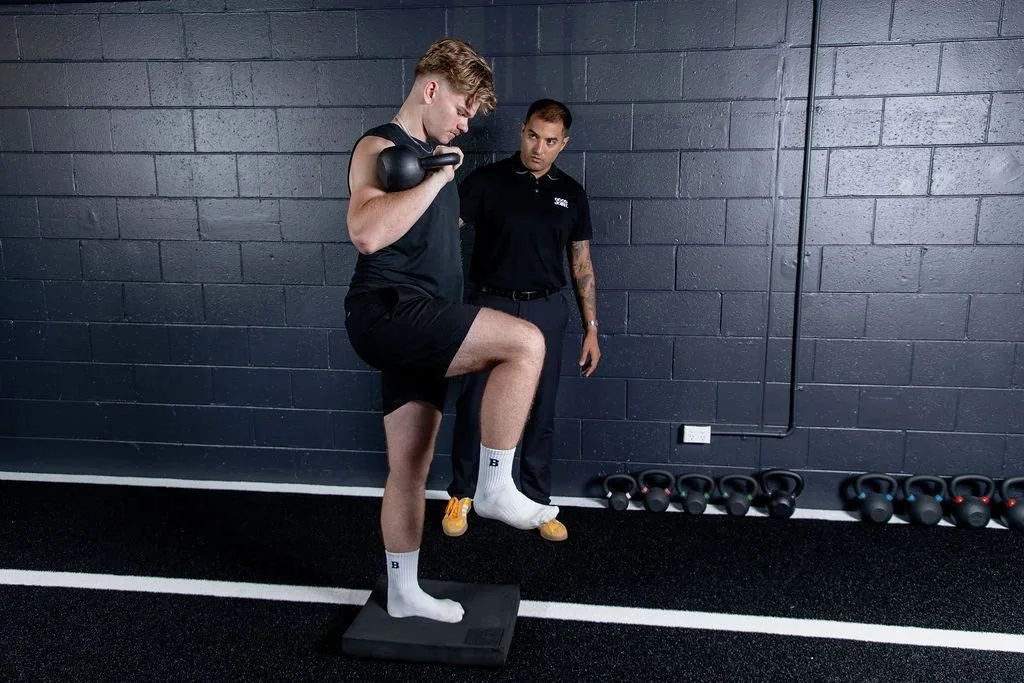
What Is Functional Movement Assessment?
Beyond the Standard Clinical Exam
Standard musculoskeletal assessment identifies the presence and source of pain. Functional movement assessment goes further — it evaluates the quality of movement across key patterns to identify whether restrictions, weaknesses, or compensations exist that increase injury risk or impair performance, even in the absence of pain. Many injuries occur not in isolation but as the downstream consequence of movement problems elsewhere in the chain.
The Movement System Approach
The body functions as an integrated movement system. Restriction at one joint changes the mechanics at adjacent joints. Hip mobility limitation alters lumbar spine mechanics. Thoracic stiffness alters shoulder mechanics and cervical load. Ankle restriction changes knee and hip loading patterns during running and squatting. A movement assessment evaluates these interrelationships rather than examining each joint in isolation, producing a more complete and clinically actionable picture.
From Assessment to Program
The value of a functional movement assessment is determined entirely by the quality of the programming that follows it. Assessment findings are translated into a targeted exercise program that addresses the identified deficits in a logical sequence — restoring mobility before stability, stability before strength, and strength before power — ensuring that each element of the program is appropriate and effective for the specific findings.
At The Good Joint, functional movement assessments are delivered by experienced physiotherapists and sports injury clinicians who translate assessment findings into a precise and progressive program tailored to your goals.
Book Visit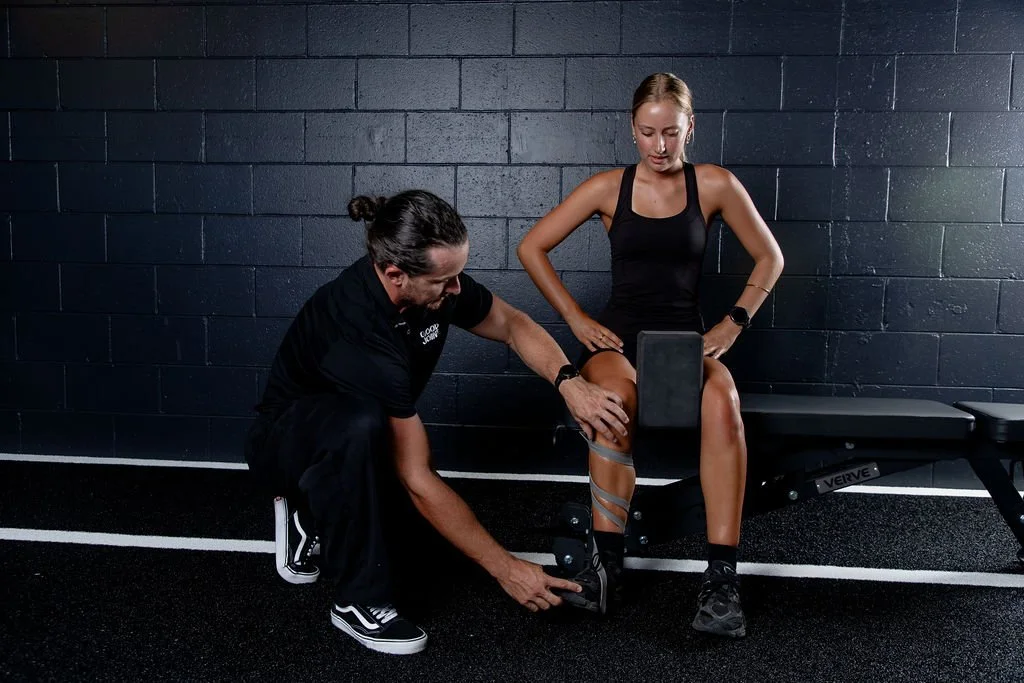
WHAT TO EXPECT DURING YOUR FIRST VISIT
Discussion:
A brief chat about what's brought you in and how it has been impacting your lifestyle.
Physical Assessment:
Functional testing to assess and identify underlying factors contributing to your symptoms.
Recovery Plan:
A tailored approach for working on your specific needs, including personalised exercise prescription.
Treatment:
Hands-on treatment including active release, soft tissue work, and dry needling for fast relief.
What We Assess
Fundamental Movement Patterns
The functional movement screen evaluates a standardised set of movement patterns including the deep squat, hurdle step, inline lunge, shoulder mobility, active straight leg raise, trunk stability push-up, and rotary stability test. Each pattern is scored based on quality of movement, symmetry, and the presence of pain. The pattern of scores identifies the specific joints and movement qualities most limiting overall function and injury resilience.
Hip Mobility & Control
Hip mobility assessment covers flexion, extension, abduction, adduction, and internal and external rotation in both passive and active ranges. More importantly, it evaluates whether available range can be actively controlled — the ability to move through full hip extension without lumbar compensation, or through full hip flexion without posterior pelvic tilt, is clinically more meaningful than passive range alone.
Thoracic Mobility & Rotation
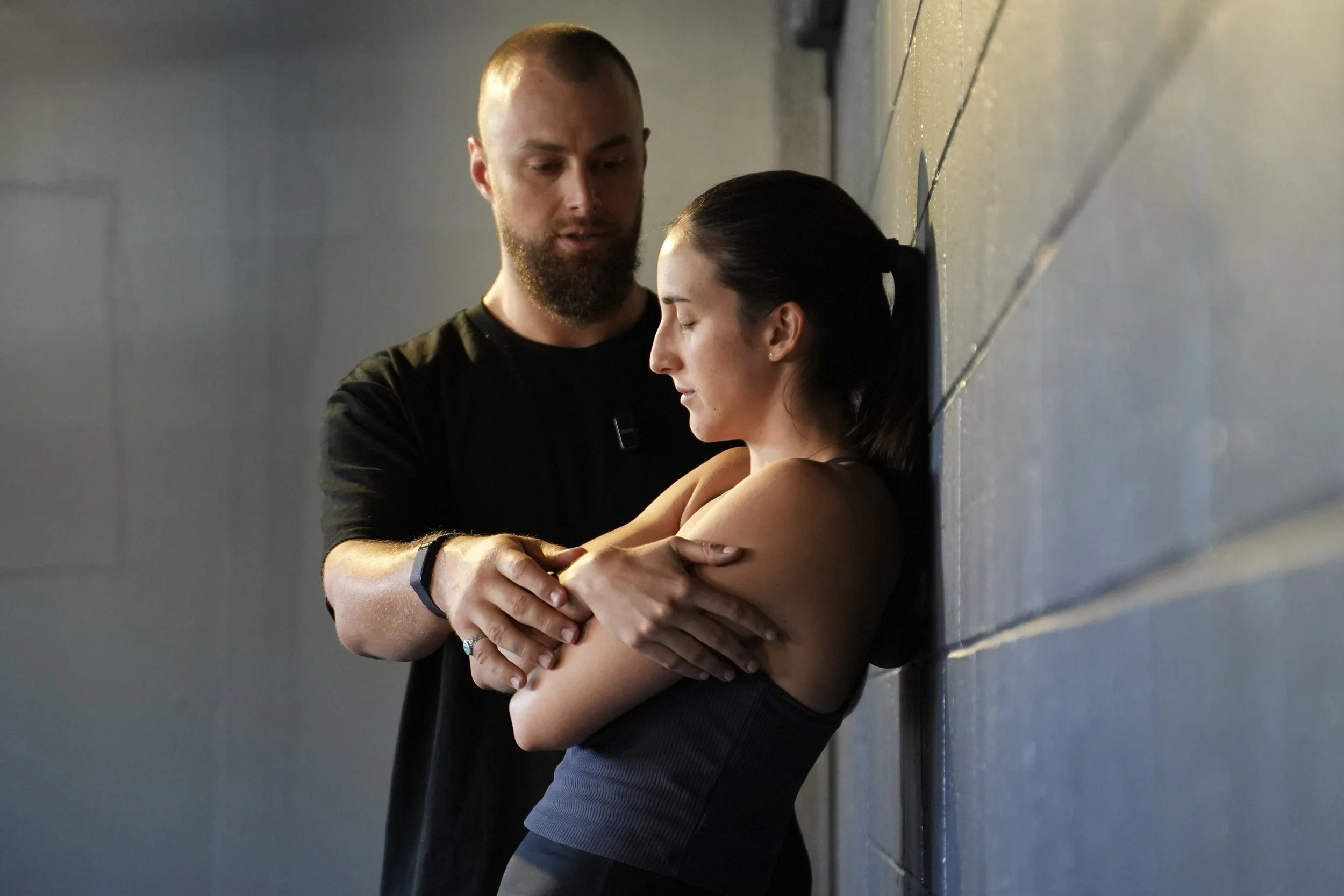
Thoracic spine restriction is one of the most common and consequential movement deficits seen in clinical practice. Limited thoracic rotation and extension affects cervical mechanics, shoulder function, rotational athletic performance, and lumbar loading. Assessment of thoracic mobility is a standard component of the functional movement screen and guides targeted mobilisation and rotation training.
Single-Leg Stability & Neuromuscular Control
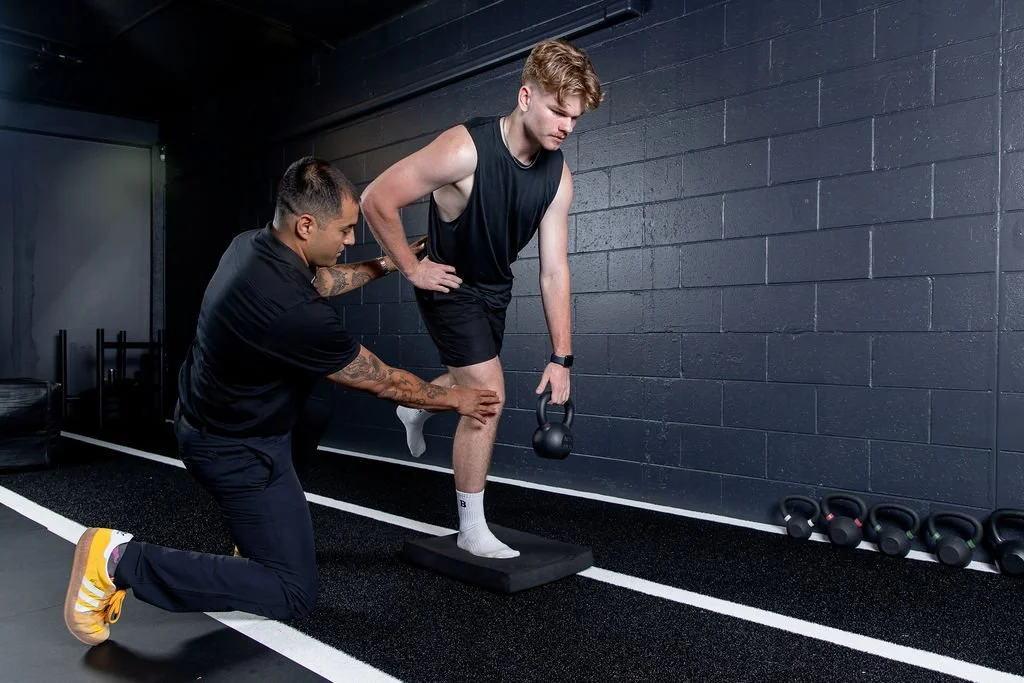
Single-leg assessment during squatting, step-down, and landing tasks reveals the control of hip, knee, and ankle alignment that is not visible in bilateral loading. The presence of knee valgus, hip drop, trunk lean, and foot pronation under single-leg load identifies the specific neuromuscular control deficits that increase injury risk during running, landing, and cutting movements.
Strength Asymmetry & Capacity
Bilateral strength asymmetry between limbs is a recognised risk factor for lower limb injury, particularly following injury recovery. Functional strength testing identifies whether asymmetry is present, at what magnitude, and in which muscle groups. Return-to-sport clearance in many sports requires limb symmetry indices of ninety percent or above across key strength measures before full return is considered safe.
A functional movement assessment translates the way you move into a specific and targeted program that addresses the actual limitations in your movement capacity. It is the most efficient starting point for training smarter, moving better, and building resilience against injury.
Book Visit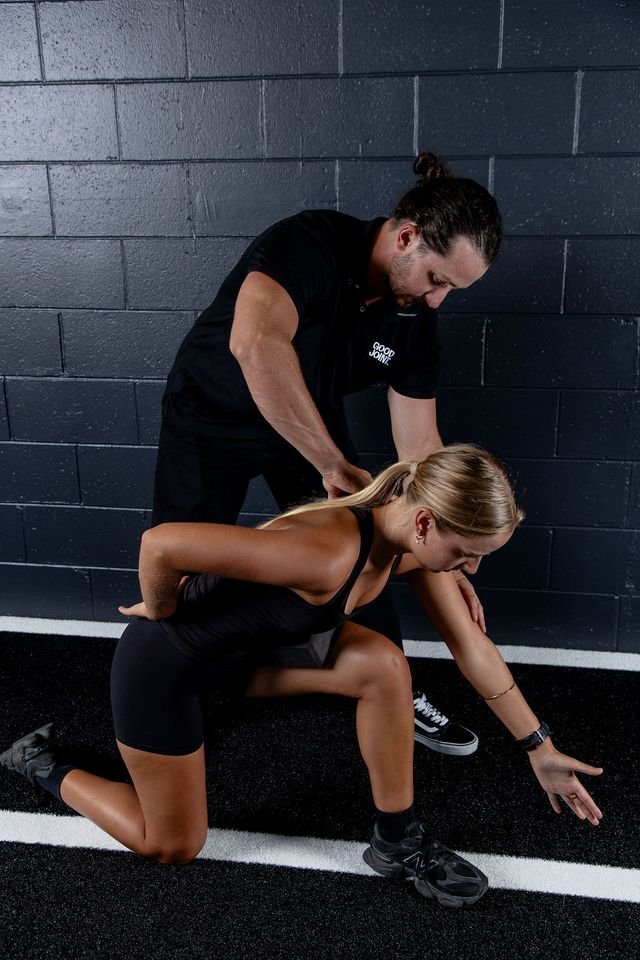
Who Benefits From a Functional Movement Assessment
A functional movement assessment is valuable for a wide range of people, from elite athletes seeking performance optimisation to individuals who want to understand and address persistent movement limitations or injury risk.
A functional movement assessment is most valuable when it leads directly to a targeted, progressive program. Assessment without programming is incomplete — the findings only add value when they are translated into specific exercises and interventions.
Book NowFrequently Asked Questions About Functional Movement Screening & Assessment
What is the Functional Movement Screen (FMS)?
The Functional Movement Screen is a standardised seven-test screening tool developed by Gray Cook and Lee Burton to evaluate movement quality across fundamental patterns. Each test is scored from zero to three, producing a composite score out of twenty-one. Research identifies specific composite score thresholds and asymmetry patterns that are associated with significantly higher injury risk in athletic populations. The FMS is one tool within a broader functional movement assessment, not the entirety of it.
How is a functional movement assessment different from seeing a physiotherapist?
A standard physiotherapy assessment focuses on identifying and treating the source of a current complaint. A functional movement assessment focuses on identifying movement deficits and asymmetries that may not yet be causing pain but are increasing injury risk or limiting performance. At The Good Joint, functional movement assessment is delivered by physiotherapists and sports injury clinicians who then build a targeted program based on the findings — combining both the clinical assessment and the movement quality evaluation for a complete picture.
Will the assessment tell me what exercises I should be doing?
Yes. The primary output of a functional movement assessment is a targeted exercise program that directly addresses the identified deficits. Mobility restrictions receive specific mobilisation exercises. Stability deficits receive neuromuscular control training. Strength asymmetries receive progressive loading targeted at the deficient side and pattern. The program is progressive and specific rather than generic, and it evolves as capacity improves.
Is a functional movement assessment relevant if I am not injured?
Yes, absolutely. Injury prevention and performance optimisation are the primary applications for functional movement assessment in people without current pain. Identifying and correcting movement deficits before they produce injury is significantly more efficient than managing injuries after the fact. Many elite sporting organisations use regular movement assessment as a standard component of athlete monitoring and injury prevention programs.
How often should I have a functional movement assessment?
Initially, a baseline assessment establishes current movement quality and identifies specific deficits. A reassessment after completing the prescribed program, typically at six to twelve weeks, tracks progress objectively and guides progression of the program. Ongoing monitoring at the start of each season or every three to six months is valuable for athletes managing high training loads. The frequency depends on training demands, injury history, and the specific goals of the individual.