Groin Pain & Hip Flexor Injuries Gold Coast
Groin pain and hip flexor injuries are common in kicking sports, sprinting, and activities involving rapid changes of direction - and are frequently underassessed because the anatomy of the region is complex.
Whether you are dealing with an adductor strain, athletic pubalgia, hip flexor tendinopathy, sports hernia, or FAI-related groin pain, accurate diagnosis of the specific structure involved is essential before treatment can be effective. Our physiotherapists and sports injury clinicians take a systematic approach to groin pain that identifies the source and targets it.
Book Now
The Complexity of Groin Pain
Multiple Structures, One Region
The groin region involves the adductors, hip flexors, inguinal structures, pubic symphysis, hip joint, and iliopsoas, all of which can produce pain in a similar area. The single most important step in managing groin pain is identifying which of these structures is responsible. A clinical assessment using specific provocation tests, palpation, and movement analysis achieves this in most cases and directly guides treatment.
Athletic Pubalgia & Groin Disruption
Athletic pubalgia, previously called sports hernia, is a specific syndrome involving disruption of the posterior inguinal wall and musculotendinous attachments around the pubic symphysis. It is distinct from a true hernia but produces deep groin pain with kicking, sprinting, and sit-up type movements. It is significantly more common in men and is associated with adductor muscle imbalance and poor lumbopelvic control.
FAI & Hip Joint Contribution
Femoroacetabular impingement involves abnormal bony morphology of the hip joint that causes the femur to impinge on the acetabular rim with hip flexion and internal rotation. It produces groin pain deep in the hip, often described as a C-sign with the hand encircling the hip. FAI is commonly associated with groin pain in young athletes and is distinguished from soft tissue groin injuries through clinical testing and imaging.
At The Good Joint our clinicians systematically assess the full range of structures that produce groin pain and build a targeted treatment plan based on the specific diagnosis rather than treating the region generically.
Book Visit
WHAT TO EXPECT DURING YOUR FIRST VISIT
Discussion:
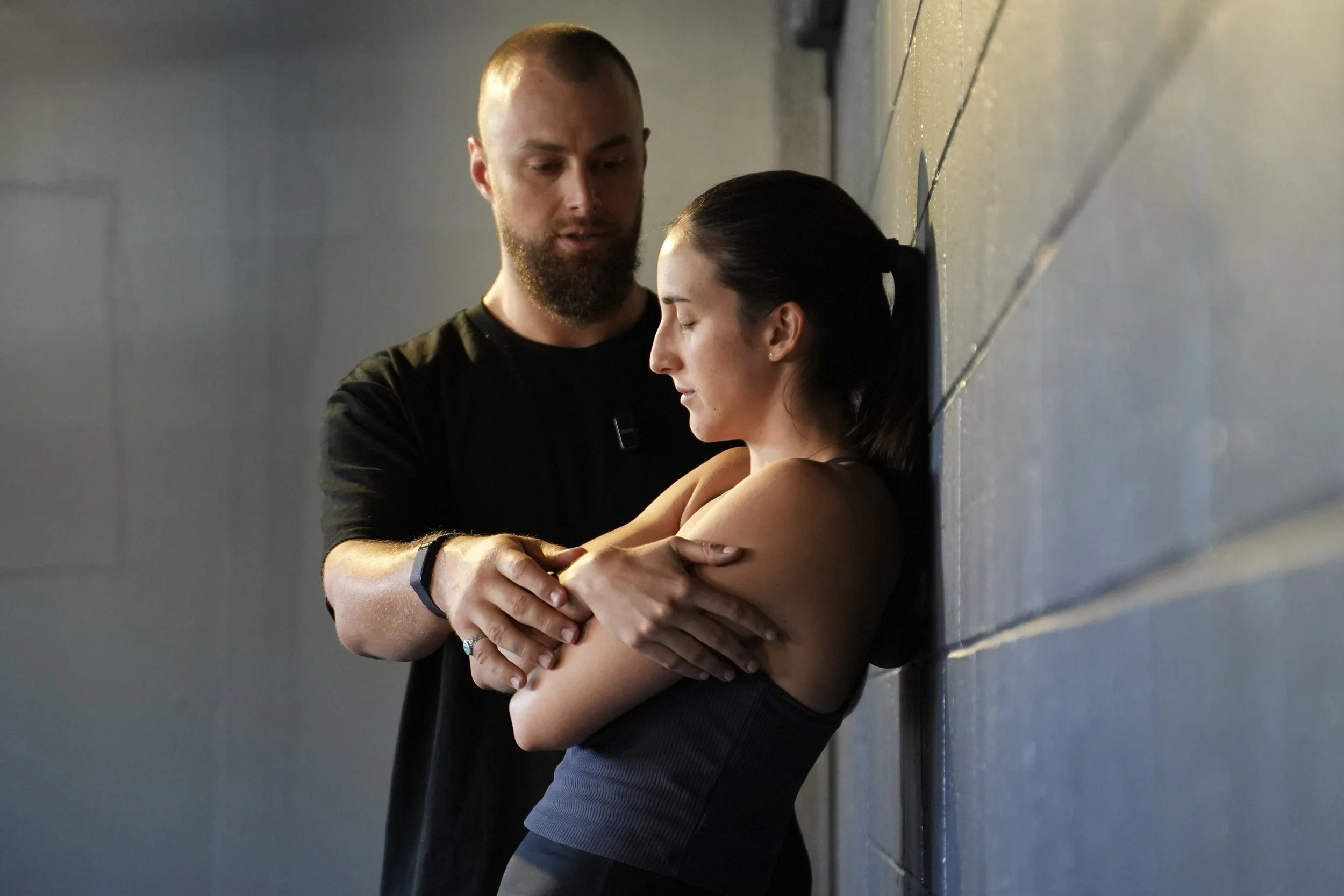
A brief chat about what's brought you in and how it has been impacting your lifestyle.
Physical Assessment:
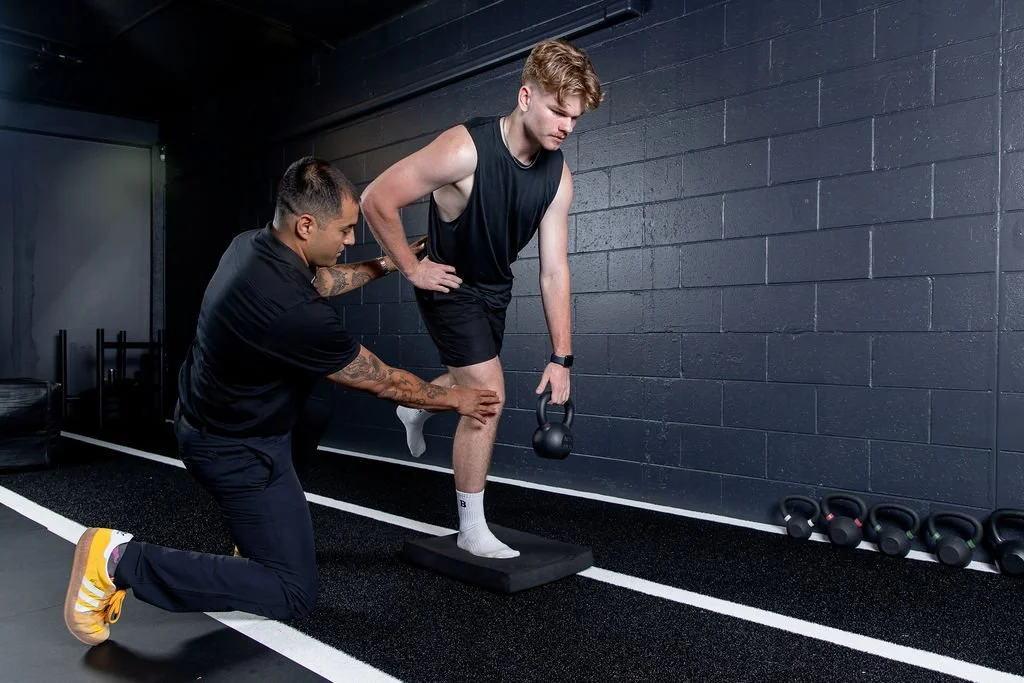
Functional testing to assess and identify underlying factors contributing to your symptoms.
Recovery Plan:
A tailored approach for working on your specific needs, including personalised exercise prescription.
Treatment:
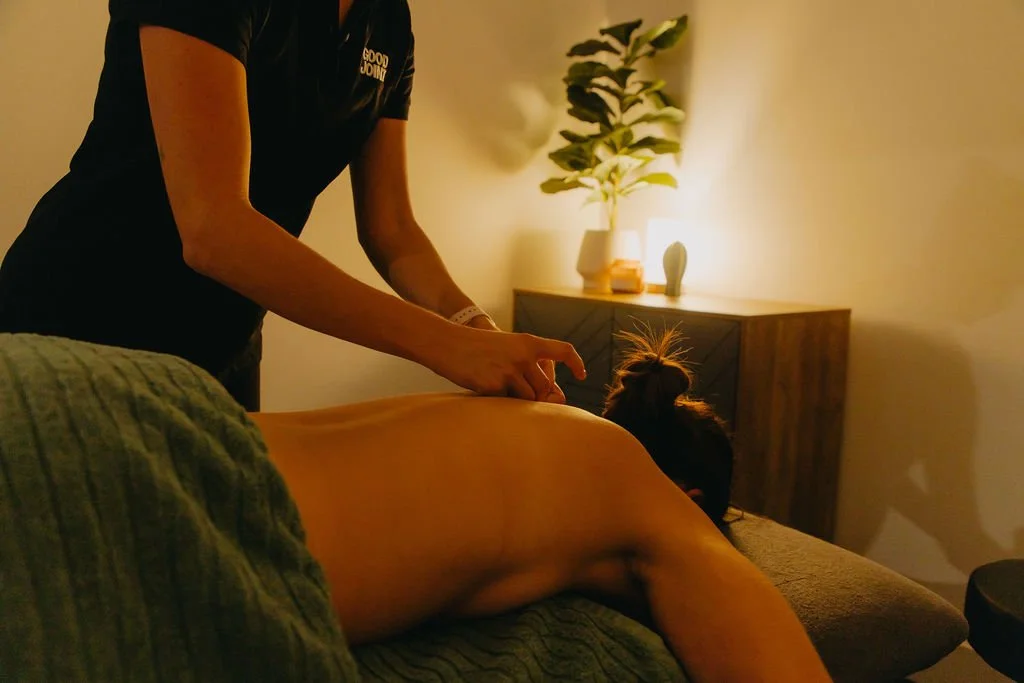
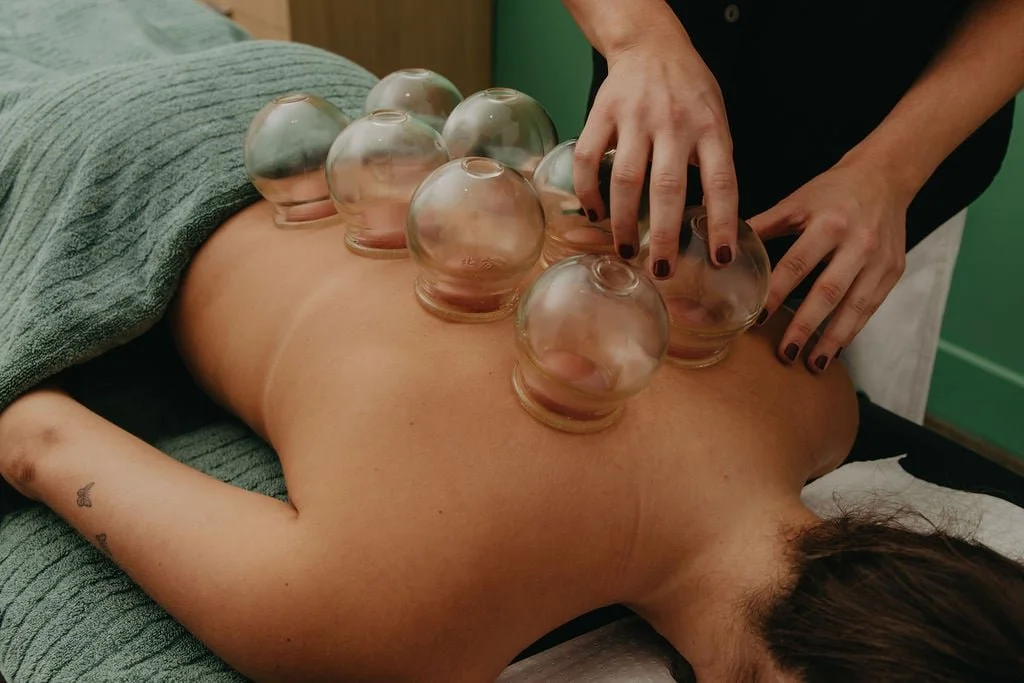
Hands-on treatment including active release, soft tissue work, and dry needling for fast relief.
Common Causes of Groin & Hip Flexor Pain
Adductor Strain & Tendinopathy
Acute adductor strains occur with rapid change of direction, kicking, and wide-step movements that place sudden eccentric load on the inner thigh muscles. The adductor longus musculotendinous junction is the most common site. Adductor tendinopathy at the pubic origin produces chronic inner thigh pain with progressive activity. Both respond well to progressive loading programs targeting adductor strength and hip control.
Iliopsoas Tendinopathy & Snapping Hip
The iliopsoas is the primary hip flexor and its tendon can become inflamed with repetitive flexion activity. Iliopsoas tendinopathy produces anterior hip or groin pain with hip flexion resistance and stair climbing. Snapping hip syndrome involves the iliopsoas tendon snapping over the iliopectineal eminence, producing a click or snap at the front of the hip. Both are managed with loading-based rehabilitation and activity modification.
Hip Flexor Strain
Acute hip flexor strains occur with powerful hip flexion against resistance, such as kicking or sprinting, and produce sharp anterior hip or groin pain with subsequent difficulty walking or climbing stairs. Management follows a graded progression from pain-free range of motion through to sport-specific loading, with timeline depending on the grade of strain.
FAI - Femoroacetabular Impingement
FAI involves abnormal contact between the femoral head and acetabular rim during hip flexion and rotation, producing labral irritation and groin pain. It is associated with both cam morphology on the femoral head and pincer morphology on the acetabulum. Conservative management with physiotherapy focusing on hip mobility, muscular control, and activity modification is the first line of treatment before surgical consideration.
Osteitis Pubis
Osteitis pubis is an inflammatory condition of the pubic symphysis driven by repetitive loading and shear forces across the joint. It produces central and bilateral groin pain that worsens with adductor and hip flexor activities and is aggravated by kicking and single-leg stance. Management involves load modification, progressive lumbopelvic stability training, and adductor strengthening in a graded program.
Groin pain has a reputation for being difficult to manage, but in most cases it responds well to accurate diagnosis and appropriate load-based rehabilitation. Identifying the specific structure is the key that makes everything else effective.
Book Visit
Signs of Groin & Hip Flexor Injury
Groin pain location, the movements that provoke it, and whether it is acute or gradual in onset all contribute to identifying the structure involved. An accurate history and clinical assessment almost always points to the diagnosis.
Groin pain that is not improving with rest or that recurs consistently with activity needs a proper structural assessment. Generic hip stretching and rest rarely resolves groin pain without identifying and addressing the specific structure involved.
Book NowFrequently Asked Questions About Groin Pain & Hip Flexor Injuries
How long does a groin strain take to heal?
Mild adductor strains resolve within two to three weeks with appropriate management. More significant strains involving the musculotendinous junction typically take four to eight weeks of progressive rehabilitation. Adductor tendinopathy at the pubic origin can take three to six months. Groin presentations involving the pubic symphysis or suspected athletic pubalgia take longer and may require a more specialised assessment to guide the appropriate treatment pathway.
Can you train with groin pain?
This depends on the diagnosis and the nature of the pain. Many groin conditions can be trained through with load modification, avoiding the specific provocative movements while maintaining strength and fitness through alternative exercise. However, continuing to load the specific tissue without rehabilitation and without understanding the diagnosis is the primary driver of groin pain becoming chronic. A clinical assessment within the first few weeks guides a safe and effective modified training plan.
What is the difference between athletic pubalgia and a groin strain?
An adductor groin strain involves a tear of the adductor muscle or its tendon, typically occurring with a sudden explosive movement. Athletic pubalgia involves disruption of the posterior inguinal wall and attachments around the pubic symphysis, and is associated with deep groin pain with kicking, sit-ups, and sprinting rather than a specific acute tearing sensation. The distinction matters because treatment differs significantly, and athletic pubalgia that does not respond to conservative management may require surgical repair.
Should I get imaging for groin pain?
For acute strains, imaging is not required in the initial management period unless the presentation suggests a more significant injury. For chronic or persistent groin pain, MRI of the pelvis is the most informative investigation and can identify adductor tendinopathy, osteitis pubis, labral tears, and FAI morphology. Plain X-ray is useful for bony assessment including FAI morphology. Imaging should guide management in persistent presentations rather than being delayed indefinitely.
Does groin pain need surgery?
The majority of groin pain presentations are managed successfully with physiotherapy and load-based rehabilitation without surgical intervention. Athletic pubalgia that does not respond to twelve weeks of appropriate conservative management, and significant FAI with labral pathology that fails conservative care, are the most common indications for surgical consideration. Early accurate diagnosis and appropriate conservative treatment reduces the likelihood of reaching surgical threshold.