Hormones & Women's Health Gold Coast
Hormonal imbalance is one of the most common and underinvestigated drivers of how women feel day to day, from energy and mood to menstrual health, weight, and sleep.
Whether you are dealing with PMS, irregular periods, PCOS, endometriosis, perimenopause symptoms, or a general sense that your hormones are out of balance, our functional medicine practitioners take a thorough, personalised approach to understand your hormonal picture and build a plan to restore balance naturally.
Book Now
Hormonal Health Is About More Than Your Cycle
The HPA Axis & Stress Hormones
Cortisol, produced by the adrenal glands in response to stress, has a profound effect on sex hormone balance. When cortisol is chronically elevated, it competes with progesterone, disrupts the HPA-HPO axis, and can suppress ovulation, worsen PMS, and contribute to oestrogen dominance. Addressing the stress-hormone connection is a foundational part of women's hormonal health.
Oestrogen, Progesterone & Balance
The ratio between oestrogen and progesterone is central to menstrual health, mood, fertility, and the experience of perimenopause. Oestrogen dominance, whether from excess production, impaired detoxification, or insufficient progesterone, is associated with PMS, heavy periods, bloating, mood changes, and breast tenderness. A functional medicine approach assesses and supports both the production and clearance of these hormones.
Testing & Root Cause Investigation
Comprehensive hormone testing including the DUTCH test, which provides a detailed picture of sex hormones and their metabolites alongside cortisol patterns, allows for a level of precision that standard blood testing alone cannot provide. Understanding how hormones are being produced, used, and cleared from the body guides a much more targeted and effective treatment approach.
At The Good Joint, we take the time to understand your full hormonal picture through thorough history taking and appropriate testing, then build a personalised plan that addresses the specific drivers of your symptoms.
Book Visit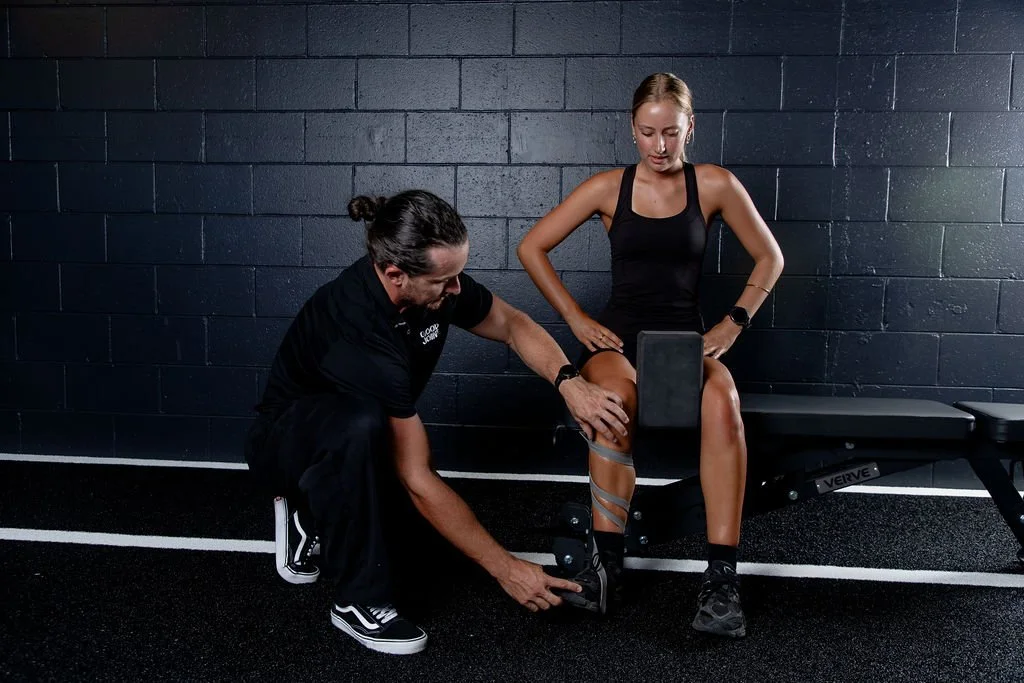
WHAT TO EXPECT DURING YOUR FIRST VISIT
Discussion:
A brief chat about what's brought you in and how it has been impacting your lifestyle.
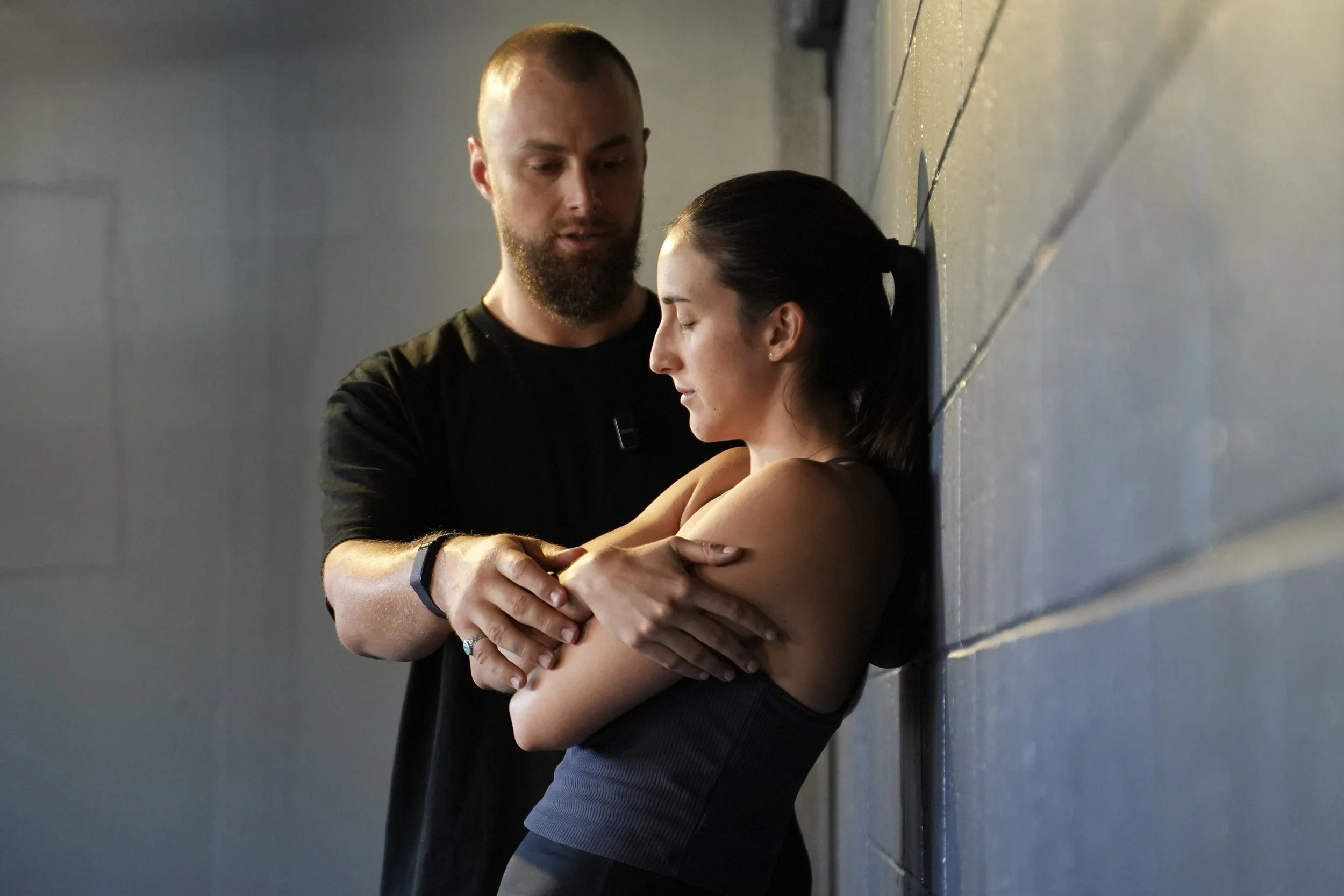
Physical Assessment:
Functional testing to assess and identify underlying factors contributing to your symptoms.
Recovery Plan:
A tailored approach for working on your specific needs, including personalised exercise prescription.
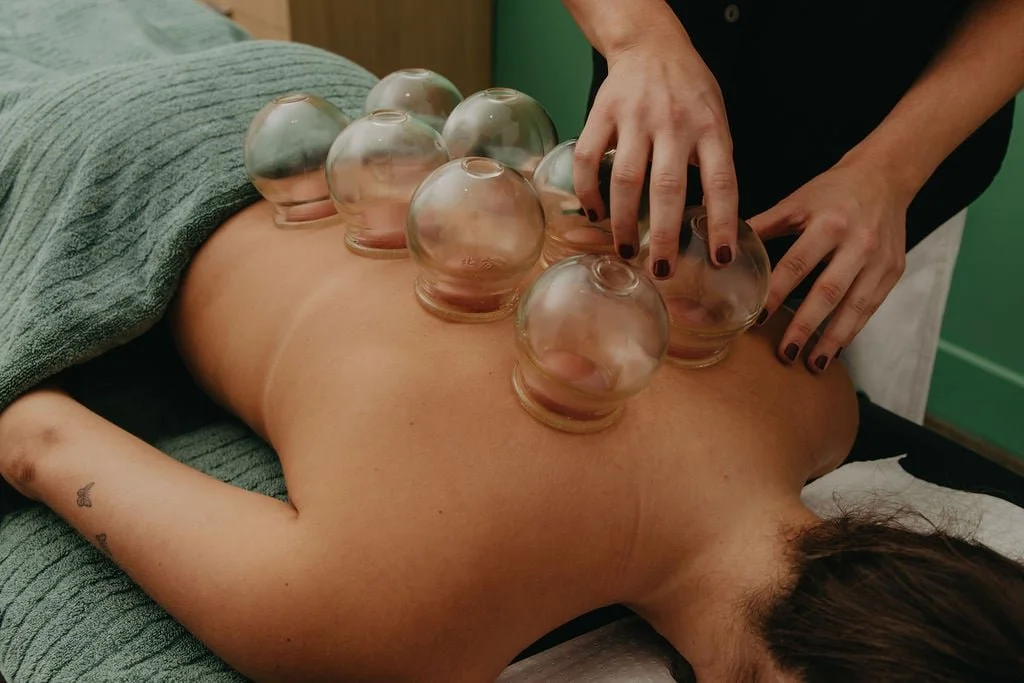
Treatment:
Hands-on treatment including active release, soft tissue work, and dry needling for fast relief.
What We Investigate & Address
PCOS (Polycystic Ovary Syndrome)
PCOS is a complex endocrine condition affecting approximately ten percent of women and is characterised by irregular or absent periods, elevated androgens, and polycystic ovaries on ultrasound. There are several distinct subtypes of PCOS driven by different mechanisms including insulin resistance, adrenal involvement, and inflammation, each of which requires a different treatment approach. Functional medicine assessment identifies the specific type and builds a targeted protocol accordingly.
Endometriosis & Painful Periods
Endometriosis involves the growth of uterine-like tissue outside the uterus and is one of the most common causes of pelvic pain, painful periods, and fertility challenges. A functional medicine approach focuses on reducing inflammation, supporting oestrogen detoxification, improving immune regulation, and addressing the gut health and nervous system factors that influence the pain experience alongside any medical management.
PMS & PMDD
Premenstrual syndrome and its more severe form, PMDD, affect a significant proportion of women and involve a range of physical and emotional symptoms in the luteal phase of the cycle. These symptoms are often driven by a combination of progesterone deficiency, oestrogen dominance, nutrient insufficiency, and HPA axis dysregulation. A functional medicine approach can produce meaningful and often dramatic improvement in cyclical symptoms.
Perimenopause & Menopause
The hormonal transition through perimenopause and into menopause produces a wide range of symptoms including hot flushes, sleep disruption, mood changes, brain fog, weight gain, and changes in libido and bone density. A functional medicine approach supports this transition by addressing the specific hormonal shifts, adrenal resilience, and lifestyle factors that influence the severity of symptoms and long-term health outcomes.
Thyroid & Hormonal Interplay
The thyroid gland is closely intertwined with sex hormone balance. Low thyroid function can drive irregular cycles, heavy bleeding, difficulty conceiving, and exacerbate perimenopausal symptoms. A comprehensive hormonal assessment always includes evaluation of thyroid function, including TSH, free T3, free T4, and thyroid antibodies, to ensure this important connection is not missed.
Hormonal symptoms that have been dismissed as normal, managed with the pill without investigating the cause, or that worsen over time deserve a more thorough look. A functional medicine approach takes the time to understand your specific hormonal picture and builds a plan that addresses the actual drivers of your symptoms.
Book Visit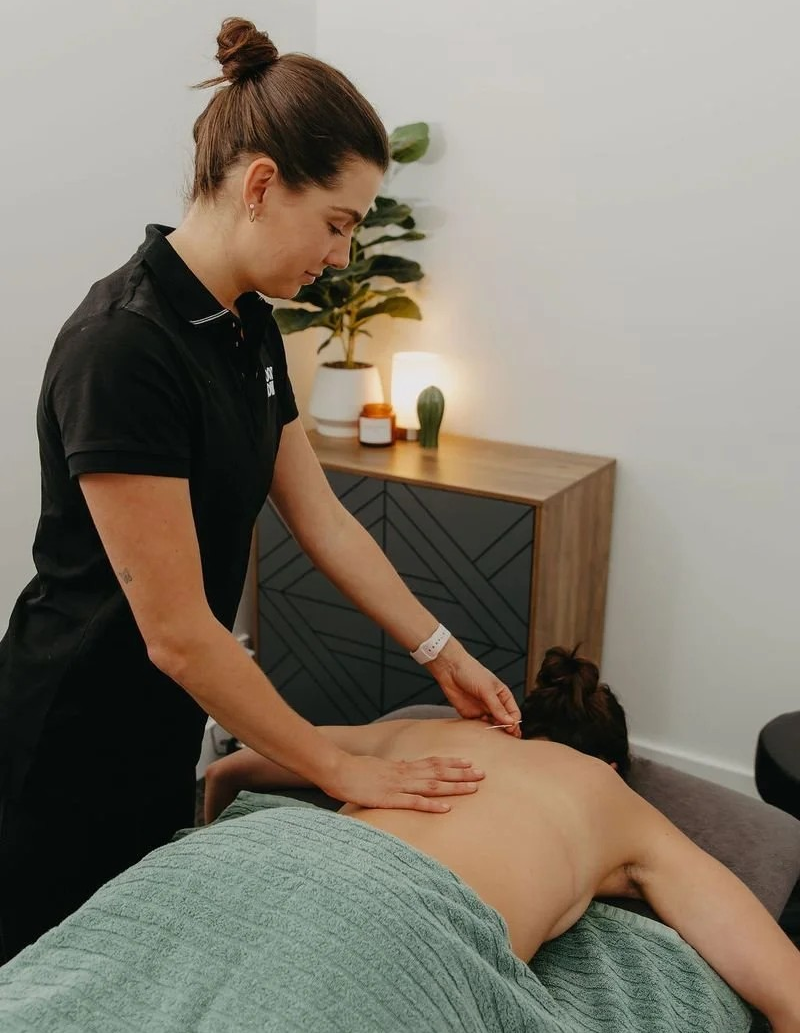
Signs Your Hormones May Need Support
Hormonal symptoms are often dismissed as normal or managed with medication without investigating the underlying cause. Many women discover that their cyclical symptoms, energy patterns, and mood changes have a hormonal driver that can be meaningfully addressed.
Hormonal symptoms that have been present for years, that worsen over time, or that have not responded to standard management deserve a more thorough and personalised investigation. A functional medicine approach provides the tools to understand your specific hormonal picture and address it effectively.
Book NowFrequently Asked Questions About Hormones & Women's Health
What is functional medicine's approach to hormonal health?
Functional medicine investigates the root causes of hormonal imbalance rather than simply managing symptoms. This includes comprehensive hormone testing, assessment of gut health and detoxification capacity, evaluation of the HPA axis and stress response, nutritional analysis, and a detailed health history that places symptoms in the context of the whole person. Treatment draws on dietary intervention, targeted supplementation, herbal medicine, lifestyle modification, and where appropriate, collaboration with a GP or specialist.
Is the DUTCH test worth doing?
The DUTCH test, or Dried Urine Test for Comprehensive Hormones, provides a significantly more detailed picture of sex hormone production, metabolism, and clearance than standard blood testing. It measures oestrogen metabolites, progesterone, androgens, cortisol patterns, and key nutritional markers that influence hormonal health. For women with complex or persistent hormonal symptoms, it provides a level of precision that makes treatment far more targeted and effective.
Can diet affect my hormones?
Yes, profoundly. Blood sugar regulation, fibre intake, gut microbiome composition, specific nutrients such as magnesium, zinc, and B vitamins, and the balance of phytoestrogenic foods all directly influence hormone production and clearance. Dietary intervention tailored to the specific hormonal picture identified through testing is one of the most powerful tools available in functional women's health.
Can functional medicine help with PCOS naturally?
Yes, in many cases significantly. The specific approach depends on the subtype of PCOS. Insulin-resistant PCOS responds very well to dietary modification, inositol supplementation, and blood sugar management strategies. Adrenal PCOS requires a focus on HPA axis support and stress management. Inflammatory PCOS benefits from gut health restoration and anti-inflammatory nutrition. Identifying the subtype through testing allows for a precise and effective natural treatment strategy.
When should I see a gynaecologist versus a functional medicine practitioner?
Both have an important role. A gynaecologist provides diagnosis, medical management, and surgical options where indicated, which is essential for conditions like endometriosis, fibroids, and significant PCOS. A functional medicine practitioner works on the underlying hormonal, nutritional, and lifestyle drivers that influence the severity of these conditions and the body's overall hormonal environment. For most women, working with both provides the most complete and effective approach to their hormonal health.