Jaw Pain Treatment Gold Coast
Jaw pain can make everyday things like eating, talking, yawning, sleeping, or concentrating feel harder than they should.
Whether your pain is linked to TMJ irritation, facial muscle tension, teeth clenching, neck stiffness, posture, or stress, The Good Joint takes a whole-body approach to understand what is driving it and create a plan to help you move and feel better.
Book Now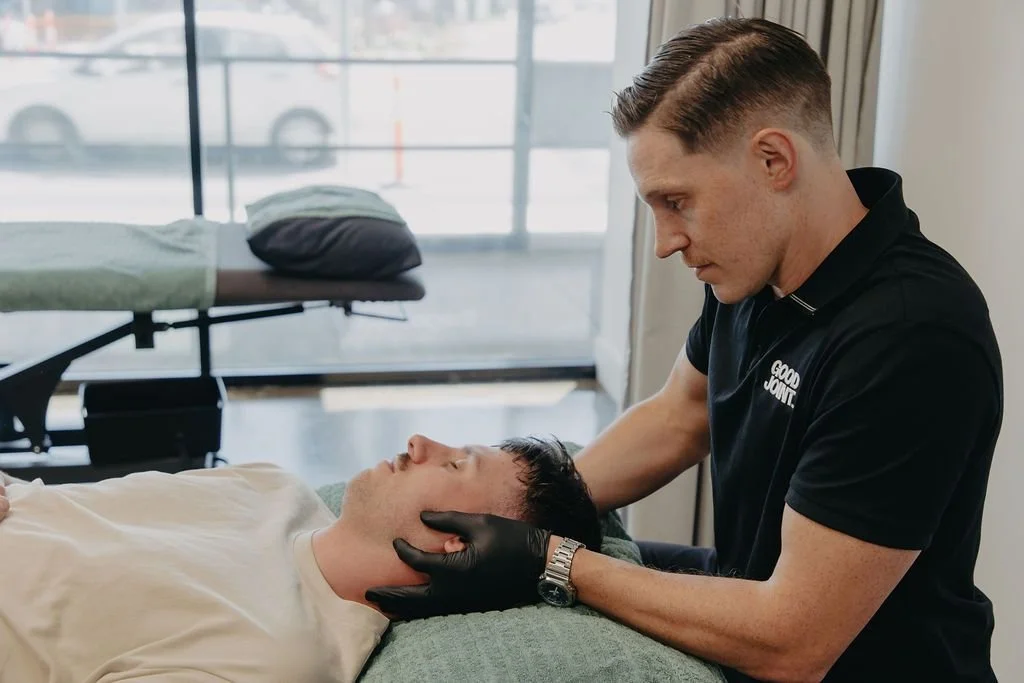
Jaw Pain Can Affect More Than Just Your Jaw
Jaw Joint Dysfunction
When the jaw joint is irritated, restricted, or not moving smoothly, it can lead to clicking, locking, pain, stiffness, or difficulty opening and closing the mouth comfortably.
Neck & Shoulder Tension
The jaw, neck, and shoulders are closely connected. Tension or restriction through these areas can place extra load on the jaw and contribute to ongoing discomfort.
Headaches & Facial Pain
Jaw pain can also refer into the temples, face, ears, and head. This is why some people experience headaches, ear pressure, facial tightness, or pain when chewing.
Jaw pain is often linked to the temporomandibular joint (TMJ). At The Good Joint, we assess what may be contributing and build a plan to improve movement and reduce tension.
At The Good Joint, we assess what may be contributing to your jaw pain and build a personalised treatment plan to support better movement, reduce tension, and improve day-to-day comfort. Book Visit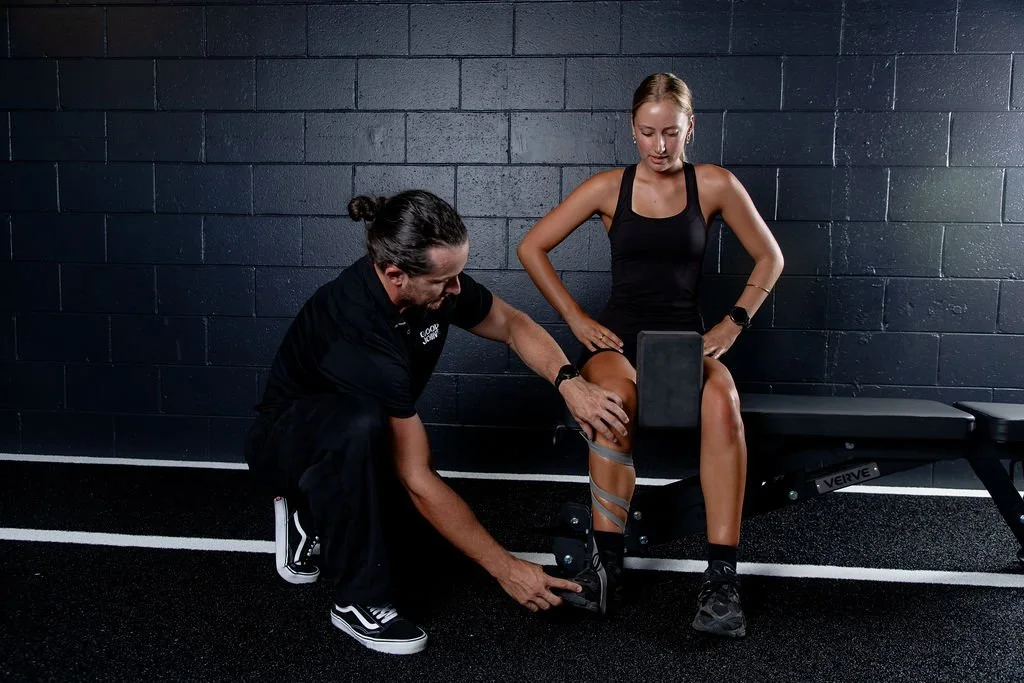
WHAT TO EXPECT DURING YOUR FIRST VISIT
Discussion - A brief chat about what's brought you in and how it has been impacting your lifestyle.
Physical Assessment - Functional testing to assess and identify underlying factors contributing to your symptoms.
Recovery Plan - A tailored approach for working on your specific needs, including personalised exercise prescription.
Treatment - Hands-on treatment including active release, soft tissue work, and dry needling for fast relief.
What Causes Jaw Pain?
Teeth Clenching or Grinding
Clenching and grinding can overload the jaw muscles and joints, especially during sleep or stress.
Neck Tension & Posture
The jaw and neck are closely connected. Stiffness can place extra strain on the jaw.
TMJ Dysfunction
Occurs when the jaw joint is not moving smoothly, leading to clicking or locking.
Stress & Muscle Tension
Stress often shows up physically through the jaw, face, neck, and shoulders.
Injury or Overuse
Dental work, trauma, or repetitive habits can overload the jaw joint.
If your jaw pain keeps coming back, it may need a full assessment. Jaw pain is rarely caused by one thing alone. It often builds over time from tension, posture, stress, or overload.
Book Visit
Common Jaw Pain Symptoms
Jaw pain can show up in different ways depending on what is driving it. For some people, it feels like tightness or aching. For others, it can cause clicking, headaches, facial tension, or trouble opening the mouth comfortably.
Even mild jaw pain can become frustrating when it keeps returning. A proper assessment can help identify whether your jaw, neck, posture, or muscle tension is contributing.
Book NowFrequently Asked Questions About Jaw Pain
Can physiotherapy help with jaw pain?
Yes, physiotherapy may help with jaw pain by assessing the jaw joint, surrounding muscles, neck movement, and posture. Treatment can include hands-on therapy, exercises, muscle release, and strategies to reduce clenching or tension.
What is TMJ pain?
TMJ pain refers to pain around the temporomandibular joint, which connects your jaw to your skull. It can cause jaw soreness, clicking, locking, headaches, facial tension, or difficulty chewing.
Can neck tension cause jaw pain?
Yes. The jaw, neck, and upper back are closely connected. Poor posture, neck stiffness, and shoulder tension can all contribute to jaw pain or make existing symptoms worse.
Why does my jaw click?
Jaw clicking can happen when the joint or disc inside the TMJ is not moving smoothly. Clicking is not always painful, but if it comes with pain, locking, headaches, or reduced movement, it is worth having assessed.
Can stress make jaw pain worse?
Yes. Stress can lead to jaw clenching, teeth grinding, facial tension, and tightness through the neck and shoulders. This can increase pressure on the jaw joint and surrounding muscles.
Do I need to see a dentist or a physiotherapist for jaw pain?
Both may be helpful depending on the cause. A dentist can assess teeth, bite, grinding, and oral health. A physiotherapist can assess jaw movement, muscle tension, neck involvement, posture, and movement patterns. In some cases, working with both gives the best result.