Mobility, Strength & Movement Therapy Gold Coast
Movement quality - the ability to access full range with control and without pain - is the foundation of everything physical. When mobility is restricted or strength is insufficient to support movement demands, injury, pain, and limitation follow.
Whether you are an athlete wanting to move better, someone recovering from injury looking to restore full function, or a person dealing with stiffness and limitation that has accumulated over years, our physiotherapists, chiropractors, and osteopaths assess your movement comprehensively and build a program to restore capacity where it is lacking.
Book Now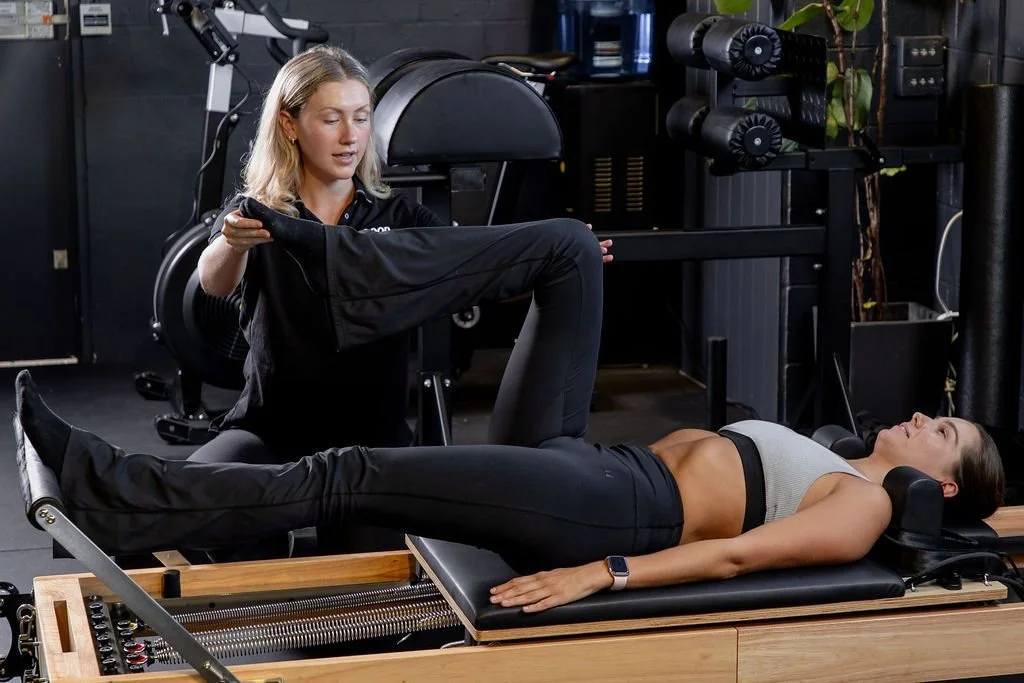
Why Movement Quality Matters
Mobility vs Flexibility
Mobility and flexibility are not the same. Flexibility is passive range of motion. Mobility is the ability to actively control movement throughout that range. A mobile joint can access its full range with strength and control. A flexible joint can achieve range passively but lacks the neuromuscular control to use it safely under load. Training mobility rather than just flexibility produces range that transfers to real-world movement.
Strength as the Foundation
Adequate strength is not optional in injury prevention and rehabilitation. Joints that are insufficiently supported by surrounding musculature are more vulnerable to injury, more painful under load, and more likely to limit activity. Progressive strength training builds the capacity to tolerate the demands of daily life, sport, and physical work without being driven by pain and restriction.
Functional Movement Assessment
A functional movement assessment identifies the specific joints and movement patterns that are restricted, the muscles that are insufficient, and the compensatory patterns the body has developed in response to these limitations. Understanding the full movement picture guides a targeted program rather than a generic stretching and strengthening protocol.
At The Good Joint our practitioners assess your full movement profile and build a targeted program to restore the specific mobility and strength deficits driving your limitations, pain, or injury risk.
Book Visit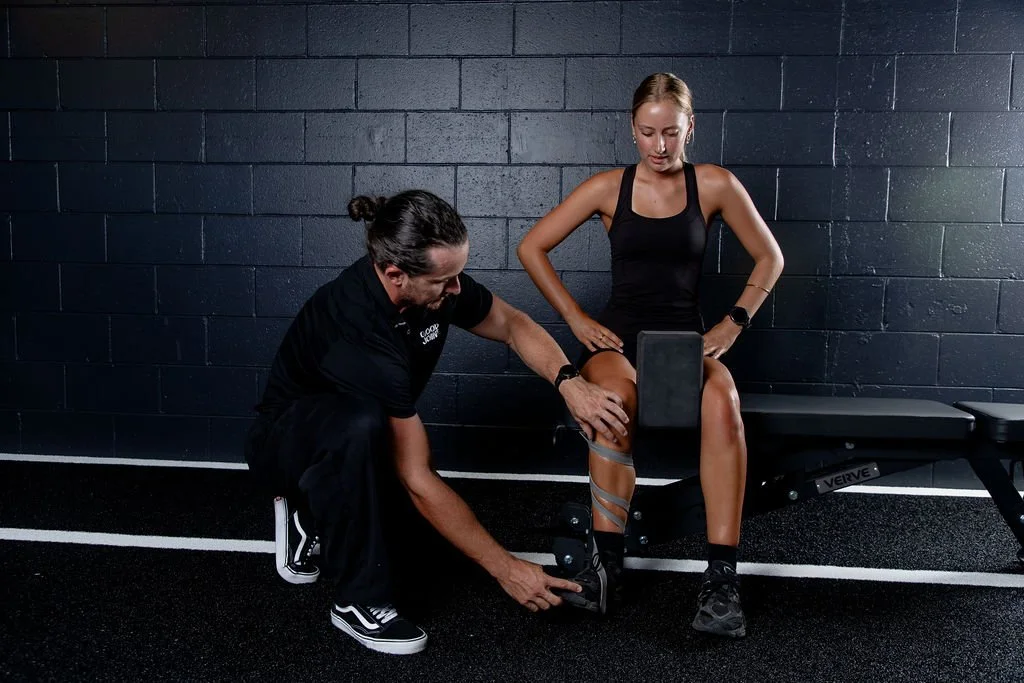
WHAT TO EXPECT DURING YOUR FIRST VISIT
Discussion:
A brief chat about what's brought you in and how it has been impacting your lifestyle.
Physical Assessment:
Functional testing to assess and identify underlying factors contributing to your symptoms.
Recovery Plan:
A tailored approach for working on your specific needs, including personalised exercise prescription.
Treatment:
Hands-on treatment including active release, soft tissue work, and dry needling for fast relief.
What We Assess & Address
Thoracic Mobility & Spinal Rotation
Thoracic stiffness is one of the most common and most consequential movement restrictions in modern life. Limited thoracic rotation and extension places increased demand on the cervical spine, lumbar spine, and shoulder joints. Restoring thoracic mobility reduces neck pain, shoulder impingement, and lower back symptoms and improves athletic performance across virtually all movement-based sports.
Hip Mobility & Flexor Tightness
Restricted hip flexion, extension, and rotation is associated with lower back pain, hip impingement, groin pain, and altered running mechanics. Hip flexor tightness in particular is extremely common in people who sit for extended periods and produces anterior pelvic tilt, reduced hip extension, and compensatory lumbar loading. Targeted hip mobility work alongside hip strength training produces meaningful improvements in both symptoms and movement quality.
Shoulder & Upper Limb Mobility
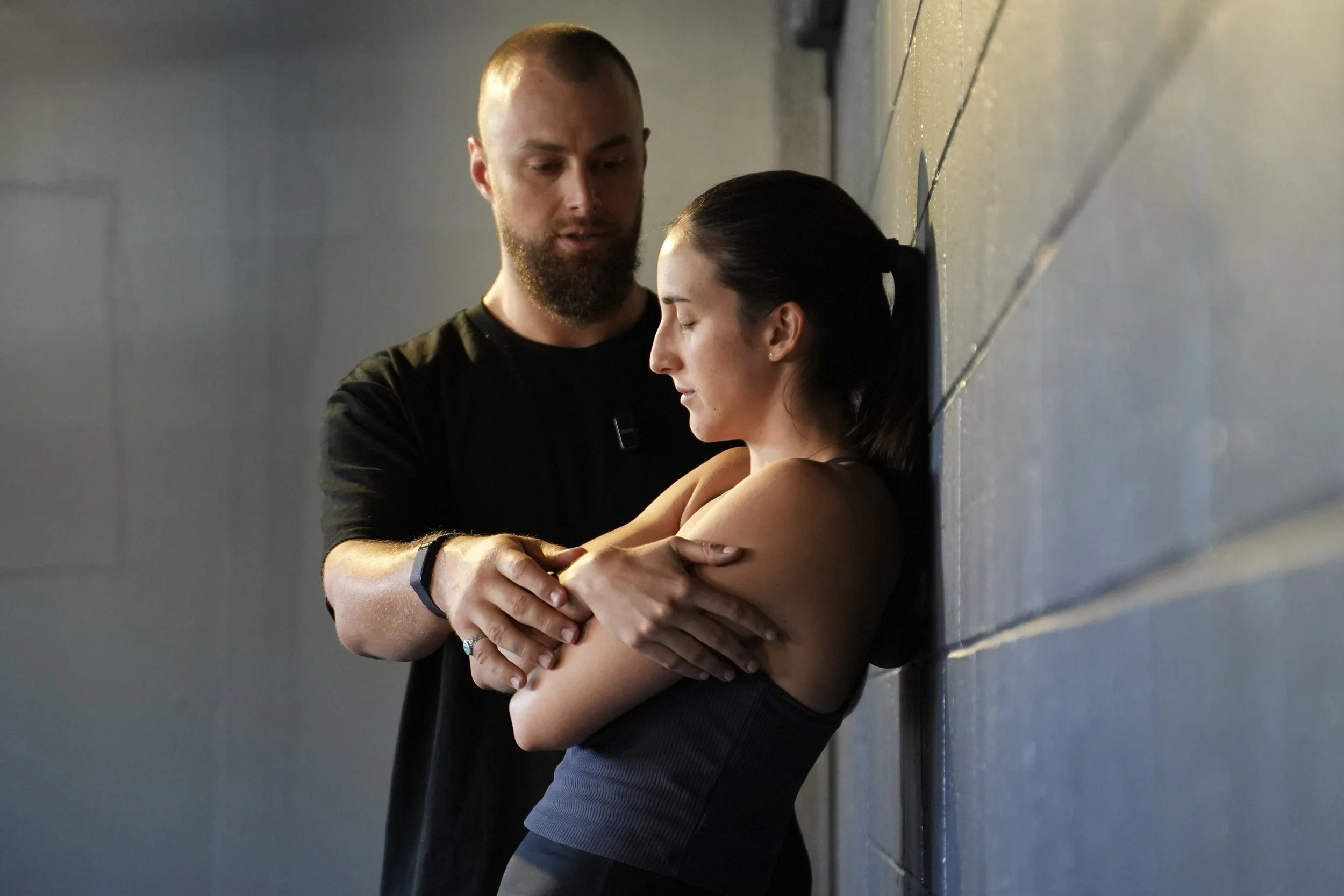
Shoulder mobility limitations affect the ability to reach overhead, behind the back, and across the body. Restrictions in glenohumeral rotation, scapular upward rotation, and thoracic extension all contribute to shoulder symptoms and impingement. Restoring each component of shoulder mobility in the correct sequence produces faster and more complete functional improvement than generic shoulder stretching.
Lower Limb Loading Patterns
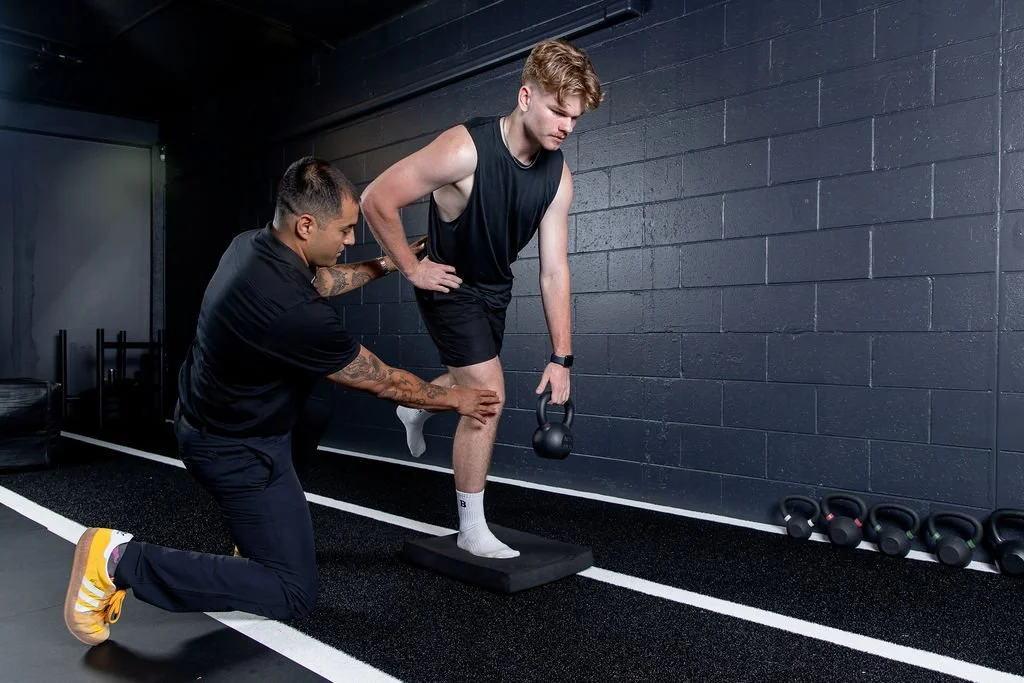
How load is distributed through the lower limb during single-leg activities including squatting, landing, and running determines joint stress and injury risk. A movement assessment identifies patterns including knee valgus, hip drop, and trunk lean that increase risk at specific joints and guides targeted strengthening to correct them.
Breathing & Core Coordination
Breathing mechanics and the coordination of the diaphragm with the deep core system influence spinal stability, pelvic floor function, and the pressure management strategies the body uses under load. Dysfunctional breathing patterns and poor core coordination are contributing factors in chronic lower back pain, pelvic floor dysfunction, and shoulder instability. Assessing and retraining these patterns is a foundational component of comprehensive movement therapy.
Movement quality is trainable at any age and any stage. A targeted assessment that identifies the specific restrictions and insufficiencies driving your limitations is the starting point for a program that produces real and lasting improvement.
Book Visit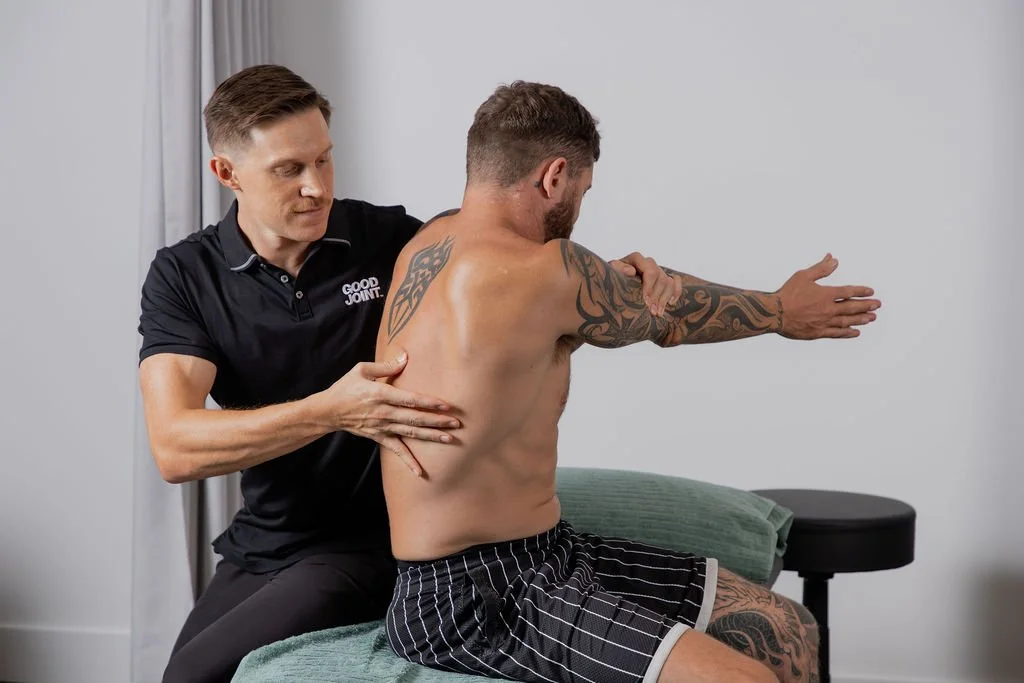
Signs Your Movement May Need Assessment
Movement restrictions and strength insufficiencies are often normalised as ageing, stiffness, or lifestyle factors rather than recognised as addressable clinical findings.
Movement limitations that have been present for years can be meaningfully improved with the right targeted assessment and program. Restoring mobility and strength in the specific areas that are restricted produces improvements that go far beyond what general exercise alone achieves.
Book NowFrequently Asked Questions About Mobility, Strength & Movement Therapy
What is a functional movement assessment?
A functional movement assessment evaluates quality of movement across key patterns including squat, hip hinge, single-leg stance, overhead reach, and rotational movements. It identifies the specific joints that are restricted, the muscles that are insufficient, and the compensatory patterns that have developed in response to these limitations. The findings guide a targeted program rather than a generic approach, producing more efficient and more lasting improvements.
How is this different from seeing a personal trainer?
A physiotherapy-led movement assessment includes clinical reasoning about the relationship between movement findings and symptoms, injury history, and health conditions. It identifies whether restrictions are driven by joint stiffness, muscle length, neuromuscular control, pain inhibition, or structural factors. This level of analysis allows the program to be precisely targeted to the actual driver of the limitation. Personal trainers focus on fitness and performance goals within their scope and refer to physiotherapy where clinical assessment is needed.
Is strength training safe if I have joint pain?
Yes, and it is highly beneficial. Appropriate progressive strength training reduces joint pain by improving the muscular support around the joint, improving load distribution through the cartilage surfaces, and producing neurological adaptations that reduce the central pain sensitivity associated with chronic joint pain. The key is starting at the appropriate load for the individual's current capacity and progressing systematically. A physiotherapist guides this process safely and effectively.
How long does it take to improve mobility?
Initial improvements in joint mobility can be achieved relatively quickly with consistent targeted work - some people notice meaningful change within two to four weeks. Sustaining and building on these changes requires consistent practice over three to six months as the neuromuscular patterns adapt. The timeframe is influenced by how long the restriction has been present, the specific tissues involved, and how consistently the program is applied.
Can I improve my movement if I am older?
Yes, absolutely. The research consistently shows that mobility and strength can be meaningfully improved at any age with appropriate progressive training. The pace of adaptation may be slower, and the program may require more careful calibration, but the capacity for improvement does not disappear with age. Many people in their sixties, seventies, and beyond achieve significant improvements in mobility, strength, and function with appropriate guided exercise.