Mould Illness & Environmental Health Gold Coast
Mould illness, also known as Chronic Inflammatory Response Syndrome or CIRS, is a condition driven by biotoxin exposure from water-damaged buildings that produces a multi-system inflammatory illness in genetically susceptible individuals.
Whether you suspect mould illness, have been given the diagnosis but are unsure how to proceed, or are dealing with a cluster of unexplained symptoms including fatigue, brain fog, joint pain, and chemical sensitivities that have not been explained by standard investigation, our functional medicine practitioners provide thorough assessment, testing guidance, and a systematic treatment approach.
Book Now
Mould Illness Is Real, Complex & Treatable
What Is CIRS?
Chronic Inflammatory Response Syndrome is an innate immune system illness triggered by biotoxin exposure, most commonly from water-damaged buildings containing mould, bacteria, and their toxic byproducts. In genetically susceptible individuals, approximately twenty-five percent of the population based on HLA-DR haplotype, the immune system cannot effectively clear biotoxins. These toxins accumulate, produce persistent immune activation, and drive a cascade of physiological dysregulation across multiple body systems.
The HLA-DR Genetic Susceptibility
Not everyone exposed to mould-damaged environments develops CIRS. Susceptibility is determined by specific HLA-DR immune response gene variants that govern how effectively biotoxins are recognised and cleared. People with susceptible HLA-DR types cannot present biotoxins to the adaptive immune system effectively, leaving the innate immune system in a state of sustained activation. HLA-DR genotyping is a standard part of CIRS investigation.
The Shoemaker Protocol
The Shoemaker Protocol is the primary evidence-based treatment framework for CIRS, developed by Dr Ritchie Shoemaker. It involves a systematic stepwise approach beginning with removal from biotoxin exposure and binding of circulating toxins, followed by correction of the downstream physiological abnormalities including elevated MMP-9, dysregulated VIP, MSH deficiency, and dysautonomia in a specific sequence. Each step must be completed before the next to avoid treatment complications.
At The Good Joint our functional medicine practitioners are experienced with the complexity of mould illness, guide you through appropriate testing, and provide a systematic treatment approach aligned with current evidence.
Book Visit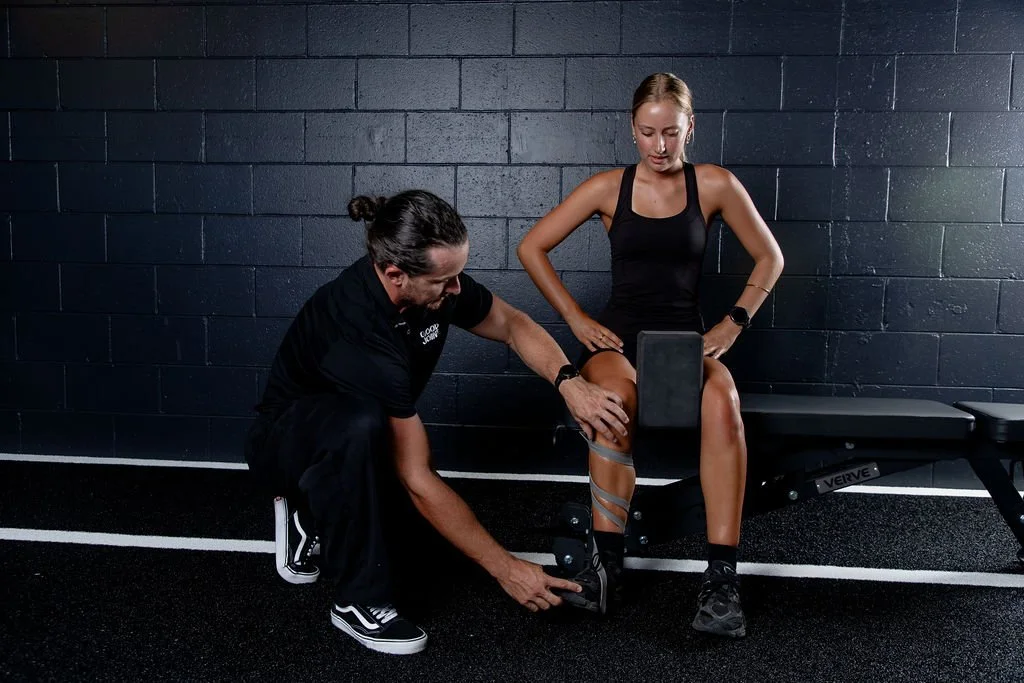
WHAT TO EXPECT DURING YOUR FIRST VISIT
Discussion:
A brief chat about what's brought you in and how it has been impacting your lifestyle.
Physical Assessment:
Functional testing to assess and identify underlying factors contributing to your symptoms.
Recovery Plan:
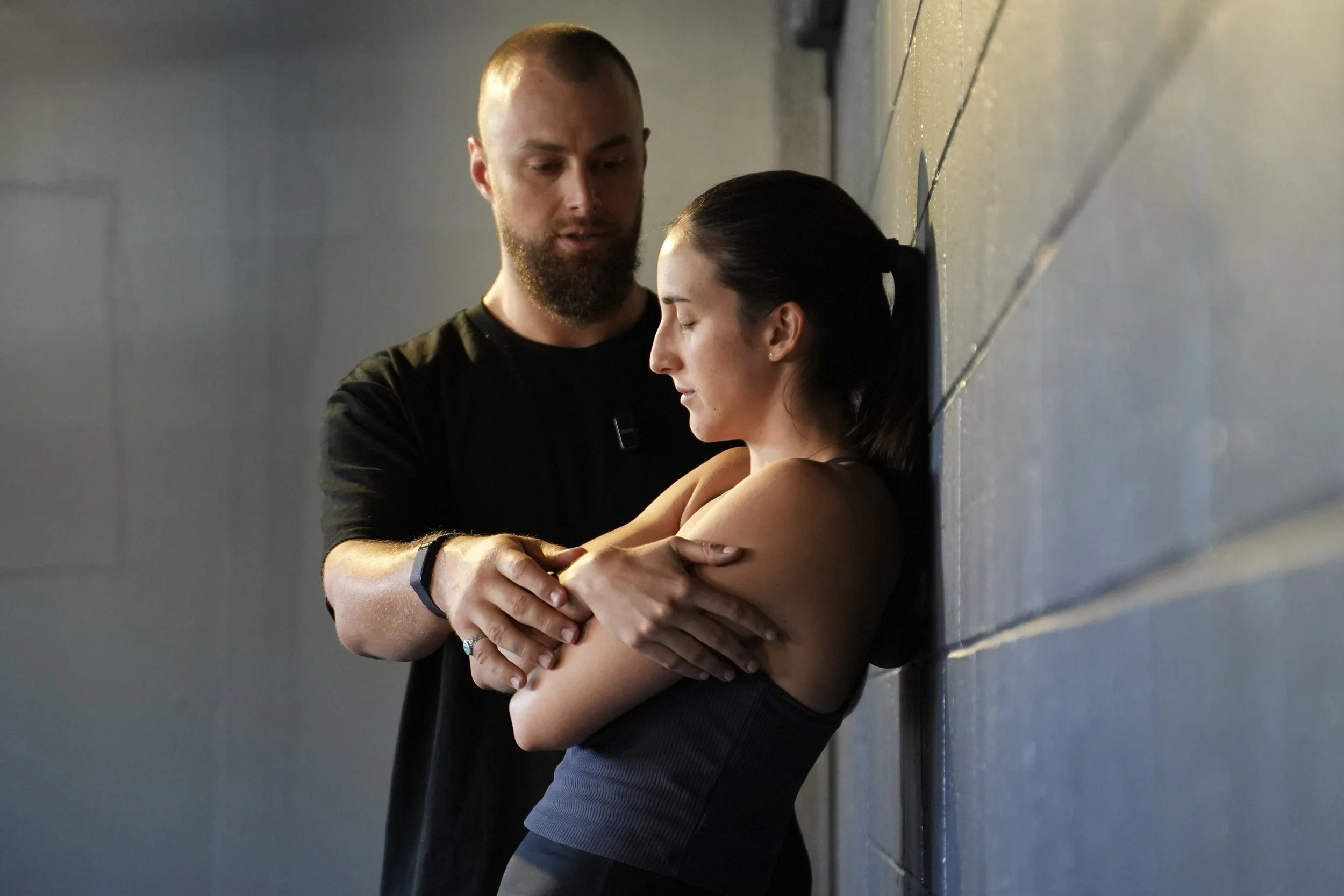
A tailored approach for working on your specific needs, including personalised exercise prescription.
Treatment:
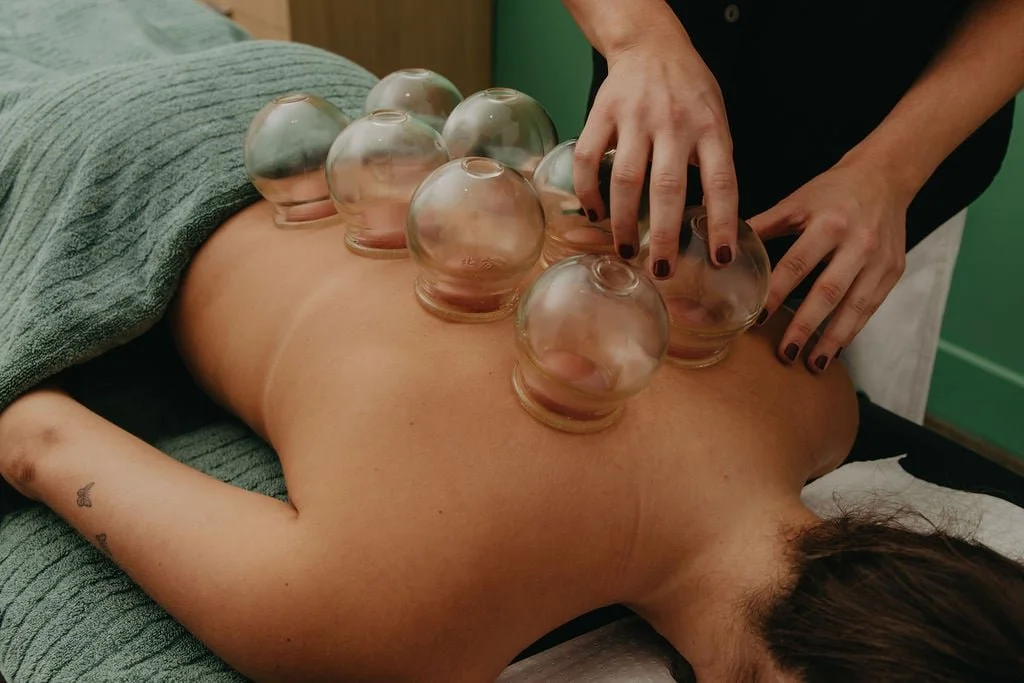
Hands-on treatment including active release, soft tissue work, and dry needling for fast relief.
What We Investigate & Address
Biotoxin Exposure Assessment & Removal
The most critical first step in CIRS treatment is identification and removal from the biotoxin source. Living or working in a water-damaged building while undertaking treatment produces limited or no sustained improvement. Environmental remediation assessment, including ERMI or HERTSMI-2 testing of the building environment, guides decisions about remediation or relocation. Clinical improvement cannot be fully achieved while biotoxin exposure continues.
CIRS Diagnostic Testing
The CIRS diagnosis is supported by a combination of laboratory testing and clinical findings. Key markers include HLA-DR genotyping for susceptibility, visual contrast sensitivity testing for neurological involvement, CBC with differential for specific inflammatory patterns, and the biotoxin-related laboratory panel including MSH, MMP-9, C4a, TGF-beta1, VIP, VEGF, ACTH, cortisol, and ADH with osmolality. These markers also guide the sequence of treatment and provide objective evidence of response.
Binders & Biotoxin Clearance
Following removal from exposure, biotoxin binding agents are used to interrupt the enterohepatic recirculation of biotoxins and facilitate their clearance. Cholestyramine and activated charcoal are the primary pharmaceutical binders. Natural binder options including bentonite clay, chlorella, and zeolite may be considered depending on individual tolerance and clinical context. Binder therapy is a foundational step that must precede other treatments in the Shoemaker Protocol.
MMP-9 Reduction & Downstream Inflammation
Elevated matrix metalloproteinase-9 is a central driver of the tissue inflammation and neurological symptoms in CIRS. After binder therapy, addressing elevated MMP-9 through dietary modification including a low amylose diet, targeted anti-inflammatory support, and omega-3 supplementation is the next step in the protocol. Normalising MMP-9 reduces the inflammatory cascade driving many CIRS symptoms.
VIP & Neurological Support
Vasoactive intestinal peptide deficiency is a late-stage finding in CIRS associated with neurological symptoms, dysautonomia, and multi-system inflammatory activity. VIP therapy, delivered as a nasal spray under medical supervision, addresses this deficiency and is one of the most powerful tools for resolving persistent CIRS symptoms in the final stages of the protocol. It requires that earlier steps in the protocol have been completed first.
Mould illness is one of the most underdiagnosed conditions in functional medicine practice. For people who have been unwell for years without a clear explanation, whose symptoms involve multiple body systems, and whose health correlates with specific environments, it deserves serious consideration and expert assessment.
Book Visit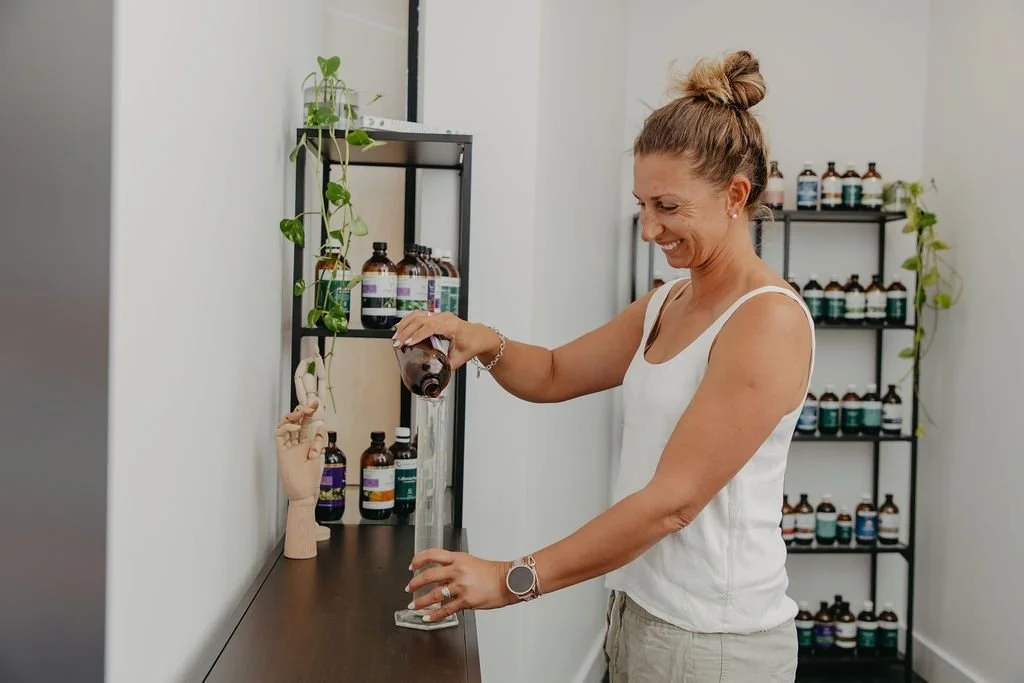
Signs That May Indicate Mould Illness or Biotoxin Exposure
CIRS produces a distinctive pattern of multi-system symptoms that often does not fit into a standard diagnostic category. Many people with CIRS have seen multiple specialists and received multiple diagnoses before the biotoxin connection is identified.
Mould illness is frequently missed by standard medical investigation because the standard blood panel does not include the specific markers needed for diagnosis. A practitioner with specific experience in CIRS investigation is necessary to assess this condition accurately.
Book NowFrequently Asked Questions About Mould Illness & Environmental Health
How do I know if my symptoms are from mould exposure?
Suspicion of mould illness arises when there is a history of exposure to water-damaged buildings, when symptoms involve multiple body systems simultaneously, when symptom onset or worsening correlates with time spent in a specific building, and when standard medical investigation has not produced a unifying diagnosis. The visual contrast sensitivity test is a sensitive screening tool for neurological biotoxin effects. Formal CIRS diagnosis requires the specific laboratory panel and clinical assessment by a practitioner experienced in this condition.
Do I have to move out of my home to recover?
If your home is the source of biotoxin exposure, continued exposure prevents recovery regardless of treatment. If remediation of the property can achieve ERMI values below safe thresholds, it may be possible to remain. However, severely affected buildings or buildings where remediation is not feasible require a change in living environment as a prerequisite for clinical improvement. Your functional medicine practitioner can guide you on testing the environment and interpreting results.
Is CIRS recognised by mainstream medicine?
CIRS as defined by the Shoemaker Protocol is not universally accepted in mainstream medicine, though the underlying science is well-supported and has been published in peer-reviewed literature. Many people with CIRS have previously been given diagnoses of fibromyalgia, chronic fatigue syndrome, anxiety, or somatoform disorder. Functional and integrative medicine practitioners with specific training in CIRS are the most appropriate practitioners for assessment and treatment of this condition.
Can children get mould illness?
Yes. Children are not less susceptible to biotoxin exposure, and some evidence suggests they may be more vulnerable due to their developing immune and neurological systems. Symptoms in children may include learning and attention difficulties, recurrent illness, fatigue, and behaviour changes. Suspicion should be raised when a child's symptoms correlate with time spent in a specific building and when standard paediatric investigation has not produced a diagnosis.
What other environmental toxins cause similar illness?
Ciguatera toxin from contaminated fish, tick-borne illness including Lyme disease and associated co-infections, brown recluse spider venom, and apicomplexan protozoa are among the biotoxin sources that can produce CIRS through the same HLA-DR-mediated mechanism as mould. The diagnostic and treatment framework overlaps significantly across these biotoxin sources, which is why the Shoemaker Protocol addresses biotoxin illness as a category rather than mould specifically.