Patellofemoral Pain Syndrome (Runner's Knee) Gold Coast
Patellofemoral pain syndrome produces pain around or behind the kneecap that worsens with running, stairs, squatting, and prolonged sitting — and is one of the most common lower limb injuries in runners and active people.
Whether your runner's knee has come on gradually with increased mileage, developed after a change in footwear or training surface, or has been present for months without improvement, The Good Joint provides accurate assessment of the full lower limb and a targeted rehabilitation program that addresses the actual cause.
Book Now
Understanding Patellofemoral Pain Syndrome
The Patellofemoral Joint
The patellofemoral joint is formed between the patella (kneecap) and the femur (thigh bone). The patella tracks through the femoral groove as the knee bends and straightens. When the forces acting on the patellofemoral joint are poorly distributed — from muscle imbalance, altered movement patterns, or training load — excessive pressure on the articular cartilage behind the kneecap produces pain. This is the fundamental mechanism of patellofemoral pain syndrome (PFPS).
Hip Strength & Patella Tracking
Research consistently demonstrates that hip abductor and external rotator weakness is strongly associated with PFPS. When the hip cannot control femoral internal rotation and adduction during loading — as occurs in running, stair descent, and landing — the femur drops inward relative to the patella, altering its tracking mechanics and increasing compressive load on the lateral facet. Addressing hip strength is therefore a central component of effective PFPS rehabilitation regardless of where the pain is felt.
Load & Training Errors
The most common trigger for PFPS in active people is a training load error — a rapid increase in mileage, a sudden addition of hill running, a change in footwear, or a return to running too quickly after a break. The patellofemoral joint responds to load changes more slowly than the surrounding muscles, and when load outpaces capacity, pain results. Load management alongside the strength and movement corrections is essential for lasting resolution.
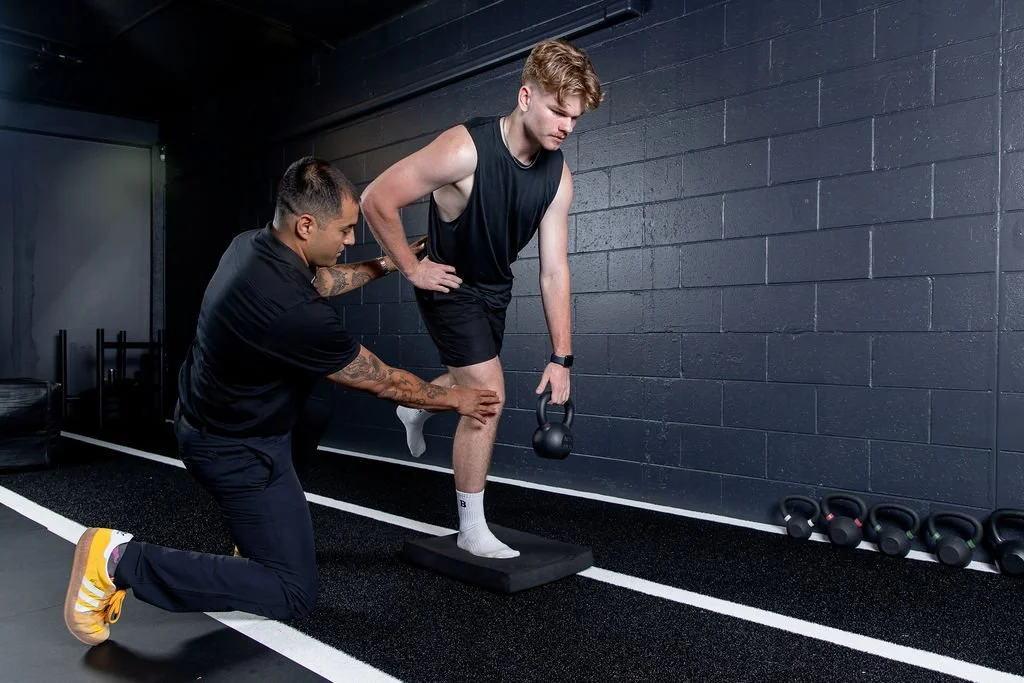
At The Good Joint our physiotherapists, chiropractors, and osteopaths assess the full lower limb including hip strength, foot mechanics, running technique, and knee joint function to identify the specific drivers of your patellofemoral pain and build a targeted rehabilitation plan.
Book Visit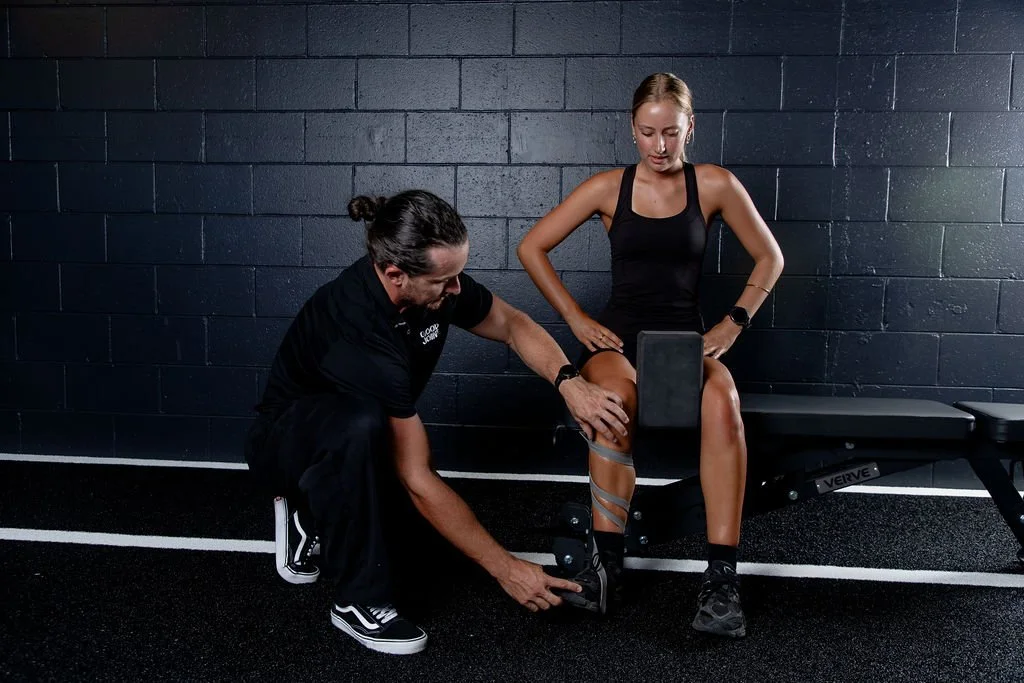
WHAT TO EXPECT DURING YOUR FIRST VISIT
Discussion:
A brief chat about what's brought you in and how it has been impacting your lifestyle.
Physical Assessment:
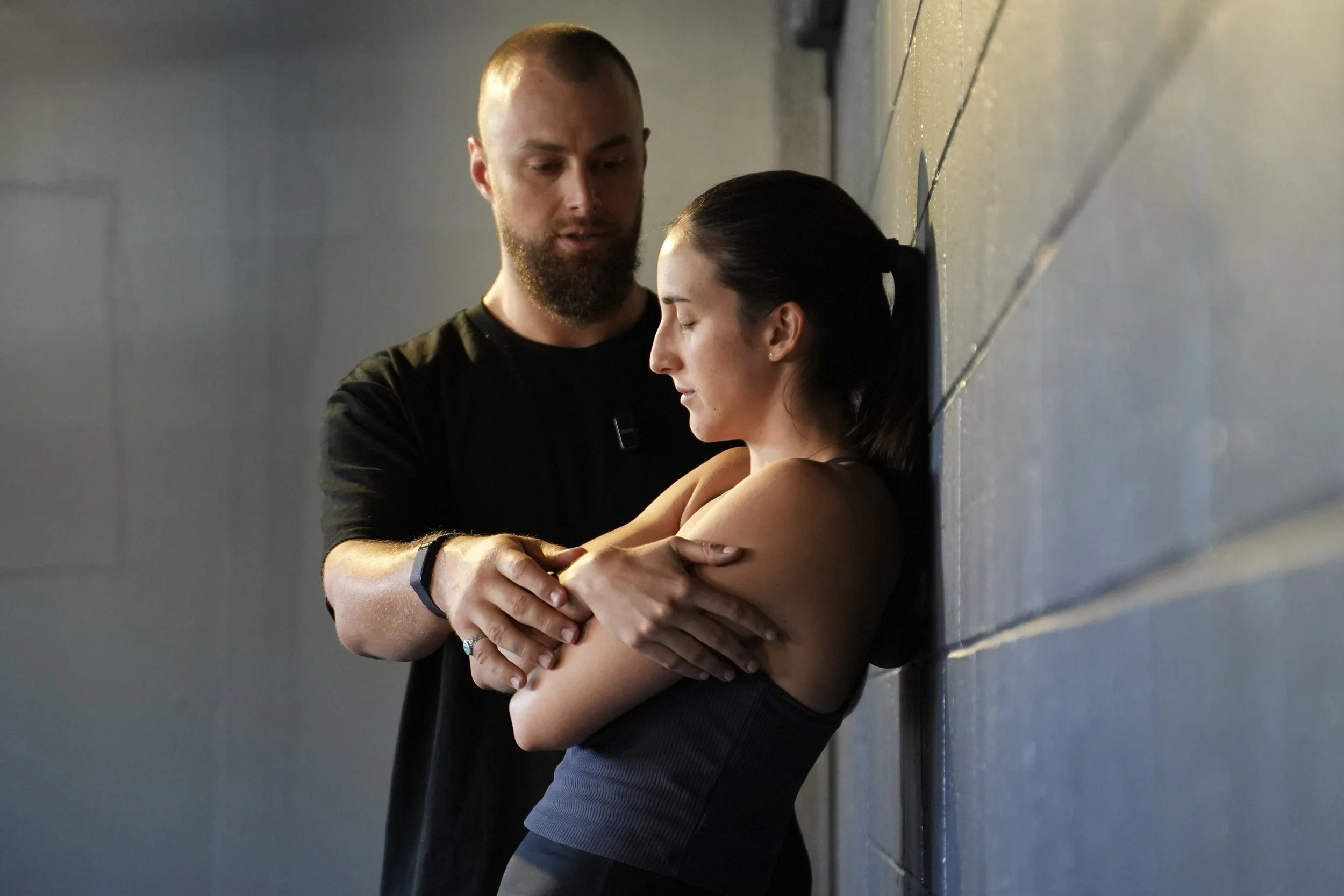
Functional testing to assess and identify underlying factors contributing to your symptoms.
Recovery Plan:
A tailored approach for working on your specific needs, including personalised exercise prescription.
Treatment:
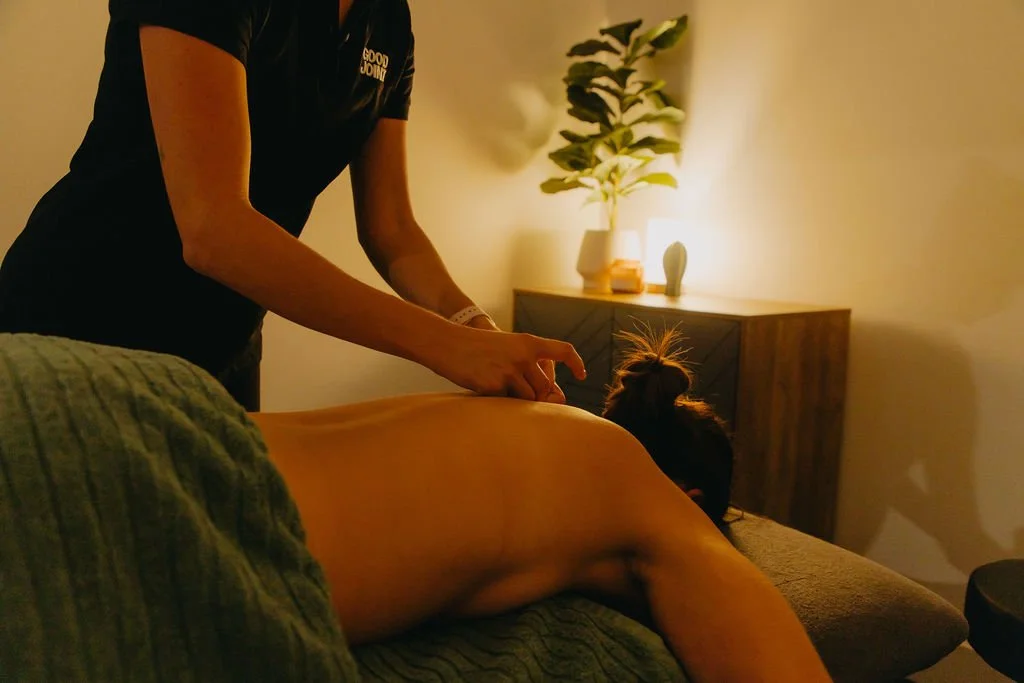
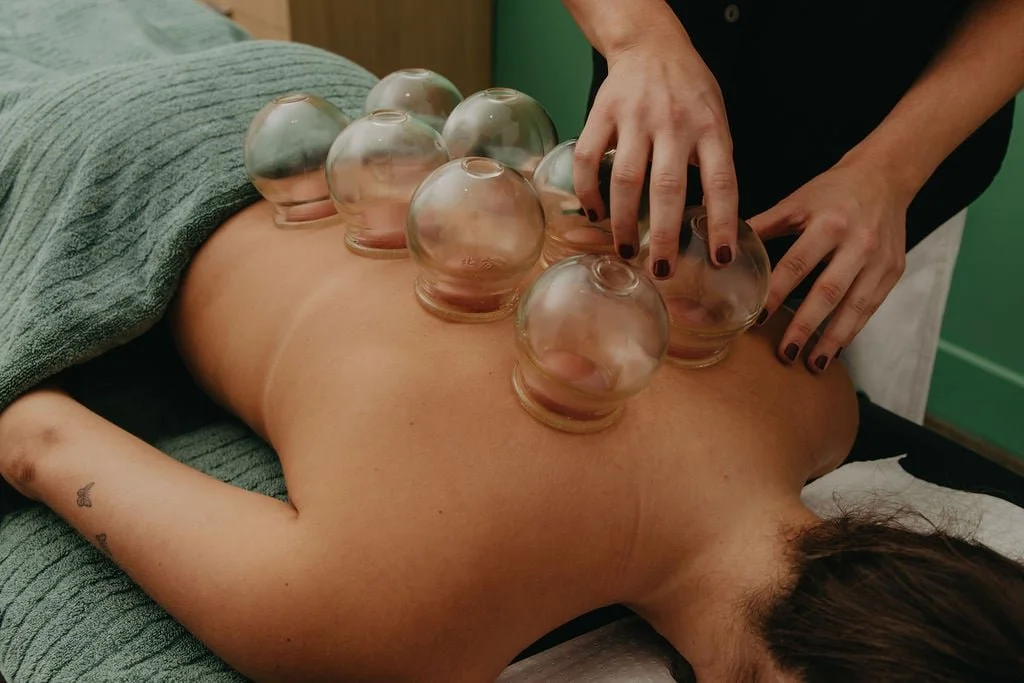
Hands-on treatment including active release, soft tissue work, and dry needling for fast relief.
What Causes Patellofemoral Pain Syndrome
Hip Abductor & External Rotator Weakness
Weakness in the gluteus medius and external hip rotators allows the femur to drop into adduction and internal rotation during weight-bearing activities. This misaligns the patellofemoral joint and increases lateral patellar compression. Hip strengthening produces measurable reductions in anterior knee pain even without specific knee exercises, which is why a thorough hip and lumbopelvic assessment is non-negotiable in PFPS management.
Foot Pronation & Tibial Rotation
Excessive foot pronation during loading drives tibial internal rotation, which compounds femoral internal rotation and worsens patellofemoral mechanics. Foot mechanics assessment — including dynamic assessment during squatting and step-down tasks, not just static arch assessment — identifies whether pronation is a contributing factor and guides footwear, orthotic, and strengthening decisions.
Training Load Spikes
A sudden increase in running volume or intensity is one of the most common triggers for PFPS, particularly in new runners and those returning after a break. The articular cartilage and subchondral bone of the patellofemoral joint have lower thresholds for cumulative loading than the surrounding muscles, making load management an essential component of treatment and prevention.
Vastus Medialis Oblique Dysfunction
The VMO, the inner quadriceps muscle, plays a specific role in medial patellar stabilisation during the final degrees of knee extension. Impaired VMO timing or activation allows the patella to be pulled laterally by the vastus lateralis, increasing lateral facet pressure. Targeted quadriceps strengthening with specific emphasis on VMO activation is a component of comprehensive PFPS rehabilitation.
Running Technique Factors
Increased knee valgus during running, excessive forward trunk lean, a narrow step width, and a lower cadence all increase the compressive and shear forces on the patellofemoral joint during running. Running technique assessment and modification — including simple cues such as increasing step width or running cadence — can produce rapid and significant reductions in patellofemoral load without changing any other variable.
Runner's knee responds very well to a comprehensive approach that identifies the hip, movement, and load factors driving it. A targeted assessment and structured rehabilitation program consistently produces better outcomes than rest and gradual return alone.
Book Visit
Signs & Symptoms of Patellofemoral Pain Syndrome
Patellofemoral pain syndrome has a distinct presentation pattern linked to loading and compression of the kneecap. The specific activities that provoke symptoms and the typical location of pain are highly characteristic.
Patellofemoral pain that is managed with rest alone without addressing hip strength, movement patterns, and load management reliably returns when running is resumed. A comprehensive approach that targets all contributing factors produces lasting resolution.
Book NowFrequently Asked Questions About Patellofemoral Pain Syndrome
Can I keep running with patellofemoral pain?
In many cases, yes — with appropriate load modification. Completely stopping running removes the symptom driver temporarily but does not address the underlying hip strength and movement deficits, meaning pain returns when running resumes. A modified training plan that reduces volume and intensity below the symptom threshold, combined with a progressive strengthening program, allows continued activity while the underlying capacity is built.
Why does going downstairs hurt more than upstairs?
Descending stairs requires the quadriceps to work eccentrically to control knee flexion under body weight, which generates significantly higher patellofemoral joint compressive forces than ascending. This is why PFPS symptoms are almost universally worse on descent than ascent, and it is a useful diagnostic indicator. As hip and quadriceps strength improve through rehabilitation, stair descent pain is typically one of the last symptoms to fully resolve.
Is patellofemoral pain the same as chondromalacia?
Chondromalacia patellae refers to softening or damage of the articular cartilage on the back of the kneecap and is a structural finding. Patellofemoral pain syndrome is a clinical diagnosis based on symptoms and does not necessarily involve cartilage damage. Many people with PFPS have normal cartilage on imaging. Conversely, some people with chondromalacia have no symptoms. Managing PFPS does not require imaging unless other pathology is suspected.
How long does runner's knee take to resolve?
With appropriate management, most PFPS presentations show significant improvement within six to twelve weeks. Full resolution and return to unrestricted running typically takes three to four months when the rehabilitation program is completed systematically. People who address only the knee without correcting the hip and movement contributors tend to have slower and less complete recovery. Starting earlier with a comprehensive approach consistently produces better timelines.
What is the best treatment for patellofemoral pain?
Physiotherapy-led rehabilitation targeting hip abductor and external rotator strength, quadriceps strengthening, foot mechanics assessment, and progressive return to running is the most evidence-supported treatment for PFPS. Load management through a structured running program is essential. Running technique modification where specific biomechanical contributors are identified is highly effective for runners. At The Good Joint, we assess all of these factors together and build a program that addresses the specific contributors in your presentation.