PCOS, Endometriosis & Hormone Imbalances Gold Coast
PCOS and endometriosis are the two most common hormonal conditions in women of reproductive age, and both are frequently underdiagnosed or managed with hormonal suppression without investigating or addressing the underlying drivers.
Whether you have a confirmed diagnosis of PCOS or endometriosis, suspect you may have one, or are dealing with irregular cycles, painful periods, or hormonal symptoms that have not been explained, our functional medicine practitioners take a thorough root cause approach to understanding your hormonal picture and build a personalised plan to restore balance.
Book Now
PCOS & Endometriosis Deserve Better Than Symptom Suppression
PCOS Is Not One Condition
Polycystic ovary syndrome is a heterogeneous endocrine condition with several distinct subtypes. Insulin-resistant PCOS is driven by high insulin and responds well to dietary and lifestyle intervention. Adrenal PCOS involves elevated DHEA-S from adrenal androgen excess. Inflammatory PCOS is associated with systemic inflammation and gut dysbiosis. Post-pill PCOS arises after discontinuing oral contraception. Identifying the subtype through comprehensive hormonal testing allows for a far more targeted and effective treatment approach than treating all PCOS the same way.
Endometriosis Beyond the Pelvis
Endometriosis involves growth of endometrial-like tissue outside the uterus and is associated with immune dysregulation, systemic inflammation, gut involvement, and a sensitised nervous system that amplifies pain. A functional medicine approach addresses oestrogen metabolism, gut health, inflammatory load, and nervous system regulation alongside any medical management, often producing meaningful reduction in pain and symptom severity beyond what hormonal treatment alone achieves.
Hormonal Imbalances That Drive Symptoms
Both PCOS and endometriosis involve hormonal dysregulation that affects oestrogen metabolism, progesterone, testosterone, and cortisol. Comprehensive hormone testing including the DUTCH test provides a detailed picture of how hormones are being produced, converted, and cleared. This level of precision allows for targeted nutritional, herbal, and lifestyle interventions that address the specific pattern in each individual.
At The Good Joint our functional medicine practitioners take the time to understand your full hormonal picture through thorough history taking, targeted testing, and an individualised plan that addresses the actual drivers of your condition.
Book Visit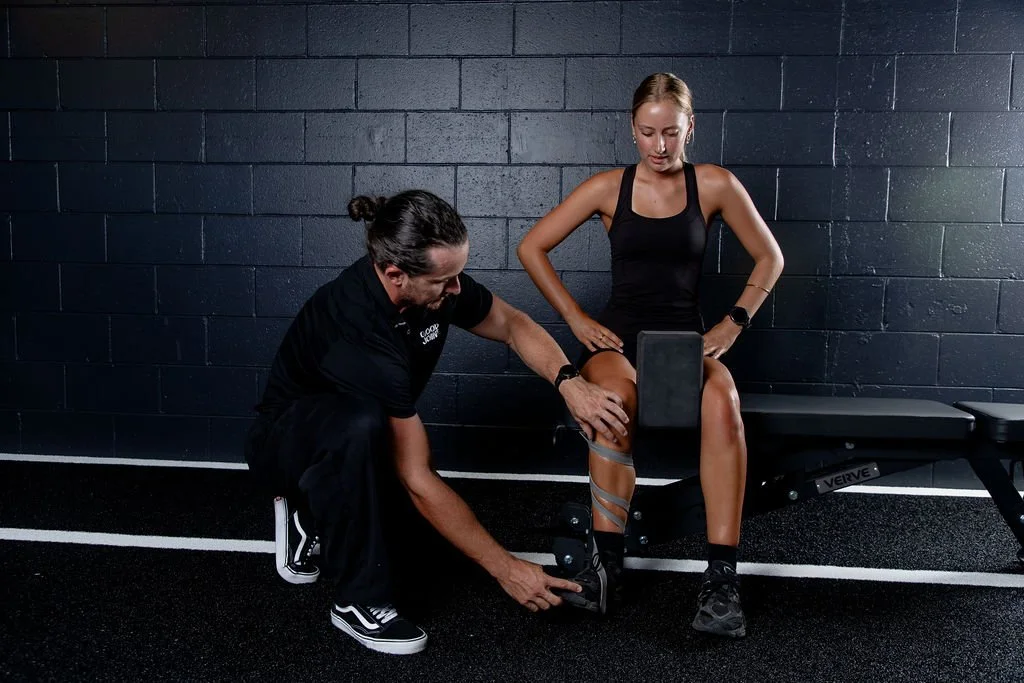
WHAT TO EXPECT DURING YOUR FIRST VISIT
Discussion:
A brief chat about what's brought you in and how it has been impacting your lifestyle.
Physical Assessment:
Functional testing to assess and identify underlying factors contributing to your symptoms.
Recovery Plan:
A tailored approach for working on your specific needs, including personalised exercise prescription.
Treatment:
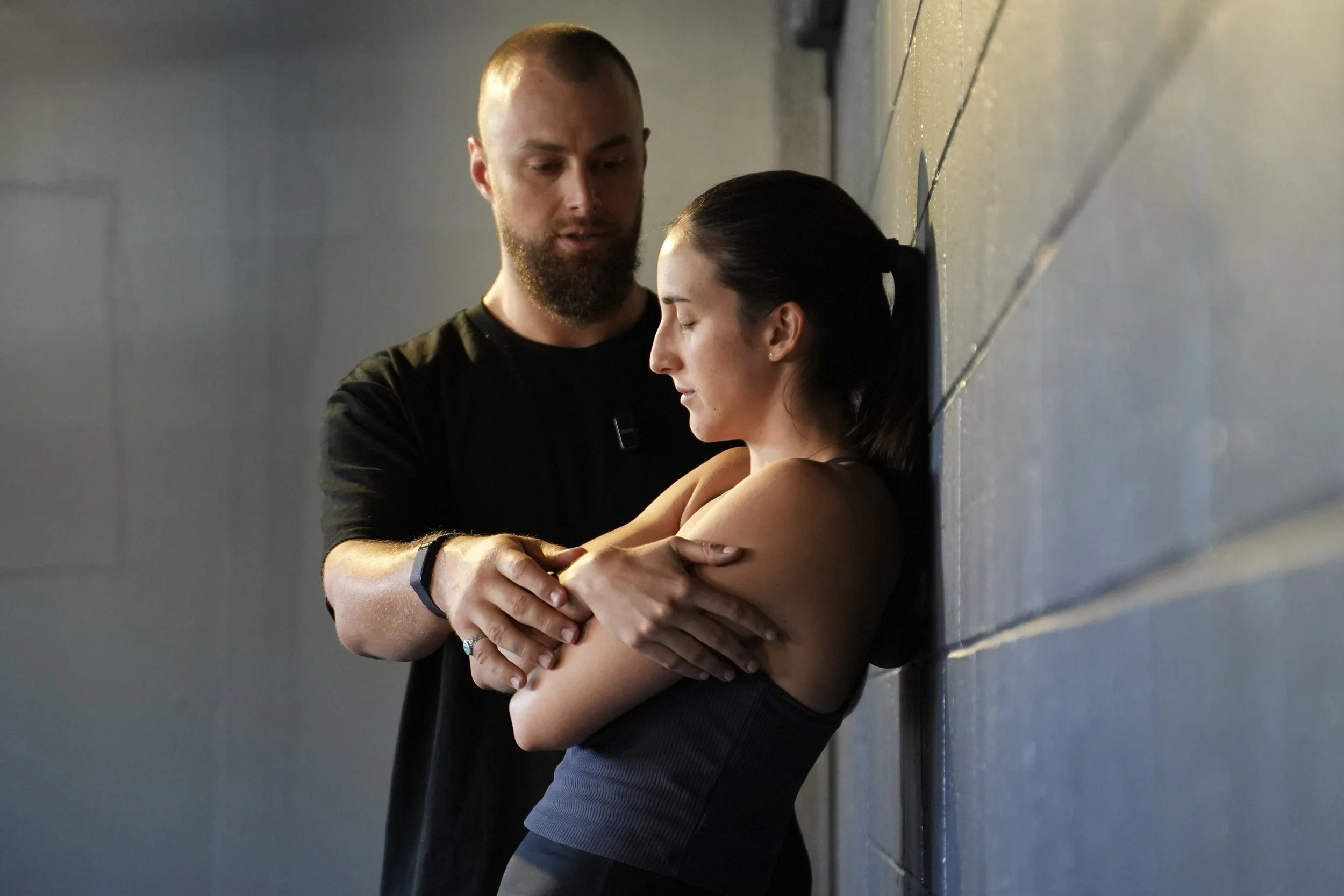
Hands-on treatment including active release, soft tissue work, and dry needling for fast relief.
What We Investigate & Address
PCOS Subtype Identification & Treatment
Effective PCOS management begins with identifying the subtype. Insulin-resistant PCOS responds to low-glycaemic nutrition, inositol supplementation, and resistance training. Adrenal PCOS requires HPA axis support and stress management. Inflammatory PCOS benefits from gut restoration and anti-inflammatory dietary approaches. Post-pill PCOS typically resolves with nutritional support and cycle restoration strategies. Treating all PCOS with the same protocol is the primary reason many women do not respond to standard management.
Endometriosis & Oestrogen Metabolism
Endometriosis is an oestrogen-dependent condition. Impaired oestrogen detoxification, gut microbiome imbalance affecting the estrobolome, and environmental oestrogen exposure all contribute to excess oestrogen signalling that drives disease activity. Supporting liver phase I and phase II detoxification, restoring gut microbiome balance, and reducing environmental oestrogen load through lifestyle and dietary modification is a foundational component of functional endometriosis management.
Inflammatory Load & Immune Regulation
Both PCOS and endometriosis involve elevated systemic inflammation. In endometriosis, the immune system fails to adequately suppress ectopic endometrial tissue, and chronic pelvic inflammation perpetuates the pain cycle. An anti-inflammatory dietary approach, omega-3 supplementation, gut health restoration, and targeted anti-inflammatory nutrients reduce the inflammatory burden that drives disease activity and pain sensitisation.
Painful Periods & Prostaglandin Balance
Painful periods are driven by prostaglandin production during menstruation. The balance between pro-inflammatory PGE2 and anti-inflammatory PGE1 and PGE3 is influenced by dietary fat intake, omega-3 to omega-6 ratio, and magnesium status. Correcting these nutritional drivers produces meaningful reductions in period pain without requiring hormonal suppression.
Fertility Considerations in PCOS & Endometriosis
Both PCOS and endometriosis are associated with fertility challenges, though the mechanisms differ. PCOS-related infertility is primarily driven by anovulation and insulin resistance. Endometriosis-related infertility involves anatomical, inflammatory, and immune factors. A functional preconception approach addressing ovulation, egg quality, inflammatory load, and nutritional status improves natural fertility outcomes and the success rates of assisted reproduction where required.
PCOS and endometriosis are complex conditions that deserve more than symptom suppression. Understanding the specific hormonal and inflammatory drivers in your case opens the door to targeted treatment that addresses the cause and produces lasting improvement.
Book Visit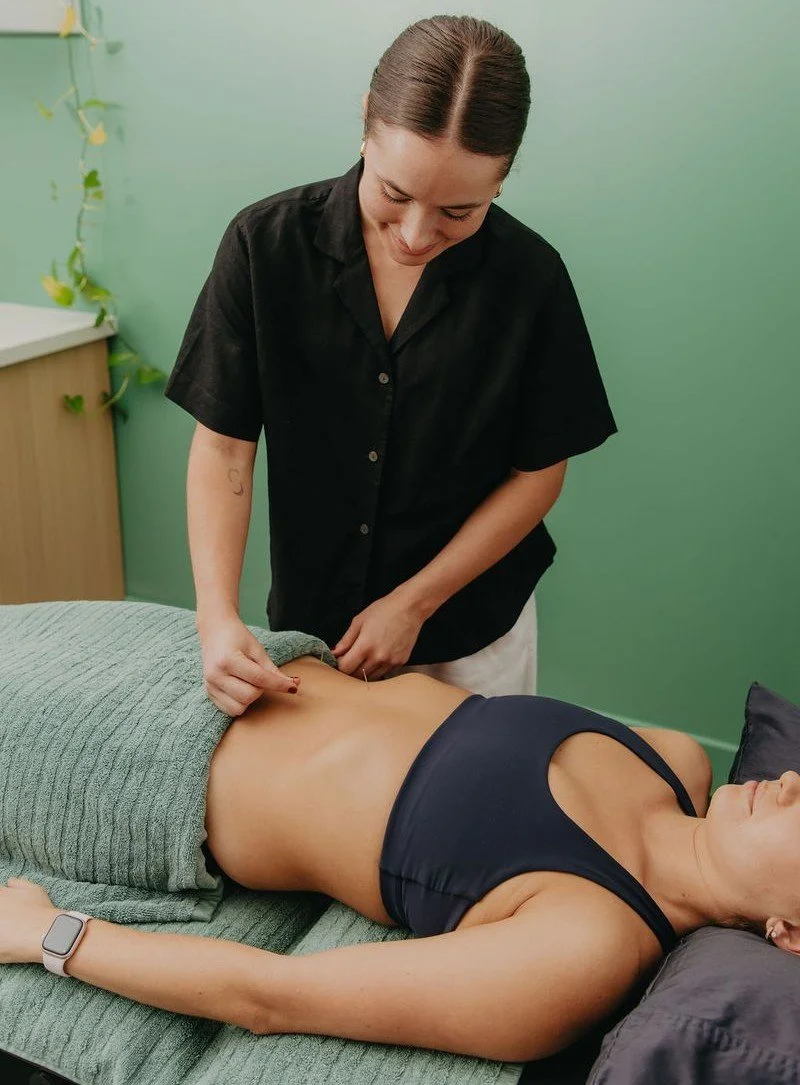
Signs You May Have PCOS, Endometriosis, or Hormonal Imbalance
Hormonal conditions in women are frequently normalised, dismissed, or managed with the oral contraceptive pill without the underlying condition being properly investigated. Recognising the pattern is the most important first step.
Hormonal conditions that are managed with the pill without investigating the cause may have their symptoms suppressed but the underlying condition continues to progress. A functional medicine assessment provides the information needed to address the actual drivers.
Book NowFrequently Asked Questions About PCOS, Endometriosis & Hormone Imbalances
Can PCOS be managed without the pill?
Yes. The oral contraceptive pill suppresses the symptoms of PCOS without addressing its cause. When the pill is discontinued, symptoms typically return, often more severely. A functional medicine approach identifies the subtype of PCOS through comprehensive testing and addresses the specific driver, whether that is insulin resistance, adrenal excess, or inflammation, with dietary, nutritional, and lifestyle interventions. Many women with PCOS achieve regular cycles, reduced androgen symptoms, and improved fertility through this approach.
What is the difference between period pain and endometriosis?
Mild period pain from prostaglandin-driven uterine contractions is common. Endometriosis is associated with severe period pain that is disproportionate to the cycle, pelvic pain outside of menstruation, pain with intercourse, and in many cases gut and bladder symptoms. The average delay to diagnosis of endometriosis is seven to ten years because these symptoms are frequently normalised. If your period pain is severe, affects function, or is accompanied by other pelvic symptoms, investigation is warranted.
Can diet really help PCOS and endometriosis?
Yes, and the evidence base is strong for both. In PCOS, a low-glycaemic dietary pattern reduces insulin and improves hormonal balance, cycle regularity, and androgen symptoms. In endometriosis, an anti-inflammatory diet reduces prostaglandin production and systemic inflammatory markers associated with disease activity and pain. These are not alternative treatments but evidence-informed interventions that work alongside and often reduce the need for medical management.
What is the DUTCH test and is it useful for these conditions?
The DUTCH test measures sex hormones, their metabolites, and cortisol patterns through dried urine collection. It provides a detailed picture of oestrogen production, the specific oestrogen metabolites being produced (which influences cancer risk and endometriosis activity), progesterone, androgens, and adrenal function. For both PCOS and endometriosis, this level of detail is significantly more informative than standard blood hormone panels and guides a far more targeted treatment approach.
How is endometriosis diagnosed and can functional medicine help before diagnosis?
Endometriosis is definitively diagnosed by laparoscopy. Non-invasive investigations including pelvic ultrasound and MRI can identify some forms of endometriosis but not all. Functional medicine support can begin before a surgical diagnosis is confirmed. Addressing inflammation, oestrogen metabolism, gut health, and pain sensitisation through a functional approach reduces symptoms and improves quality of life regardless of whether a surgical diagnosis has been made, and supports better outcomes from surgical treatment when it is performed.