Pelvic Floor & Core Rehabilitation Gold Coast
The pelvic floor is a group of muscles and connective tissue structures that support the pelvic organs, contribute to continence, and play a central role in core stability and load transfer through the lumbar spine and pelvis.
Whether you are dealing with incontinence, pelvic organ prolapse, pelvic pain, diastasis recti, or wanting to restore core function after pregnancy, our women's health physiotherapists and rehabilitation specialists provide thorough assessment and a personalised rehabilitation program.
Book Now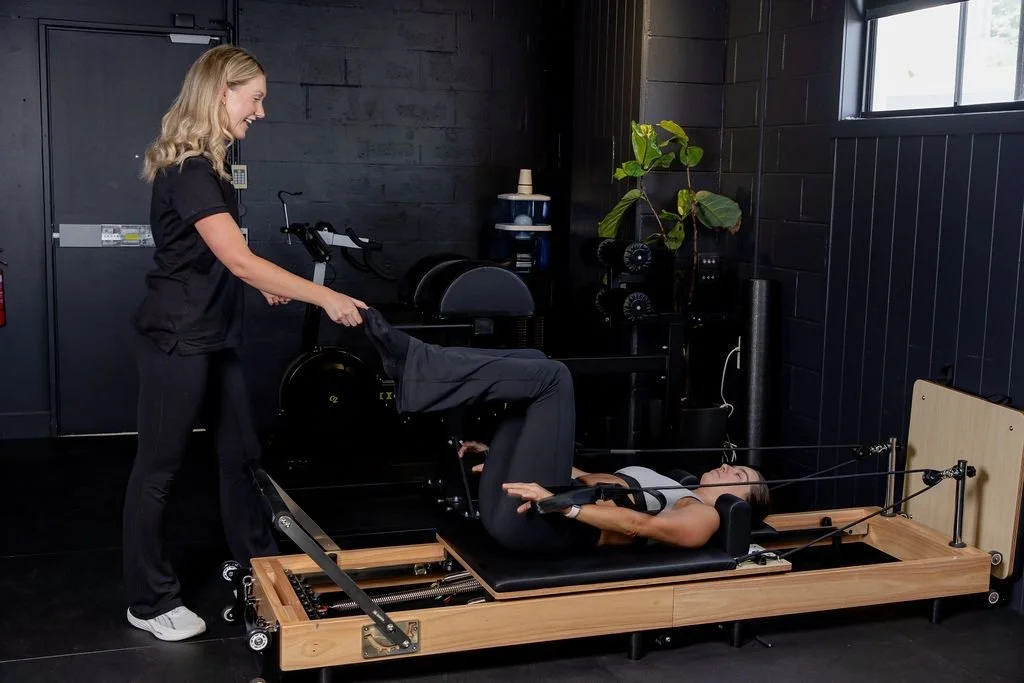
The Pelvic Floor in Health & Dysfunction
What the Pelvic Floor Does
The pelvic floor supports the bladder, uterus, and rectum against the downward forces of gravity and intra-abdominal pressure. It coordinates with the diaphragm, transversus abdominis, and multifidus as part of the deep core system to stabilise the lumbar spine and pelvis during load. In continence it provides the sphincteric control that prevents leakage with increases in abdominal pressure such as coughing, sneezing, and jumping.
Tight vs Weak - Not Always the Same Problem
Pelvic floor dysfunction is often assumed to mean weakness requiring strengthening. However, a significant proportion of people presenting with pelvic floor symptoms have a hypertonic, overactive, or tender pelvic floor rather than a weak one. A tight pelvic floor can produce urinary urgency, pelvic pain, pain with intercourse, and paradoxically, leakage. Assessing whether the pelvic floor needs to be strengthened or released is the first and most important clinical decision.
Internal Assessment & Tailored Rehabilitation
Accurate pelvic floor assessment may include internal examination to assess muscle tone, length, strength, endurance, and coordination. This allows the rehabilitation program to be precisely targeted to the individual's specific pattern of dysfunction rather than applying generic Kegel exercises that may worsen a hypertonic presentation.
At The Good Joint our women's health physiotherapists provide expert pelvic floor assessment and a rehabilitation program tailored to your specific presentation, whether that is weakness, tightness, or a combination of both.
Book Visit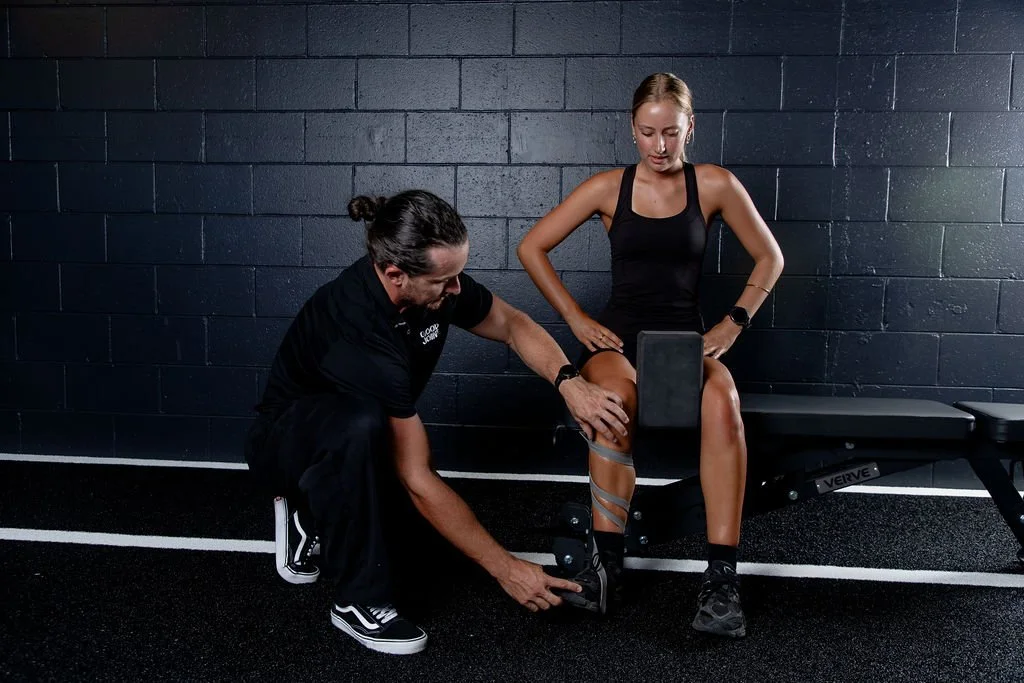
WHAT TO EXPECT DURING YOUR FIRST VISIT
Discussion:
A brief chat about what's brought you in and how it has been impacting your lifestyle.
Physical Assessment:
Functional testing to assess and identify underlying factors contributing to your symptoms.
Recovery Plan:
A tailored approach for working on your specific needs, including personalised exercise prescription.
Treatment:
Hands-on treatment including active release, soft tissue work, and dry needling for fast relief.
Conditions We Treat
Stress Urinary Incontinence
Stress urinary incontinence involves leakage of urine with increases in intra-abdominal pressure such as coughing, sneezing, laughing, jumping, and lifting. It is the most common form of incontinence and is highly responsive to pelvic floor rehabilitation. A structured program of targeted pelvic floor strengthening, with correct muscle activation confirmed through assessment, reduces or resolves stress incontinence in the majority of cases within eight to twelve weeks.
Urge Incontinence & Overactive Bladder
Urge incontinence involves a strong, sudden urge to urinate followed by leakage before reaching the toilet. It is associated with overactive bladder signalling and is often driven by a combination of pelvic floor dysfunction, bladder irritants, fluid habits, and nervous system sensitisation. Bladder retraining, pelvic floor rehabilitation, and dietary modification form the foundation of conservative management.
Pelvic Organ Prolapse
Pelvic organ prolapse involves descent of the bladder, uterus, or rectum into or beyond the vaginal wall due to weakened pelvic floor and fascial support. Symptoms include pelvic heaviness, a bulge sensation, and incomplete bladder or bowel emptying. Pelvic floor rehabilitation reduces prolapse symptoms and in mild to moderate cases can prevent progression. It is also essential preparation for surgical repair and recovery in more significant presentations.
Diastasis Recti
Diastasis recti is a widening of the linea alba between the rectus abdominis muscles that commonly occurs during pregnancy. It produces a soft gap or bulge in the midline with sit-ups or core loading, and is associated with reduced core stability and increased pelvic girdle pain. Rehabilitation focuses on load management, appropriate core activation strategies, and progressive strengthening through the midline.
Pelvic Pain & Vaginismus
Chronic pelvic pain and vaginismus involve a hypertonic, overactive pelvic floor that produces pain with penetration, intercourse, tampon use, and gynaecological examination. Treatment involves pelvic floor downtraining techniques, manual therapy to release myofascial tension, breathing and nervous system regulation strategies, and progressive desensitisation. This requires a skilled and sensitive clinical approach.
Pelvic floor and core dysfunction is one of the most responsive presentations to physiotherapy intervention. Accurate assessment, a targeted program, and consistent follow-through produce outcomes that make a significant difference to daily life and long-term health.
Book Visit
Signs You May Need Pelvic Floor Rehabilitation
Pelvic floor symptoms are often normalised, particularly after childbirth, but they are not inevitable and respond very well to specific rehabilitation.
Pelvic floor symptoms affect a large proportion of women and are among the most highly responsive to physiotherapy intervention. Getting an accurate assessment rather than assuming the issue is simply weakness is the most important first step.
Book NowFrequently Asked Questions About Pelvic Floor & Core Rehabilitation
Are Kegel exercises right for everyone?
No. Kegel exercises are appropriate for a weak or underactive pelvic floor but can worsen symptoms in a hypertonic or overactive pelvic floor, which requires downtraining and release rather than strengthening. Assessment by a women's health physiotherapist determines which pattern is present and whether Kegels are appropriate, contraindicated, or need to be introduced gradually. Generic Kegel advice without assessment is the primary reason many women do not improve with home exercise.
What happens in a pelvic floor physiotherapy appointment?
A pelvic floor physiotherapy assessment includes a detailed history, posture and movement screening, external and where appropriate internal assessment of pelvic floor muscle tone, strength, endurance, and coordination, and an assessment of any contributing factors including breathing pattern and core activation strategy. The assessment findings guide a personalised rehabilitation program that is reviewed and progressed at each subsequent appointment.
How long does pelvic floor rehabilitation take?
Most people begin to notice improvement within four to six weeks of beginning a targeted program. Stress incontinence typically responds within eight to twelve weeks. More complex presentations including prolapse, chronic pelvic pain, and diastasis recti may require three to six months of guided rehabilitation. The pace of improvement is closely related to the consistency of the home exercise program between appointments.
Can I do pelvic floor exercises during pregnancy?
Yes. Pelvic floor exercise during pregnancy is safe, appropriate, and recommended. It reduces the risk of incontinence following birth, supports the pelvic floor under the increasing load of pregnancy, and prepares the muscles for the demands of labour and delivery. Exercise should be appropriate to the stage of pregnancy and guided by a women's health physiotherapist where any symptoms are present.
Do men have pelvic floor problems?
Yes. Men have a pelvic floor and can develop weakness, tightness, and pain in these muscles. Post-prostatectomy incontinence is the most common indication for pelvic floor rehabilitation in men and responds very well to targeted rehabilitation. Pelvic pain, chronic prostatitis, and post-surgical rehabilitation are additional indications for pelvic floor assessment and treatment in men.