Pinched Nerve & Nerve Pain Gold Coast
A pinched nerve produces pain, burning, numbness, or tingling that follows a specific pathway - from the neck into the arm, or from the lower back into the leg.
Whether the compression is coming from a disc, a tight muscle, or a narrowed joint space, identifying the exact source and level of the nerve involvement is the starting point for effective treatment. Our chiropractors, physiotherapists, and osteopaths assess and treat nerve pain from the spine to the extremities.
Book Now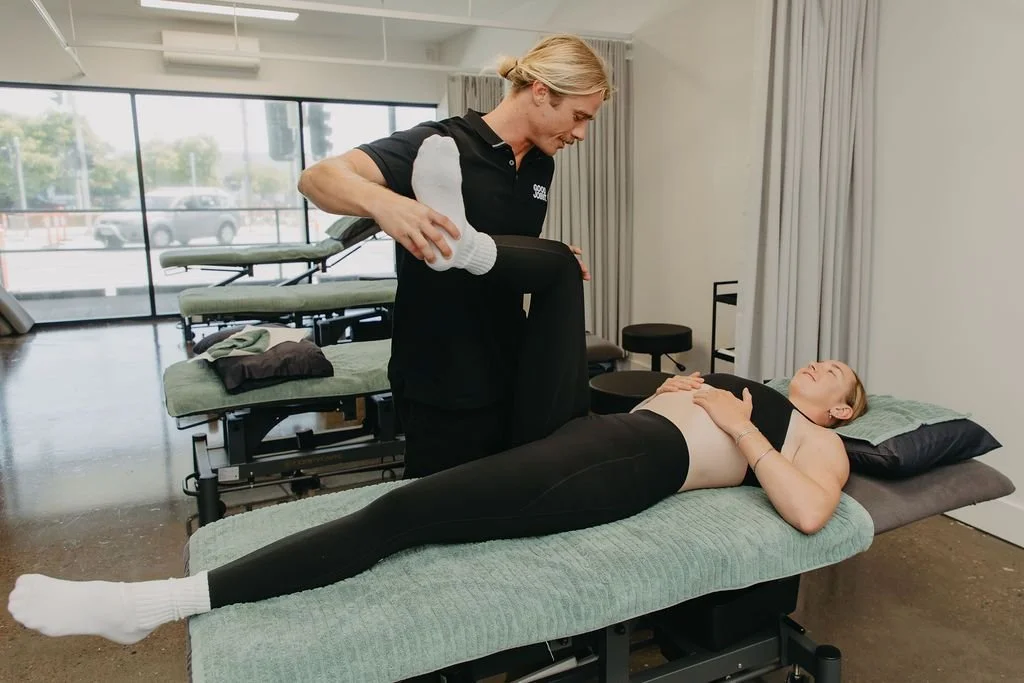
Understanding Pinched Nerve & Nerve Pain
What Is a Pinched Nerve?
A pinched nerve occurs when surrounding tissue - bone, disc, or muscle - places pressure on a nerve root or peripheral nerve. This compresses or irritates the nerve, producing symptoms along its distribution pathway. Common sites include the cervical spine producing arm and hand symptoms, and the lumbar spine producing sciatic and leg symptoms. Identifying the exact level guides treatment precisely.
Disc vs Joint vs Muscle Compression
Not all nerve pain comes from the same source. A disc bulge compresses a nerve root with sharp, position-dependent pain that worsens with certain movements. Facet joint arthropathy narrows the intervertebral foramen and creates a more constant ache with referred symptoms. Thoracic outlet or piriformis syndrome involves peripheral nerve compression from tight muscles. Each responds to different treatment strategies.
How We Assess & Treat It
Assessment combines neurological testing including dermatome and myotome mapping, orthopaedic provocation tests, and detailed movement screening to locate the level and nature of the compression. Treatment may include joint mobilisation and manipulation to create space, soft tissue work to release surrounding musculature, nerve mobilisation techniques, and a rehabilitation program to reduce recurrence.
At The Good Joint our team identifies the specific source of your nerve compression and applies targeted treatment to relieve pressure, restore movement, and prevent recurrence.
Book Visit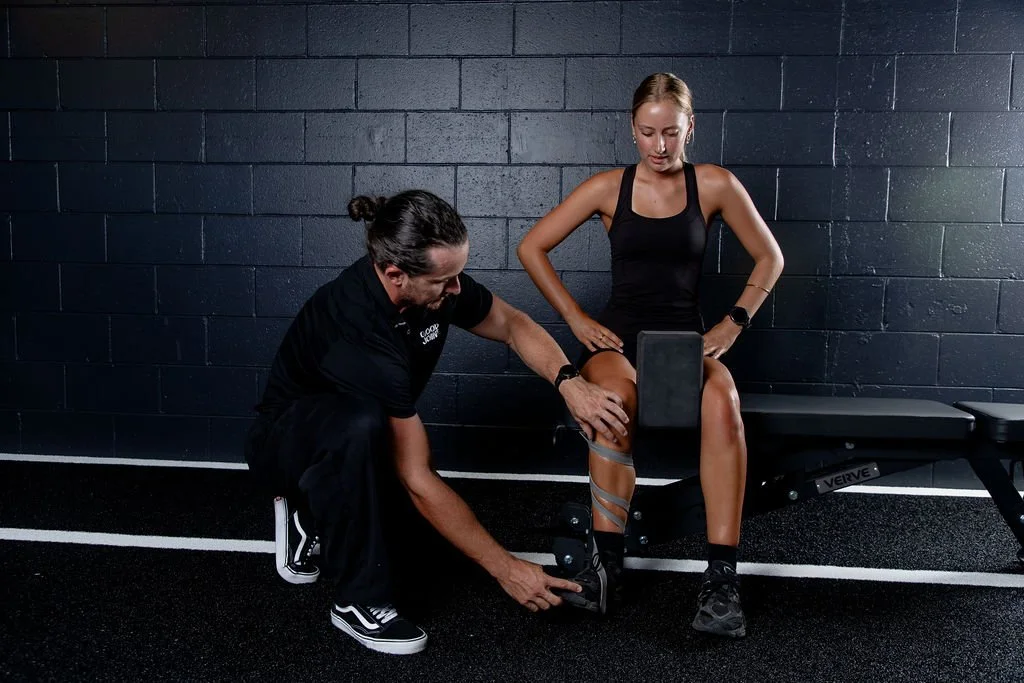
WHAT TO EXPECT DURING YOUR FIRST VISIT
Discussion:
A brief chat about what's brought you in and how it has been impacting your lifestyle.
Physical Assessment:
Functional testing to assess and identify underlying factors contributing to your symptoms.
Recovery Plan:
A tailored approach for working on your specific needs, including personalised exercise prescription.
Treatment:
Hands-on treatment including active release, soft tissue work, and dry needling for fast relief.
Common Causes of Nerve Pain
Cervical Disc Bulge & Radiculopathy
A disc bulge in the cervical spine places direct pressure on the exiting nerve root, producing sharp or burning pain, numbness, or weakness that travels through the shoulder, arm, forearm, and into specific fingers. The pattern of symptoms corresponds to the specific spinal level involved. C5-C6 and C6-C7 are the most common levels affected and each produces a distinct distribution of symptoms.
Lumbar Disc Herniation & Sciatica
In the lower back, disc herniation compresses the sciatic nerve or its contributing roots, producing symptoms that radiate from the buttock into the thigh, calf, and foot. The affected leg may experience burning, shooting pain, numbness, tingling, or weakness depending on the degree of compression. Identifying the involved level guides both manual therapy and specific rehabilitation.
Thoracic Outlet Syndrome
Thoracic outlet syndrome involves compression of the brachial plexus nerve bundle between the collarbone and first rib, producing pain, numbness, and tingling into the arm and hand. It is frequently related to posture, forward head carriage, and tight scalene and pectoral muscles. Manual therapy, postural correction, and specific mobility work produce good outcomes in most cases.
Piriformis Syndrome
The piriformis muscle lies directly over the sciatic nerve as it exits the pelvis. When tight or hypertrophied, it compresses the nerve and mimics disc-related sciatica, producing deep buttock pain and sciatic symptoms without any disc pathology. This distinction is clinically important as treatment differs significantly from disc-driven nerve pain.
Carpal Tunnel Syndrome
Carpal tunnel syndrome involves compression of the median nerve at the wrist, producing numbness, tingling, and pain in the thumb, index, and middle fingers. It is associated with repetitive wrist use, prolonged flexion, and fluid retention. Conservative management including wrist mobilisation, nerve mobilisation, and activity modification produces good outcomes in mild to moderate cases.
Nerve pain that follows a specific pathway into the arm or leg tells you a great deal about where the problem is coming from. Understanding the source of compression is the first step toward treatment that resolves symptoms rather than just managing them.
Book Visit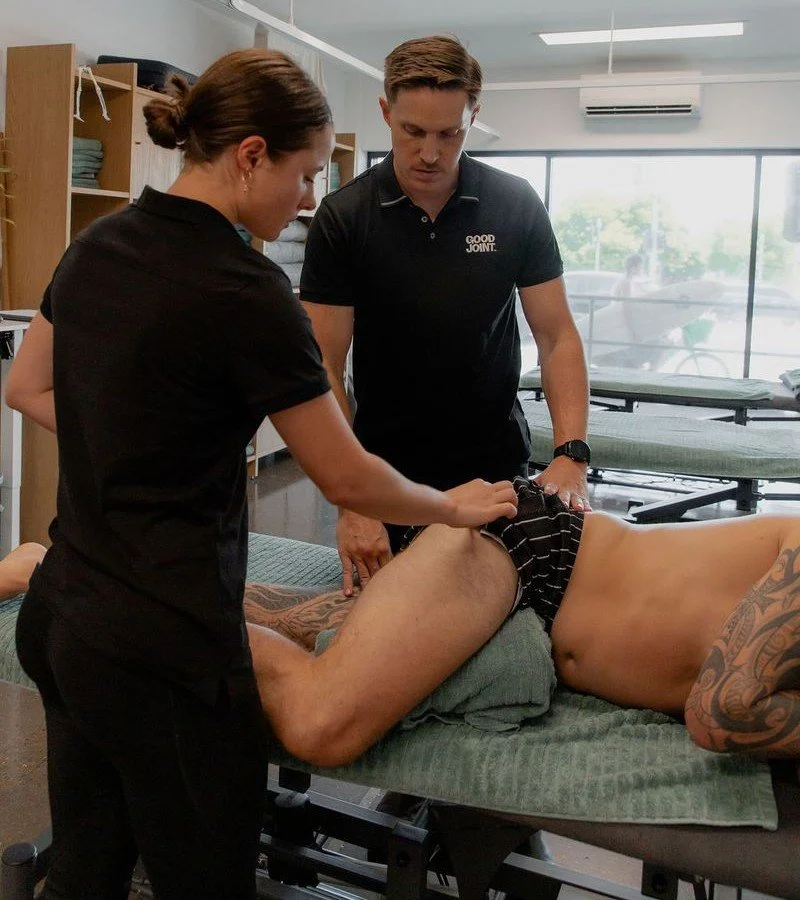
Common Symptoms of a Pinched Nerve
Pinched nerve symptoms follow a nerve pathway rather than localising to a single joint or muscle. Understanding the distribution of symptoms is key to identifying the source.
Nerve pain that is not improving, that is worsening, or that involves progressive weakness should be assessed promptly. In most cases effective conservative treatment avoids the need for injections or surgery.
Book NowFrequently Asked Questions About Pinched Nerve & Nerve Pain
Can a chiropractor or physiotherapist treat a pinched nerve?
Yes. Manual therapy including joint mobilisation, manipulation, soft tissue release, and nerve mobilisation techniques directly addresses the mechanical compression and tissue tightness driving nerve symptoms. Physiotherapy also includes rehabilitation exercises that stabilise the affected region and reduce recurrence. Most pinched nerve presentations respond well to conservative care without requiring medical intervention.
How long does a pinched nerve take to heal?
This depends on the cause and severity. Acute nerve compression with no structural damage can resolve within two to six weeks with appropriate treatment. More significant disc herniation or longstanding compression may take three to six months of treatment and rehabilitation. Residual numbness or tingling often resolves more slowly than pain. Prognosis is generally good with prompt and appropriate management.
Do I need an MRI for nerve pain?
An MRI is not always necessary for initial assessment and treatment. A skilled clinician can identify the level and likely source of nerve compression through clinical testing with a high degree of accuracy. MRI is indicated when symptoms are severe, not responding to treatment, involve progressive weakness, or where surgical consultation is being considered. Many people recover fully without imaging.
What is nerve mobilisation?
Nerve mobilisation, sometimes called neural flossing or nerve gliding, involves specific gentle movements that encourage the nerve to move freely within its surrounding tissues. When a nerve is compressed or sensitised, it can lose its normal mobility and become adherent to surrounding structures. Restoring this movement reduces tension along the nerve and decreases symptoms. It is a safe and effective technique used alongside joint and soft tissue treatment.
Can nerve pain become permanent?
In most cases, no. When the source of compression is identified and addressed, nerve symptoms resolve fully over time. Permanent nerve damage requires prolonged or severe compression and is uncommon in the typical presentations seen in clinical practice. However, the longer nerve compression is left untreated, the longer recovery takes. Prompt assessment and treatment gives the best possible prognosis.