Rotator Cuff & Shoulder Injuries Gold Coast
The rotator cuff is the group of four muscles and tendons that stabilise the shoulder joint. When any one of them is overloaded, torn, or inflamed, shoulder pain, weakness, and restricted movement follow.
Whether you are dealing with a partial tear, supraspinatus tendinopathy, impingement syndrome, or a full thickness tear being managed conservatively, our physiotherapists, chiropractors, and osteopaths provide accurate assessment and targeted rehabilitation for the full spectrum of rotator cuff and shoulder injuries.
Book Now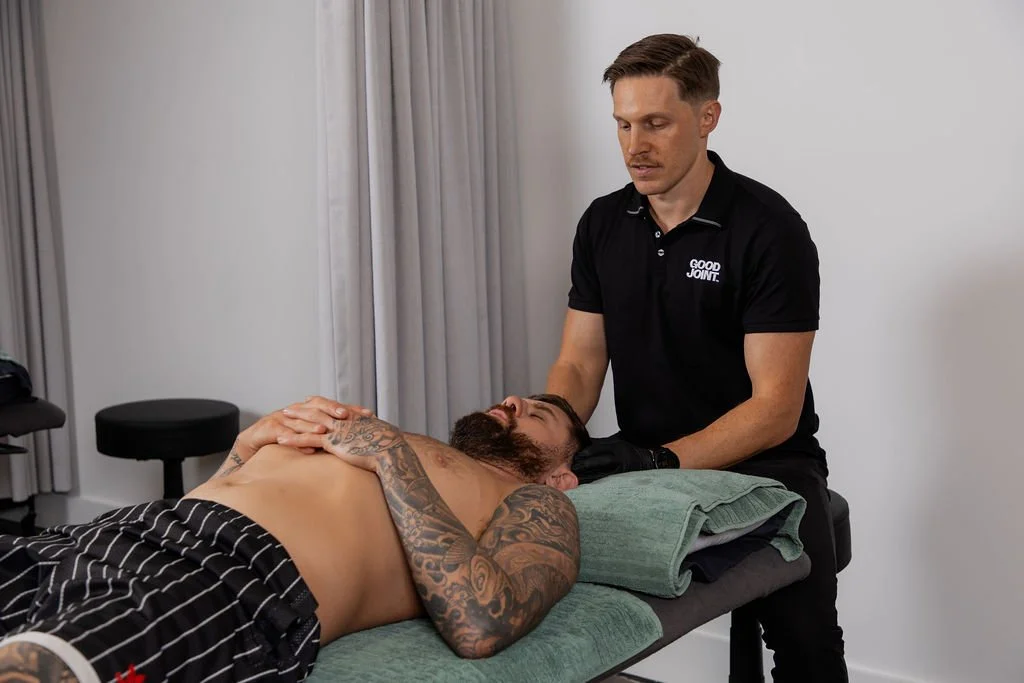
The Rotator Cuff and Why It Matters
Four Muscles, One Stable Joint
The rotator cuff consists of the supraspinatus, infraspinatus, teres minor, and subscapularis. Together they keep the humeral head centred in the socket through all ranges of shoulder movement. When any of these muscles are weakened or injured, the shoulder mechanics change, placing increased load on surrounding structures and producing pain, impingement, and dysfunction.
Impingement vs Tear vs Tendinopathy
Shoulder pain is commonly labelled as rotator cuff injury without distinguishing the specific tissue involved. Subacromial impingement involves compression of the supraspinatus tendon under the acromion and produces a painful arc. Tendinopathy involves degenerative change within the tendon without significant tearing. A tear, whether partial or full thickness, involves actual disruption of tendon fibres. Each requires a different rehabilitation approach.
Assessment & Rehabilitation
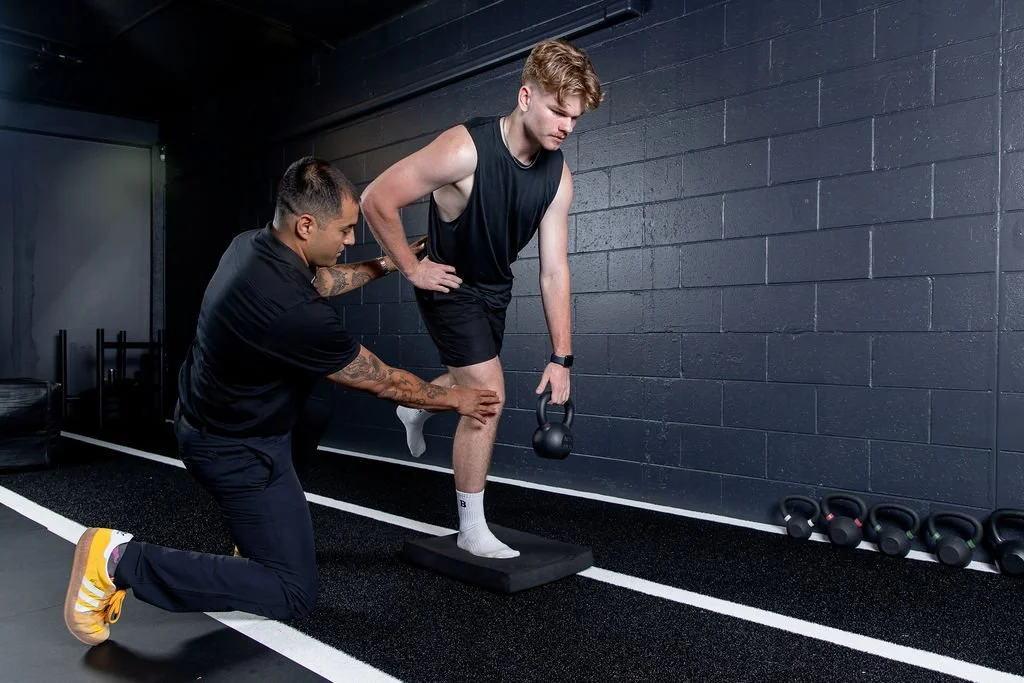
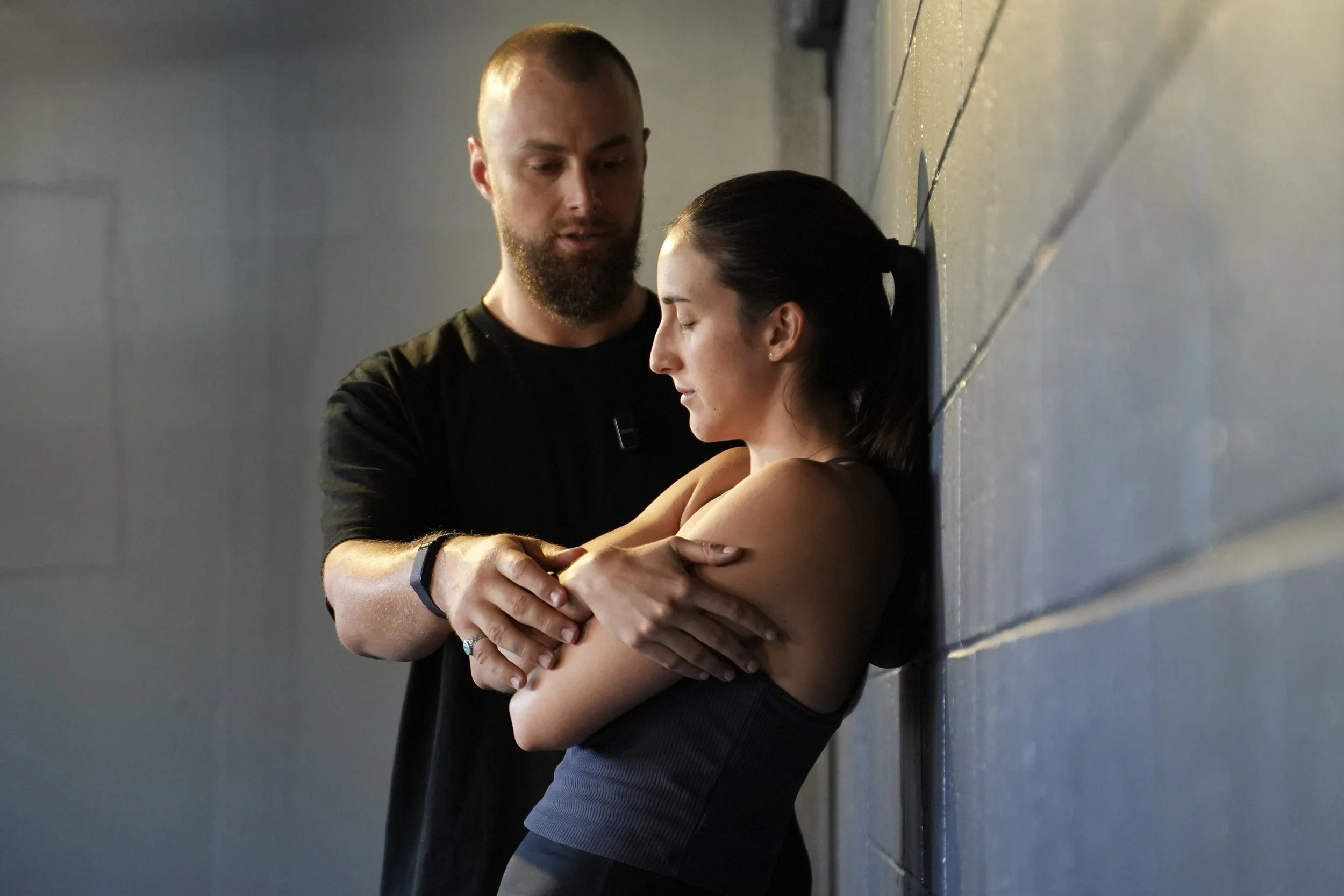
Rotator cuff assessment includes specific orthopaedic tests targeting each of the four muscles, assessment of scapular control and thoracic mobility, and evaluation of movement patterns that are contributing to load on the cuff. Rehabilitation progressively restores strength, control, and endurance in a sequence that matches the healing requirements of the specific injury.
At The Good Joint our physiotherapists and osteopaths provide accurate rotator cuff assessment and a structured rehabilitation program that restores full shoulder strength and function.
Book Visit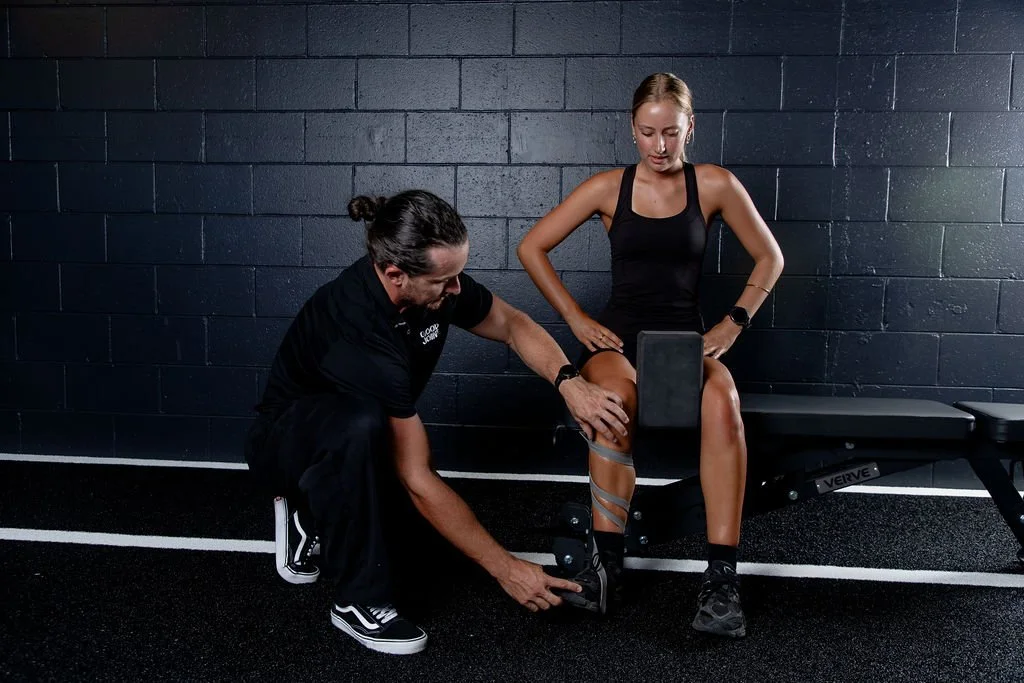
WHAT TO EXPECT DURING YOUR FIRST VISIT
Discussion:
A brief chat about what's brought you in and how it has been impacting your lifestyle.
Physical Assessment:
Functional testing to assess and identify underlying factors contributing to your symptoms.
Recovery Plan:
A tailored approach for working on your specific needs, including personalised exercise prescription.
Treatment:
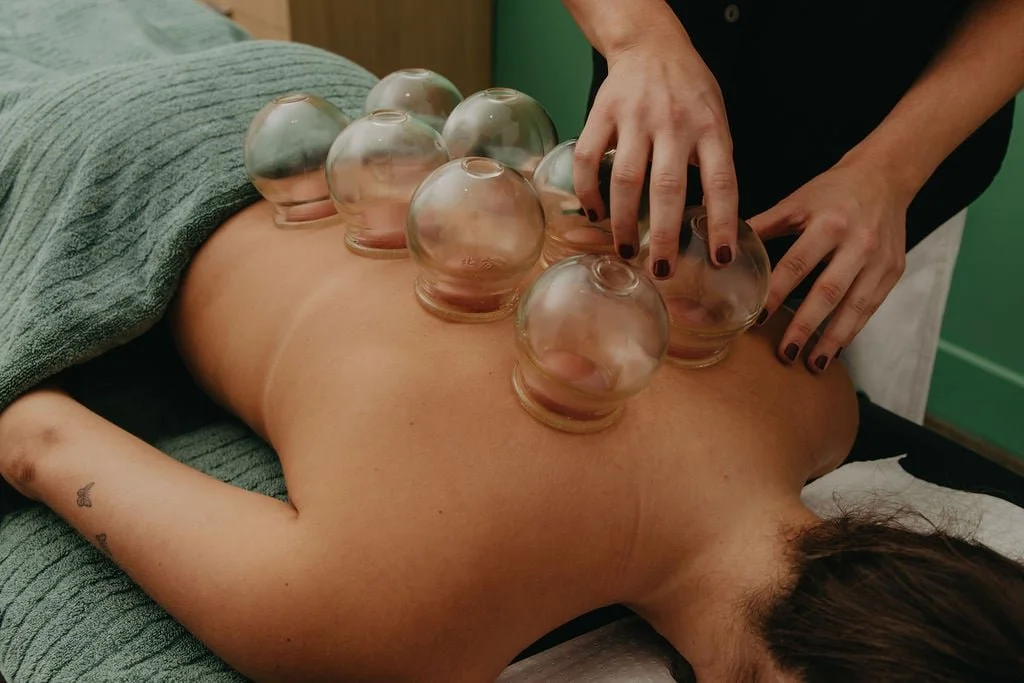
Hands-on treatment including active release, soft tissue work, and dry needling for fast relief.
Rotator Cuff Injury Types & Causes
Supraspinatus Tendinopathy & Impingement
Supraspinatus tendinopathy is the most common rotator cuff condition and involves degenerative change or reactive tendon irritation in the supraspinatus, the tendon running beneath the acromion. Impingement occurs when this tendon is compressed during shoulder elevation, producing a painful arc typically between 60 and 120 degrees. Poor scapular control, thoracic kyphosis, and muscular imbalance are common contributing factors.
Partial & Full Thickness Rotator Cuff Tears
Rotator cuff tears range from small partial thickness tears involving less than fifty percent of the tendon to complete full thickness tears with full tendon discontinuity. Partial tears can often be managed conservatively with excellent outcomes. Full thickness tears are assessed on an individual basis, with many responding well to structured rehabilitation and avoiding the need for surgery, particularly in individuals over fifty.
Subscapularis & Internal Rotation Issues
The subscapularis is responsible for internal rotation and plays a critical role in shoulder stabilisation. Subscapularis dysfunction is associated with shoulder instability, anterior pain, and the inability to hold the arm in internal rotation against resistance. It is less commonly injured than the supraspinatus but is frequently underassessed when present.
Biceps Tendon Involvement
The long head of the biceps tendon runs through the shoulder joint and can become inflamed or torn in association with rotator cuff pathology. Bicipital tendinopathy produces pain at the front of the shoulder that worsens with lifting and resisted elbow flexion. It commonly coexists with rotator cuff impingement and should be assessed as part of a complete shoulder evaluation.
Scapular Dyskinesis & Postural Contribution
Altered scapular movement, known as scapular dyskinesis, changes the mechanics of the shoulder and increases impingement and rotator cuff load. It is commonly driven by thoracic stiffness, weak serratus anterior or lower trapezius, and poor postural habits. Addressing scapular control is a non-negotiable component of effective rotator cuff rehabilitation.
Rotator cuff injuries that are accurately assessed and rehabilitated well produce excellent outcomes. Understanding the specific tissue involved, the contributing factors, and the rehabilitation requirements is the foundation of a recovery that lasts.
Book Visit
Common Signs of Rotator Cuff Injury
Rotator cuff symptoms are often gradual in onset and may be mistaken for general shoulder tightness. Specific patterns in the pain and movement difficulty help distinguish rotator cuff pathology from other shoulder conditions.
Rotator cuff injuries that are left unaddressed can progress from tendinopathy to partial tear to full thickness tear. Early assessment and appropriate rehabilitation dramatically improves outcomes and reduces the likelihood of surgical intervention.
Book NowFrequently Asked Questions About Rotator Cuff & Shoulder Injuries
Do I need surgery for a rotator cuff tear?
Not necessarily. Evidence shows that many partial tears and a significant proportion of full thickness tears can be successfully managed conservatively with physiotherapy rehabilitation. Surgery is most indicated for acute traumatic full thickness tears in younger active individuals, or for tears that have failed to respond to a minimum of three to six months of structured conservative management. An accurate assessment establishes the nature of the tear and guides the most appropriate management pathway.
How long does rotator cuff rehabilitation take?
This depends on the severity of the injury. Impingement and tendinopathy typically respond within six to twelve weeks of structured rehabilitation. Partial tears may require three to six months. Post-surgical rehabilitation following rotator cuff repair typically involves three to six months of progressive loading before return to full activity. Consistency with the home exercise program significantly influences the pace of recovery.
Can I keep training with a rotator cuff injury?
In most cases yes, with appropriate load modification. Identifying which movements provoke or load the injured tissue and temporarily avoiding or modifying these while continuing lower-load exercise maintains fitness and does not delay recovery. A physiotherapist can guide you on what to continue, what to modify, and how to progressively reintroduce higher-demand activities as the shoulder recovers.
What makes rotator cuff injuries recur?
The most common reason for recurrence is inadequate rehabilitation. Specifically, returning to full activity before adequate strength, endurance, and neuromuscular control is restored in the rotator cuff and scapular stabilisers. Addressing the underlying contributing factors, including thoracic mobility, scapular control, and any technique issues in sport or training, reduces the likelihood of re-injury significantly.
Is massage helpful for rotator cuff injury?
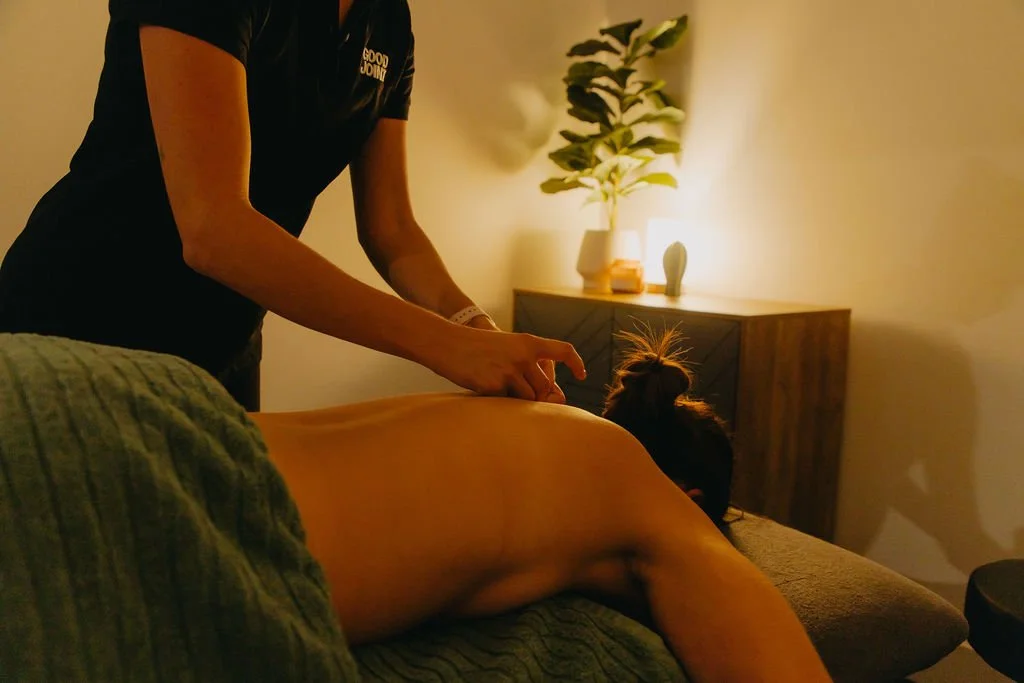
Remedial massage can be a useful adjunct to rotator cuff rehabilitation by reducing tension in surrounding muscles including the upper trapezius, levator scapulae, and pectorals that contribute to altered shoulder mechanics. However, massage alone without addressing the underlying strength and control deficits does not produce lasting improvement. It works best as part of a multimodal treatment approach.