Fertility & Preconception Support Gold Coast
The preconception period is one of the most powerful windows to influence the health of a pregnancy and a child's lifelong wellbeing, yet it is often left to chance.
Whether you are just beginning to plan a pregnancy, have been trying to conceive for a while, or have experienced miscarriage or fertility challenges, our functional medicine practitioners take a thorough, evidence-informed approach to optimising your reproductive health and preparing your body for a healthy pregnancy.
Book Now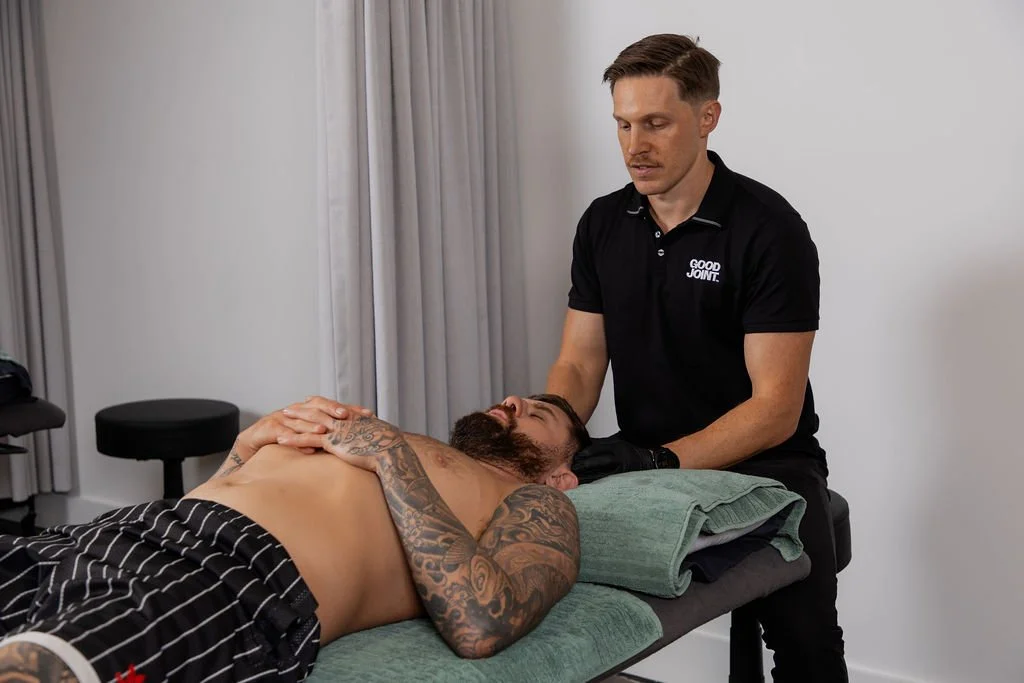
Preconception Health Shapes More Than Conception
Egg & Sperm Quality
Egg quality takes approximately three months to influence, and sperm quality takes a similar cycle. This means the preconception period, ideally three to six months before conception is attempted, is the most important window for improving the genetic and epigenetic quality of the reproductive cells. Targeted nutrition, supplementation, and lifestyle modifications during this window can meaningfully improve outcomes.
Hormonal Readiness & Cycle Regularity
A regular, ovulatory menstrual cycle is the foundation of natural fertility. Irregular cycles, anovulation, short luteal phases, or hormonal imbalances such as those seen in PCOS, hypothalamic amenorrhoea, or thyroid dysfunction all affect the ability to conceive. A functional medicine approach identifies and addresses these hormonal patterns before conception is attempted.
Reducing Miscarriage Risk
Many early pregnancy losses are related to identifiable and addressable factors including nutrient deficiencies, clotting issues, thyroid dysfunction, chromosomal factors influenced by egg and sperm quality, and immune dysregulation. A thorough preconception assessment can identify risk factors and implement strategies to reduce the likelihood of recurrent pregnancy loss.
At The Good Joint, we provide personalised preconception support that addresses the specific factors relevant to your situation, whether you are optimising for a first pregnancy or navigating a history of fertility challenges.
Book Visit
WHAT TO EXPECT DURING YOUR FIRST VISIT
Discussion:
A brief chat about what's brought you in and how it has been impacting your lifestyle.
Physical Assessment:
Functional testing to assess and identify underlying factors contributing to your symptoms.
Recovery Plan:
A tailored approach for working on your specific needs, including personalised exercise prescription.
Treatment:
Hands-on treatment including active release, soft tissue work, and dry needling for fast relief.
What We Investigate & Address
PCOS (Polycystic Ovary Syndrome)
PCOS is a complex endocrine condition affecting approximately ten percent of women and is characterised by irregular or absent periods, elevated androgens, and polycystic ovaries on ultrasound. There are several distinct subtypes of PCOS driven by different mechanisms including insulin resistance, adrenal involvement, and inflammation, each of which requires a different treatment approach. Functional medicine assessment identifies the specific type and builds a targeted protocol accordingly.
Endometriosis & Painful Periods
Endometriosis involves the growth of uterine-like tissue outside the uterus and is one of the most common causes of pelvic pain, painful periods, and fertility challenges. A functional medicine approach focuses on reducing inflammation, supporting oestrogen detoxification, improving immune regulation, and addressing the gut health and nervous system factors that influence the pain experience alongside any medical management.
PMS & PMDD
Premenstrual syndrome and its more severe form, PMDD, affect a significant proportion of women and involve a range of physical and emotional symptoms in the luteal phase of the cycle. These symptoms are often driven by a combination of progesterone deficiency, oestrogen dominance, nutrient insufficiency, and HPA axis dysregulation. A functional medicine approach can produce meaningful and often dramatic improvement in cyclical symptoms.
Perimenopause & Menopause
The hormonal transition through perimenopause and into menopause produces a wide range of symptoms including hot flushes, sleep disruption, mood changes, brain fog, weight gain, and changes in libido and bone density. A functional medicine approach supports this transition by addressing the specific hormonal shifts, adrenal resilience, and lifestyle factors that influence the severity of symptoms and long-term health outcomes.
Thyroid & Hormonal Interplay
The thyroid gland is closely intertwined with sex hormone balance. Low thyroid function can drive irregular cycles, heavy bleeding, difficulty conceiving, and exacerbate perimenopausal symptoms. A comprehensive hormonal assessment always includes evaluation of thyroid function, including TSH, free T3, free T4, and thyroid antibodies, to ensure this important connection is not missed.
The preconception period is one of the most important and often underused opportunities to influence both the ease of conception and the long-term health of a child. Whether you are just starting to plan a pregnancy or have been navigating fertility challenges, a personalised preconception assessment is a worthwhile investment in the best possible start.
Book Visit
Who May Benefit From Preconception Support
Preconception care is valuable for anyone planning a pregnancy, not just those who have experienced fertility challenges. Optimising health before conception reduces risk, improves outcomes, and gives the pregnancy the best possible start.
The three to six months before conception represent the most powerful window for influencing the health of a pregnancy. Preconception support is not only for those with fertility challenges. It is for anyone who wants to give their pregnancy the strongest possible foundation.
Book NowFrequently Asked Questions About Fertility & Preconception
How far in advance of trying to conceive should I start preconception care?
Ideally, three to six months before you begin trying to conceive. This timeframe aligns with the maturation cycle of both eggs and sperm, meaning that nutritional and lifestyle changes made during this period can directly influence the quality of the reproductive cells involved in conception. For women with known hormonal imbalances, gut health issues, or nutritional deficiencies, starting earlier allows more time to address these factors fully.
Can functional medicine help with unexplained infertility?
Yes. Many cases labelled as unexplained infertility involve factors that standard medical investigations do not routinely assess, including subclinical thyroid dysfunction, nutrient insufficiencies, mitochondrial function, oxidative stress, gut-hormone connections, and subtle hormonal imbalances. A thorough functional medicine assessment often identifies contributing factors that provide a meaningful pathway for intervention even when standard investigations have come back normal.
What tests are used in functional preconception care?
Testing is tailored to the individual but may include comprehensive hormone panels including thyroid, sex hormones, and AMH, nutritional status including vitamin D, B12, folate, zinc, iron, and ferritin, inflammatory markers, blood sugar and insulin assessment, comprehensive stool analysis where gut health is relevant, and sperm assessment including DNA fragmentation for male partners.
Can I take supplements during the preconception period?
Yes, and targeted supplementation is often one of the most impactful interventions in preconception care. The specific supplements recommended depend on individual testing results and health history. Common preconception supplements include a methylated prenatal formula, CoQ10 for egg and sperm quality, vitamin D, omega-3 fatty acids, and additional nutrients based on identified deficiencies. Self-prescribing without assessment can result in inappropriate doses or missing key deficiencies.
Do both partners need to be assessed?
Yes, ideally. Given that male factor contributes to approximately half of fertility challenges, assessing and optimising both partners' health in the preconception period gives the best possible odds of a healthy conception and pregnancy. A functional assessment of the male partner typically includes a semen analysis alongside evaluation of nutritional status, lifestyle factors, and targeted intervention to support sperm quality improvement.