Shoulder Pain Treatment Gold Coast
Shoulder pain can make everyday things like reaching overhead, lifting, sleeping on your side, or getting dressed feel painful and frustrating.
Whether your shoulder pain is linked to a rotator cuff injury, frozen shoulder, bursitis, postural strain, or referred pain from the neck or upper back, our chiropractors, physiotherapists, osteopaths, and remedial massage therapists at The Good Joint work together to find what is driving it and build a plan to get you moving better.
Book Now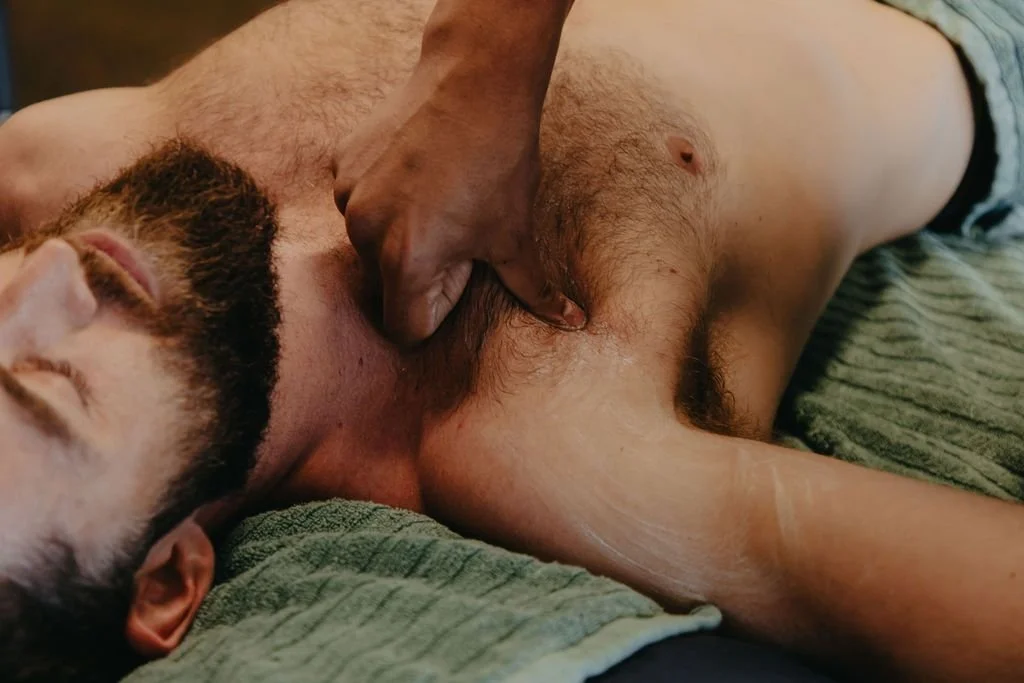
Shoulder Pain Can Affect More Than Just Your Shoulder
Rotator Cuff & Joint Issues
The shoulder is one of the most mobile joints in the body, which also makes it one of the most vulnerable. Rotator cuff strains, bursitis, impingement, and frozen shoulder are common presentations that respond well to physiotherapy, chiropractic care, and osteopathy.
Neck, Upper Back & Posture
Shoulder pain is often driven or worsened by restriction in the neck and upper thoracic spine. Chiropractic and osteopathic assessment of these regions, combined with remedial massage to release surrounding muscle tension, can play a key role in resolving shoulder symptoms.
Referred Pain & Nerve Involvement
Pain felt in the shoulder does not always originate there. Referred pain from the cervical spine, thoracic joints, or surrounding soft tissue is common. A thorough assessment by a physiotherapist, chiropractor, or osteopath helps identify the true source.
At The Good Joint, our team of Chiropractors, Physiotherapists, Osteopaths, and Remedial Massage therapists assess your shoulder, neck, and upper body together to build a treatment plan that targets the real cause of your pain.
Book Visit
WHAT TO EXPECT DURING YOUR FIRST VISIT
Discussion:
A brief chat about what's brought you in and how it has been impacting your lifestyle.
Physical Assessment:
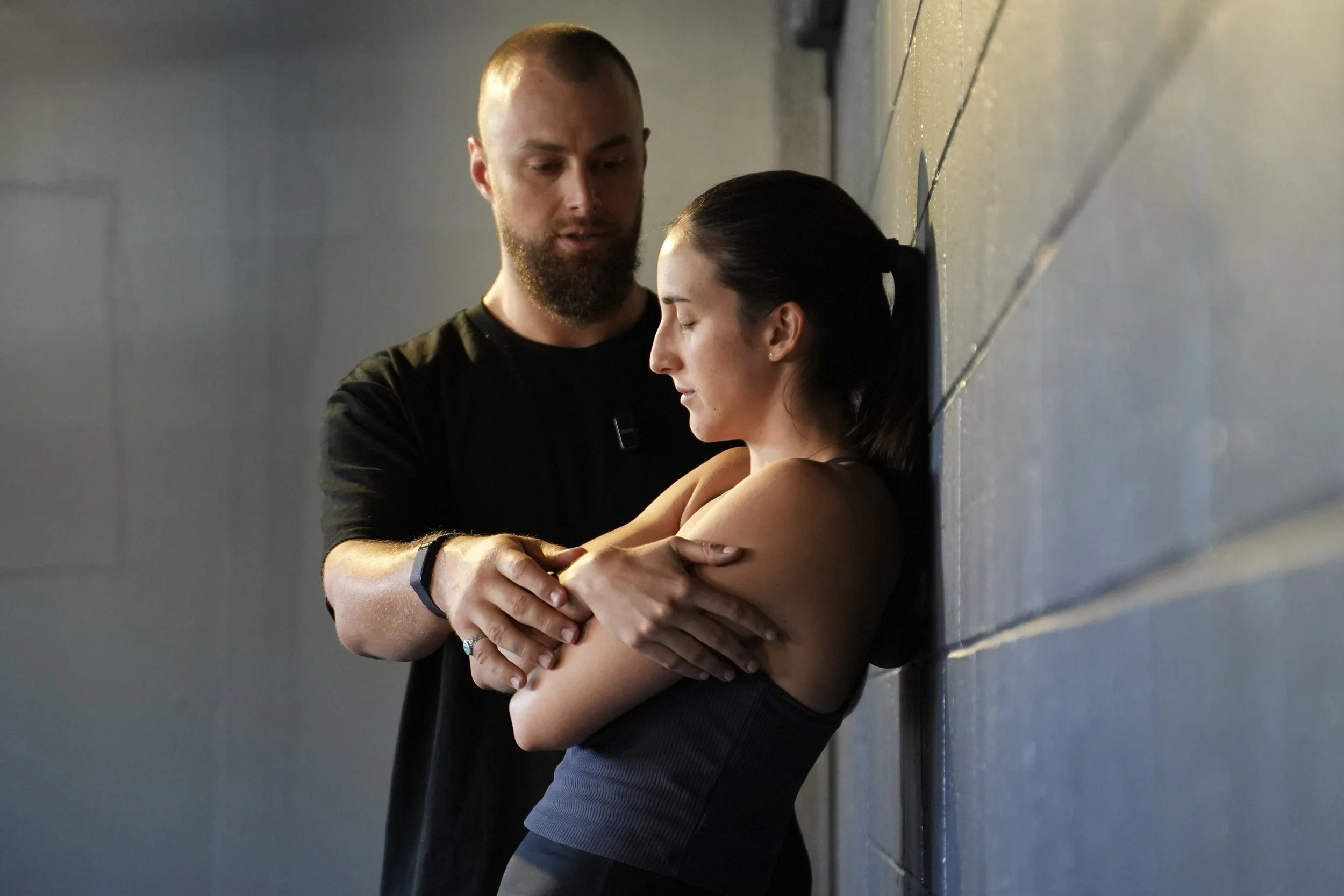
Functional testing to assess and identify underlying factors contributing to your symptoms.
Recovery Plan:
A tailored approach for working on your specific needs, including personalised exercise prescription.
Treatment:
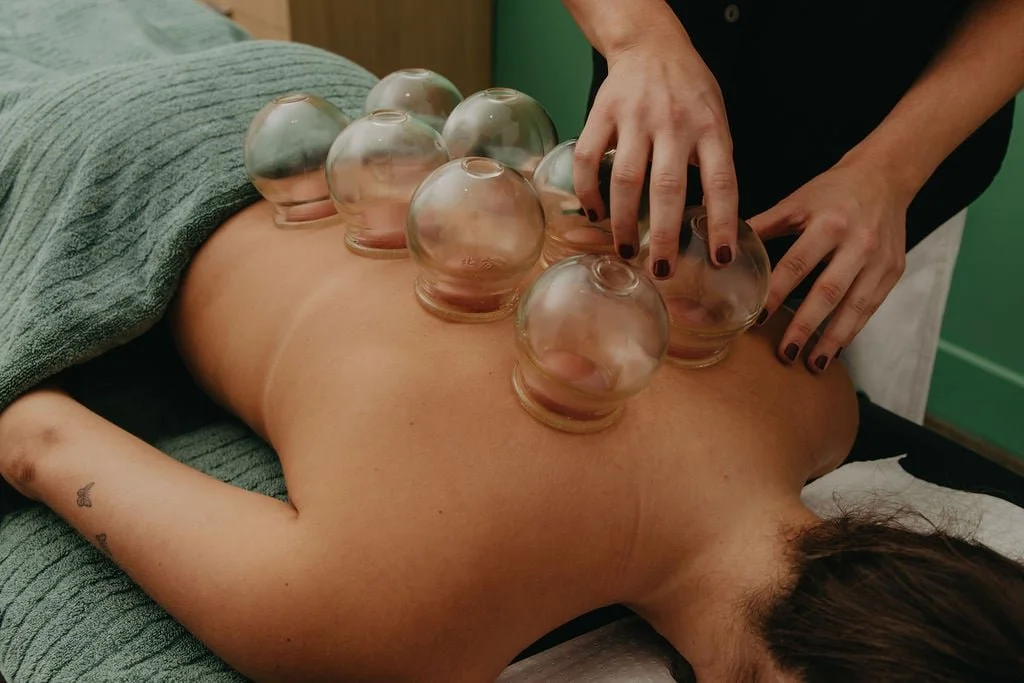
Hands-on treatment including active release, soft tissue work, and dry needling for fast relief.
What Causes Shoulder Pain?
Rotator Cuff Strains & Tears
The rotator cuff is a group of muscles and tendons that stabilise the shoulder joint. Strains, overuse injuries, and partial tears are among the most common causes of shoulder pain and respond well to physiotherapy rehabilitation and osteopathic soft tissue treatment.
Shoulder Impingement & Bursitis
Impingement occurs when soft tissue in the shoulder is compressed during movement, causing pain and inflammation. Bursitis involves irritation of the fluid-filled sacs that cushion the joint. Both conditions benefit from physiotherapy, chiropractic care, and remedial massage to reduce inflammation and restore movement.
Frozen Shoulder
Frozen shoulder, or adhesive capsulitis, involves progressive stiffening of the shoulder joint capsule. It can significantly limit range of motion and cause persistent pain. Physiotherapy, osteopathy, and targeted exercise are commonly used to manage and improve this condition over time.
Neck & Thoracic Spine Referral
Restriction or irritation in the cervical or upper thoracic spine can refer pain directly into the shoulder. Chiropractic and osteopathic spinal assessment is important for identifying this pattern, as treating the shoulder alone may not resolve symptoms if the spine is the underlying driver.
Muscle Tension & Postural Overload
Prolonged desk work, repetitive overhead activity, and poor posture can overload the muscles surrounding the shoulder and upper back. Remedial massage, combined with physiotherapy or chiropractic care, is effective for releasing this accumulated tension and correcting the contributing movement patterns.
If your Shoulder pain keeps coming back, it may need a full assessment. Jaw pain is rarely caused by one thing alone. It often builds over time from tension, posture, stress, or overload.
Book Visit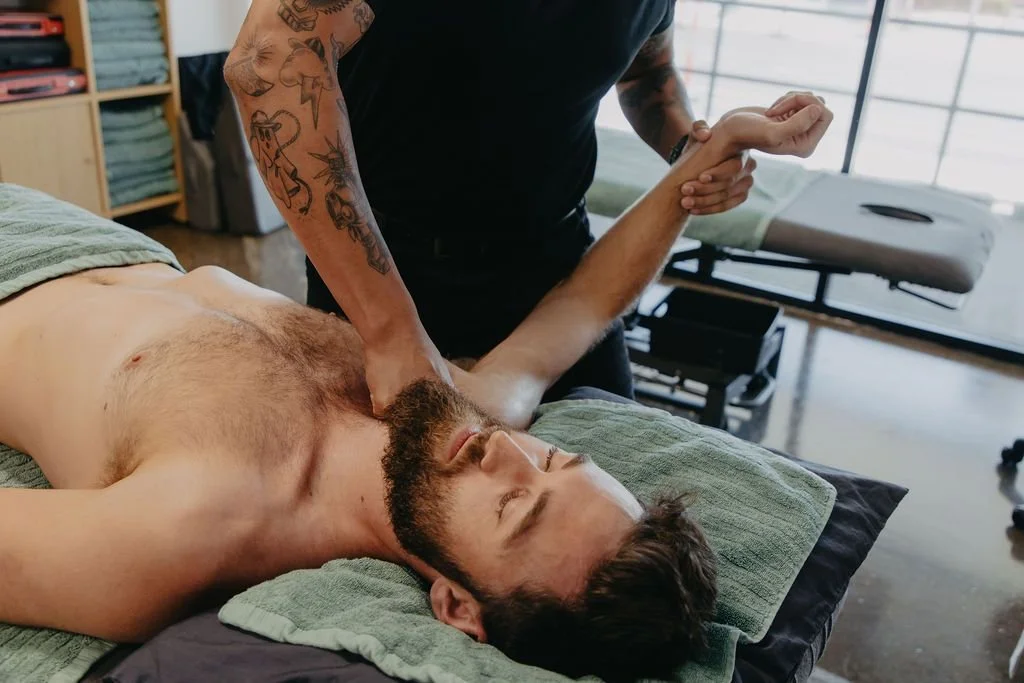
Common Shoulder Pain Symptoms
Shoulder pain can present in many different ways. Some people experience a sharp, catching pain during movement. Others feel a deep ache, persistent stiffness, or weakness that makes lifting and reaching difficult. Identifying the pattern helps our physiotherapists, chiropractors, and osteopaths choose the right treatment approach.
Shoulder pain that keeps returning or limits daily activity is worth having properly assessed. Our team uses physiotherapy, chiropractic, osteopathy, and remedial massage to identify what is contributing and get you back to full function.
Book NowFrequently Asked Questions About Shoulder Pain
Can a chiropractor help with shoulder pain?
Yes. Chiropractic care can be effective for shoulder pain, particularly when the neck or thoracic spine is contributing. A chiropractor will assess spinal joint function, identify restricted segments, and use adjustments and mobilisation techniques to reduce referred pain and improve shoulder movement.
Can physiotherapy help with shoulder pain?
Yes. Physiotherapy is one of the most common and effective treatments for shoulder pain. A physiotherapist will assess the joint, rotator cuff, surrounding muscles, and movement patterns, then create a rehabilitation program using hands-on therapy, strengthening exercises, and load management to restore full function.
Can an osteopath treat shoulder pain?
Yes. Osteopathic treatment takes a whole-body approach to shoulder pain, assessing how the shoulder joint, neck, ribs, and thoracic spine are all working together. An osteopath uses a combination of soft tissue techniques, joint mobilisation, and manipulation to reduce pain and restore movement.
Can remedial massage help with shoulder pain?
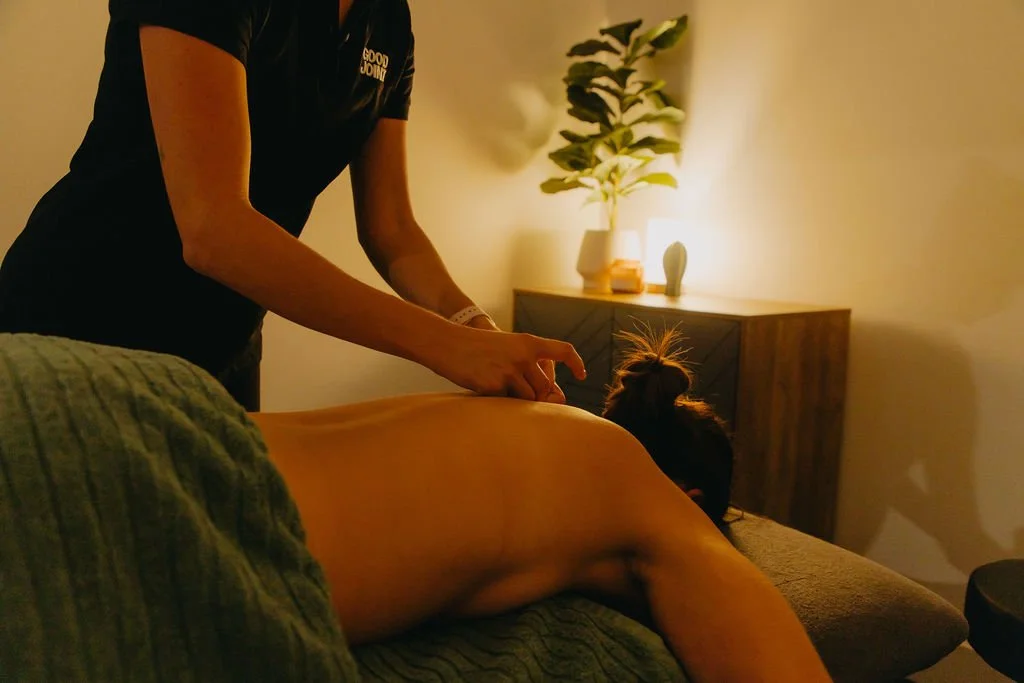
Yes. Remedial massage is highly effective for releasing muscle tension through the shoulder, neck, and upper back. It can reduce tightness in the rotator cuff muscles, improve circulation, decrease pain, and complement chiropractic, physiotherapy, or osteopathic treatment as part of a broader plan.
What is the difference between shoulder impingement and a rotator cuff tear?
Shoulder impingement involves soft tissue being compressed or pinched within the joint during movement, causing pain and inflammation without structural damage. A rotator cuff tear involves actual damage to one or more of the tendons. Both can be assessed and treated through physiotherapy, chiropractic care, and osteopathy, though more severe tears may require specialist referral.
Which treatment is best for shoulder pain?
The best treatment depends on what is causing your shoulder pain. Physiotherapy is well suited to rotator cuff rehabilitation and strengthening. Chiropractic care works well when the spine is contributing. Osteopathy addresses the shoulder and surrounding structures as a whole. Remedial massage helps release the muscle tension that often maintains and worsens symptoms. At The Good Joint, we bring all of these disciplines together to give you the most complete assessment and treatment available.