Skin Health, Acne & Eczema Gold Coast
Skin conditions including acne, eczema, rosacea, and psoriasis are among the most visible and most distressing health conditions, and they are almost always driven by internal systemic factors rather than being simply a surface problem.
Whether you have been managing your skin with topical treatments that provide temporary relief without resolution, or have been told your skin condition is something you have to live with, our functional medicine practitioners investigate the gut, hormonal, immune, and nutritional drivers of your skin condition and build a plan to address them from within.
Book Now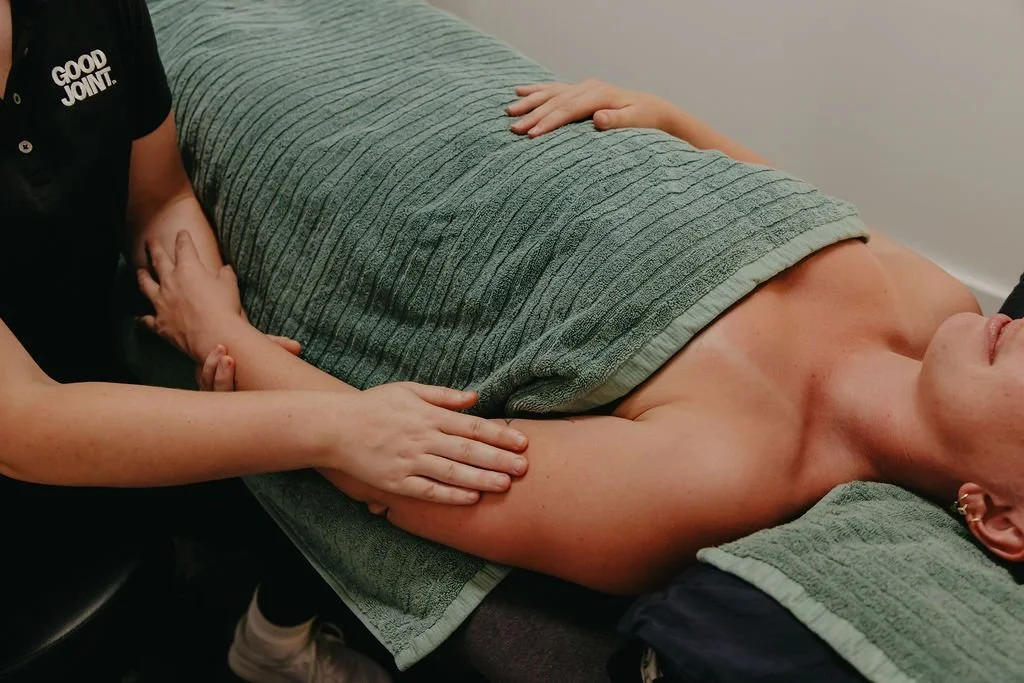
Skin Conditions Are Internal Problems Expressing Externally
The Gut-Skin Axis
The relationship between gut health and skin is well established in both research and clinical practice. Gut dysbiosis, intestinal permeability, and dysregulated gut immune function drive systemic inflammation that manifests on the skin. Many people with acne, eczema, rosacea, and psoriasis have significant gut health issues that, when addressed, produce meaningful improvement in skin that topical and pharmaceutical treatments alone could not achieve.
Hormones & Androgens in Acne
Hormonal acne, which predominantly affects the lower face, jawline, and chin, is driven by androgens stimulating sebaceous gland activity and altering skin cell turnover. The specific hormonal drivers include testosterone, DHEA-S, and DHT, and these are influenced by insulin resistance, gut health through the estrobolome, stress and cortisol, and nutritional deficiencies. Understanding the hormonal pattern through testing guides a targeted intervention.
Immune Dysregulation & Inflammatory Skin
Eczema, psoriasis, and rosacea involve immune dysregulation producing inflammatory responses in the skin. The gut microbiome is a central regulator of systemic immune function, and dysbiosis is consistently associated with worsening of these conditions. Addressing gut health, reducing systemic inflammatory triggers, and supporting immune regulation through nutrition and targeted supplementation produces improvements that anti-inflammatory creams cannot sustain.
At The Good Joint our functional medicine practitioners investigate the internal drivers of your skin condition through thorough history, targeted testing, and a personalised plan that works from the inside out.
Book Visit
WHAT TO EXPECT DURING YOUR FIRST VISIT
Discussion:
A brief chat about what's brought you in and how it has been impacting your lifestyle.
Physical Assessment:
Functional testing to assess and identify underlying factors contributing to your symptoms.
Recovery Plan:
A tailored approach for working on your specific needs, including personalised exercise prescription.
Treatment:
Hands-on treatment including active release, soft tissue work, and dry needling for fast relief.
Skin Conditions We Address
Hormonal Acne
Hormonal acne is characterised by breakouts around the lower face, jawline, and chin that worsen cyclically around the menstrual period or with stress. It is driven by androgen excess, insulin resistance increasing androgen sensitivity, gut microbiome disruption of oestrogen recycling, and elevated cortisol from chronic stress. A functional medicine approach addresses each of these drivers with dietary modification, targeted supplementation, and hormonal testing that identifies the specific pattern.
Eczema & Atopic Dermatitis
Eczema involves a dysregulated immune response to environmental triggers in people with a compromised skin barrier. It is closely associated with gut dysbiosis, food sensitivities, and an imbalanced microbiome that skews the immune system toward a Th2-dominant inflammatory pattern. Identifying food triggers through elimination protocols, restoring gut microbiome diversity, supporting skin barrier function with targeted nutrients, and addressing environmental triggers produces lasting improvement beyond what topical steroids achieve.
Rosacea
Rosacea involves chronic facial redness, flushing, and in some cases pustular breakouts. It is strongly associated with Helicobacter pylori infection, SIBO, gut dysbiosis, and elevated inflammatory markers. Demodex mite overgrowth and dysregulation of the skin immune response are additional factors. A functional medicine assessment of gut health, systemic inflammation, and trigger identification produces meaningful reduction in rosacea activity in many cases.
Psoriasis
Psoriasis is an autoimmune inflammatory condition producing rapid skin cell turnover and plaque formation. It is associated with gut permeability, dysbiosis, elevated systemic inflammation, and immune dysregulation involving the Th17 pathway. Dietary modification to reduce inflammatory load, gut restoration, vitamin D optimisation, and stress management are evidence-informed functional approaches that reduce psoriasis activity alongside medical management.
Skin & Nutritional Deficiency
Several nutritional deficiencies directly impair skin health. Zinc deficiency is associated with acne and poor wound healing. Vitamin A deficiency impairs skin cell turnover. Omega-3 deficiency reduces skin hydration and barrier function. Vitamin D insufficiency impairs immune regulation in the skin. Identifying and correcting specific nutritional deficiencies through testing is a foundational step in addressing any chronic skin condition.
Skin conditions that have not responded to surface-level treatment almost always have internal drivers that are addressable. A functional medicine approach investigates the gut, hormonal, immune, and nutritional factors involved and treats the condition from within, producing improvements that topical management cannot sustain.
Book Visit
Signs Your Skin Condition May Have Internal Drivers
Skin conditions that are partly or primarily driven by gut, hormonal, immune, and nutritional factors have characteristic patterns that suggest an internal investigation is warranted.
Skin conditions that have not responded fully to topical and pharmaceutical management often have internal drivers that have not been investigated. A functional medicine assessment provides a different level of understanding and a treatment pathway that works at the root cause.
Book NowFrequently Asked Questions About Skin Health, Acne & Eczema
Why does my acne keep coming back?
Topical and antibiotic treatments for acne suppress bacterial overgrowth and reduce inflammation in the short term but do not address the hormonal, gut, or nutritional factors driving excess sebum production and inflammatory skin responses. When treatment is stopped, the underlying drivers remain and acne returns. A functional medicine approach identifies the specific hormonal pattern, gut microbiome status, and nutritional deficiencies driving your acne and builds a plan that addresses the cause rather than managing the symptom.
Can food cause eczema or make it worse?
Yes. Food triggers are involved in a significant proportion of eczema cases, particularly in children, but also in many adults. The most common dietary triggers include dairy, eggs, gluten, nuts, and certain food additives. Identifying individual triggers through an elimination and reintroduction protocol, supported by comprehensive stool analysis to assess gut microbiome status, often produces dramatic improvement in eczema that topical management has been unable to sustain.
What is the gut-skin axis?
The gut-skin axis refers to the bidirectional communication between the gut microbiome, immune system, and skin that influences the development and severity of skin conditions. An imbalanced gut microbiome increases intestinal permeability, allowing inflammatory compounds to enter the bloodstream. This triggers systemic immune activation that manifests in the skin as inflammation, reactive sebaceous activity, or disrupted skin barrier function. Restoring gut microbiome balance directly reduces skin inflammation in people with gut-skin axis-driven conditions.
Can functional medicine help rosacea?
Yes, often significantly. The association between rosacea and gut conditions including SIBO and H. pylori infection is well established in research. Treating identified gut pathology produces meaningful reduction in rosacea activity in many people. Identifying and avoiding individual triggers, reducing systemic inflammation through dietary modification, and supporting the skin microbiome with targeted probiotics are additional functional approaches with good evidence in rosacea.
What tests are used in functional skin health assessment?
Testing is tailored to the presentation but commonly includes comprehensive stool analysis to assess gut microbiome balance and intestinal permeability markers, SIBO breath testing where rosacea or gut symptoms are present, hormonal testing including androgens, DHEA-S, and cortisol for acne presentations, food sensitivity assessment, and nutritional status including zinc, vitamin D, vitamin A, and omega-3 index. The test selection is guided by the specific skin condition and the clinical picture.