Stress, Anxiety & Sleep Support Gold Coast
Chronic stress, persistent anxiety, and disrupted sleep form a cycle that affects every system in the body, from hormones and immunity to gut health, metabolism, and musculoskeletal pain.
Whether you are struggling with stress that never fully switches off, anxiety that limits your daily life, or sleep that leaves you exhausted regardless of how many hours you get, our functional medicine practitioners take a root cause approach to understanding what is driving your nervous system and build a plan to restore genuine rest and resilience.
Book Now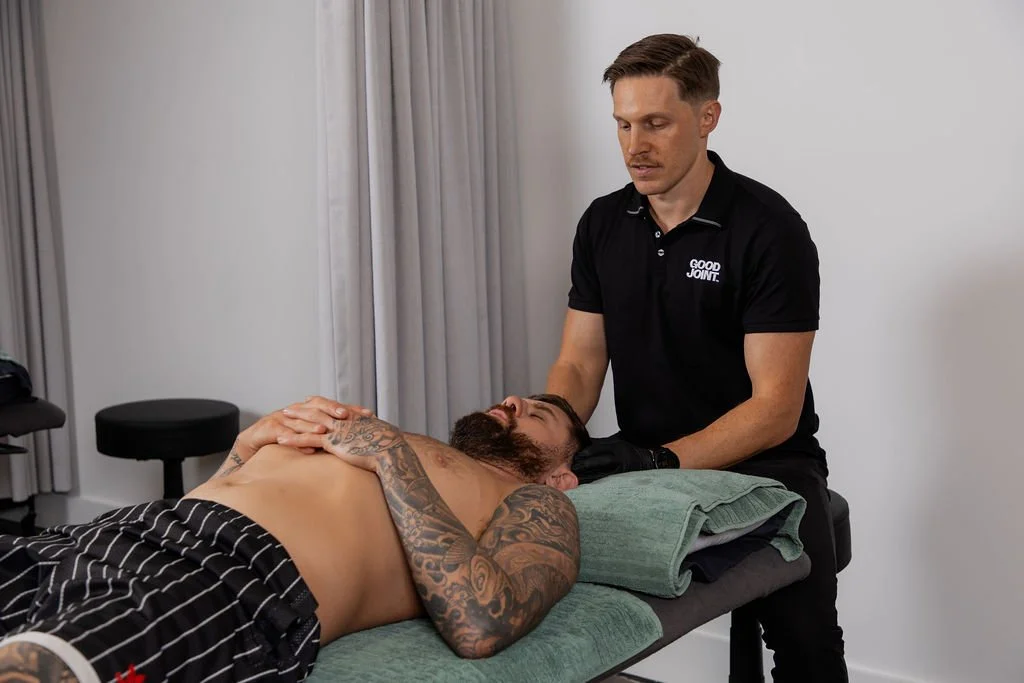
Stress, Anxiety & Sleep Are Deeply Interconnected
The HPA Axis & Cortisol
The hypothalamic-pituitary-adrenal axis governs the stress response and the production of cortisol. In acute stress, this system is life-saving. In chronic stress, sustained cortisol dysregulation disrupts sleep architecture, suppresses immune function, impairs digestion, drives hormonal imbalance, and contributes to anxiety. Understanding where in the cortisol cycle the disruption is occurring guides the most targeted intervention.
Sleep Architecture & Recovery
Sleep is not a passive state. It is an active process of cellular repair, hormonal regulation, immune function, and memory consolidation. Disruptions to sleep architecture, whether from elevated evening cortisol, blood sugar dysregulation, neurotransmitter imbalance, or environmental factors, have compounding effects on every aspect of health. Functional medicine assessment identifies the specific mechanisms driving poor sleep rather than simply prescribing sleep hygiene.
Neurotransmitters, Gut Health & Anxiety
The gut produces approximately ninety percent of the body's serotonin and significant quantities of GABA and other neurotransmitters that regulate mood and anxiety. An imbalanced microbiome, nutrient deficiencies, and chronic inflammation all directly influence the production and regulation of these compounds. A functional medicine approach to anxiety includes assessment of the gut, nutritional status, and inflammatory load alongside the nervous system.
At The Good Joint, we assess the full picture of your stress and sleep challenges through thorough history taking, appropriate testing, and genuine understanding of how these systems interact.
Book Visit
WHAT TO EXPECT DURING YOUR FIRST VISIT
Discussion:
A brief chat about what's brought you in and how it has been impacting your lifestyle.
Physical Assessment:
Functional testing to assess and identify underlying factors contributing to your symptoms.
Recovery Plan:
A tailored approach for working on your specific needs, including personalised exercise prescription.
Treatment:
Hands-on treatment including active release, soft tissue work, and dry needling for fast relief.
What We Investigate & Address
HPA Axis Dysfunction & Cortisol Patterns
The DUTCH test provides a detailed picture of cortisol production and metabolism across the day, identifying whether cortisol is elevated in the evening preventing sleep onset, too low in the morning contributing to fatigue, or dysregulated throughout the day. This information allows for highly targeted adrenal support, adaptogens, and lifestyle interventions that address the specific pattern rather than guessing.
Sleep Onset, Maintenance & Early Waking
Different patterns of sleep disruption suggest different underlying causes. Difficulty falling asleep is often associated with elevated evening cortisol or racing thoughts from an overactive nervous system. Waking in the early hours is frequently linked to blood sugar dysregulation or cortisol surges. Early morning waking can indicate elevated cortisol or, in some cases, mood-related changes. Identifying the pattern guides the most appropriate intervention.
Nutrient Deficiencies Affecting Mood & Sleep
Magnesium, zinc, B6, folate, iron, and vitamin D all play direct roles in neurotransmitter production, nervous system regulation, and sleep quality. These deficiencies are common in chronically stressed individuals, particularly those who are not eating well or absorbing nutrients effectively due to gut health issues. Testing and targeted supplementation addresses these foundations before more complex interventions are considered.
Blood Sugar & Nighttime Waking
Blood sugar dysregulation is a frequently overlooked cause of nighttime waking. When blood glucose drops during the night, the body releases cortisol and adrenaline to raise it, which disrupts sleep. Addressing carbohydrate balance, evening meals, and blood sugar management strategies is often a highly effective and underused intervention for improving sleep continuity.
Nervous System Regulation & Anxiety
Functional medicine approaches to anxiety include supporting the parasympathetic nervous system through targeted nutrition, adaptogenic herbs, breathwork, and movement, alongside assessment of the specific nutritional and hormonal drivers of anxiety in the individual. This approach complements rather than replaces psychological support and can produce meaningful reductions in anxiety severity and frequency.
Chronic stress, persistent anxiety, and disrupted sleep are not things you simply have to live with. Understanding the specific physiological drivers through functional assessment provides a clear path to targeted support that works with your body rather than against it.
Book Visit
Signs You May Benefit From Stress, Anxiety & Sleep Support
Many people normalise their stress levels, anxiety, and poor sleep until the cumulative impact becomes undeniable. Recognising these signs as something addressable rather than simply the cost of modern life is the first step.
Stress, anxiety, and sleep issues that have been present for months or years do not resolve on their own. Understanding the specific physiological drivers through functional assessment opens the door to targeted, effective support that goes well beyond lifestyle advice.
Book NowFrequently Asked Questions About Stress, Anxiety & Sleep
Can functional medicine help with anxiety?
Yes, as a complementary approach. Functional medicine investigates the physiological contributors to anxiety including HPA axis dysregulation, nutrient deficiencies, gut-brain axis imbalance, thyroid dysfunction, and hormonal factors. Addressing these foundations can meaningfully reduce anxiety severity and improve the effectiveness of psychological or other interventions. It does not replace therapy or medical care where these are needed, but it provides important information about the body's role in the anxiety experience.
What is the DUTCH test and is it useful for stress?
The DUTCH test measures cortisol and its metabolites across the day using dried urine samples, providing a detailed picture of how the adrenal glands are producing and clearing stress hormones. It also measures key sex hormone metabolites and nutritional markers. For people with chronic stress, fatigue, and sleep disruption, it provides significantly more information than a morning cortisol blood test and allows for highly targeted adrenal and nervous system support.
Can poor gut health cause anxiety?
Yes. The gut and brain are in constant communication via the vagus nerve and immune and hormonal signalling. The gut produces the majority of the body's serotonin and influences GABA production, both of which are central to mood regulation and anxiety. Dysbiosis, intestinal permeability, and gut inflammation can all drive systemic effects on the nervous system that manifest as anxiety, mood instability, and reduced stress resilience. Addressing gut health is often a meaningful part of functional anxiety management.
What supplements help with stress and sleep?
This depends on the individual's specific assessment findings, but commonly used evidence-based options include magnesium glycinate for sleep and muscle relaxation, ashwagandha for HPA axis modulation, L-theanine for reducing anxiety without sedation, B-complex vitamins for nervous system support, and phosphatidylserine for evening cortisol reduction. Supplementation works best when it is guided by testing rather than applied generically.
How long does it take to see improvement in sleep with functional medicine?
Many people notice improvement in sleep quality within two to four weeks of beginning a targeted protocol. More complex cases involving significant HPA axis dysregulation or nutritional depletion may take six to twelve weeks for meaningful change. The pace of improvement also depends on how consistently lifestyle modifications are implemented alongside supplementation and any other interventions.