Tendon Injuries & Tendinopathy Treatment Gold Coast
Tendon injuries are among the most common and most mismanaged conditions in musculoskeletal care. Rest alone does not fix a tendon. Progressive loading does.
Whether you are dealing with patellar tendinopathy, gluteal tendinopathy, lateral elbow tendinopathy, or any other tendon presentation, our physiotherapists, chiropractors, and osteopaths provide accurate tendon assessment and a structured loading program designed to restore tendon capacity and get you back to full activity.
Book Now
Why Tendons Need Loading, Not Rest
Tendons Respond to Load
Tendons are specialised connective tissue designed to transmit force between muscle and bone. They adapt to load by remodelling their collagen structure. In the absence of load they atrophy. This is why complete rest from a tendinopathy almost always results in temporary symptom improvement followed by rapid return of pain when activity resumes. Progressive loading builds the tendon's capacity to tolerate the demands being placed on it.
The Tendinopathy Continuum
Tendinopathies exist on a continuum from reactive at one end, where an acute overload produces a rapid thickening and sensitisation of the tendon, to degenerative at the other, where longstanding pathological changes produce a structurally altered tendon with disorganised collagen. Treatment approach should be matched to the position on this continuum, with the intensity and type of loading calibrated accordingly.
Isometric, Isotonic & Functional Loading
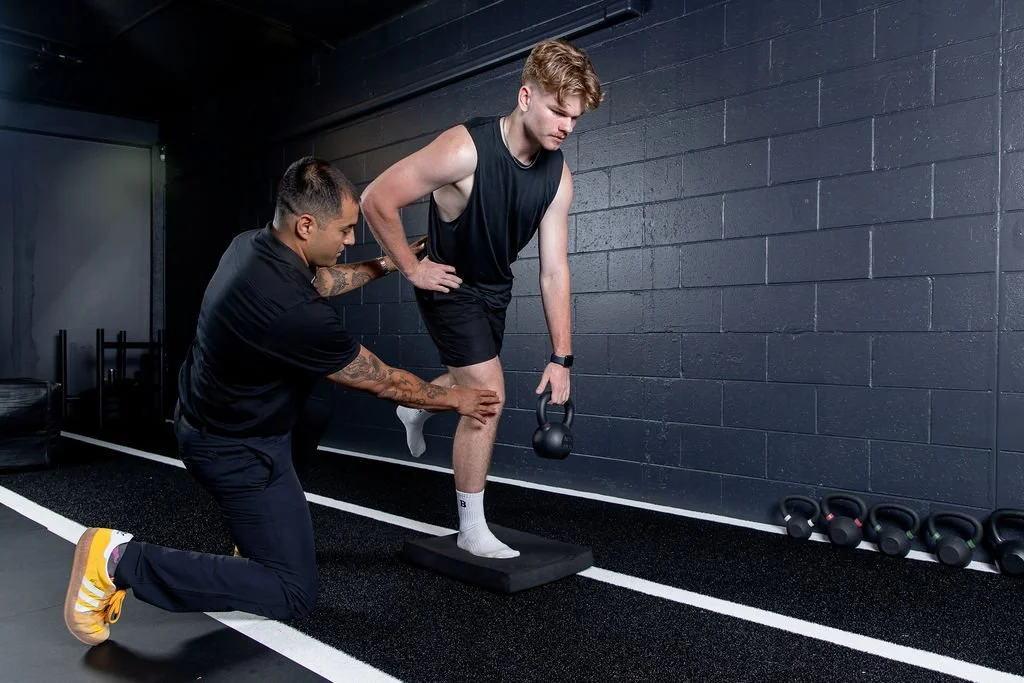
Evidence-based tendinopathy rehabilitation progresses through phases of loading. Isometric contractions provide early pain relief and neural drive without the mechanical loading that provokes symptoms. Isotonic loading through heavy slow resistance develops tendon strength. Functional and sport-specific loading restores the high-energy storage and release capacity the tendon needs for running, jumping, and changing direction.
At The Good Joint our clinicians accurately diagnose which tendon is involved and where in the tendinopathy continuum you sit, then build a progressive loading program calibrated to your current capacity and the demands you need to return to.
Book Visit
WHAT TO EXPECT DURING YOUR FIRST VISIT
Discussion:
A brief chat about what's brought you in and how it has been impacting your lifestyle.
Physical Assessment:
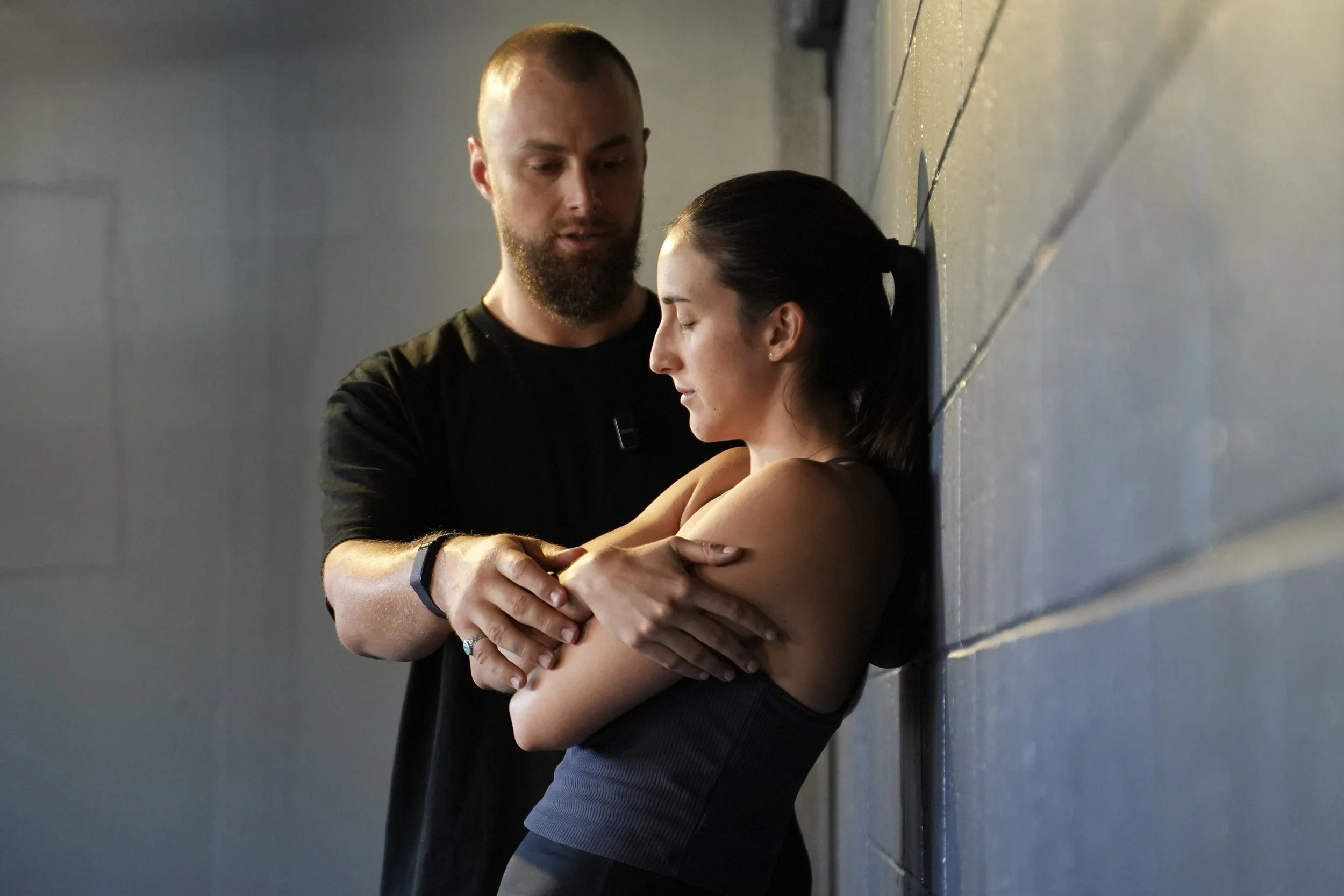
Functional testing to assess and identify underlying factors contributing to your symptoms.
Recovery Plan:
A tailored approach for working on your specific needs, including personalised exercise prescription.
Treatment:
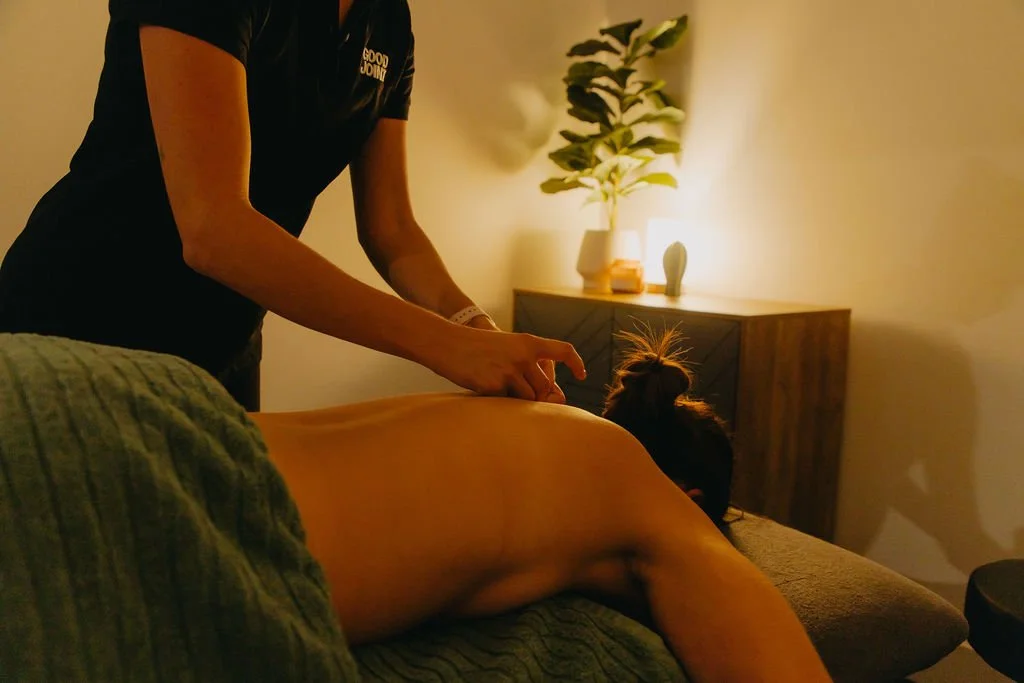
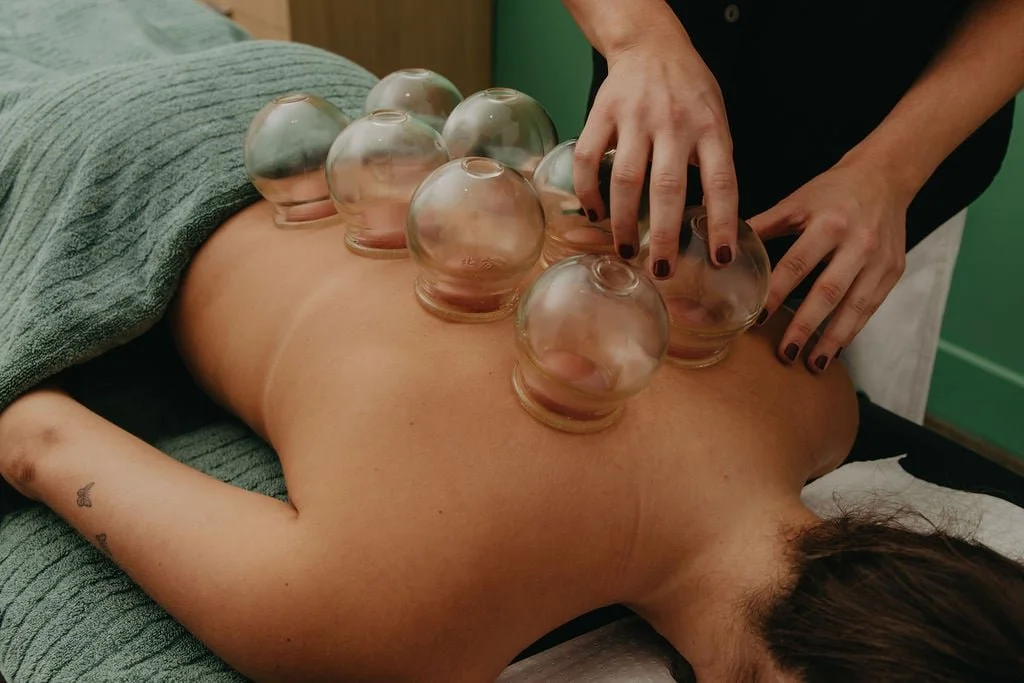
Hands-on treatment including active release, soft tissue work, and dry needling for fast relief.
Common Tendinopathies We Treat
Patellar Tendinopathy
Patellar tendinopathy, or jumper's knee, involves degenerative change at the patellar tendon origin on the inferior pole of the patella. It produces localised pain at the front of the knee with jumping, squatting, and stair loading. It is common in volleyball, basketball, and running athletes. Progressive loading through the Spanish squat, leg press, and decline squat produces the best outcomes and forms the core of rehabilitation.
Gluteal Tendinopathy
Gluteal tendinopathy involves the gluteus medius or minimus tendons at their insertions on the greater trochanter. It produces lateral hip pain with walking, prolonged sitting, and lying on the affected side. It is driven by compressive load and is worsened by hip adduction movements including crossing the legs, climbing stairs, and certain yoga poses. Isometric and progressive loading in non-compressive positions is the primary rehabilitation strategy.
Lateral Elbow Tendinopathy - Tennis Elbow
Lateral elbow tendinopathy involves the extensor carpi radialis brevis tendon at the lateral epicondyle. It produces pain with gripping, lifting, and any activity requiring wrist extension strength. Despite its name, tennis elbow is common in non-athletes and is associated with repetitive forearm and wrist use in any context. Progressive loading and addressing contributing factors at the neck and thoracic spine produces good outcomes.
Patellar vs Quadriceps Tendon
The patellar tendon runs from the inferior pole of the patella to the tibial tuberosity. The quadriceps tendon runs from the quadriceps muscles to the superior pole of the patella. Both can develop tendinopathy with different mechanisms and slightly different rehabilitation priorities. Distinguishing between the two and from other causes of anterior knee pain guides the loading program.
Rotator Cuff Tendinopathy
Supraspinatus tendinopathy is the most common rotator cuff presentation and involves degenerative change at the supraspinatus tendon running beneath the acromion. It produces a painful arc with shoulder elevation, night pain, and weakness overhead. Progressive loading in conjunction with scapular control rehabilitation and thoracic mobility work produces the best outcomes for rotator cuff tendinopathy.
Tendinopathy responds predictably well to the right loading program. The key is getting an accurate diagnosis, understanding the specific tendon and its position on the continuum, and applying progressive load in a systematic way that builds capacity rather than provoking symptoms.
Book Visit
Signs of Tendinopathy
Tendinopathies share a characteristic pattern of load-related pain that helps distinguish them from other musculoskeletal conditions. The warm-up phenomenon and the post-activity response are particularly specific features.
Tendinopathies respond very well to the right loading program. The key is accurate diagnosis of which tendon is involved, understanding where in the continuum the pathology sits, and applying progressive load that builds capacity rather than provoking symptoms.
Book NowFrequently Asked Questions About Tendon Injuries & Tendinopathy
Why does my tendon keep coming back?
The most common reason for recurring tendinopathy is failure to complete the rehabilitation through to the full loading capacity required for the demands of your activity. Symptoms resolving does not mean the tendon has rebuilt its capacity. Returning to full activity load before the tendon is capable of tolerating it predictably produces recurrence. Completing the full loading program including sport-specific phases, even when symptoms are gone, is the most important thing you can do to prevent recurrence.
Should I avoid all activity with a tendon problem?
No. Complete rest from loading causes tendon atrophy and does not address the underlying capacity deficit. The goal is to find the load threshold the tendon can currently tolerate without worsening and work progressively from there. This typically means modifying rather than stopping activity. In practice this may mean reducing running volume while maintaining strength training, or switching to lower-impact activities temporarily while the loading program is established.
Does cortisone help tendinopathy?
Cortisone injection can provide short-term pain relief in some tendinopathies, but evidence suggests it does not improve long-term outcomes and may be associated with tendon weakening and a higher reinjury rate with repeated use. For some presentations, particularly gluteal tendinopathy with significant reactive inflammation, a single injection can reduce pain enough to allow the loading program to begin. It works best as a complement to physiotherapy rather than a standalone treatment.
What is the difference between tendinopathy and tendinitis?
Tendinitis implies active inflammation and is the older term. Research over the last two decades has shown that most persistent tendon pain involves a degenerative process within the tendon structure rather than classical inflammation. Tendinopathy is the more accurate current term. This distinction matters clinically because anti-inflammatory approaches are less helpful for established tendinopathy, and loading-based rehabilitation is the primary effective treatment.
How long does tendinopathy take to resolve?
Reactive tendinopathy caught early and managed with load reduction and progressive reloading can resolve within four to eight weeks. Established degenerative tendinopathy typically requires three to six months of consistent loading program. Tendons at bony insertions, including patellar, gluteal, and Achilles insertional, tend to take longer due to the compressive component. Consistent adherence to the loading program is the primary determinant of the timeline.