Thoracic Outlet Syndrome Treatment Gold Coast
Thoracic outlet syndrome produces arm pain, numbness, tingling, and heaviness that worsens with overhead activity — and is one of the most commonly missed conditions in upper limb assessment.
Whether your symptoms involve nerve compression producing tingling and weakness, vascular compression producing arm heaviness and colour change, or a combination of both, The Good Joint provides thorough neurovascular assessment and targeted conservative treatment to identify and decompress the thoracic outlet.
Book Now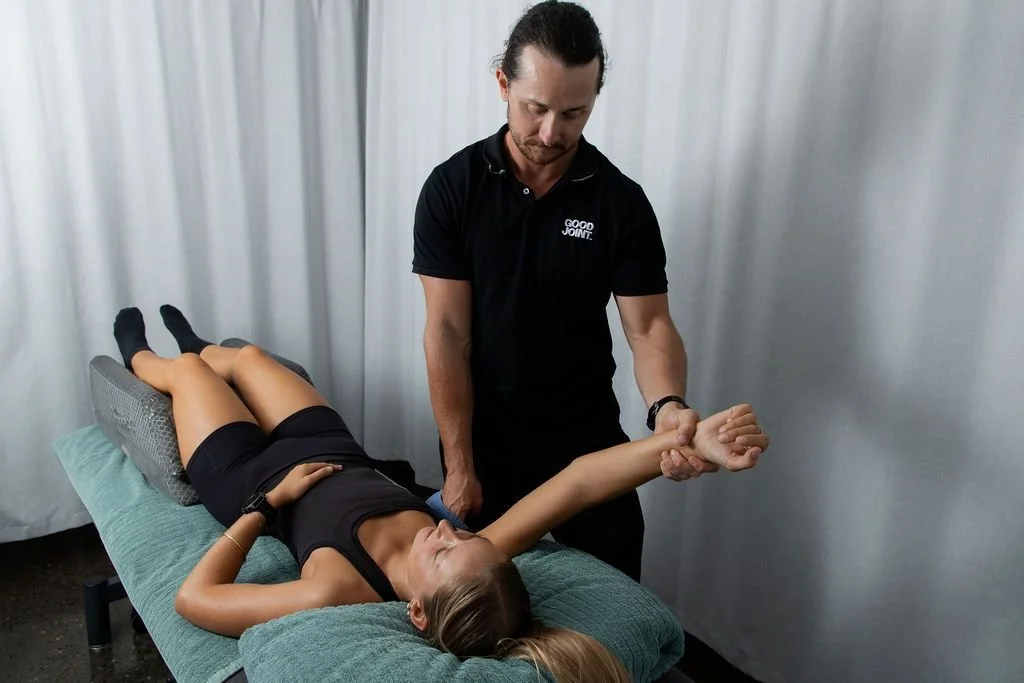
Understanding Thoracic Outlet Syndrome
What Is the Thoracic Outlet?
The thoracic outlet is the space between the collarbone and first rib through which the brachial plexus, subclavian artery, and subclavian vein pass before entering the arm. When structures in this region — including the scalene muscles, pectoralis minor, first rib, or cervical rib — compress the neurovascular bundle passing through, the result is the constellation of symptoms known as thoracic outlet syndrome.
Neurogenic vs Vascular TOS
Thoracic outlet syndrome is classified into neurogenic and vascular subtypes. Neurogenic TOS, by far the most common, involves brachial plexus compression and produces arm pain, tingling, numbness, and weakness, particularly in the ulnar distribution. Vascular TOS involves compression of the subclavian artery or vein and produces additional symptoms including arm pallor, colour change, and swelling. Distinguishing between these subtypes guides the most appropriate treatment approach.
Posture, Muscles & Contributing Factors
Thoracic outlet syndrome is strongly associated with postural contributors including forward head posture, rounded shoulders, and a depressed shoulder girdle. Tight scalene and pectoralis minor muscles narrow the thoracic outlet directly. Hypertrophy of the scalenes from athletic overhead training, particularly in swimmers and throwing athletes, is a specific occupational and sporting driver. Conservative treatment targeting these muscular and postural contributors produces good outcomes in most neurogenic TOS presentations.
At The Good Joint our physiotherapists, chiropractors, and osteopaths perform specific neurovascular assessment for thoracic outlet syndrome and build a targeted treatment plan to decompress the outlet and address all contributing factors.
Book Visit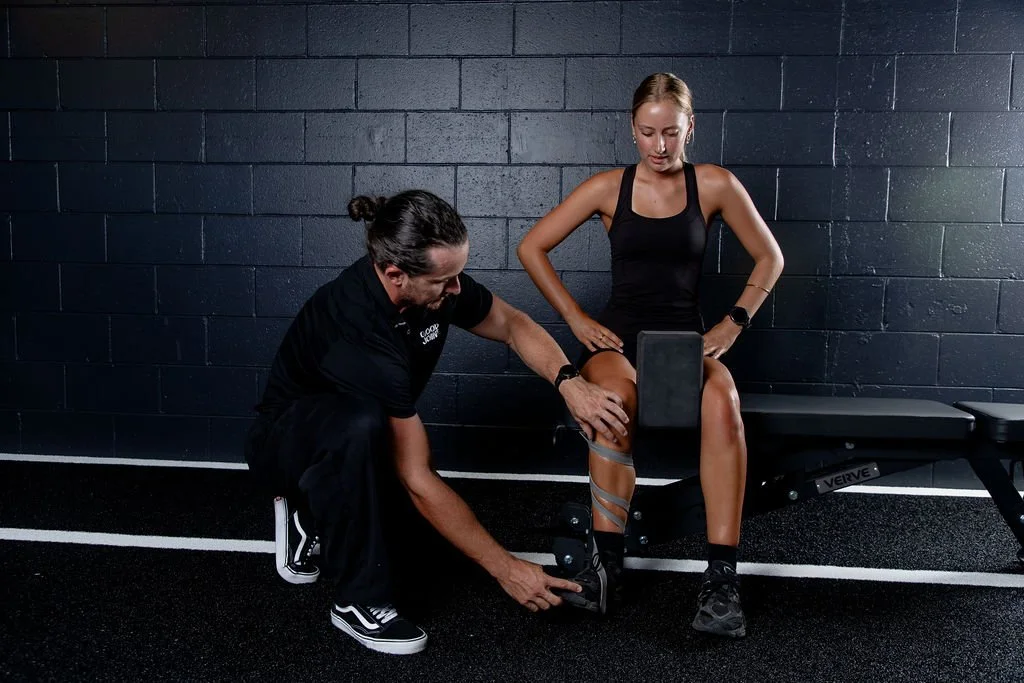
WHAT TO EXPECT DURING YOUR FIRST VISIT
Discussion:
A brief chat about what's brought you in and how it has been impacting your lifestyle.
Physical Assessment:
Functional testing to assess and identify underlying factors contributing to your symptoms.
Recovery Plan:
A tailored approach for working on your specific needs, including personalised exercise prescription.
Treatment:
Hands-on treatment including active release, soft tissue work, and dry needling for fast relief.
What Causes Thoracic Outlet Syndrome
Scalene Muscle Tightness & Hypertrophy
The anterior and middle scalene muscles form the front and back walls of the interscalene triangle through which the brachial plexus exits. When the scalenes are chronically tight, hypertrophied, or in spasm — from postural habits, repetitive overhead activity, or cervical injury — they narrow this triangle and compress the brachial plexus. Releasing scalene tension through manual therapy and targeted stretching is central to conservative TOS management.
Cervical Rib & Anatomical Variants
A cervical rib is a congenital anomaly involving an extra rib arising from the seventh cervical vertebra. It narrows the thoracic outlet and predisposes individuals to neurovascular compression. Cervical ribs are present in approximately one percent of the population but are not always symptomatic. Other anatomical variants including a broad first rib or fibrous bands can produce similar mechanical compression.
Pectoralis Minor Compression
As the brachial plexus continues into the arm, it passes beneath the pectoralis minor tendon in the subcoracoid space. Tightness in this muscle can compress the brachial plexus and axillary vessels, producing symptoms that overlap with and can coexist with classic thoracic outlet compression. Targeted pectoralis minor release and shoulder positioning exercises address this component.
Forward Head Posture & Rounded Shoulders
Forward head posture and depressed, protracted shoulders alter the mechanics of the thoracic outlet by changing the position of the clavicle and first rib relative to each other. This postural pattern is extremely common in desk workers and reduces the diameter of the thoracic outlet, increasing the likelihood of neurovascular compression with arm use and overhead activity.
Overhead Athletic Activity & Repetitive Strain
Swimmers, baseball pitchers, volleyball players, and other overhead athletes have significantly higher rates of thoracic outlet syndrome due to the combination of scalene hypertrophy from breathing effort and repetitive shoulder elevation. Occupations involving sustained overhead reaching, such as painters and electricians, present similar risk patterns. Load management and specific neuromuscular retraining are essential in these presentations.
Thoracic outlet syndrome that is accurately diagnosed and treated with a comprehensive conservative program addressing the muscles, posture, and nerve mobility involved produces good outcomes in most cases. Getting the right assessment is the most important first step.
Book Visit
Common Signs & Symptoms of Thoracic Outlet Syndrome
Thoracic outlet syndrome produces a characteristic pattern of symptoms linked to arm position and overhead activity. The combination of neurological and vascular features, and their relationship to posture and arm elevation, distinguishes TOS from other upper limb conditions.
Thoracic outlet syndrome is frequently misdiagnosed or dismissed because standard nerve conduction studies are often normal. A thorough clinical neurovascular assessment by a practitioner familiar with TOS is essential for accurate diagnosis and effective management.
Book NowFrequently Asked Questions About Thoracic Outlet Syndrome
How is thoracic outlet syndrome diagnosed?
TOS is primarily a clinical diagnosis based on the history, symptom pattern, and specific provocation tests including the Roos stress test, Adson's test, and upper limb tension tests. Standard nerve conduction studies are frequently normal in neurogenic TOS because the compression is intermittent and position-dependent rather than fixed. A skilled clinician familiar with TOS presentation and assessment is more valuable than a normal EMG result in establishing the diagnosis.
Can thoracic outlet syndrome be treated without surgery?
Yes, in the majority of cases. Surgery for TOS — typically involving first rib resection or scalenectomy — is reserved for cases that have failed a minimum of three to six months of appropriate conservative management, or for vascular TOS with arterial or venous complications. Conservative treatment including manual therapy to release scalene and pectoralis minor, specific nerve mobilisation, postural retraining, and progressive shoulder girdle strengthening produces good outcomes for most neurogenic TOS presentations.
What makes thoracic outlet syndrome worse?
Activities that narrow the thoracic outlet or increase tension on the brachial plexus typically worsen symptoms. Prolonged overhead arm use, carrying heavy objects at the side, sleeping with the arm raised, sustained forward head posture, and carrying a shoulder bag on the affected side are common aggravating factors. Understanding and temporarily modifying these activities while completing conservative treatment significantly improves outcomes.
Is thoracic outlet syndrome the same as carpal tunnel syndrome?
No, they are different conditions, though both produce arm and hand numbness. Carpal tunnel syndrome involves median nerve compression at the wrist, affecting the thumb, index, and middle fingers. Thoracic outlet syndrome involves brachial plexus compression above the clavicle, more typically affecting the ulnar distribution including the ring and little fingers, and is associated with overhead activity and arm position rather than wrist position. Both conditions can coexist as a double crush presentation.
How long does conservative treatment for TOS take?
Neurogenic TOS typically requires eight to sixteen weeks of consistent conservative management for meaningful improvement. The response depends on the severity of compression, the duration of symptoms, and how consistently the home program of stretching, nerve mobilisation, and postural correction is maintained between appointments. People with significant postural drivers that can be effectively corrected often see faster improvement than those with fixed anatomical contributors such as cervical rib.