Thyroid Health & Metabolism Support Gold Coast
The thyroid gland regulates metabolism, energy, body temperature, mood, weight, hair, skin, and reproductive health. When it is not functioning optimally, the effects are felt throughout the entire body.
Whether you have a diagnosed thyroid condition such as Hashimoto's or hypothyroidism, have been told your thyroid is normal but still do not feel right, or are dealing with unexplained weight gain, fatigue, cold intolerance, or hair thinning, our functional medicine practitioners take a comprehensive approach to thyroid and metabolic health that goes well beyond a single TSH measurement.
Book Now
Thyroid Health Affects Every System in the Body
Beyond the TSH Test
Standard thyroid testing typically measures only TSH, the pituitary signal that tells the thyroid to produce hormones. What it does not measure is whether the thyroid is actually producing adequate amounts of free T3 and T4, whether those hormones are being converted effectively, or whether autoimmune activity is silently attacking the gland. A full thyroid panel tells a much more complete story and reveals patterns that TSH alone will miss.
Hashimoto's & Autoimmune Thyroid Disease
Hashimoto's thyroiditis is the most common cause of hypothyroidism and involves an autoimmune attack on the thyroid gland. Many people with Hashimoto's have thyroid antibodies that are elevated for years before TSH becomes abnormal, and standard care often does not investigate or address the autoimmune component. A functional medicine approach focuses on reducing the autoimmune trigger through gut health, nutrition, stress management, and specific supplements.
Metabolism, Weight & Thyroid Function
Thyroid hormones directly regulate metabolic rate. Even subtle reductions in thyroid output can significantly slow metabolism, making weight management difficult regardless of diet and exercise. Functional assessment identifies whether the thyroid is the primary metabolic driver and distinguishes this from other contributors including insulin resistance, cortisol dysregulation, and gut health that also influence weight and energy.
At The Good Joint, we assess thyroid function comprehensively, investigate the underlying drivers of thyroid dysfunction, and build a personalised plan that addresses the specific pattern identified in your case.
Book Visit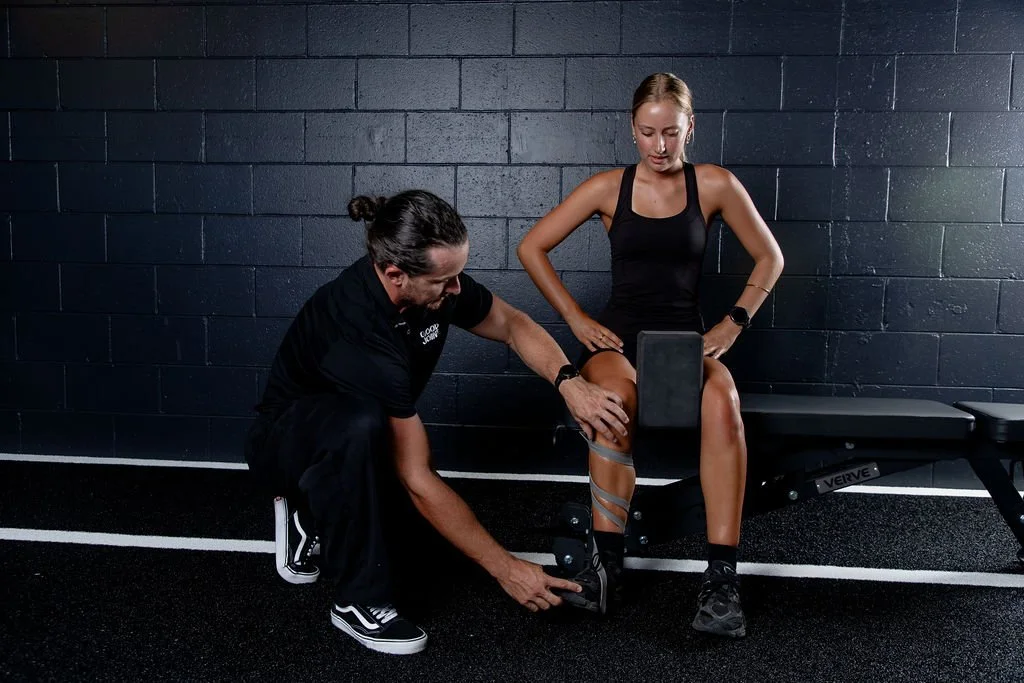
WHAT TO EXPECT DURING YOUR FIRST VISIT
Discussion:
A brief chat about what's brought you in and how it has been impacting your lifestyle.
Physical Assessment:
Functional testing to assess and identify underlying factors contributing to your symptoms.
Recovery Plan:
A tailored approach for working on your specific needs, including personalised exercise prescription.
Treatment:
Hands-on treatment including active release, soft tissue work, and dry needling for fast relief.
What We Investigate & Address
Full Thyroid Panel Assessment
A comprehensive thyroid assessment includes TSH, free T3, free T4, reverse T3, and thyroid antibodies including TPO and TgAb. This provides a complete picture of thyroid hormone production, conversion, utilisation, and autoimmune status. Identifying patterns such as poor T4 to T3 conversion, elevated reverse T3, or subclinical autoimmune activity allows for targeted intervention that a TSH-only approach would completely miss.
Hashimoto's & Autoimmune Management
Managing Hashimoto's functionally involves identifying and addressing the triggers driving the autoimmune response. Common triggers include gluten sensitivity, intestinal permeability, iodine excess, selenium deficiency, vitamin D insufficiency, chronic viral infections, and chronic stress. A systematic approach to reducing these triggers, supported by appropriate testing, can reduce antibody levels and slow the progression of autoimmune damage to the gland.
T4 to T3 Conversion
T4 is the inactive thyroid hormone that must be converted to the active T3 form in peripheral tissues including the liver, gut, and kidneys. This conversion is impaired by chronic stress, nutritional deficiencies including selenium and zinc, gut dysfunction, high cortisol, and liver burden. Many people with adequate T4 have poor T3 availability due to conversion impairment, resulting in hypothyroid symptoms despite a normal TSH.
Nutritional Foundations for Thyroid Health
The thyroid requires selenium, zinc, iodine, tyrosine, iron, and vitamin D to produce and convert hormones effectively. Selenium is particularly critical for both thyroid hormone production and the reduction of thyroid antibodies. Assessment and correction of specific nutritional deficiencies is a foundational step in any thyroid support protocol.
Metabolic Health & Insulin Resistance
Thyroid dysfunction and insulin resistance are closely interrelated. Hypothyroidism impairs glucose uptake and can worsen insulin resistance, while insulin resistance impairs thyroid hormone production and conversion. Addressing both systems together, through dietary modification, targeted supplementation, and lifestyle intervention, produces better metabolic outcomes than treating either in isolation.
Thyroid symptoms that have been attributed to stress, ageing, or lifestyle without a comprehensive investigation deserve a more thorough approach. A full thyroid panel and functional assessment often reveals patterns that explain what standard testing has missed and provides a clear pathway to targeted support.
Book Visit
Signs Your Thyroid or Metabolism May Need Support
Thyroid symptoms often develop gradually and may be attributed to ageing, stress, or other causes before the thyroid connection is investigated. Recognising the pattern is the first step.
Thyroid symptoms that have been attributed to stress, ageing, or lifestyle without proper investigation deserve a more thorough look. A comprehensive thyroid panel and functional assessment can identify whether the thyroid is contributing and what specific support is needed.
Book NowFrequently Asked Questions About Thyroid Health & Metabolism
Why does my doctor say my thyroid is normal when I still have symptoms?
Standard thyroid testing measures only TSH and sometimes T4. TSH reflects pituitary output, not thyroid hormone availability at the cellular level. Many people have TSH within the normal range but have poor T4 to T3 conversion, elevated reverse T3, or low-normal free T3 that is nonetheless insufficient for their individual needs. Additionally, thyroid antibodies indicating autoimmune activity may be present for years before TSH becomes abnormal. A full functional thyroid panel often reveals patterns that explain ongoing symptoms.
What is Hashimoto's thyroiditis and can it be managed naturally?
Hashimoto's is an autoimmune condition where the immune system produces antibodies that attack the thyroid gland. It is the most common cause of hypothyroidism. While the autoimmune process cannot be fully reversed, its activity can be significantly reduced through identification and removal of triggers, gut health restoration, nutritional support particularly selenium and vitamin D, stress management, and dietary modification. Many people with Hashimoto's reduce their antibody levels significantly and improve their symptoms with a comprehensive functional approach.
Can the thyroid affect my mental health?
Yes, significantly. Thyroid hormones influence neurotransmitter synthesis and brain function. Hypothyroidism is closely associated with depression, low motivation, brain fog, and cognitive slowing. Elevated thyroid hormone, as seen in hyperthyroidism or in the initial phase of Hashimoto's, can produce anxiety, racing thoughts, and emotional reactivity. In people with mood disorders that are not responding to standard treatment, thyroid assessment should always be part of the investigation.
What role does diet play in thyroid health?
Diet is highly influential. Gluten has been shown to trigger thyroid antibody production in some individuals with Hashimoto's through a process of molecular mimicry, and a gluten-free diet is associated with antibody reduction in this group. Adequate selenium, iodine, and zinc intake supports hormone production and conversion. Goitrogenic foods such as raw cruciferous vegetables can reduce thyroid hormone production in large quantities but are generally safe when cooked and consumed in normal amounts.
Do I need medication for my thyroid or can functional medicine manage it?
This depends on the severity and nature of the thyroid dysfunction. Significant hypothyroidism with very elevated TSH and clear symptoms typically requires thyroid hormone replacement, which functional medicine supports rather than replaces. Subclinical hypothyroidism, Hashimoto's with manageable TSH, and early-stage thyroid dysfunction can often be meaningfully supported through a functional approach without requiring medication. The goal is always to identify the most appropriate level of support for the individual's specific presentation.