Work Injury & Return to Work Rehabilitation Gold Coast
A workplace injury can affect not just your body but your livelihood, your confidence, and your identity as someone who works and contributes. Getting the rehabilitation right from the start matters enormously.
Whether you have been injured at work through a sudden incident, cumulative strain, or a musculoskeletal condition linked to your work duties, The Good Joint provides evidence-based treatment and return-to-work rehabilitation that gets you recovering properly and back to your role as safely and quickly as possible.
Book Now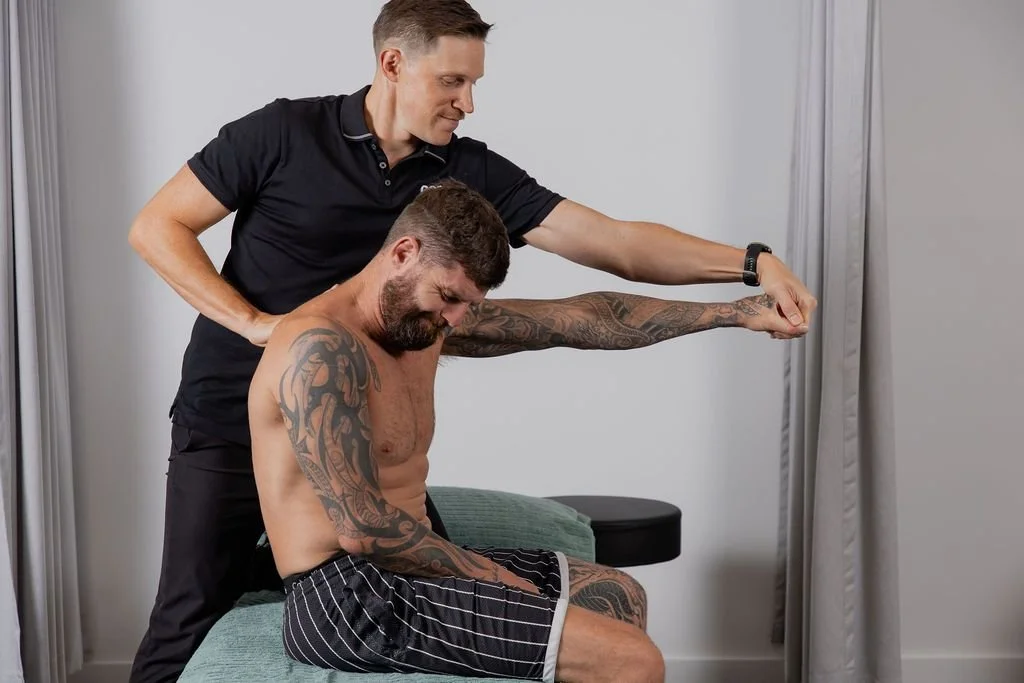
Work Injury Rehabilitation Requires a Different Approach
Early Intervention
Early treatment after a workplace injury consistently produces better outcomes than delayed care. Getting an accurate assessment, starting the right treatment, and understanding what you can and cannot do in the short term reduces the risk of a condition becoming chronic and increases the likelihood of a full and timely return to your pre-injury duties.
Functional Recovery & Work Capacity
Return to work rehabilitation goes beyond resolving pain. It focuses on restoring the physical capacity, endurance, and movement function needed to meet the specific demands of your job. This may involve graduated exposure to work tasks, functional capacity building, and work-specific exercise and conditioning alongside standard rehabilitation.
WorkCover, Insurance & Documentation
Navigating the administrative requirements of a workers compensation claim alongside managing your injury can be overwhelming. The Good Joint supports patients through this process, providing clear clinical documentation, functional assessments, treatment reports, and progress updates that meet the requirements of WorkCover Queensland and private insurers.
At The Good Joint, work injury rehabilitation is delivered with the same quality and commitment as any other presentation. We focus on your recovery and your functional outcome, and we work collaboratively with your employer, insurer, and treating team where that supports a better result for you.
Book Visit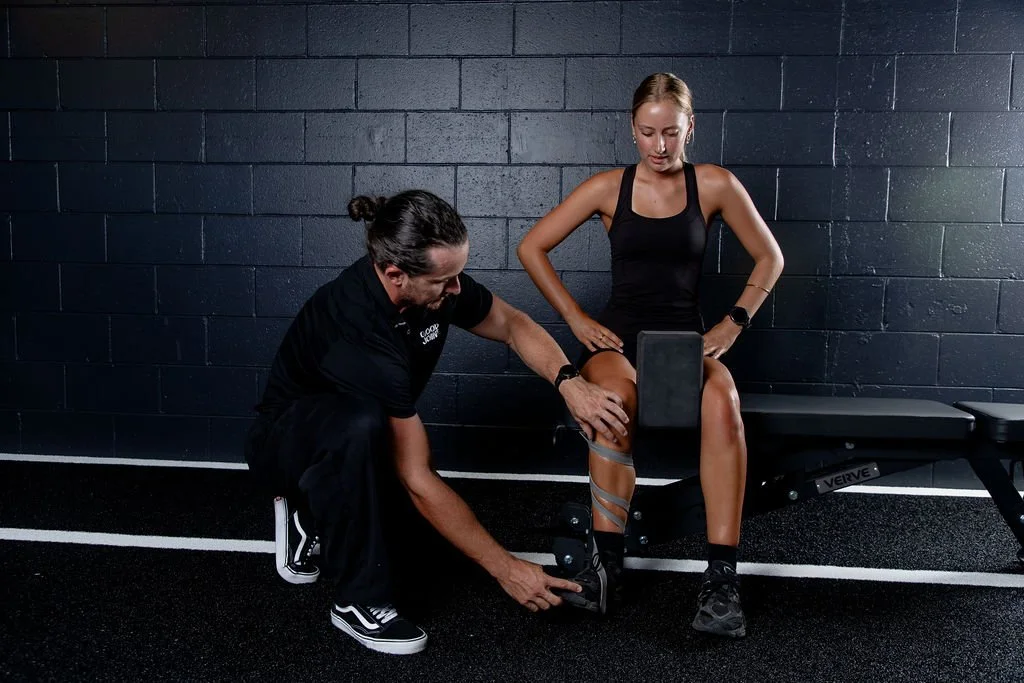
WHAT TO EXPECT DURING YOUR FIRST VISIT
Discussion:
A brief chat about what's brought you in and how it has been impacting your lifestyle.
Physical Assessment:
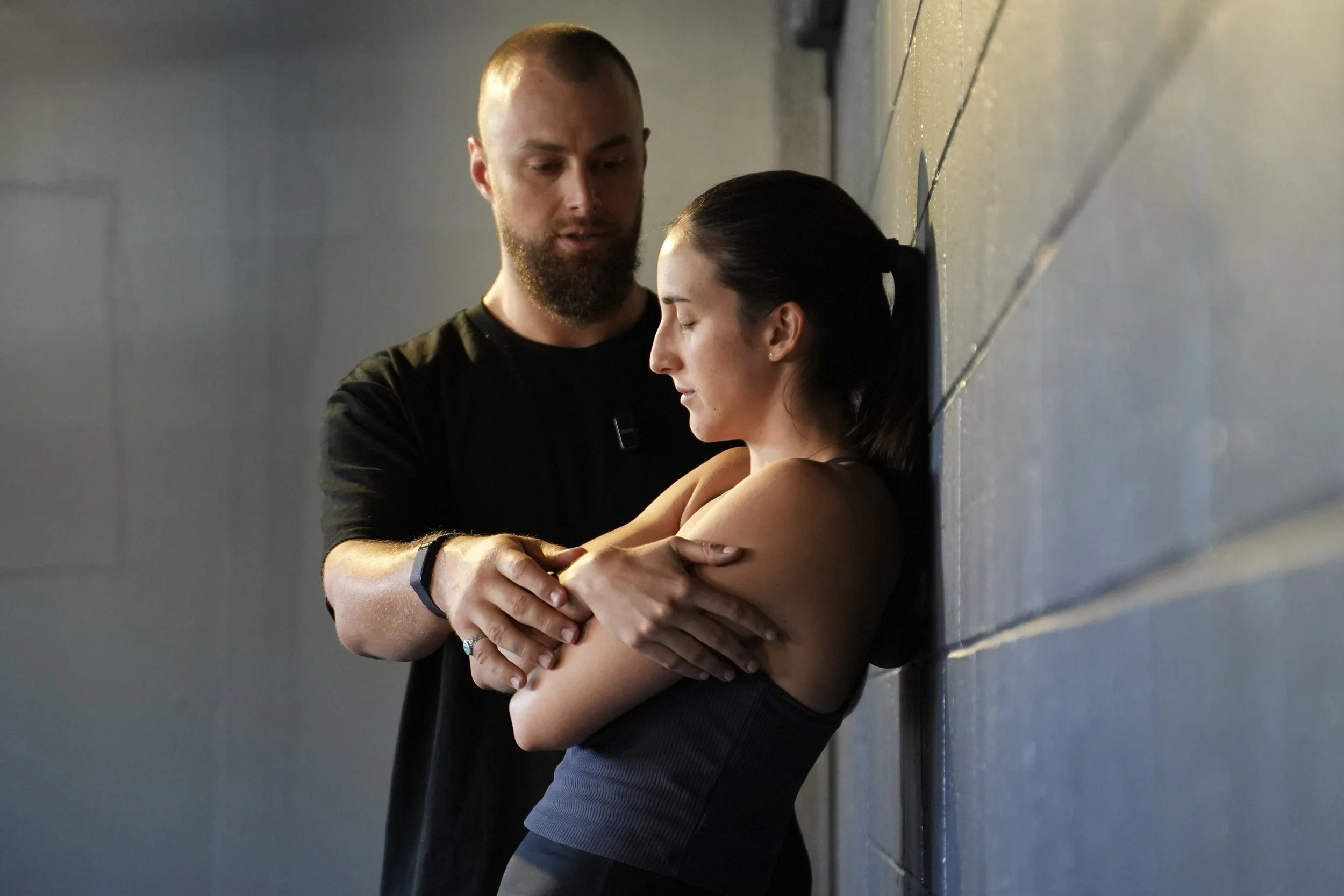
Functional testing to assess and identify underlying factors contributing to your symptoms.
Recovery Plan:
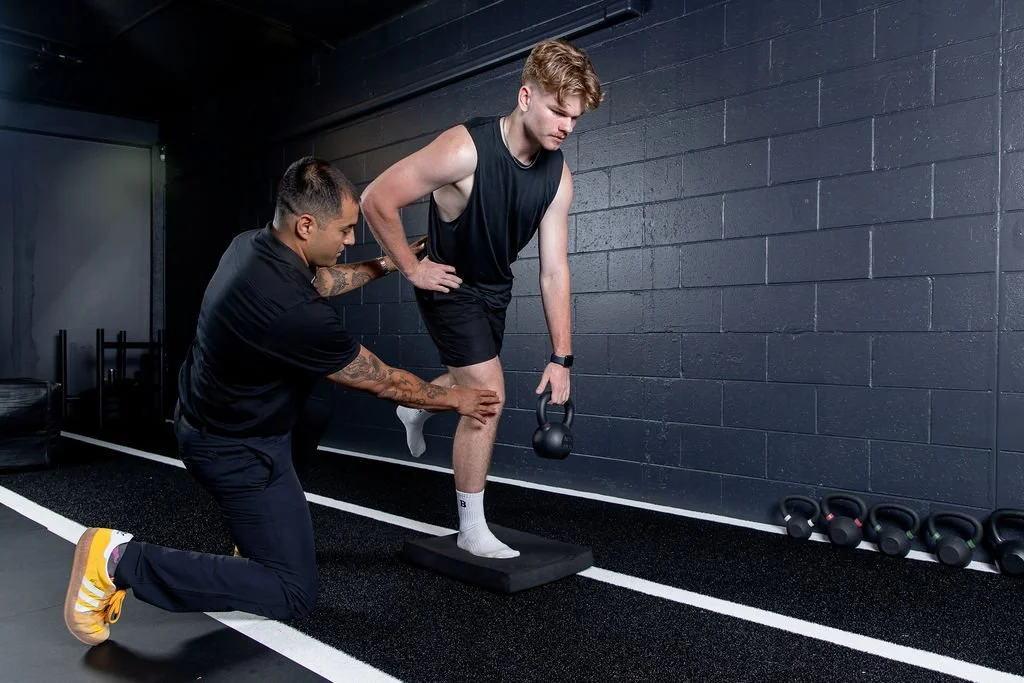
A tailored approach for working on your specific needs, including personalised exercise prescription.
Treatment:
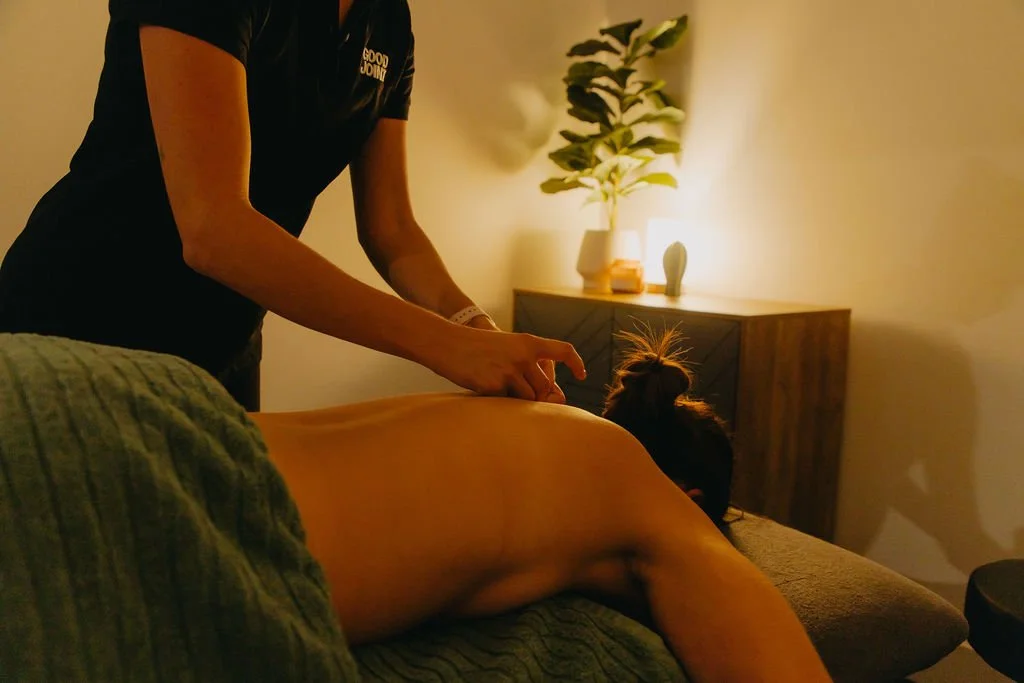
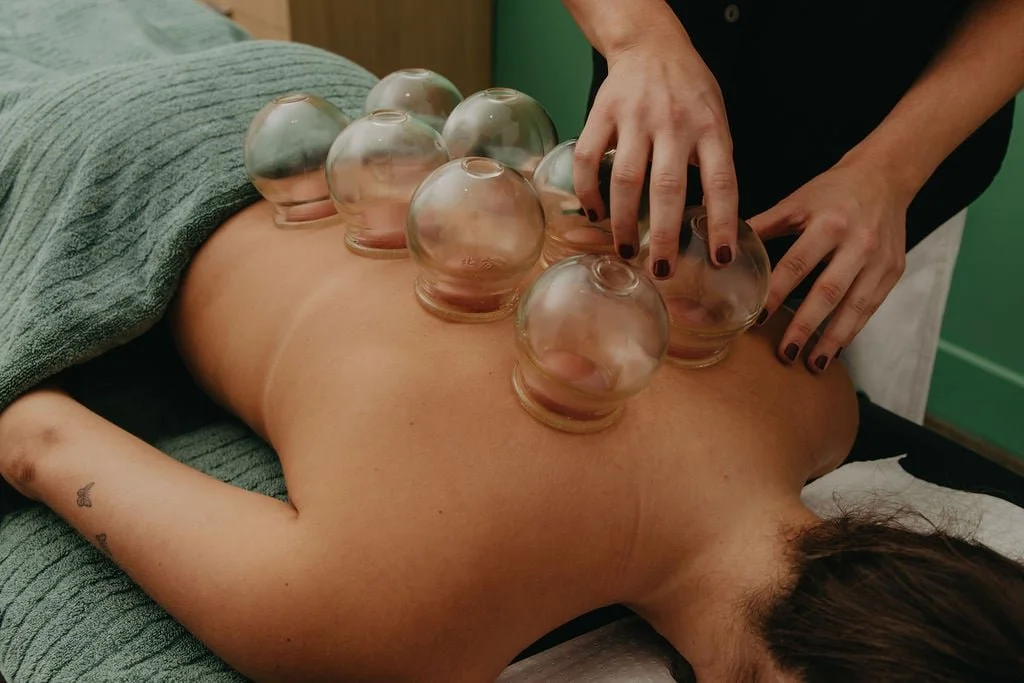
Hands-on treatment including active release, soft tissue work, and dry needling for fast relief.
Common Work-Related Injuries We Treat
Musculoskeletal Strains & Sprains
Manual handling injuries involving the lower back, shoulders, and knees are among the most common work-related presentations. These can occur from a single lifting or twisting event or from the cumulative effect of repetitive tasks over time. Accurate diagnosis and a structured rehabilitation program significantly reduce the risk of chronicity and the need for extended time off work.
Repetitive Strain Injuries
Repetitive strain injuries develop from sustained or repetitive movements that overload muscles, tendons, and nerves over time. Conditions such as carpal tunnel syndrome, tennis elbow, rotator cuff tendinopathy, and neck and upper back pain from desk work are all common workplace presentations. Treatment addresses both the local tissue injury and the ergonomic or task factors that created the overload.
Psychological & Physical Deconditioning
Prolonged time off work following injury can lead to significant physical deconditioning, fear-avoidance behaviour, and loss of confidence in the injured body part. Work injury rehabilitation addresses these factors alongside the physical recovery, using a graduated exposure approach that progressively rebuilds work capacity in a way that is manageable and confidence-building.
Post-Traumatic Musculoskeletal Injury
Workplace incidents involving falls, collisions, or sudden forceful movements can produce complex musculoskeletal injuries affecting multiple structures simultaneously. These presentations require thorough assessment to identify all involved structures, a phased rehabilitation approach, and clear communication with the treating team and insurer about recovery milestones and work capacity.
Ergonomic & Postural Work Pain
Pain that develops gradually from the physical environment of a workplace, including poor workstation setup, sustained awkward postures, or inadequate equipment, is a common but often overlooked category of work injury. Treatment addresses both the musculoskeletal dysfunction and the ergonomic factors, and recommendations to the employer where appropriate can reduce the risk of recurrence.
A work injury managed well from the start recovers faster, more completely, and with less impact on your long-term career. If you have been injured at work and want to start your rehabilitation on the right foot, an assessment is the most important first step, regardless of where you are in the claims process.
Book Visit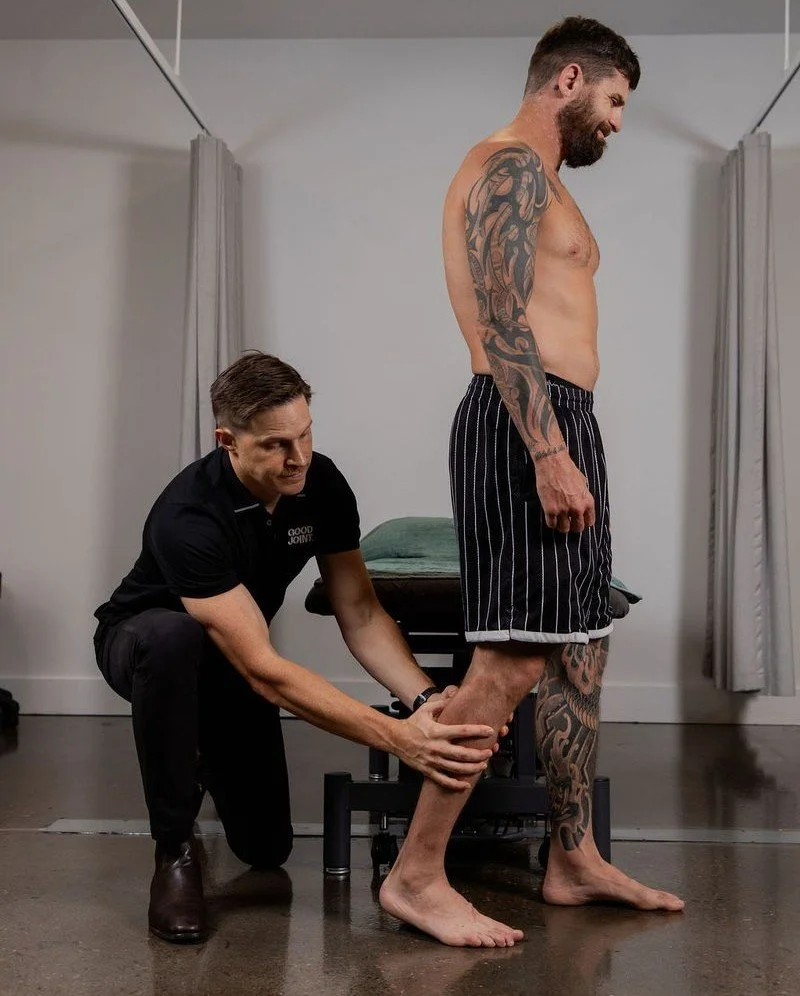
What Work Injury Rehabilitation Involves
Work injury rehabilitation is structured around your recovery, your job demands, and the specific requirements of your workers compensation claim. The goal at every stage is to restore your function, confidence, and capacity to return to meaningful work.
Work injury rehabilitation that starts early, is well structured, and addresses both the physical and functional aspects of recovery consistently produces better return-to-work outcomes than delayed or purely symptomatic treatment.
Book NowFrequently Asked Questions About Work Injury & Return to Work Rehab
Do I need a referral to access treatment for a work injury?
In most cases, no. You can attend The Good Joint for assessment and treatment following a workplace injury without a referral. If your injury is being managed through WorkCover Queensland, you will need to initiate a claim and obtain a workers compensation medical certificate from your treating doctor to access funded treatment. We can assist you in understanding this process and communicate with your insurer as required.
How does WorkCover Queensland cover physiotherapy and chiropractic treatment?
WorkCover Queensland funds reasonable and necessary treatment for accepted workplace injury claims. Physiotherapy and chiropractic care are both covered services. Treatment must be directly related to the workplace injury, and practitioners provide clinical notes and progress reports to the insurer as part of the management process. Pre-approval may be required for extended treatment courses depending on the claim type.
What is a graduated return to work?
A graduated return to work involves returning to your role progressively, starting with reduced hours, modified duties, or lighter tasks and increasing to full duties over time as your capacity improves. It is often the most effective way to return to work safely following a significant injury, as it allows the body to build work tolerance while remaining productive and connected to your role. Your treating practitioner and employer collaborate on the appropriate progression.
Can I choose my own physiotherapist or chiropractor for a work injury?
Yes. In Queensland, injured workers have the right to choose their own treating practitioners. You are not required to attend a provider nominated by your employer or insurer, and choosing practitioners you trust and who provide quality, evidence-based care is an important part of achieving a good recovery outcome.
What if I am not recovering as expected?
If your recovery is not progressing as expected, it is important to reassess whether the diagnosis is accurate, whether treatment is appropriate, and whether there are additional contributing factors that have not been addressed. A case conference with your insurer, employer, and treating team may be recommended. At The Good Joint, we monitor your progress at every stage and adjust treatment when needed to ensure you are always moving in the right direction.