Wrist & Hand Pain Treatment Gold Coast
Wrist and hand pain can interfere with almost everything you do, from typing and cooking to sport, work, and sleep.
Whether your pain is linked to carpal tunnel syndrome, a wrist sprain, tendon irritation, arthritis, repetitive strain, or referred symptoms from the elbow or neck, The Good Joint takes a whole-body approach to find what is driving it and build a plan to help you recover and get back to full function.
Book Now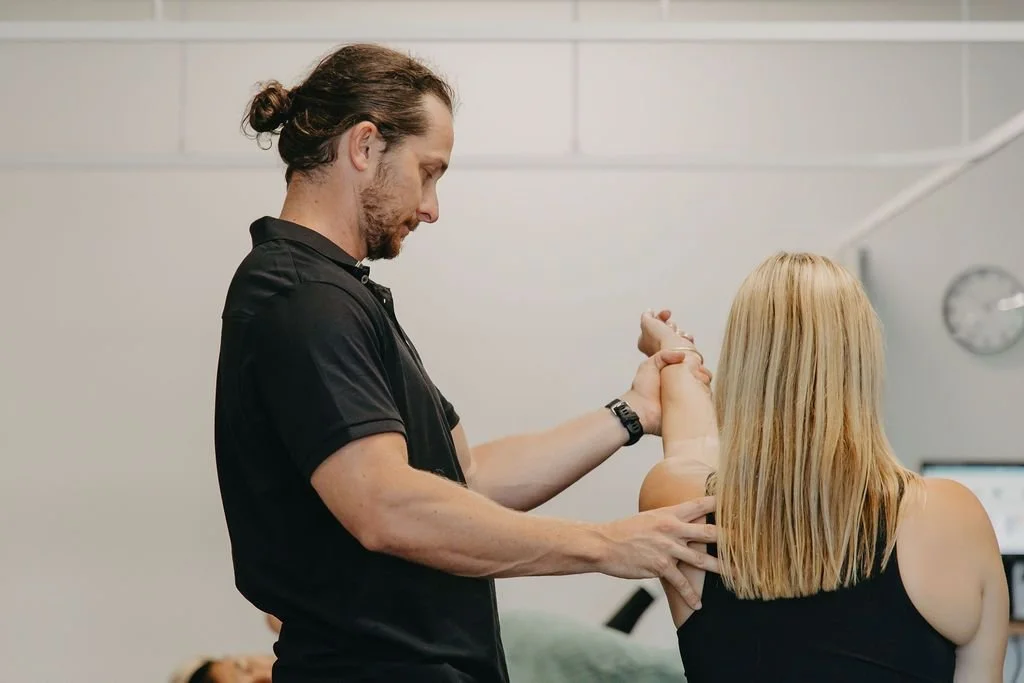
Wrist & Hand Pain Can Affect More Than Just Your Hand
Tendons, Joints & Soft Tissue
The wrist and hand contain a complex network of small joints, tendons, and ligaments. Sprains, tendon irritation, de Quervain's tenosynovitis, and joint inflammation can all cause localised pain and stiffness that limits grip, pinch strength, and fine motor control.
Carpal Tunnel & Nerve Compression
Carpal tunnel syndrome occurs when the median nerve is compressed at the wrist, causing tingling, numbness, and weakness in the hand. Nerve symptoms in the hand can also stem from compression at the elbow or irritation further up the arm into the neck, making a thorough assessment important.
Elbow, Shoulder & Neck Referral
Pain, weakness, or tingling in the wrist and hand does not always originate there. Referred symptoms from the cervical spine, thoracic outlet, or restricted joints higher up the arm are common. Treating only the wrist without assessing the rest of the upper limb can leave the underlying cause unresolved.
At The Good Joint, we assess the full picture, from the wrist and hand through to the elbow, shoulder, and neck, to make sure we are addressing what is actually causing your symptoms.
Book Visit
WHAT TO EXPECT DURING YOUR FIRST VISIT
Discussion:
A brief chat about what's brought you in and how it has been impacting your lifestyle.
Physical Assessment:
Functional testing to assess and identify underlying factors contributing to your symptoms.
Recovery Plan:
A tailored approach for working on your specific needs, including personalised exercise prescription.
Treatment:
Hands-on treatment including active release, soft tissue work, and dry needling for fast relief.
What Causes Wrist & Hand Pain?
Carpal Tunnel Syndrome
Carpal tunnel syndrome is one of the most common causes of wrist and hand pain. It occurs when the median nerve is compressed as it passes through the carpal tunnel at the wrist, causing tingling, numbness, burning, or weakness in the thumb, index, and middle fingers. It is frequently linked to repetitive hand use, prolonged wrist positions, and swelling within the tunnel.
Wrist Sprains & Ligament Injuries
Wrist sprains occur when the ligaments of the wrist are overstretched or torn, often from a fall onto an outstretched hand or a sudden twist during sport or physical work. Depending on the severity, these injuries can cause pain, swelling, instability, and reduced range of motion that benefits from hands-on treatment and progressive rehabilitation.
De Quervain's Tenosynovitis
De Quervain's affects the tendons on the thumb side of the wrist, causing pain and swelling near the base of the thumb. It is commonly linked to repetitive gripping, pinching, or lifting and is particularly common in new parents and people whose work involves frequent hand use. The pain is often sharp with thumb movement and can radiate up the forearm.
Repetitive Strain & Tendon Overload
Sustained or repetitive activities such as typing, using tools, playing sport, or performing manual work can overload the tendons and soft tissue of the wrist and hand over time. This gradual buildup of strain leads to inflammation, stiffness, and pain that tends to worsen with activity and improve with rest, until the load threshold is repeatedly exceeded.
Arthritis & Joint Degeneration
Both osteoarthritis and rheumatoid arthritis commonly affect the small joints of the hand and wrist. Osteoarthritis involves gradual wear of the joint surfaces and is more common in older adults, particularly at the base of the thumb. Rheumatoid arthritis is an inflammatory autoimmune condition that can cause pain, swelling, and stiffness across multiple joints. Conservative treatment can help manage symptoms and maintain function in both cases.
If your Hand & Wrist Pain keeps coming back, it may need a full assessment. Jaw pain is rarely caused by one thing alone. It often builds over time from tension, posture, stress, or overload.
Book Visit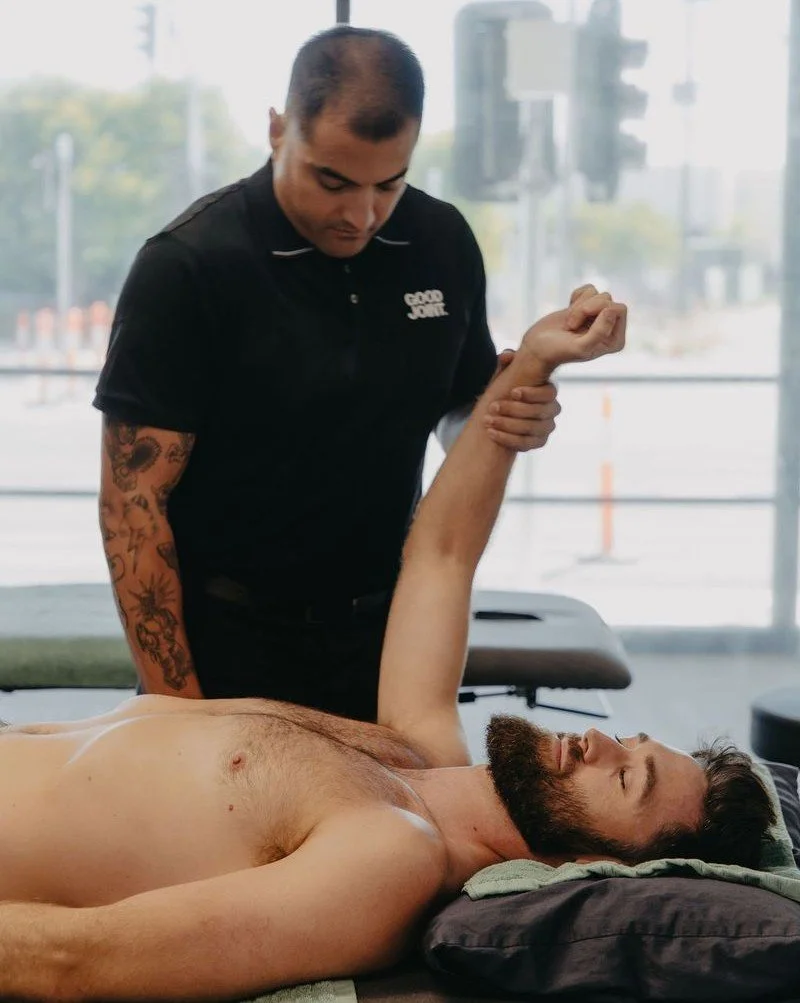
Common Wrist & Hand Pain Symptoms
Wrist and hand pain can present in many different ways depending on the cause. Some people experience a sharp pain with specific movements. Others feel a constant ache, stiffness in the morning, tingling at night, or a gradual loss of grip strength that makes everyday tasks increasingly difficult.
Wrist and hand symptoms that keep returning or gradually worsen are worth having properly assessed. Understanding whether the source is local to the hand or driven by something further up the arm makes a significant difference to how effectively it can be treated.
Book NowFrequently Asked Questions About Wrist & Hand Pain
What is carpal tunnel syndrome and how is it treated?
Carpal tunnel syndrome occurs when the median nerve is compressed as it passes through the narrow carpal tunnel at the wrist. It causes tingling, numbness, and weakness in the thumb, index, and middle fingers, and symptoms are often worse at night or in the morning. Conservative treatment including wrist mobility work, nerve mobilisation, activity modification, and addressing contributing factors higher up the arm is effective for many people, particularly when managed early.
Can wrist pain come from the neck or shoulder?
Yes. Nerve irritation originating in the cervical spine, or compression at points along the arm such as the thoracic outlet or elbow, can refer pain, tingling, or weakness into the wrist and hand. This pattern is sometimes mistaken for carpal tunnel syndrome. A proper assessment that includes the neck and upper limb is important to identify whether the symptoms are coming from the wrist itself or from somewhere further up the chain.
How long does a wrist sprain take to heal?
Mild wrist sprains often improve within two to four weeks with appropriate management. More significant ligament injuries or those involving the small bones of the wrist can take longer and may require imaging to rule out fractures. Wrist pain that persists beyond a few weeks, feels unstable, or continues to limit grip is worth having assessed to avoid longer-term issues with joint function.
Can arthritis in the hand be treated without surgery?
Yes. Conservative management is effective for reducing pain and maintaining function in many cases of hand and wrist arthritis. Treatment can include joint mobilisation, soft tissue work, activity modification, strengthening, and load management strategies. The goal is to improve how the joints move, reduce surrounding muscle tension, and support as much day-to-day function as possible without relying on surgery.
Which treatment is best for wrist and hand pain?
The right treatment depends on what is causing the pain. Physiotherapy is well suited to wrist and hand rehabilitation, covering tendon loading, joint mobility, grip strengthening, and nerve mobilisation for conditions like carpal tunnel syndrome. Chiropractic care is useful when restriction in the cervical spine or upper thoracic joints is contributing to referred symptoms into the arm, wrist, or hand. Osteopathy takes a broader structural view, assessing how the wrist, elbow, shoulder, and neck are all connected and using gentle mobilisation and soft tissue techniques to reduce load and restore balance through the whole upper limb. Remedial massage is effective for releasing chronic forearm and wrist tension, improving circulation to overworked tendons, and reducing the tightness that often builds up around the hand from repetitive daily activities. At The Good Joint, we bring all of these disciplines together so your treatment addresses the full picture from the first appointment.