
Children's Musculoskeletal Health
Children's Musculoskeletal Health Gold Coast
Children are not small adults. Their growing bones, developing movement patterns, and active lifestyles create musculoskeletal conditions that are unique to their stage of development, and that respond best to age-appropriate, evidence-based care.
Whether your child is dealing with growing pains, heel pain from Sever's disease, knee pain from Osgood-Schlatter, a sports injury, postural concerns, flat feet, or a movement issue that is affecting their participation in sport and daily activity, The Good Joint provides gentle, thorough assessment and targeted treatment designed specifically for children and adolescents.
Seen here by our chiropractors and our physiotherapists.
Mermaid Beach clinic
On-the-spot claiming
Book directly with us
Rated 5.0 from 600+ reviews by Gold Coast locals. Locally owned, community focused and committed to better healthcare.
We accept eligible Medicare care plan referrals from your GP for selected allied health services.
We welcome eligible DVA cardholders, with allied health treatment available with a valid referral.
We provide treatment and rehabilitation for eligible workplace injuries under approved Queensland and NSW workers’ compensation claims.
Where It Shows Up
Children's Musculoskeletal Health Needs Specialist Attention
Growth-Related Conditions
Rapid growth phases can create vulnerability in developing bones, tendons, and joints. Conditions like Osgood-Schlatter disease, Sever's disease, and Scheuermann's kyphosis are common in active children and adolescents. Proper assessment and load management during these periods can significantly reduce pain and prevent conditions from worsening during growth spurts.
Sports Injuries in Young Athletes
Children involved in sport are susceptible to overuse injuries, growth plate irritation, and acute injuries that may present and heal differently to the same injuries in adults. Treatment must account for the stage of physical development, the demands of the sport, and appropriate return-to-activity timelines that protect the growing body without unnecessarily sidelining the child.
Posture, School Bags & Screen Time
Heavy school bags, prolonged sitting, and increased screen use are contributing to a rise in neck, upper back, and postural pain in children and adolescents. Early assessment and intervention can prevent these patterns from becoming established and teach children the movement habits that support a healthy spine through adolescence and into adulthood.
Not sure which of those is yours?
Our Approach
Find the cause,
not just the symptom
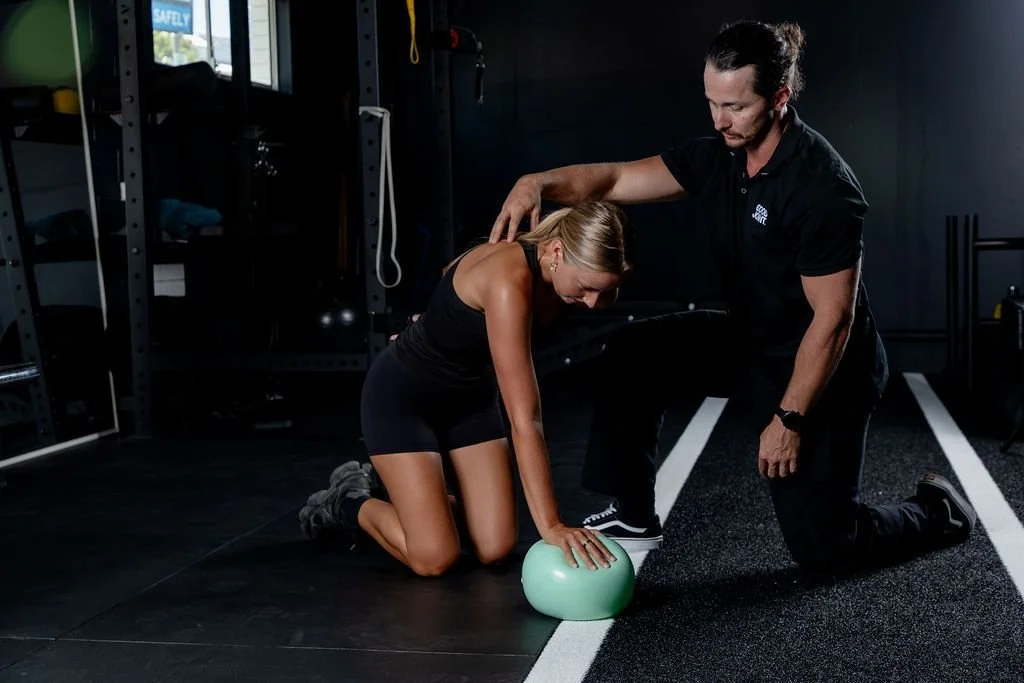
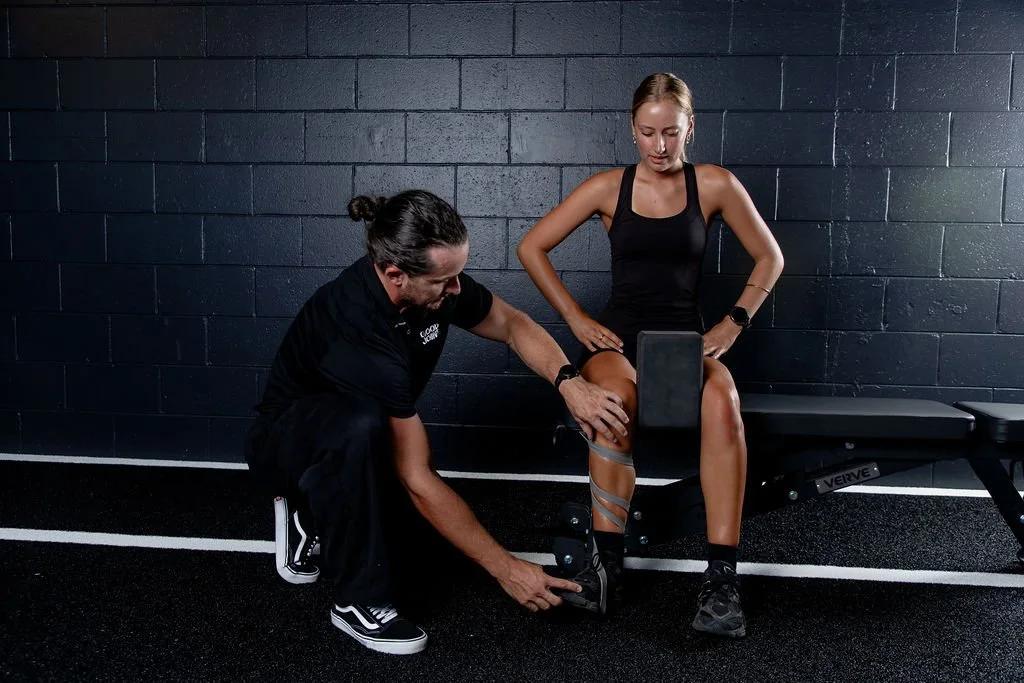
At The Good Joint, we adapt our assessment and treatment approach to suit the age, development stage, and specific needs of your child, in a way that is clear, reassuring, and appropriate for younger patients.
Assess
History, movement and strength
Treat
Hands-on care and exercise
Manage
What to change between visits
One body,
a connected team
Our practitioners work together under one roof, so your plan can draw on more than one discipline when it needs to. Not sure who to book? Ring us and we will point you.
Related conditions we see alongside this: Sports injury treatment and Posture and desk pain.
Explore all servicesWhat To Look For
Signs Your Child May Benefit From Assessment
Children do not always communicate pain in the same way adults do. They may slow down in sport, avoid certain movements, complain of tiredness, or show postural changes before describing specific pain. Recognising these signals early can lead to faster and more effective treatment.
If your child has been complaining of pain for more than a week or two, is limiting their activity, or you have noticed a postural or movement change, an assessment is worthwhile. Many childhood musculoskeletal conditions are straightforward to treat when identified early.
Why It Happens
Conditions We Commonly See in Children & Adolescents
Osgood-Schlatter Disease
Osgood-Schlatter is a common cause of knee pain in active children and adolescents, particularly during growth spurts. It involves irritation at the tibial tuberosity where the patellar tendon attaches, driven by the pulling force of the quadriceps during rapid growth. Pain is felt just below the kneecap and worsens with running, jumping, and kneeling. Load management and quadriceps stretching are key components of management.
Sever's Disease
Sever's disease causes heel pain in growing children, typically between the ages of eight and fourteen. It involves irritation at the growth plate of the heel bone where the Achilles tendon attaches. Active children in sports involving running and jumping are most commonly affected. Treatment focuses on calf flexibility, load reduction, and footwear assessment.
Scheuermann's Kyphosis
Scheuermann's kyphosis is a developmental condition involving abnormal wedging of multiple thoracic vertebrae, leading to an increased forward curve in the mid-back. It is typically identified in adolescence and can cause mid-back pain, postural concerns, and reduced thoracic mobility. Physiotherapy and chiropractic care can help manage pain, improve posture, and support better spinal mechanics during development.
Growing Pains
Growing pains typically affect children between the ages of three and twelve and cause aching in the legs, particularly at night. While the exact cause is not fully understood, they are considered a normal part of development. Massage, stretching, and reassurance are the mainstays of management. If pain is present during the day, is localised to a specific area, or is associated with swelling, further assessment is recommended.
Postural Issues & Scoliosis Screening
Postural concerns in children, including mild scoliosis, rounded shoulders, and forward head posture from screen use, benefit from early assessment and intervention. Many postural patterns are highly responsive to treatment and exercise during childhood when the spine is still developing. Early identification also allows for appropriate monitoring and referral if needed.
Not sure which it is?
It is often two or three of these at once. An assessment sorts out which ones apply to you and what to do about them.
Book an assessment →If your child has been dealing with pain, postural changes, or a movement problem for more than a couple of weeks, an early assessment is always worthwhile. Many conditions in children are very manageable when identified at the right time, and catching them early makes a real difference to how quickly and completely they resolve.
Had this for more than a couple of weeks?
Children's Musculoskeletal Health, answered
The questions we get asked most. There is more on the new patient page.
Is chiropractic care safe for children?
At what age can children start physiotherapy?
What is the difference between growing pains and a real injury?
Can physiotherapy help with scoliosis in children?
How do I know if my child needs to see a physio or a chiropractor?
Is there parking at the clinic?
Know Before You Come
Your first visit, step by step
No referral needed for most appointments, and no guesswork. Here’s what to expect when you visit The Good Joint for the first time. For everything else, see our new patient information.
First, we listen
We start with what brought you in, your health history and what you want to get back to.
Then, we assess
We take the time to understand what’s happening and identify what may be contributing to your concerns.
We make a plan
We explain what we’ve found and build a clear, personalised plan around your needs and goals.
Then, we get to work
Where clinically appropriate, treatment can begin during your first appointment.

Let’s find what is driving it
Book an assessment at The Good Joint in Mermaid Beach.
Rated 5.0 from 600+ Google reviews by Gold Coast locals