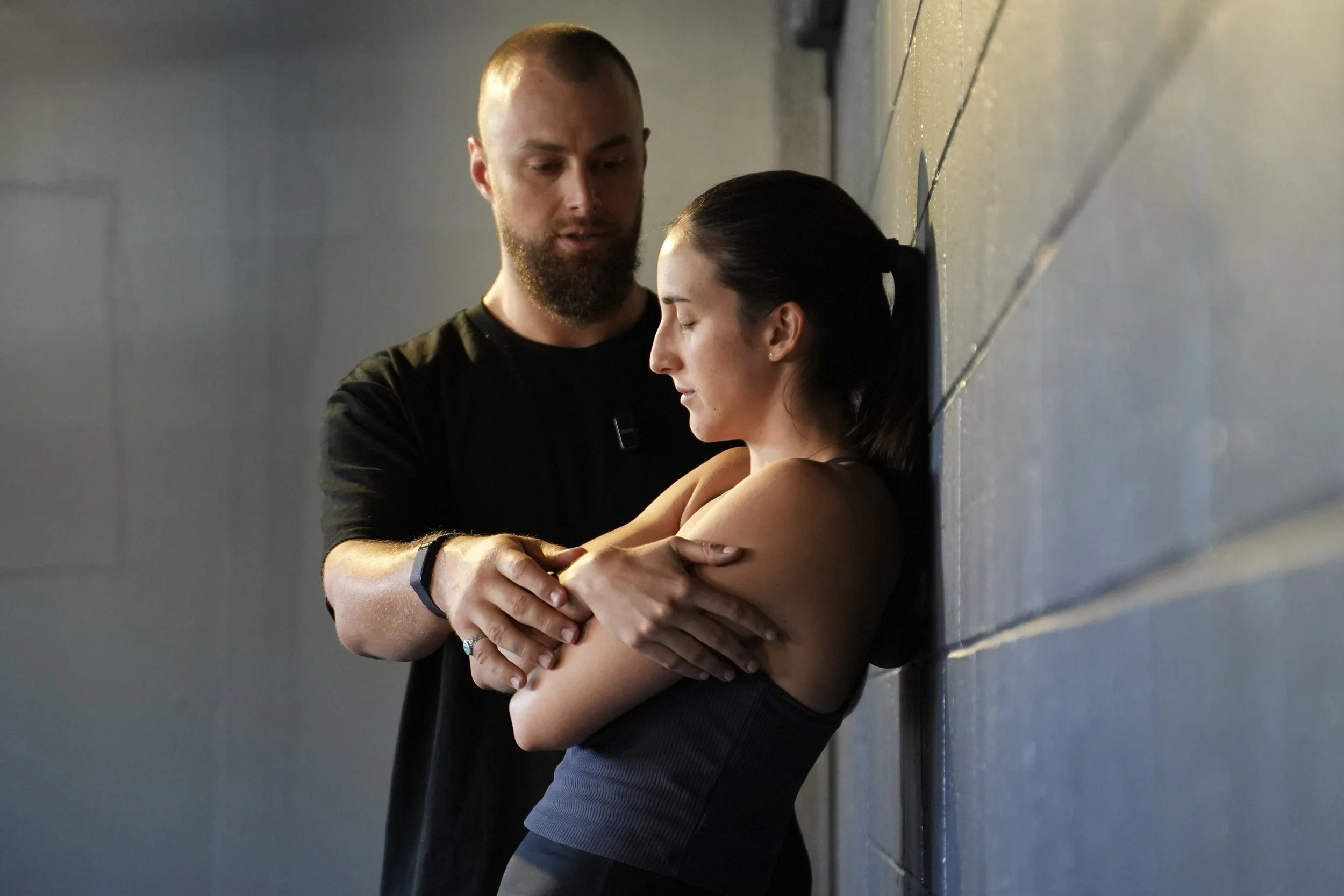
Posture & Desk Pain Treatment Gold Coast
Posture-related pain and desk pain can build so gradually that many people assume it is simply part of working at a computer, until it starts affecting their evenings, weekends, and sleep.
Whether your posture pain is linked to forward head posture, rounded shoulders, thoracic stiffness, neck and upper back tension, or the cumulative effect of long hours at a screen, The Good Joint takes a whole-body approach to identify what is driving your discomfort and build a plan that creates real and lasting change.
Book Now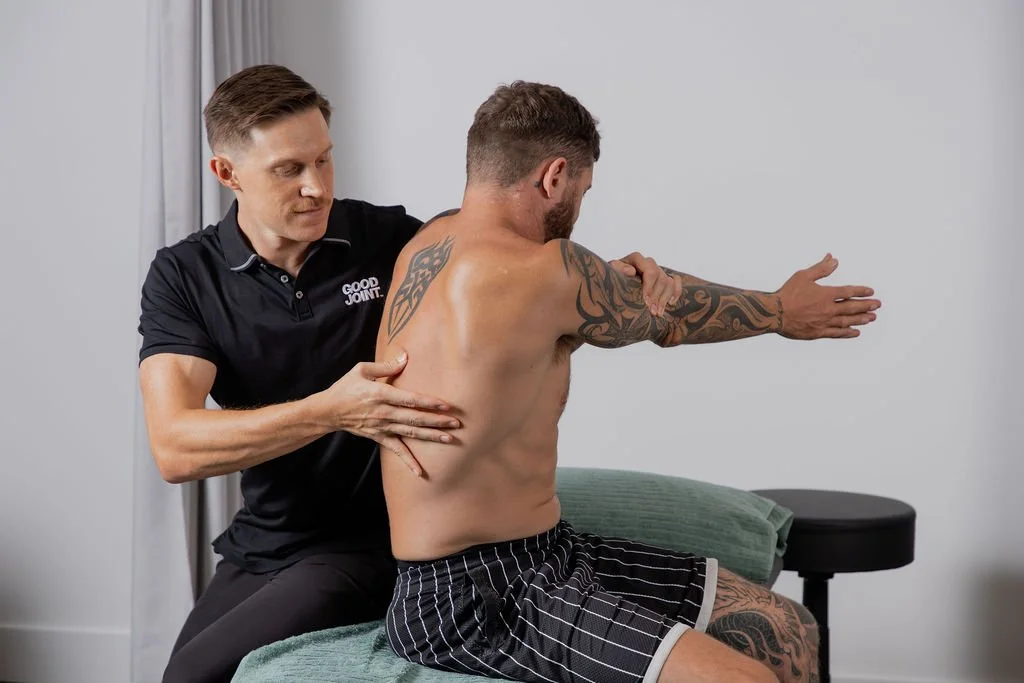
Rib Pain Can Affect More Than Just Your Ribs
Rib Joints & Thoracic Spine
Each rib connects to the thoracic spine at the back and most connect to the sternum at the front. Restriction or irritation at these joints can cause sharp, localised pain that worsens with breathing, twisting, or pressure. This type of rib pain responds well to hands-on treatment targeting the thoracic spine and rib joints directly.
Intercostal Muscle Strain
The intercostal muscles run between each rib and can be strained through sudden twisting, heavy lifting, sport, or forceful coughing. The resulting pain is often sharp with movement or deep breathing and can be mistaken for a more serious condition. A proper assessment helps confirm the source and guide the right management approach.
Referred Pain & Breathing Patterns
Pain in the rib area can be referred from the thoracic spine, diaphragm, or surrounding soft tissue. Altered breathing patterns following injury or prolonged pain can also create secondary tension through the chest and upper back, which may persist even after the original injury has healed.
At The Good Joint, we assess the rib joints, thoracic spine, and surrounding muscles to identify the source of your rib pain and build a treatment plan that restores comfortable movement and breathing.
Book Visit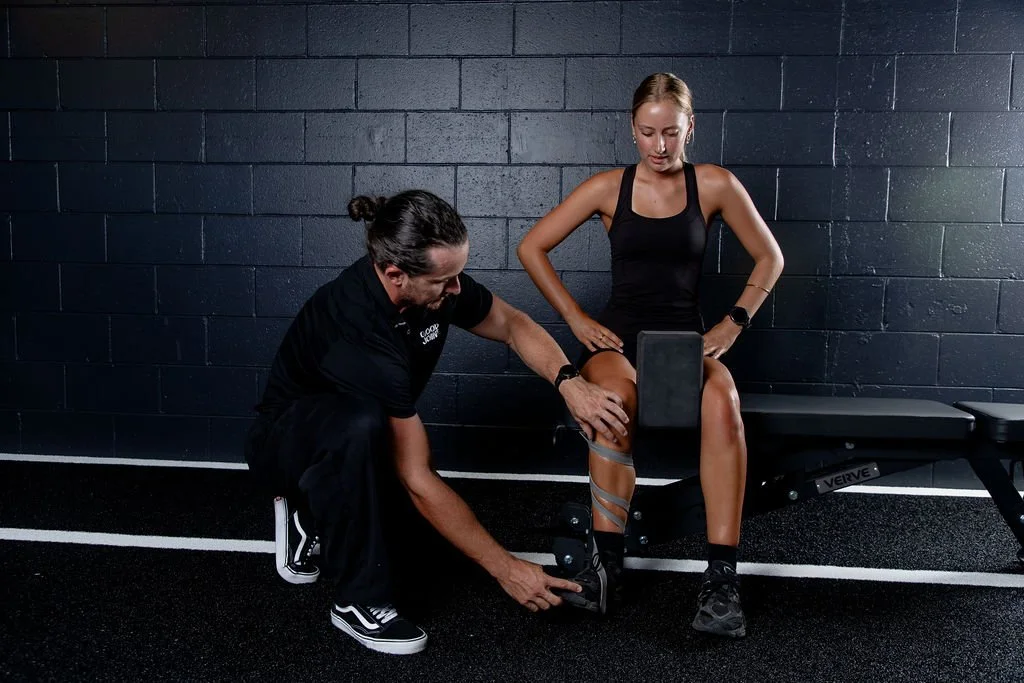
WHAT TO EXPECT DURING YOUR FIRST VISIT
Discussion:
A brief chat about what's brought you in and how it has been impacting your lifestyle.
Physical Assessment:
Functional testing to assess and identify underlying factors contributing to your symptoms.
Recovery Plan:
A tailored approach for working on your specific needs, including personalised exercise prescription.
Treatment:
Hands-on treatment including active release, soft tissue work, and dry needling for fast relief.
What Causes Posture & Desk Pain?
Forward Head Posture
Forward head posture occurs when the head sits in front of the body's centre of gravity rather than directly over the shoulders. It is extremely common in people who spend long hours at screens and significantly increases load on the cervical spine, upper back, and suboccipital muscles. Over time it drives headaches, neck stiffness, jaw tension, and upper back discomfort.
Rounded Shoulders & Thoracic Kyphosis
Prolonged desk posture encourages the shoulders to round forward and the thoracic spine to increase its natural forward curve. This posture compresses the anterior thoracic joints, overstretches the mid-back muscles, and restricts the shoulder joint from moving into full elevation. It is one of the most common postural patterns seen in office workers and those in sedentary occupations.
Static Muscle Overload
Holding any position for extended periods causes the postural muscles to fatigue, even if that position appears relatively neutral. The upper trapezius, levator scapulae, rhomboids, and deep cervical flexors are particularly susceptible to static overload in desk workers, producing persistent tension and trigger points that are slow to resolve without targeted treatment.
Poor Workstation Setup
The height of your monitor, position of your keyboard, chair support, and how long you sit without breaking all directly influence how much strain accumulates in your body throughout the working day. Small adjustments to ergonomics, combined with treatment to address existing tension and restriction, can produce significant and rapid improvement in desk-related pain.
Deconditioning & Lack of Movement
Extended periods of low activity reduce the strength of the core, glutes, and postural muscles that support the spine. As these muscles weaken, the body relies increasingly on passive structures like ligaments and joints to maintain position, which increases the likelihood of pain developing and makes recovery from postural strain slower.
Posture and desk pain that keeps coming back every week is not something you have to accept as part of working life. A proper assessment can identify the specific postural patterns and structural issues driving your symptoms and build a plan that creates lasting change rather than just temporary relief.
Book Visit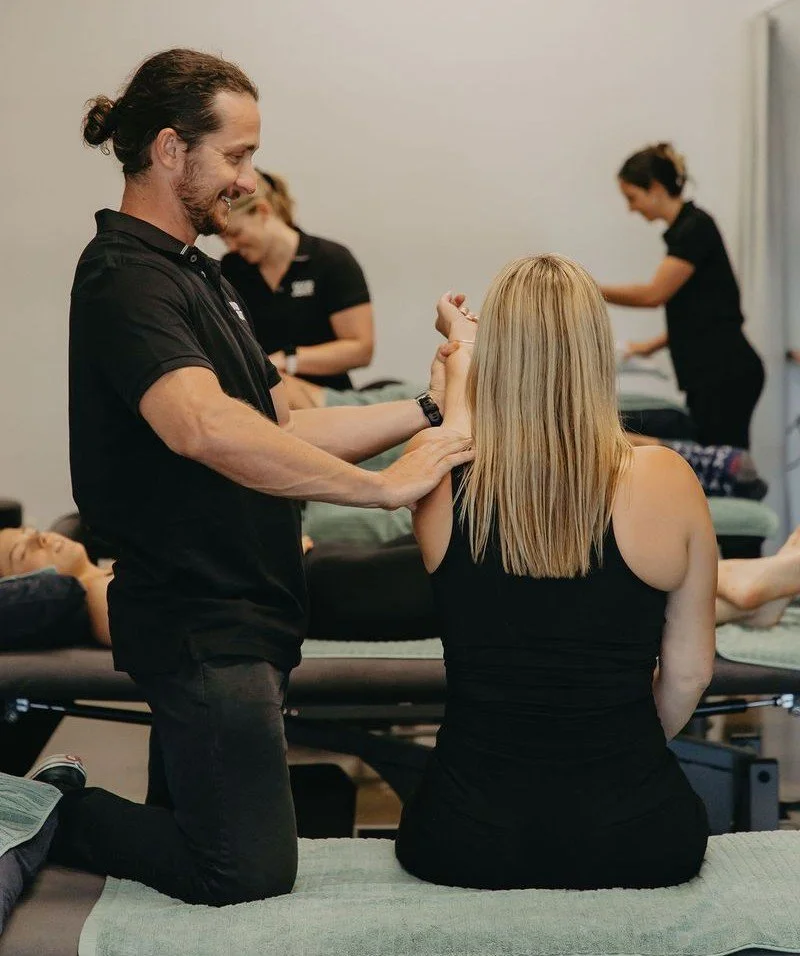
Common Posture & Desk Pain Symptoms
Posture and desk pain often builds gradually and may be dismissed as normal tiredness or end-of-day stiffness for a long time before it becomes persistent enough to seek help. Recognising the pattern early makes treatment significantly more straightforward.
Posture pain that returns every week regardless of how much you stretch or rest is a sign that the underlying structural and muscular causes have not been addressed. Treatment works best when it combines hands-on care with specific correction of the contributing habits.
Book NowFrequently Asked Questions About Posture & Desk Pain
Can bad posture be corrected?
Yes, in most cases. Posture is a habit shaped by the demands placed on the body over time, and habits can be changed with the right approach. Correction works best when it combines hands-on treatment to restore joint mobility and release accumulated muscle tension, with specific exercises to strengthen the muscles responsible for maintaining better posture. Simply being told to sit up straighter is rarely effective on its own.
How long does it take to correct posture?
This depends on how long the postural pattern has been established and how consistently correction is pursued. Most people notice meaningful improvement in pain and awareness within four to eight weeks. Lasting structural change to deep postural habits typically takes three to six months of consistent effort. The earlier you start, the faster and more completely posture can be improved.
Can desk pain cause headaches?
Yes. Forward head posture and upper cervical joint restriction are among the most common causes of tension-type headaches and cervicogenic headaches. The muscles and joints at the top of the neck, particularly the suboccipital region, are directly connected to the structures that refer pain into the head. Addressing these areas as part of posture treatment often significantly reduces headache frequency.
Do I need a standing desk to fix desk pain?
A standing desk can help by introducing more variety into your working position, but it is not a solution on its own. Standing incorrectly or for too long can produce its own set of problems. The most important factors are how well your workstation fits your body, how frequently you change position, and whether the underlying muscle and joint issues are being addressed through treatment and exercise.
What is the best treatment for posture and desk pain?
Effective treatment addresses both the structural causes and the contributing habits. Chiropractic care restores mobility in the cervical and thoracic spine, where restriction is one of the primary drivers of posture-related pain and headaches. Physiotherapy provides postural assessment, targeted strengthening of the deep neck flexors, mid-back, and core, and practical strategies for improving ergonomics and movement habits. Osteopathy takes a whole-body view, examining how posture affects the full spinal chain and using joint and soft tissue techniques to restore balance from the head to the pelvis. Remedial massage is highly effective for releasing the chronic tension that accumulates in the upper traps, neck, and thoracic muscles from sustained desk postures, providing significant relief and making the joint work more effective. At The Good Joint, we combine all of these disciplines so your posture correction is thorough, sustainable, and supported at every level.