Sports Injury Treatment Gold Coast
A sports injury does not just take you off the field. When it is not managed well, it can set your training back by months and leave you at a much higher risk of the same injury happening again.
Whether you are dealing with a muscle strain, ligament sprain, tendon injury, stress fracture, joint injury, or the early signs of overuse, The Good Joint provides sports injury treatment and rehabilitation that is focused on returning you to full performance, not just getting you out of pain.
Book Now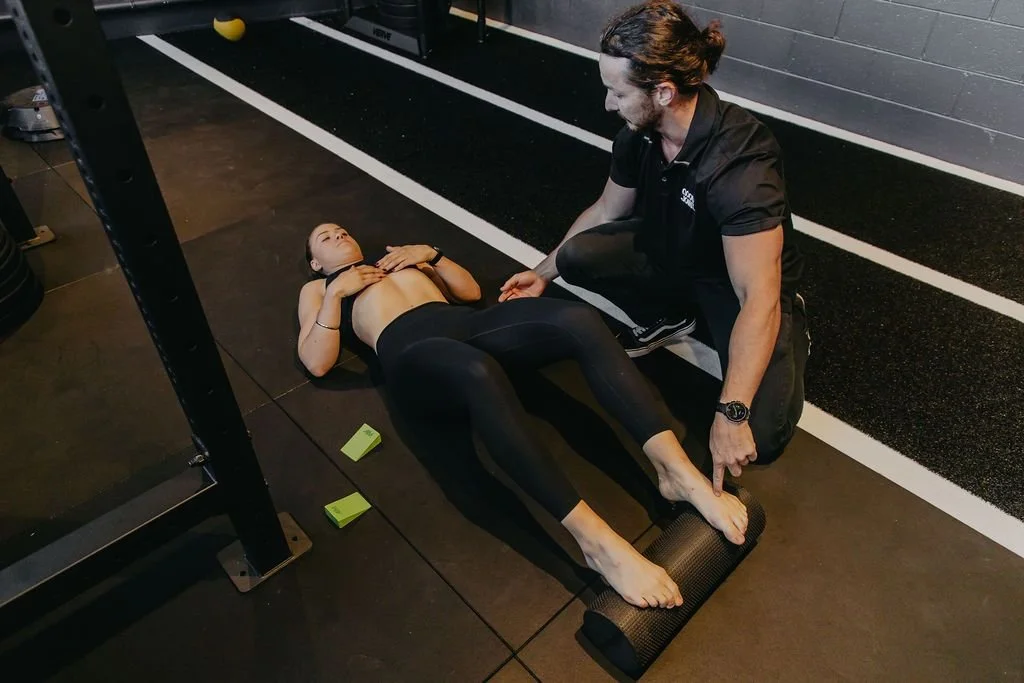
Sports Injuries Need More Than Just Rest
Accurate Diagnosis
The most important first step after any sports injury is an accurate assessment of what has been injured, how severely, and what structures are involved. This determines the appropriate management pathway, realistic return-to-sport timeline, and whether imaging or specialist referral is needed. Managing a sprain the same way as a tendon injury leads to slower and less complete recovery.
Targeted Treatment & Rehabilitation
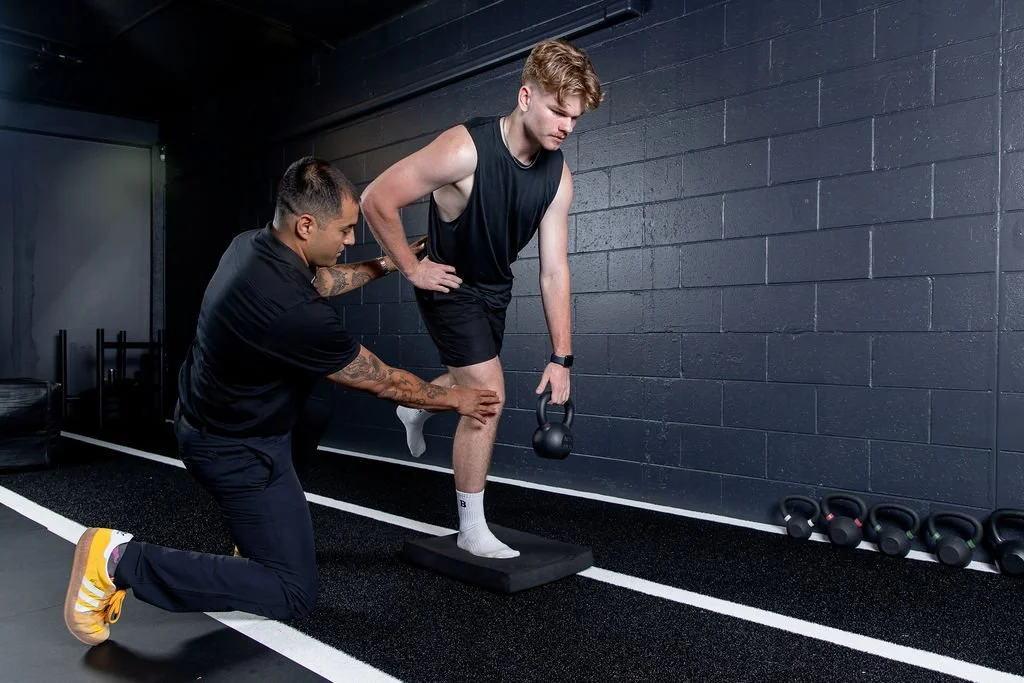
Effective sports injury treatment combines hands-on care to manage pain, swelling, and tissue healing with progressive rehabilitation to restore strength, movement, and sport-specific function. Physiotherapy, chiropractic care, osteopathy, and remedial massage all play different and complementary roles depending on the injury and the stage of recovery.
Return to Sport Planning
Returning to sport before the injured tissue is ready, or without addressing the movement and strength deficits that contributed to the injury, significantly increases reinjury risk. A structured return-to-sport plan with clear criteria at each stage protects the repair, builds confidence, and ensures you come back at full capacity rather than at partial function.
At The Good Joint, we treat the full spectrum of sports injuries across a wide range of sports and activity levels, from weekend warriors to competitive athletes, and our goal is always a complete return to performance.
Book Visit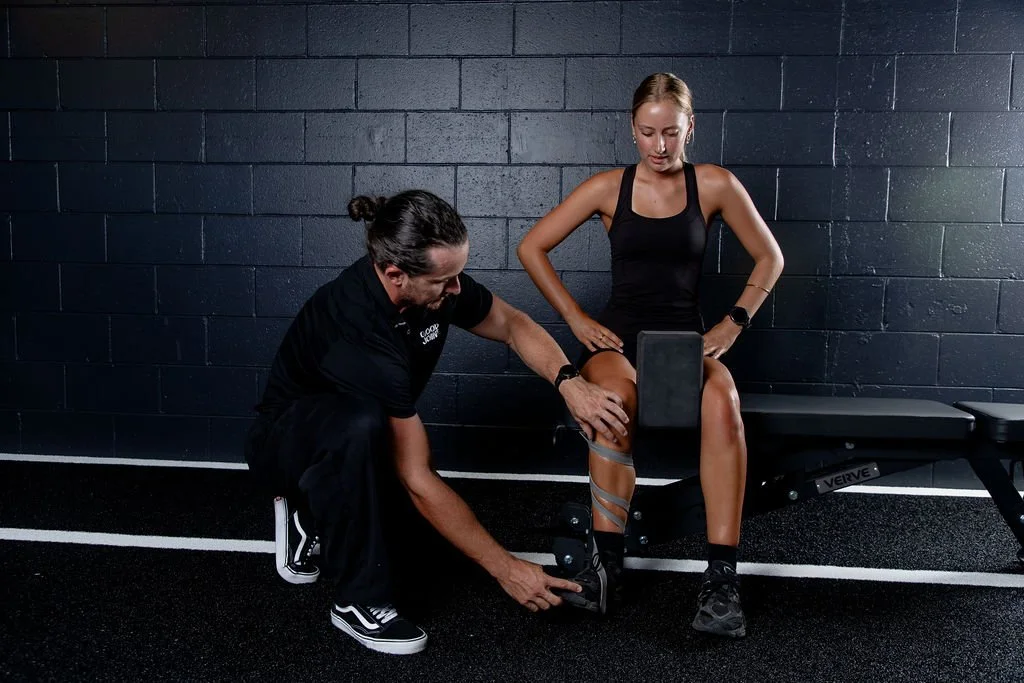
WHAT TO EXPECT DURING YOUR FIRST VISIT
Discussion:
A brief chat about what's brought you in and how it has been impacting your lifestyle.
Physical Assessment:
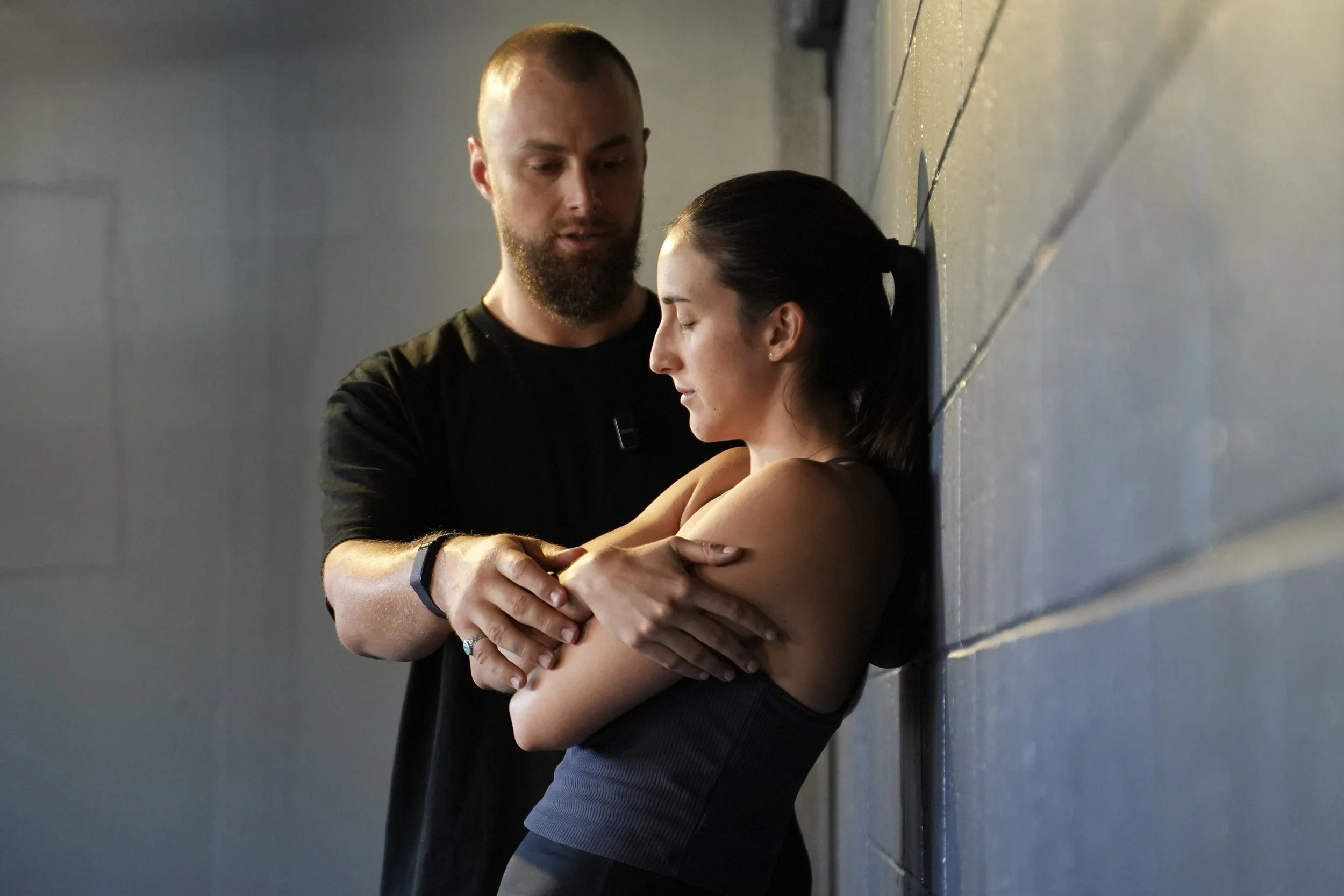
Functional testing to assess and identify underlying factors contributing to your symptoms.
Recovery Plan:
A tailored approach for working on your specific needs, including personalised exercise prescription.
Treatment:
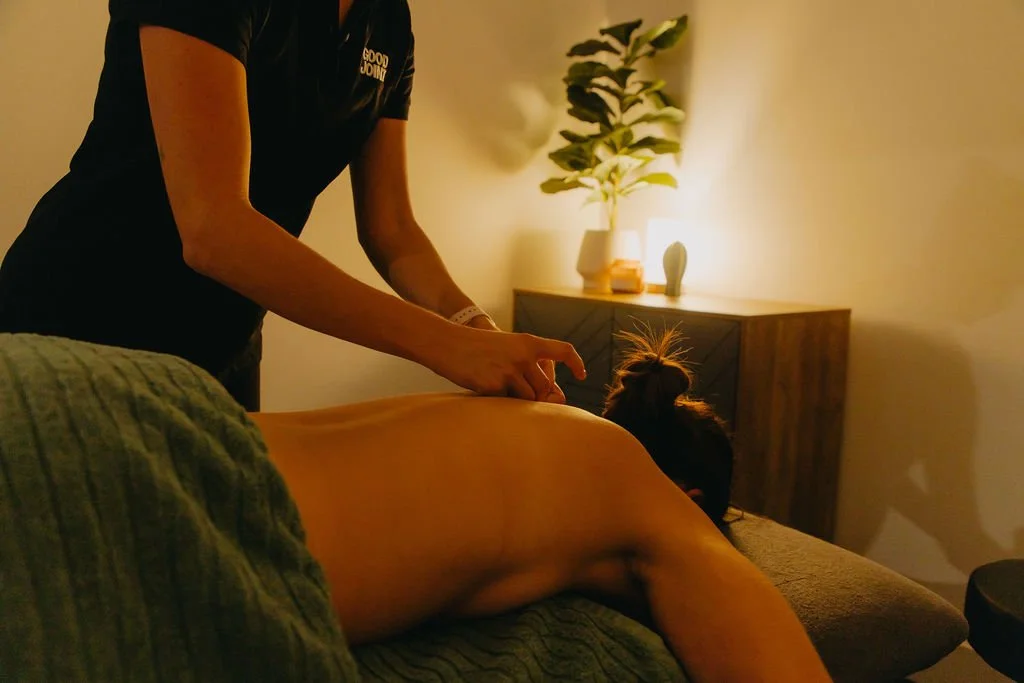
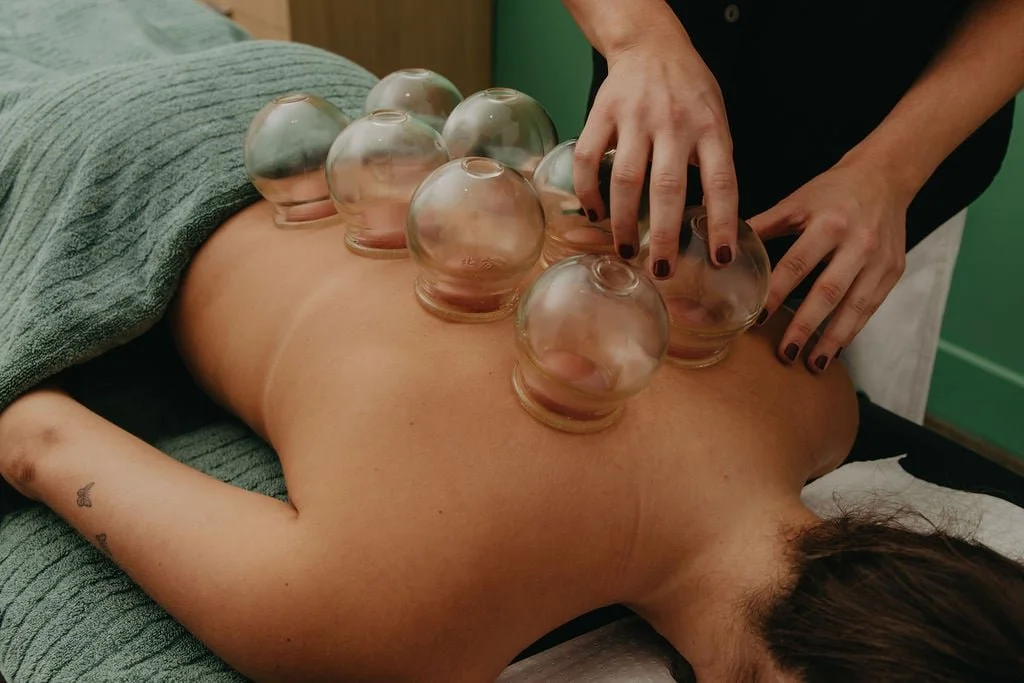
Hands-on treatment including active release, soft tissue work, and dry needling for fast relief.
Common Sports Injuries We Treat
Muscle Strains & Tears
Muscle strains are graded from mild fibre disruption to complete tears and are common across virtually all sports. The hamstring, calf, quadriceps, and adductor muscles are among the most frequently strained in athletic populations. Accurate grading of the strain and a structured rehabilitation program are essential to avoid the high rates of reinjury associated with premature return to sport.
Ligament Sprains & Joint Instability
Ankle sprains, knee ligament injuries, and shoulder dislocations are among the most common acute sports injuries. All involve some degree of ligament damage and, if not properly rehabilitated, frequently lead to chronic instability. Restoring ligament strength, proprioception, and joint mechanics through rehabilitation is essential for reducing reinjury risk and regaining confident, unrestricted movement.
Tendinopathies & Overuse Injuries
Tendinopathies develop when tendons are repeatedly loaded beyond their capacity to adapt. The Achilles, patellar, rotator cuff, and proximal hamstring tendons are all common sites in sporting populations. Progressive tendon loading programs, rather than rest alone, are the evidence-based treatment for tendinopathy and produce significantly better long-term outcomes.
Stress Fractures
Stress fractures occur when repetitive mechanical loading causes microscopic damage in bone that accumulates faster than the bone can repair. Common in running, jumping, and high-impact sports, they are most frequently seen in the tibia, metatarsals, and femur. Management requires a period of load reduction followed by a carefully graded return to impact activity.
Acute Joint Injuries
Acute injuries to the knee, shoulder, ankle, and wrist are common in contact and collision sports. These may involve cartilage damage, bone bruising, or ligament tears that require careful assessment, often with imaging, to determine the appropriate management pathway. Early physiotherapy and rehabilitation provides the best foundation for recovery regardless of whether surgery is required.
Sports injuries that are properly assessed and rehabilitated from the start recover faster, more completely, and with a much lower risk of reinjury than those that are rested and hoped away. Whether you are dealing with something acute or a persistent overuse issue that has not responded to rest, an assessment is the right starting point.
Book Visit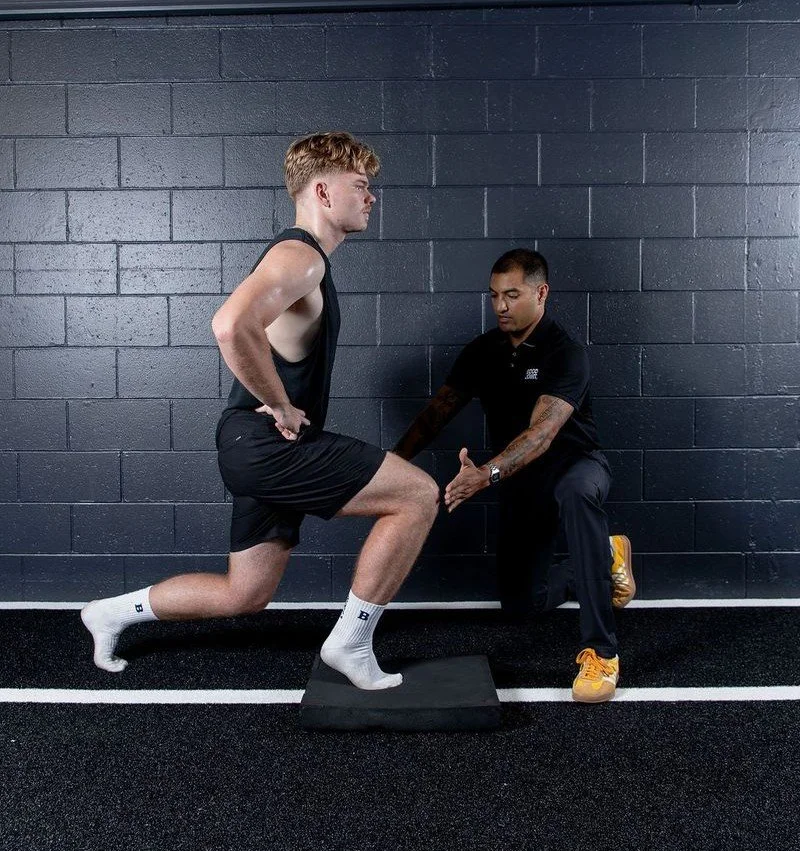
What Good Sports Injury Treatment Looks Like
Effective sports injury management is not just about treating what hurts. It involves understanding the mechanism of injury, the demands of the sport, and the physical deficits that need to be addressed to ensure a complete and durable return to performance.
Sports injuries that are managed well, with accurate diagnosis, targeted treatment, and structured rehabilitation, heal faster, more completely, and with a significantly lower risk of recurrence than those managed with rest alone.
Book NowFrequently Asked Questions About Sports Injury Treatment
Should I rest completely after a sports injury?
Complete rest is rarely the optimal approach for most sports injuries. While protecting the injured tissue from further damage in the early stages is important, controlled movement supports healing, reduces stiffness, and maintains as much strength and fitness as possible during recovery. The key is identifying what movement is safe and beneficial at each stage, which is what a proper assessment provides.
How do I know if I need imaging for my injury?
Not all sports injuries require imaging. A clinical assessment can accurately diagnose many injuries without X-ray or MRI. Imaging is recommended when there is suspicion of a fracture, significant structural damage, or when symptoms are not responding as expected to conservative treatment. Your practitioner will advise whether imaging is appropriate and, if so, what type is most useful for your specific injury.
How long does it take to recover from a sports injury?
Recovery time varies considerably depending on the type and severity of the injury. Minor muscle strains may take one to two weeks. Ligament sprains can take four to twelve weeks. Serious injuries such as ACL tears or stress fractures may require six to twelve months for a complete return to sport. A proper assessment at the start of treatment allows for realistic timeline expectations based on your specific injury.
What is the difference between physiotherapy and chiropractic care for sports injuries?
Physiotherapy provides comprehensive rehabilitation for sports injuries, covering progressive loading, strength restoration, movement retraining, and return-to-sport planning. Chiropractic care is particularly suited to joint-related sports injuries, using assessment and mobilisation or adjustment of the spine and peripheral joints to restore movement and reduce referred pain. Many sports injuries benefit from both approaches at different stages of recovery, which is why having both available at The Good Joint allows for a more complete treatment plan.
Can I continue training with a sports injury?
In many cases, yes, with appropriate modifications. Cross-training that maintains fitness without loading the injured structure is often possible and beneficial during recovery. Your practitioner can advise on what training is safe to continue and what to avoid, and can help you maintain as much of your fitness base as possible while the injury heals.