Headache & Migraine Treatment Gold Coast
Headaches and migraines can make everyday things like concentrating, working, sleeping, and spending time with others feel harder than they should.
Whether your headaches are linked to neck tension, posture, stress, joint stiffness, or muscle tightness, The Good Joint takes a whole-body approach to understand what is driving them and create a plan to help you move and feel better.
Book Now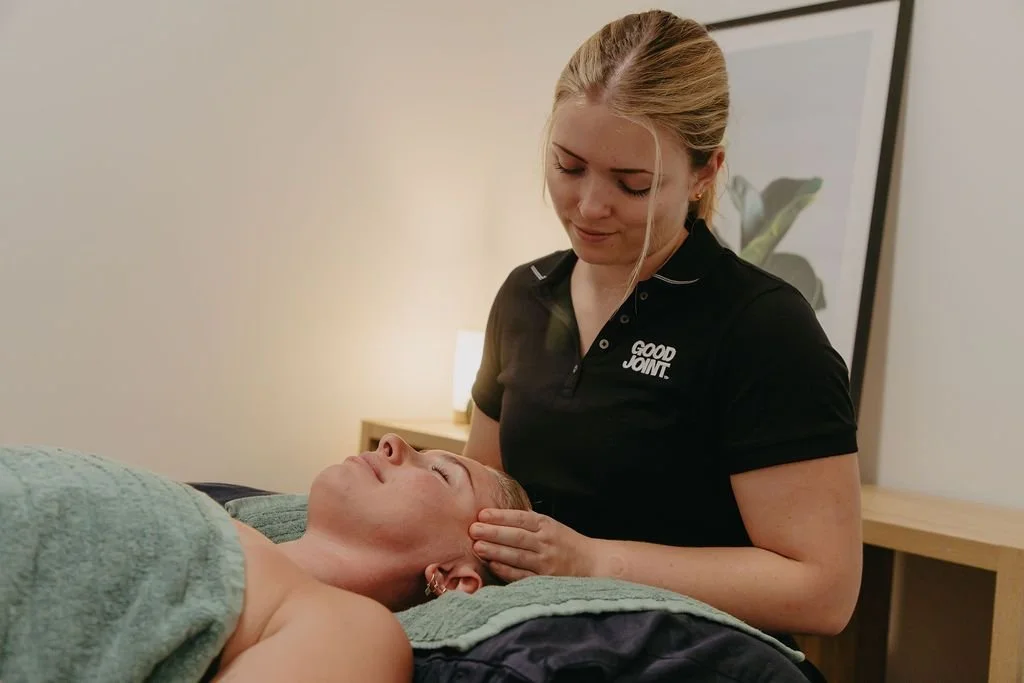
Headaches & Migraines Can Affect More Than Just Your Head
Neck & Joint Stiffness
Stiffness or restriction through the neck and upper joints can contribute to headaches. When these areas are not moving well, they can place ongoing load on the muscles and nerves that refer pain into the head.
Muscle Tension & Posture
Tight muscles through the neck, shoulders, and upper back are a common driver of headaches. Poor posture can increase this tension and make headaches more frequent or harder to shift.
Sensitivity & Referred Pain
Headaches and migraines can cause sensitivity to light, sound, and movement. Pain can also refer into the face, eyes, temples, and jaw, making it difficult to identify the original source without a proper assessment.
At The Good Joint, we assess what may be contributing to your headaches or migraines and build a personalised treatment plan to support better movement, reduce tension, and improve day-to-day comfort.
Book Visit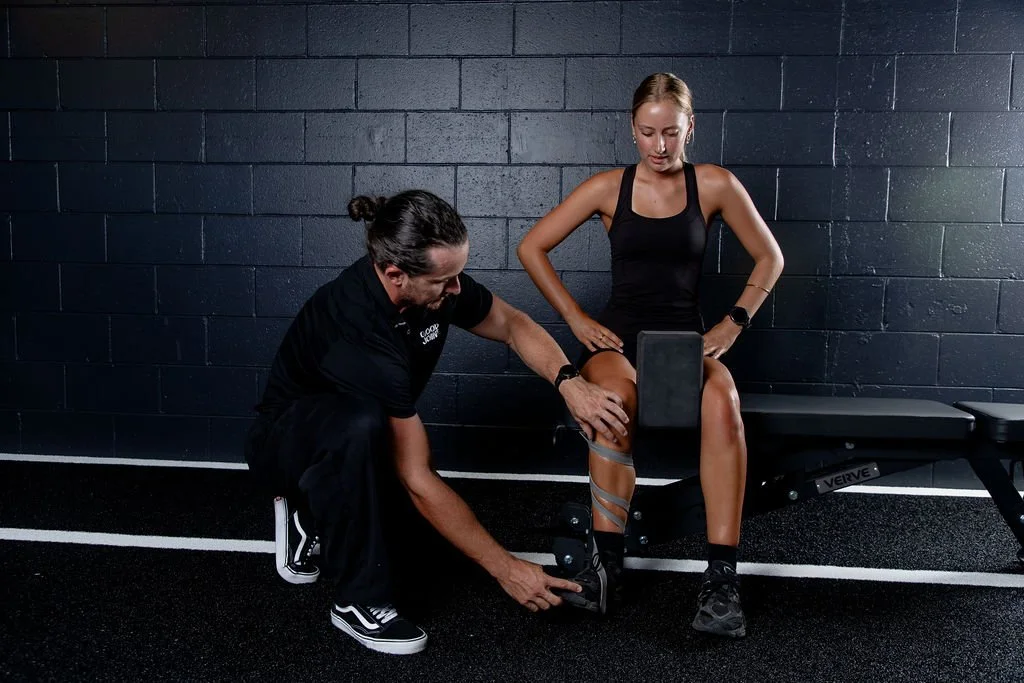
WHAT TO EXPECT DURING YOUR FIRST VISIT
Discussion:
A brief chat about what's brought you in and how it has been impacting your lifestyle.
Physical Assessment:
Functional testing to assess and identify underlying factors contributing to your symptoms.
Recovery Plan:
A tailored approach for working on your specific needs, including personalised exercise prescription.
Treatment:
Hands-on treatment including active release, soft tissue work, and dry needling for fast relief.
What Causes Headaches & Migraines?
Neck Tension & Joint Stiffness
Stiffness or restricted movement through the neck and upper cervical joints can refer pain directly into the head, contributing to cervicogenic headaches and migraines.
Poor Posture
Sustained forward head posture increases load on the neck muscles and joints. Over time, this can become a significant driver of recurring headaches.
Stress & Muscle Tension
Stress often shows up physically as tightness through the neck, shoulders, jaw, and upper back. This tension can trigger or worsen headaches and migraines.
Hormonal Changes
Fluctuations in hormones, particularly around the menstrual cycle, can trigger migraines. This is one of the most common migraine triggers in women.
Lifestyle & Environmental Triggers
Disrupted sleep, dehydration, screen time, bright lights, strong smells, and dietary factors can all contribute to headache and migraine episodes.
If your Migraines or Headaches keep coming back, it may need a full assessment. Jaw pain is rarely caused by one thing alone. It often builds over time from tension, posture, stress, or overload.
Book Visit
Common Headache & Migraine Symptoms
Headaches and migraines can show up in different ways depending on what is driving them. For some people it is a dull ache or pressure. For others it can mean throbbing pain, sensitivity to light, nausea, or difficulty functioning through the day.
Even mild headaches can become exhausting when they keep returning. A proper assessment can help identify whether your neck, posture, muscle tension, or joints are contributing.
Book NowFrequently Asked Questions About Headaches & Migraines
Can physiotherapy help with headaches and migraines?
Yes, physiotherapy may help with headaches and migraines by assessing the neck, upper back, posture, and muscle tension. Treatment can include hands-on therapy, joint mobilisation, exercises, and strategies to address contributing factors.
What is a cervicogenic headache?
A cervicogenic headache is a headache that originates from the neck. It is caused by referred pain from the joints, muscles, or nerves of the upper cervical spine and can feel similar to tension headaches or migraines.
Can neck tension cause headaches?
Yes. The neck and head are closely connected. Stiffness, poor posture, and tight muscles through the neck and upper back can all contribute to headaches or make existing symptoms worse.
What is the difference between a headache and a migraine?
Headaches typically involve pain or pressure in the head without other major symptoms. Migraines are a neurological condition that often includes throbbing pain, nausea, and sensitivity to light or sound. Migraines can also involve an aura before the headache begins.
Can stress make headaches and migraines worse?
Yes. Stress is one of the most common triggers for both headaches and migraines. It can cause muscle tension through the neck, shoulders, and jaw, disrupt sleep, and increase the frequency or intensity of headache episodes.
Do I need to see a doctor or a physiotherapist for headaches?
Both may be helpful depending on the cause. A doctor can assess for underlying medical causes and manage medication. A physiotherapist can assess neck movement, joint stiffness, muscle tension, and posture. In many cases, working with both gives the best result.