Lower Back Pain Treatment Gold Coast
Lower back pain is one of the most common reasons people seek treatment and one of the most frustrating to live with, especially when it keeps coming back despite rest.
Whether your lower back pain is linked to a disc injury, facet joint restriction, muscle strain, sciatica, posture, or the cumulative effect of prolonged sitting, The Good Joint takes a whole-body approach to identify what is driving it and build a plan to help you recover fully and move with confidence again.
Book Now
Lower Back Pain Can Affect More Than Just Your Back
Lumbar Spine, Discs & Joints
The lumbar spine bears the majority of the body's load and is the most common site of spinal pain. Disc bulges, facet joint restriction, and degenerative changes in this region can cause localised pain, stiffness, and referred symptoms that travel into the buttock, hip, and leg. Identifying which structure is involved guides the most effective treatment approach.
Sciatica & Nerve Referral
Lower back problems are the most common cause of sciatica, where irritation or compression of the sciatic nerve sends pain, tingling, or weakness from the lumbar spine through the buttock and down the leg. Nerve symptoms alongside lower back pain are an important finding that influences how treatment is prioritised and paced.
Hips, Core & Movement Patterns
Lower back pain rarely exists in isolation. Weak core muscles, tight hip flexors, reduced glute activation, and poor movement habits all place increased demand on the lumbar spine over time. Addressing these contributing factors alongside the local pain source is essential for preventing the cycle of recurrence that many lower back pain sufferers experience.
At The Good Joint, we assess your lumbar spine, pelvis, hips, and movement patterns together to build a treatment plan that resolves your lower back pain and reduces the risk of it returning.
Book Visit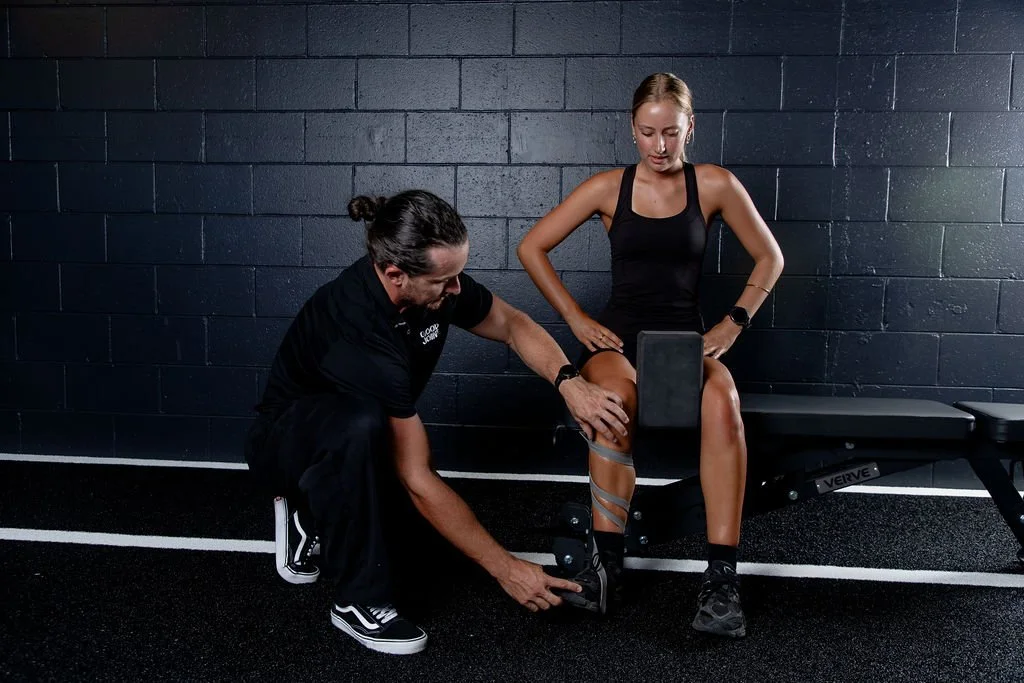
WHAT TO EXPECT DURING YOUR FIRST VISIT
Discussion:
A brief chat about what's brought you in and how it has been impacting your lifestyle.
Physical Assessment:
Functional testing to assess and identify underlying factors contributing to your symptoms.
Recovery Plan:
A tailored approach for working on your specific needs, including personalised exercise prescription.
Treatment:
Hands-on treatment including active release, soft tissue work, and dry needling for fast relief.
What Causes Lower Back Pain?
Disc Bulges & Herniations
Lumbar disc bulges and herniations are among the most common causes of lower back pain and sciatica. When a disc pushes outward and contacts a nearby nerve root, it can cause sharp or burning pain that travels from the lower back into the buttock, thigh, calf, or foot. Many disc injuries improve well with conservative care when managed appropriately.
Facet Joint Restriction & Irritation
The facet joints of the lumbar spine connect adjacent vertebrae and guide movement. When these joints become restricted, inflamed, or irritated through overuse, sudden loading, or degeneration, they cause localised lower back pain and stiffness that is typically worse in the morning and with sustained positions. Chiropractic and osteopathic joint mobilisation and adjustment are particularly effective for this pattern.
Muscle Strain & Ligament Sprain
Sudden lifting, twisting, or awkward movement can strain the muscles or sprain the ligaments of the lower back. The resulting pain and spasm can be significant but typically improves within two to four weeks with appropriate management. Recurring muscle strain is often a sign that an underlying weakness or movement pattern is placing the lower back at repeated risk.
Prolonged Sitting & Postural Load
Hours of sitting compress the lumbar discs, shorten the hip flexors, and reduce the load-bearing capacity of the core and glute muscles. Over time, this creates the conditions for both acute and chronic lower back pain to develop, particularly in people whose work demands long periods in a fixed position.
Sacroiliac Joint Dysfunction
The sacroiliac joints connect the sacrum to the pelvis and are a frequently overlooked source of lower back and buttock pain. SIJ dysfunction can produce pain directly over the joint, referred pain into the hip or thigh, and asymmetrical loading that affects gait and posture. It responds well to targeted joint assessment and hands-on treatment.
Lower back pain that keeps returning after rest is a signal that the underlying cause has not been fully resolved. A proper assessment looks beyond the immediate pain to identify the specific joints, muscles, and movement patterns involved, and builds a plan that supports a complete and lasting recovery.
Book Visit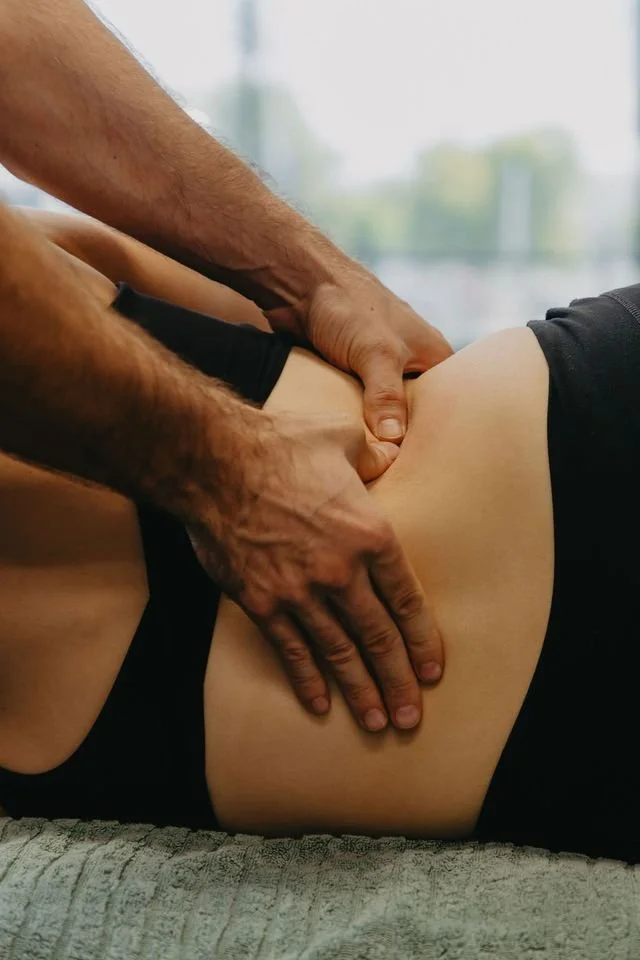
Common Lower Back Pain Symptoms
Lower back pain can present in many different ways. Some people experience a constant dull ache. Others feel a sharp, disabling pain that appears suddenly and limits movement significantly. The pattern, location, and what makes it better or worse all provide important information about the most likely cause.
Lower back pain that keeps returning after each episode of rest is rarely going to resolve on its own. Understanding the specific cause, whether it is a disc, joint, muscle, or movement pattern issue, is the first step to breaking the cycle.
Book NowFrequently Asked Questions About Lower Back Pain
How do I know if my lower back pain is serious?
Most lower back pain is mechanical and not caused by anything serious. However, you should seek prompt medical assessment if your back pain is accompanied by loss of bladder or bowel control, numbness in the groin or inner thigh, significant leg weakness, unexplained weight loss, or pain that is severe, constant, and not affected by position or movement. These symptoms may indicate a more significant neurological or systemic condition.
Should I rest or stay active with lower back pain?
For most lower back pain, staying gently active is better than bed rest. Prolonged rest weakens the supporting muscles and often worsens the recovery timeline. The key is to identify which movements are safe and beneficial for your specific presentation and build activity from there. A practitioner can advise you on what to do and what to avoid based on a proper assessment.
Can lower back pain be cured permanently?
Many people recover fully from lower back pain and remain pain-free long term with the right treatment and an understanding of the factors that contributed to their episode. Others with structural changes like disc degeneration may experience occasional flare-ups but can manage these effectively with the right tools. The goal of treatment is not just to resolve the current pain but to understand the contributing factors well enough to prevent unnecessary recurrence.
How long does lower back pain take to recover?
Acute lower back pain often improves significantly within two to four weeks. Subacute pain, lasting four to twelve weeks, typically responds well to a structured treatment plan. Chronic lower back pain, lasting beyond twelve weeks, takes longer and requires a more comprehensive approach that addresses physical, lifestyle, and sometimes psychological contributing factors. Early treatment consistently leads to faster and more complete recovery.
What is the best treatment for lower back pain?
Chiropractic care focuses on restoring lumbar and sacroiliac joint movement through spinal adjustments and mobilisation, making it particularly effective for facet joint restriction and SIJ dysfunction. Physiotherapy provides comprehensive rehabilitation addressing core stability, hip strength, movement retraining, and progressive loading to build resilience and prevent recurrence. Osteopathy takes a structural whole-body approach, assessing how the pelvis, hips, and thoracic spine are all contributing to the lumbar load, and uses a combination of manipulation, mobilisation, and soft tissue techniques to restore balance. Remedial massage releases the muscle spasm and chronic tension through the lumbar erectors, quadratus lumborum, and gluteal muscles that frequently perpetuate lower back pain well beyond the original injury. At The Good Joint, we have all of these disciplines under one roof so your lower back treatment can draw on whichever combination is most suited to your presentation from the very first appointment.