Glute Pain & Piriformis Syndrome Treatment Gold Coast
Glute pain and piriformis syndrome can make sitting, driving, walking, running, and climbing stairs uncomfortable, and when the sciatic nerve is involved, symptoms can travel all the way down the leg.
Whether your pain is linked to piriformis syndrome, deep gluteal pain, high hamstring tendinopathy, bursitis, or referred symptoms from the lumbar spine or sacroiliac joint, The Good Joint takes a whole-body approach to identify what is driving it and build a plan to get you moving without pain.
Book Now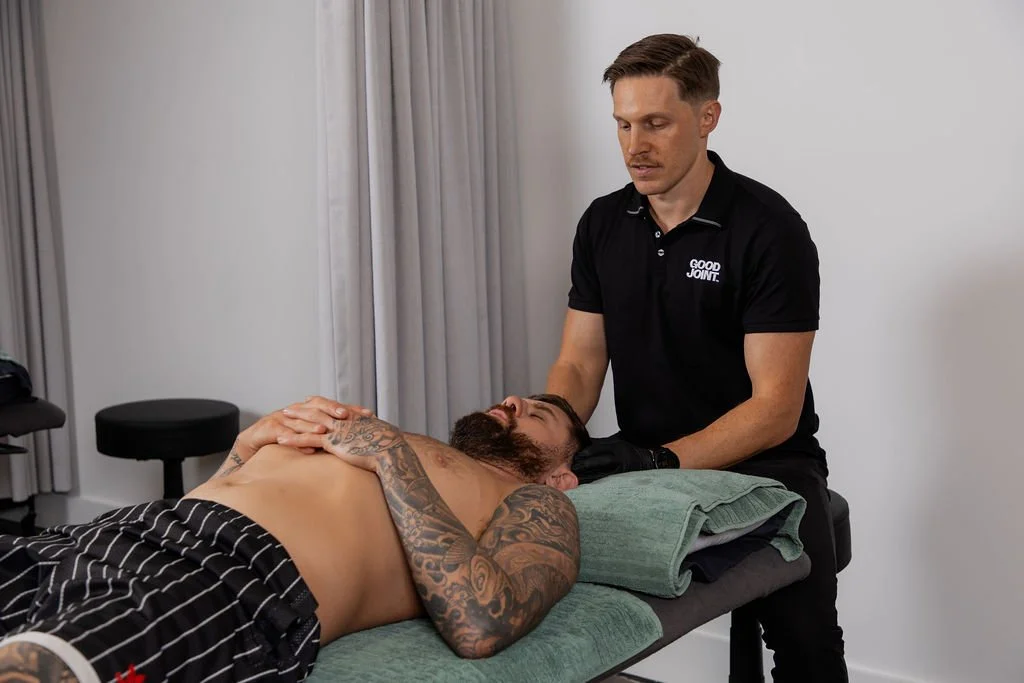
Glute & Piriformis Pain Can Affect More Than Just the Buttock
Piriformis & Deep Gluteal Compression
The piriformis is a deep muscle in the buttock that lies in close proximity to the sciatic nerve. When it becomes tight, overloaded, or inflamed, it can compress or irritate the nerve, producing pain, aching, or tingling in the buttock that may travel down the leg. This pattern is known as piriformis syndrome and is a common but often overlooked cause of sciatic-type symptoms.
High Hamstring & Gluteal Tendons
The hamstring tendons and gluteal tendons attach at or near the sitting bone and greater trochanter respectively. Overuse, prolonged sitting, or sudden loading can irritate these tendons, producing deep buttock pain that is aggravated by sitting on hard surfaces, hill running, or any sustained hip flexion. These tendinopathies require progressive loading rather than rest to recover well.
Lower Back, SIJ & Nerve Referral
Deep buttock and gluteal pain does not always originate in the glutes themselves. Referred pain from the lumbar spine, irritation of the sacroiliac joint, or compression of lumbar nerve roots can all produce symptoms felt directly in the buttock and upper leg. Distinguishing between a local gluteal problem and referred pain is a critical part of accurate assessment.
At The Good Joint, we assess the gluteal muscles, piriformis, sacroiliac joints, lumbar spine, and hip together to identify the true source of your pain and build a treatment plan that addresses all contributing factors.
Book Visit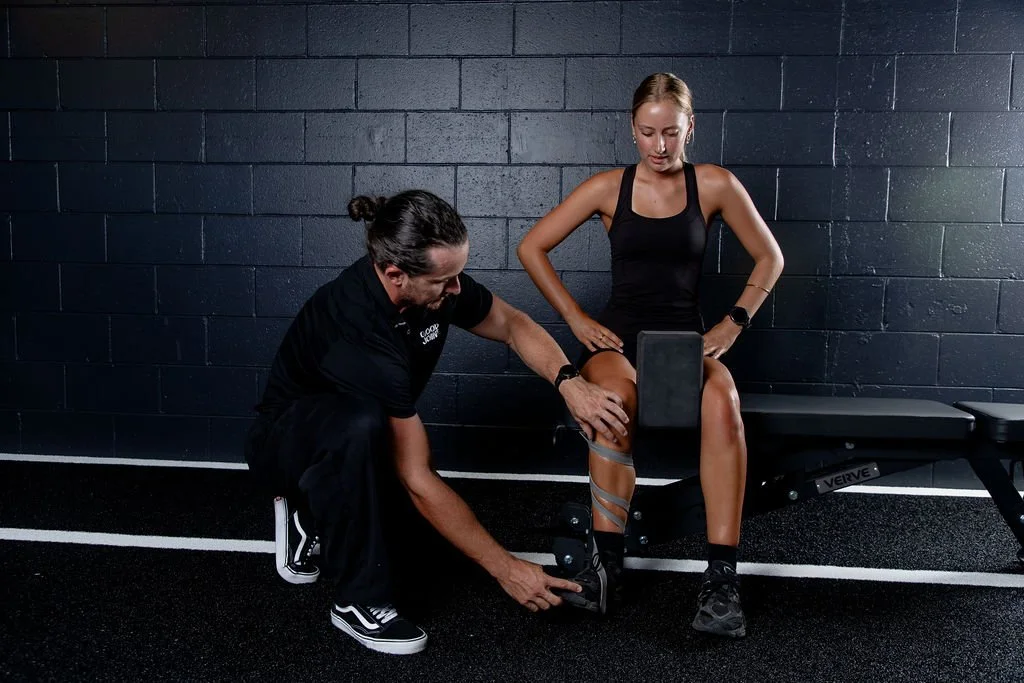
WHAT TO EXPECT DURING YOUR FIRST VISIT
Discussion:
A brief chat about what's brought you in and how it has been impacting your lifestyle.
Physical Assessment:
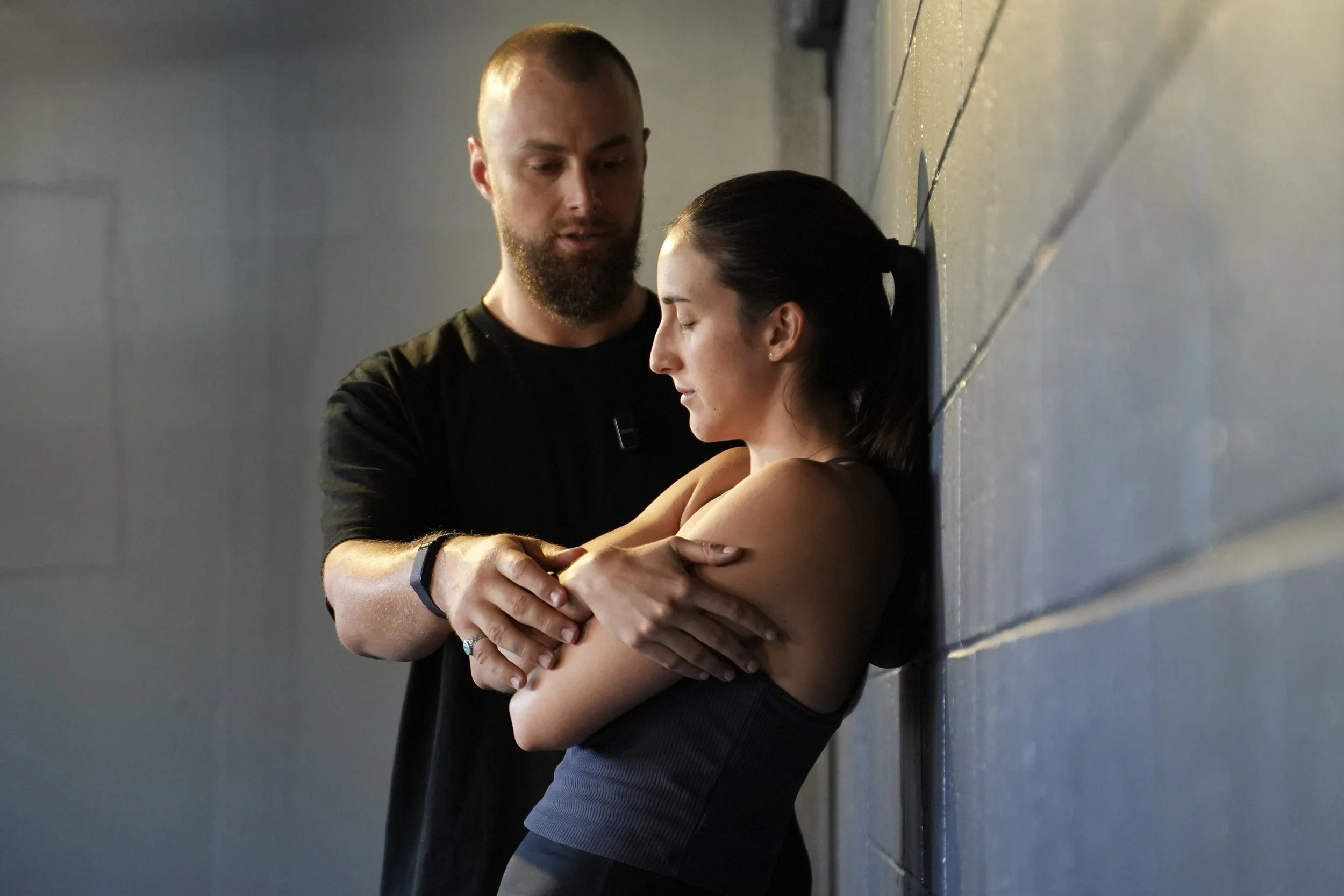
Functional testing to assess and identify underlying factors contributing to your symptoms.
Recovery Plan:
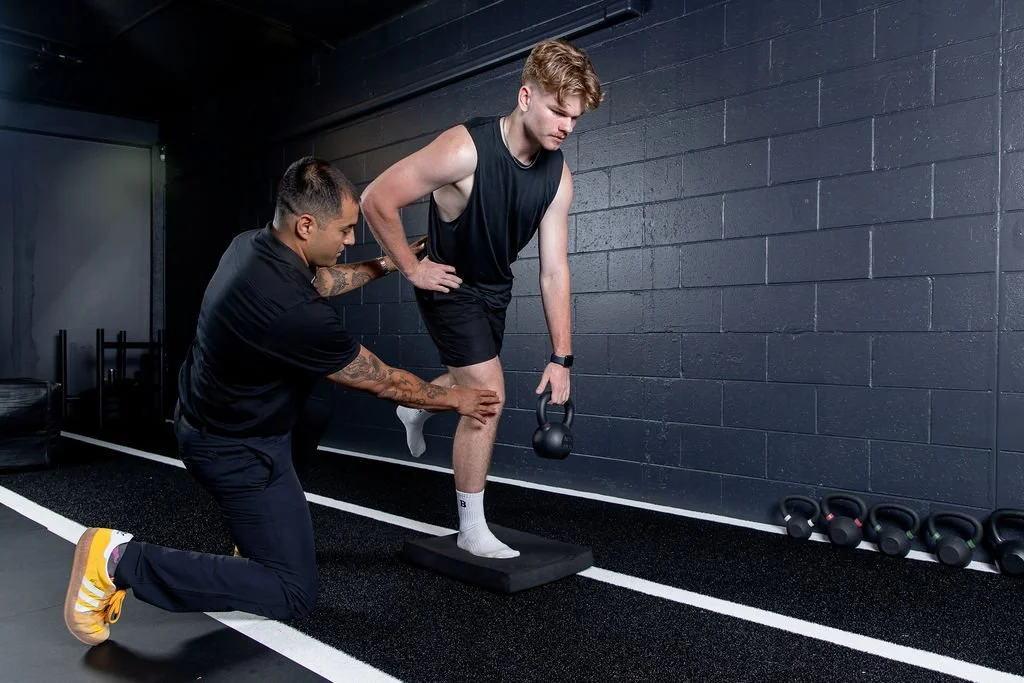
A tailored approach for working on your specific needs, including personalised exercise prescription.
Treatment:
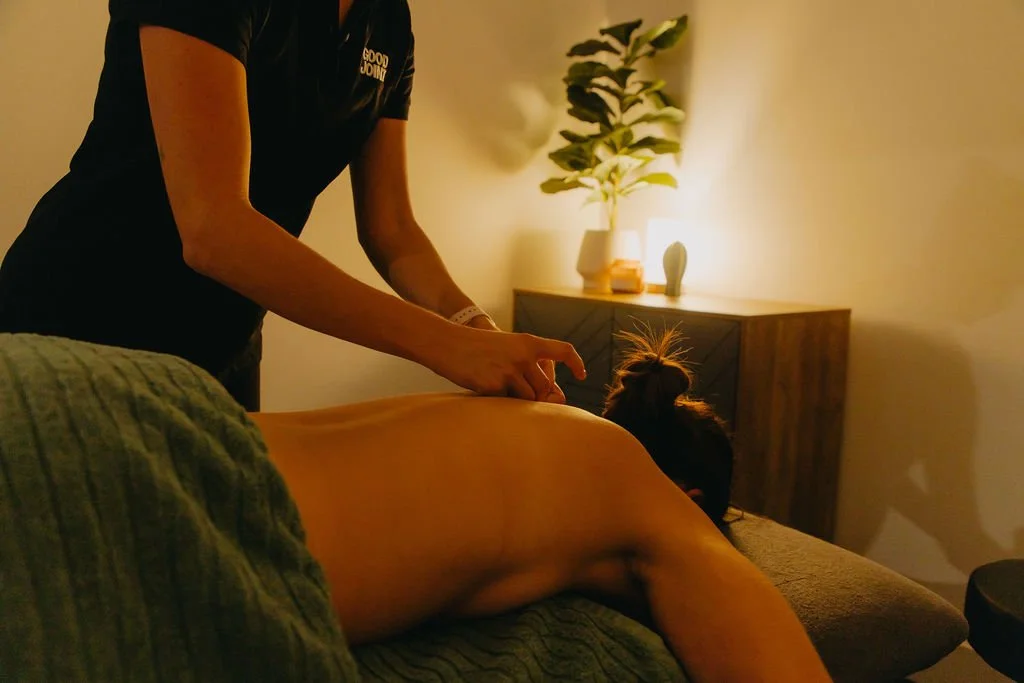
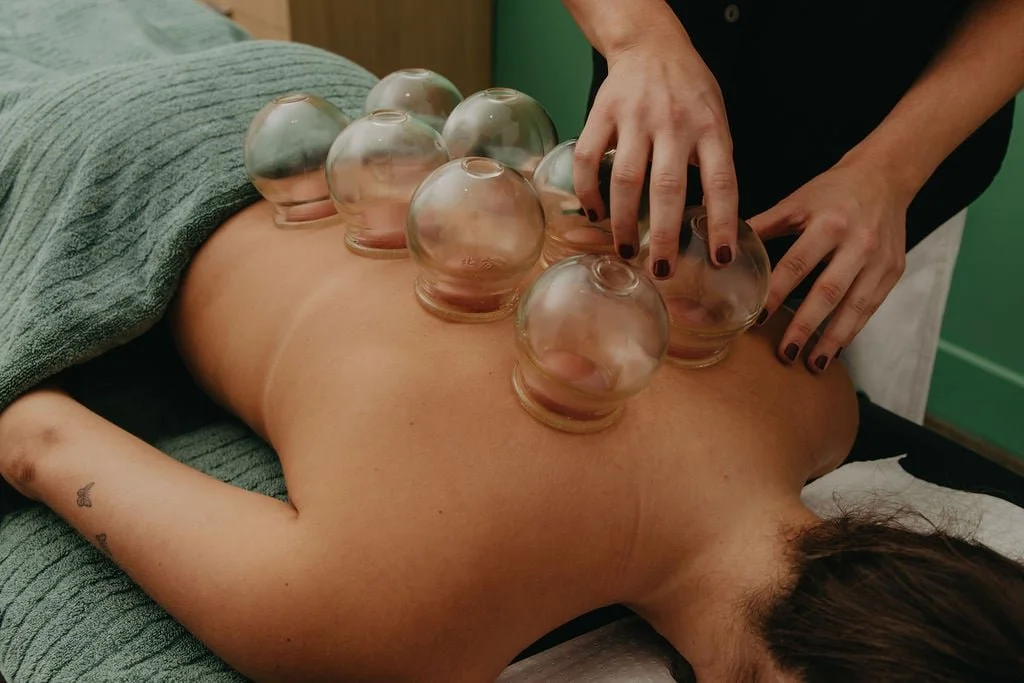
Hands-on treatment including active release, soft tissue work, and dry needling for fast relief.
What Causes Lower Back Pain?
Disc Bulges & Herniations
Lumbar disc bulges and herniations are among the most common causes of lower back pain and sciatica. When a disc pushes outward and contacts a nearby nerve root, it can cause sharp or burning pain that travels from the lower back into the buttock, thigh, calf, or foot. Many disc injuries improve well with conservative care when managed appropriately.
Facet Joint Restriction & Irritation
The facet joints of the lumbar spine connect adjacent vertebrae and guide movement. When these joints become restricted, inflamed, or irritated through overuse, sudden loading, or degeneration, they cause localised lower back pain and stiffness that is typically worse in the morning and with sustained positions. Chiropractic and osteopathic joint mobilisation and adjustment are particularly effective for this pattern.
Muscle Strain & Ligament Sprain
Sudden lifting, twisting, or awkward movement can strain the muscles or sprain the ligaments of the lower back. The resulting pain and spasm can be significant but typically improves within two to four weeks with appropriate management. Recurring muscle strain is often a sign that an underlying weakness or movement pattern is placing the lower back at repeated risk.
Prolonged Sitting & Postural Load
Hours of sitting compress the lumbar discs, shorten the hip flexors, and reduce the load-bearing capacity of the core and glute muscles. Over time, this creates the conditions for both acute and chronic lower back pain to develop, particularly in people whose work demands long periods in a fixed position.
Sacroiliac Joint Dysfunction
The sacroiliac joints connect the sacrum to the pelvis and are a frequently overlooked source of lower back and buttock pain. SIJ dysfunction can produce pain directly over the joint, referred pain into the hip or thigh, and asymmetrical loading that affects gait and posture. It responds well to targeted joint assessment and hands-on treatment.
Glute pain and piriformis syndrome can be difficult to self-manage because the source is not always where it feels. A proper assessment of the deep buttock, hip, sacroiliac joint, and lumbar spine together is the most reliable way to identify what is actually driving your symptoms and build a treatment plan that gets to the root of it.
Book Visit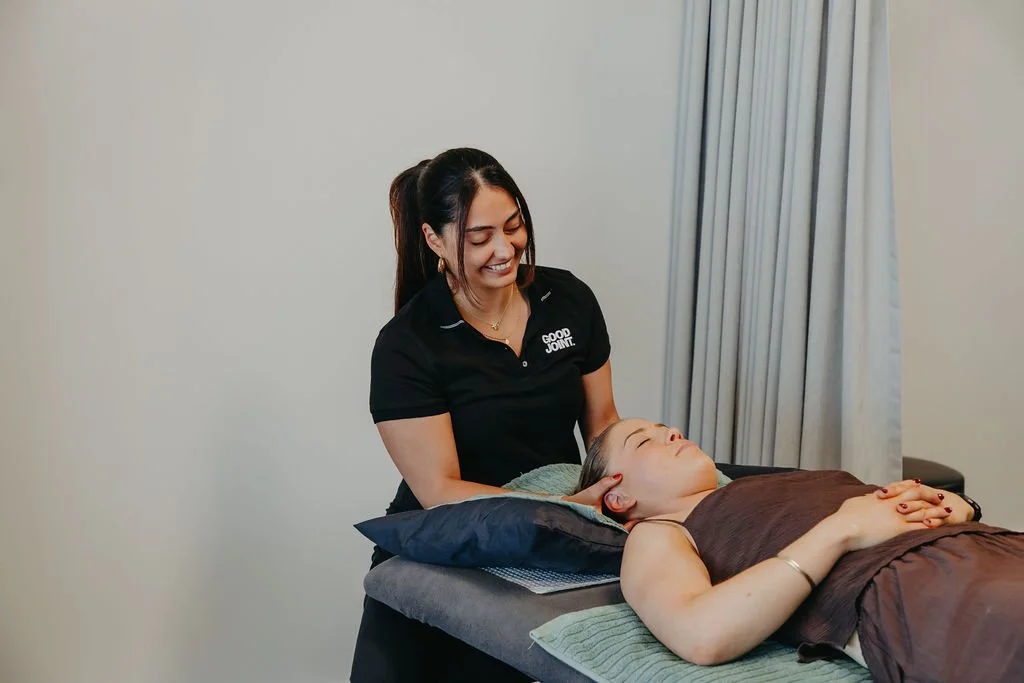
Common Glute Pain & Piriformis Syndrome Symptoms
Glute and piriformis pain can be deceptive. It often feels deep, hard to pinpoint, and may worsen with activities that load the hip or compress the buttock. When the sciatic nerve is involved, symptoms may travel well beyond the buttock into the thigh and lower leg.
Gluteal and piriformis pain that persists beyond a few weeks or is associated with nerve symptoms into the leg is worth having properly assessed. Identifying whether the source is the muscle, tendon, nerve, or spine makes a significant difference to how effectively it can be treated.
Book NowFrequently Asked Questions About Glute Pain & Piriformis Syndrome
How do I know if I have piriformis syndrome or lumbar sciatica?
Both conditions can produce very similar symptoms, including buttock pain and leg symptoms that travel down the back of the thigh. The key distinction is the origin. Lumbar sciatica arises from nerve compression at the spine, often accompanied by lower back pain or symptoms that change with lumbar movements. Piriformis syndrome originates in the deep buttock, tends to be aggravated more by hip rotation and sitting than by spinal movements, and does not always come with lower back pain. A clinical assessment that tests both the spine and the hip region is the most accurate way to distinguish between them.
Can sitting cause piriformis syndrome?
Yes. Prolonged sitting is one of the most common triggers and maintaining factors for piriformis syndrome. It compresses the piriformis and surrounding deep hip rotators, inhibits glute activation, and can directly irritate the sciatic nerve in people whose nerve anatomy places it in close contact with the piriformis muscle. Breaks from sitting, hip mobility work, and gluteal strengthening are all important parts of managing this condition.
What is the difference between glute pain and piriformis syndrome?
Gluteal pain is a broad term covering pain in the buttock region from any structure, including the gluteal muscles, tendons, sacroiliac joint, bursae, or nerve tissue. Piriformis syndrome specifically refers to irritation of the sciatic nerve by the piriformis muscle. In practice, the two often overlap because piriformis tightness frequently develops in people who also have gluteal tendinopathy, SIJ dysfunction, or referred lumbar pain. Assessment is needed to identify which specific structures are involved.
Can glute pain go away on its own?
Mild glute and piriformis pain may settle with rest and activity modification, particularly if it came on from a clear overuse event. However, pain that persists beyond two to three weeks, is associated with nerve symptoms, or keeps returning with activity is unlikely to fully resolve without addressing the underlying strength, mobility, and loading factors. Structured treatment and rehabilitation produces significantly better and more durable outcomes than waiting.
What is the best treatment for glute pain and piriformis syndrome?
Remedial massage is one of the most effective tools for releasing tightness through the piriformis, gluteal muscles, and deep hip rotators, directly reducing compression on the sciatic nerve and restoring blood flow to the affected tissue. Physiotherapy is central to the rehabilitation side, addressing glute strength, hip stability, progressive tendon loading for tendinopathy, and activity modification to manage load during recovery. Chiropractic and osteopathic care are particularly valuable when the lumbar spine or sacroiliac joint are contributing to the buttock pain through referral or altered pelvic mechanics, and both use joint assessment and mobilisation to restore movement through these regions. At The Good Joint, we assess all of these contributing areas together and bring the most relevant disciplines into your treatment plan so that your glute pain is addressed thoroughly and from every relevant angle.