
Arthritis & Joint
Arthritis & Joint Rehabilitation Gold Coast
Arthritis rehabilitation is not about managing decline. It is about building the capacity to do the things that matter to you with less pain and more confidence.
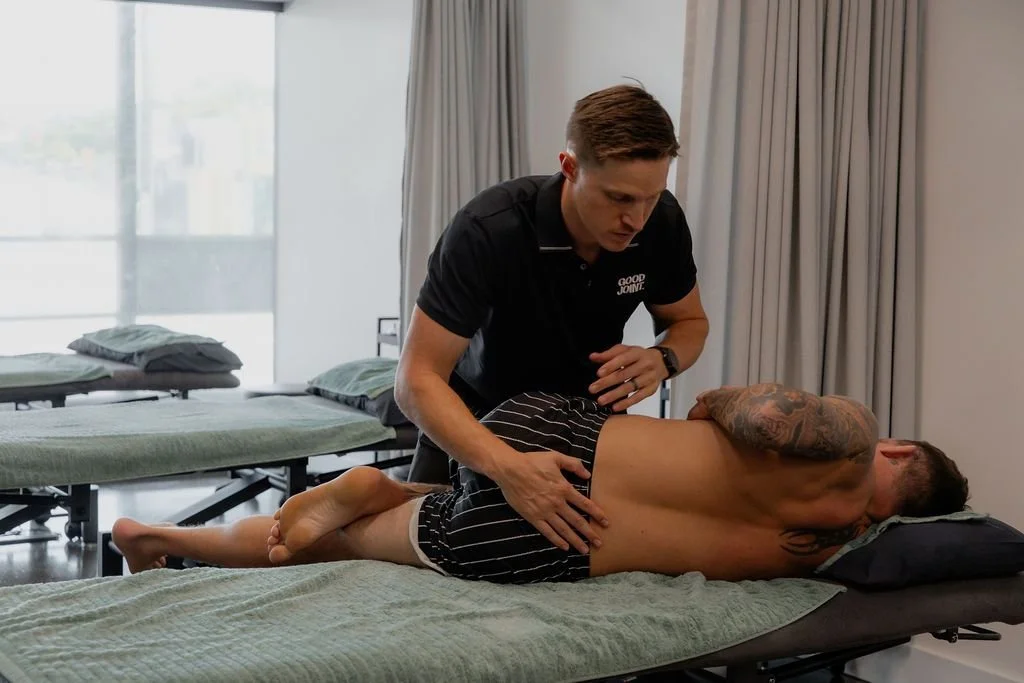
Whether you are preparing for a joint replacement, recovering post-operatively, managing an arthritic joint conservatively for the long term, or working through an inflammatory arthritis flare, our physiotherapists and osteopaths provide targeted rehabilitation that is evidence-based and tailored to where you are in the process.
Seen here by our physiotherapists and our osteopaths.
Mermaid Beach clinic
On-the-spot claiming
Book directly with us
Rated 5.0 from 600+ reviews by Gold Coast locals. Locally owned, community focused and committed to better healthcare.
We accept eligible Medicare care plan referrals from your GP for selected allied health services.
We welcome eligible DVA cardholders, with allied health treatment available with a valid referral.
We provide treatment and rehabilitation for eligible workplace injuries under approved Queensland and NSW workers’ compensation claims.
Where It Shows Up
Rehabilitation Is the Best Long-Term Treatment for Arthritis
Exercise Beats Passive Treatment
Research consistently shows that exercise-based rehabilitation produces greater long-term improvement in pain and function for arthritic joints than passive treatments including massage, ultrasound, and repeated cortisone injection. Targeted progressive exercise improves joint fluid circulation, builds muscular protection around the joint, reduces central pain sensitisation, and in many cases slows the progression of joint changes.
Pre-Surgical Optimisation - Prehabilitation
People who undergo joint replacement surgery with stronger surrounding muscles and better cardiovascular fitness recover faster and achieve better functional outcomes than those who go into surgery deconditioned. A targeted prehabilitation program in the weeks to months before surgery significantly improves post-operative outcomes.
Post-Surgical Rehabilitation
Joint replacement rehabilitation follows a structured progression from early range of motion and weight-bearing through to full functional restoration. Each stage has specific goals and timelines that are guided by the surgical approach and individual progress. A physiotherapy-led rehabilitation program produces better outcomes than self-directed recovery.
Not sure which of those is yours?
Our Approach
Find the cause,
not just the symptom
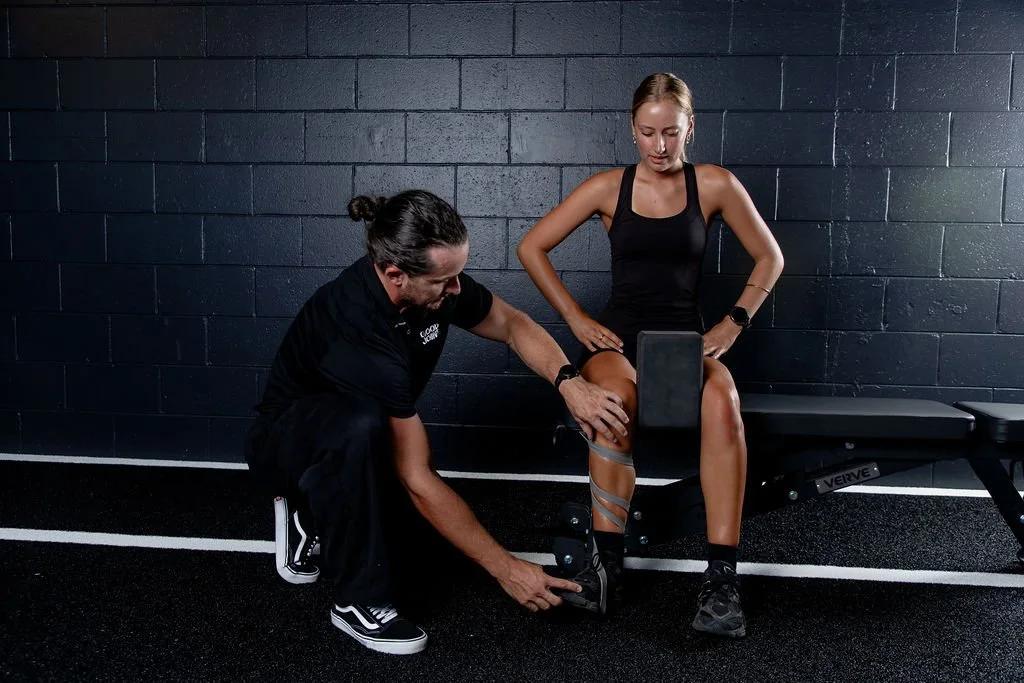
At The Good Joint our physiotherapists and osteopaths provide comprehensive arthritis and joint rehabilitation, from conservative long-term management through to pre- and post-surgical care.
Assess
History, movement and strength
Treat
Hands-on care and exercise
Manage
What to change between visits
One body,
a connected team
Our practitioners work together under one roof, so your plan can draw on more than one discipline when it needs to. Not sure who to book? Ring us and we will point you.
Related conditions we see alongside this: Arthritis and joint pain, Knee pain and Mobility and movement therapy.
Explore all servicesWhat To Look For
Who Benefits From Arthritis Rehabilitation
Arthritis rehabilitation is appropriate at every stage of the condition - from early management through to post-surgical recovery.
Arthritis rehabilitation that is consistent, evidence-based, and matched to the individual's current capacity and goals produces outcomes that passive management simply cannot achieve. Starting earlier and committing to an active approach changes the long-term trajectory.
Why It Happens
Conditions & Stages We Rehabilitate
Knee Replacement Rehabilitation
Total and partial knee replacement rehabilitation progresses from immediate post-operative range and weight-bearing through to full functional restoration over three to six months. Key goals include restoring full knee extension, achieving adequate flexion for functional activities, rebuilding quadriceps strength, and restoring normal gait mechanics. A structured program with clear milestones and consistent progression produces better outcomes than rest-based recovery.
Hip Replacement Rehabilitation
Hip replacement rehabilitation involves early mobilisation, range of motion work within precautionary limits set by the surgical approach, progressive weight-bearing, and strengthening of the gluteal and hip stabilising muscles. Return to full activity is typically achieved at three to six months. Physiotherapy-led rehabilitation significantly reduces post-operative complications and improves long-term functional outcomes.
Shoulder Replacement Rehabilitation
Shoulder replacement rehabilitation requires careful management of movement restrictions in the early post-operative phase to protect the repair, followed by progressive strengthening of the rotator cuff and deltoid. The timeline for functional recovery is typically six to twelve months. Pre-operative physiotherapy to optimise rotator cuff and scapular muscle function before surgery significantly improves post-operative outcomes.
Inflammatory Arthritis Exercise Management
Exercise management in rheumatoid, psoriatic, and other inflammatory arthritides must account for disease activity, joint damage, and the systemic effects of the condition. During flares, gentle range of motion and hydrotherapy are appropriate. During remission, progressive strengthening and aerobic exercise produce meaningful improvements in pain, fatigue, and function. Exercise programming is coordinated with the medical team managing the inflammatory condition.
Read more →Long-Term Arthritic Joint Management
For people managing arthritic joints long-term without imminent surgery, a personalised exercise program that is reviewed and progressed regularly provides the most sustained benefit. Activity pacing strategies, load management advice, and periodic reassessment as the condition evolves maintain function and quality of life over the long term.
Not sure which it is?
It is often two or three of these at once. An assessment sorts out which ones apply to you and what to do about them.
Book an assessment →Arthritis rehabilitation done well produces meaningful improvements in pain, function, and quality of life at every stage. Whether you are managing arthritis conservatively, preparing for surgery, or recovering post-operatively, an evidence-based program makes a significant difference to where you end up.
Had this for more than a couple of weeks?
How soon after joint replacement surgery should I start physiotherapy?
Can exercise prevent the need for joint replacement?
How much exercise is right for arthritic joints?
What is prehabilitation and does it work?
Is hydrotherapy helpful for arthritis?
Is there parking at the clinic?
Know Before You Come
Your first visit, step by step
No referral needed for most appointments, and no guesswork. Here’s what to expect when you visit The Good Joint for the first time. For everything else, see our new patient information.
First, we listen
We start with what brought you in, your health history and what you want to get back to.
Then, we assess
We take the time to understand what’s happening and identify what may be contributing to your concerns.
We make a plan
We explain what we’ve found and build a clear, personalised plan around your needs and goals.
Then, we get to work
Where clinically appropriate, treatment can begin during your first appointment.

Let’s find what is driving it
Book an assessment at The Good Joint in Mermaid Beach.
Rated 5.0 from 600+ Google reviews by Gold Coast locals