Knee Pain Treatment Gold Coast
Knee pain can make walking, running, squatting, climbing stairs, and getting through a normal day feel painful and limiting.
Whether your knee pain is linked to patellofemoral syndrome, a ligament injury, meniscus irritation, IT band tightness, runner's knee, or referred pain from the hip or lower back, The Good Joint takes a whole-body approach to find what is driving it and build a plan to help you recover fully.
Book Now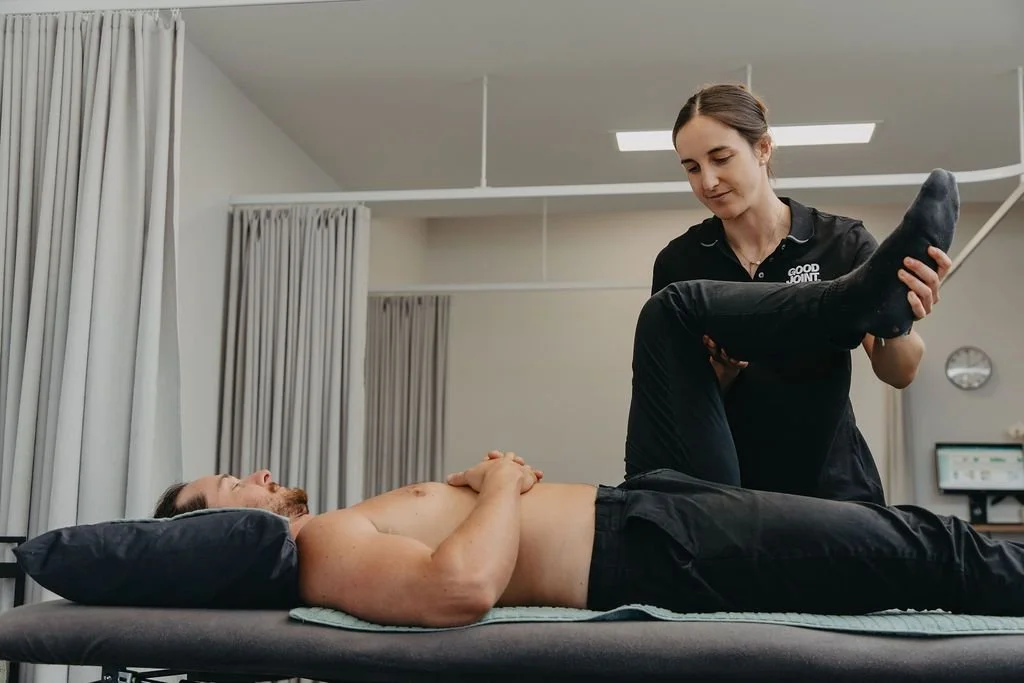
Knee Pain Can Affect More Than Just Your Knee
Joint, Cartilage & Tendons
The knee is a complex hinge joint supported by cartilage, ligaments, and tendons on all sides. Pain can originate from the patellofemoral joint, meniscus, patellar tendon, or joint surfaces, and each of these structures requires a different management approach to recover well.
Hip Strength & Gait Mechanics
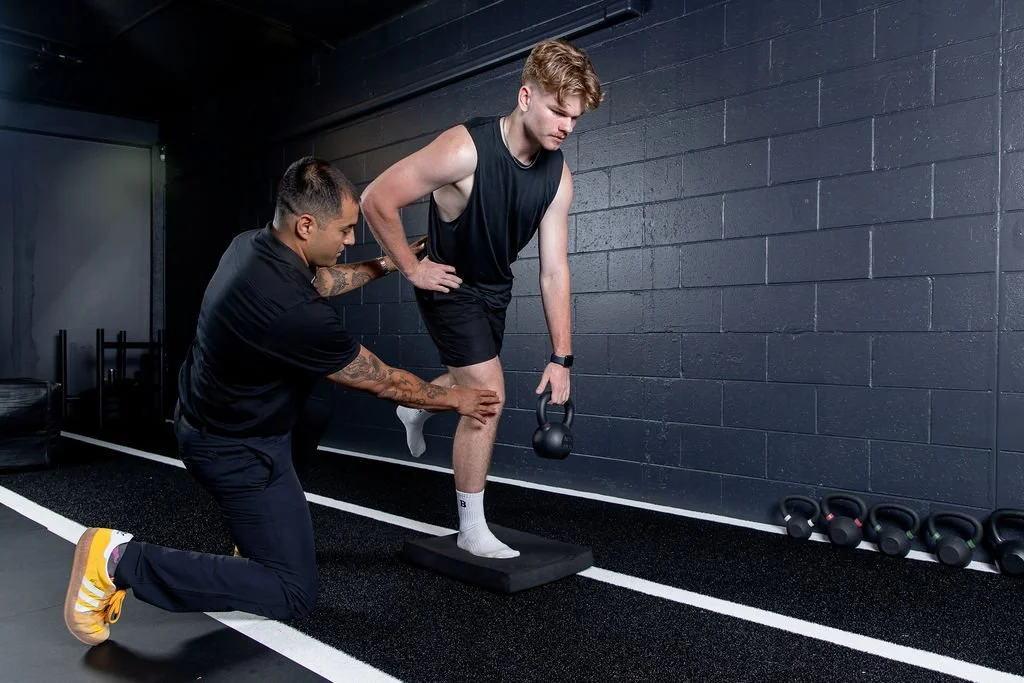
Weakness in the hip and glute muscles is one of the most common contributors to knee pain. When the hip cannot adequately control the leg during movement, the knee takes on excess load. Addressing hip strength and movement patterns is often as important as treating the knee directly.
IT Band, Quads & Muscle Tightness
Tightness through the IT band, quadriceps, hamstrings, and calf muscles can alter how load is distributed through the knee during activity. Releasing these areas through treatment and addressing the movement habits that created the tension is a key part of resolving many common knee pain presentations.
At The Good Joint, we assess the knee alongside the hip, lower back, and lower limb movement to ensure your treatment plan addresses the full picture and supports a lasting recovery.
Book Visit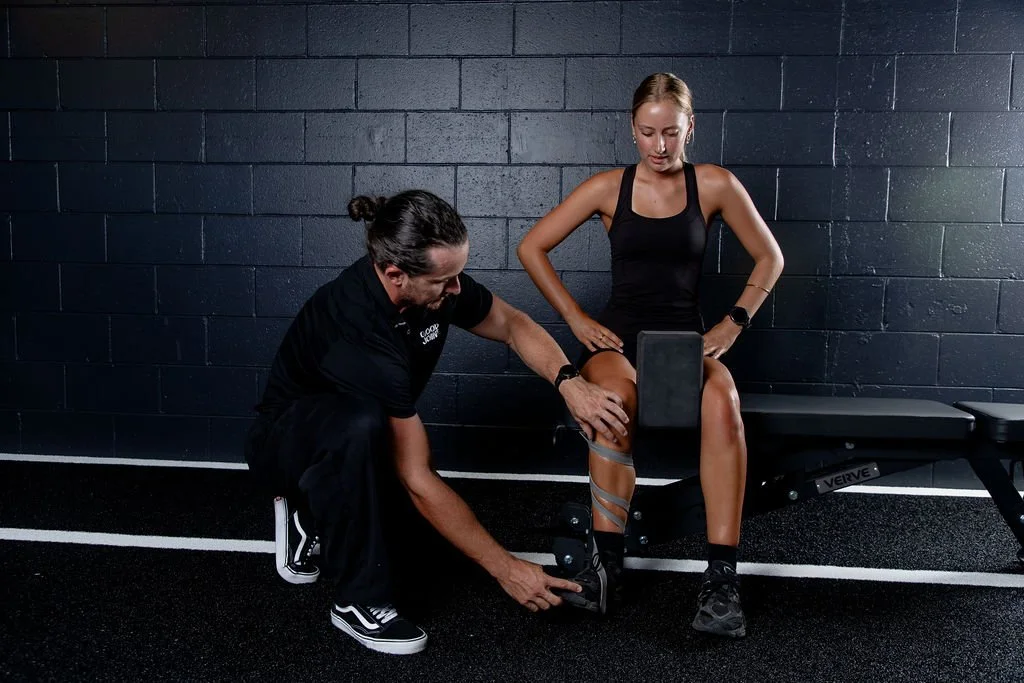
WHAT TO EXPECT DURING YOUR FIRST VISIT
Discussion:
A brief chat about what's brought you in and how it has been impacting your lifestyle.
Physical Assessment:
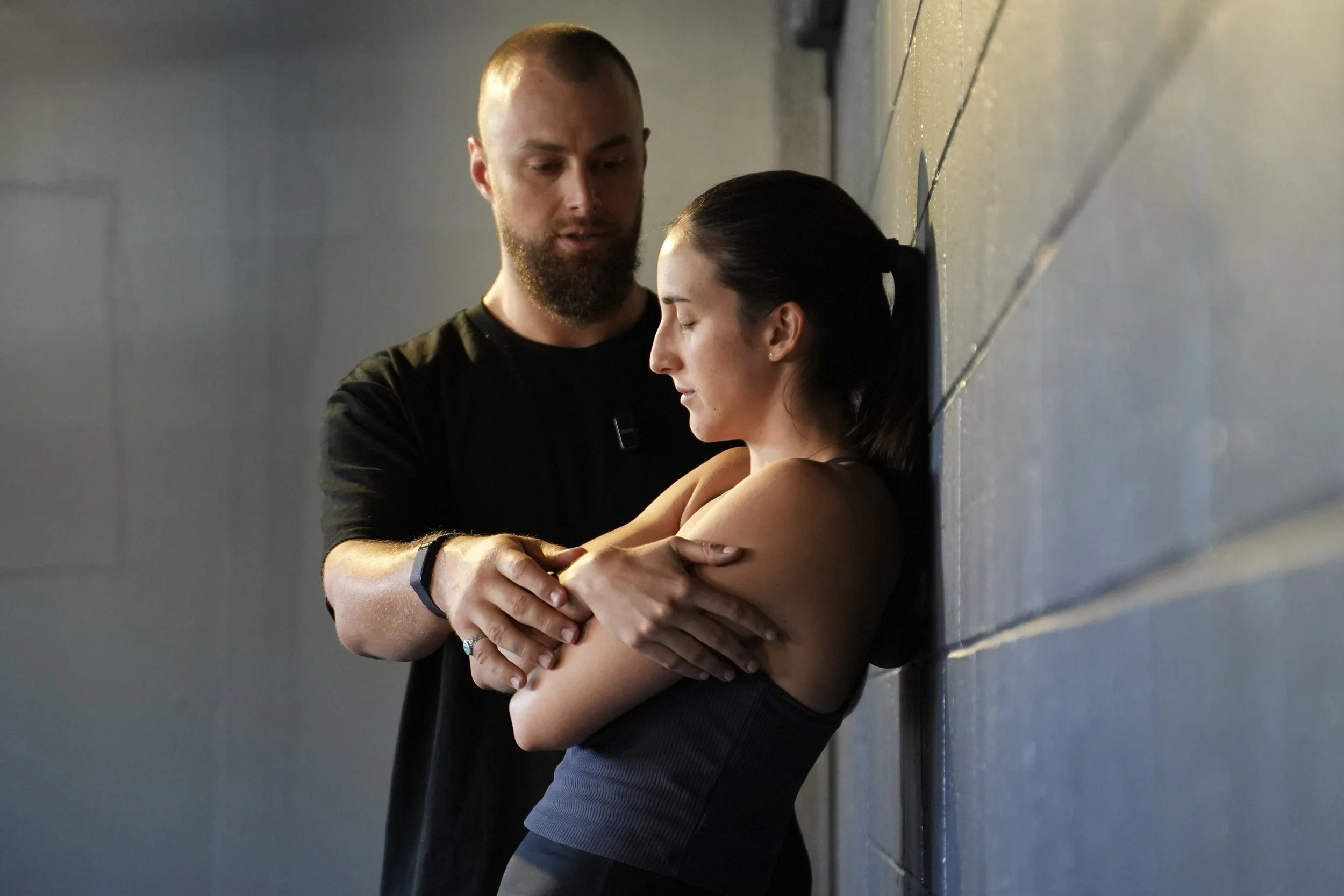
Functional testing to assess and identify underlying factors contributing to your symptoms.
Recovery Plan:
A tailored approach for working on your specific needs, including personalised exercise prescription.
Treatment:
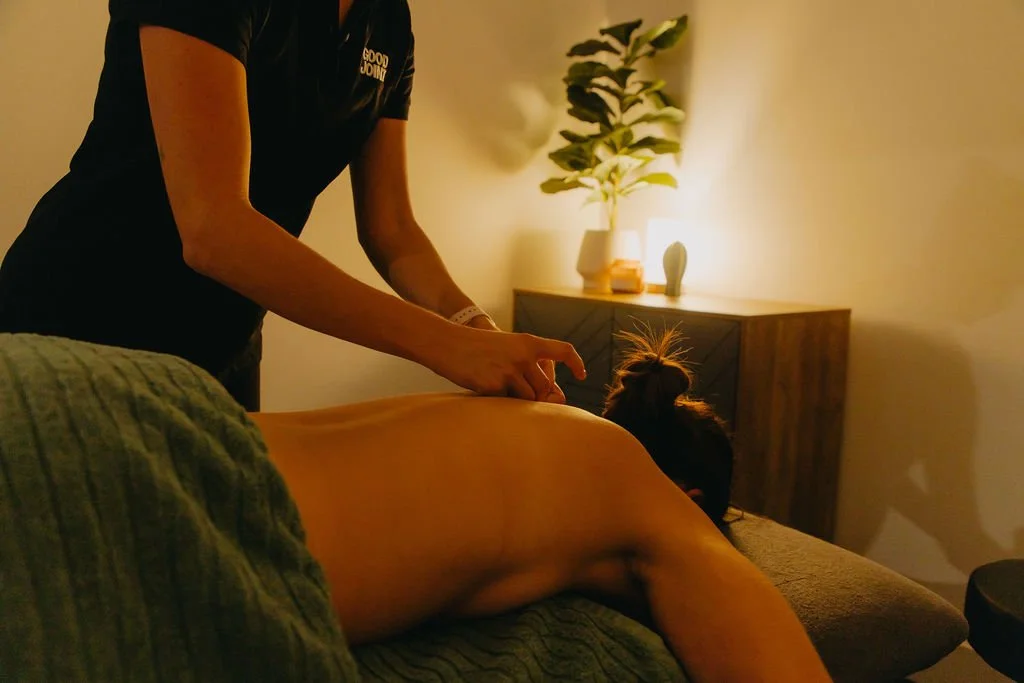
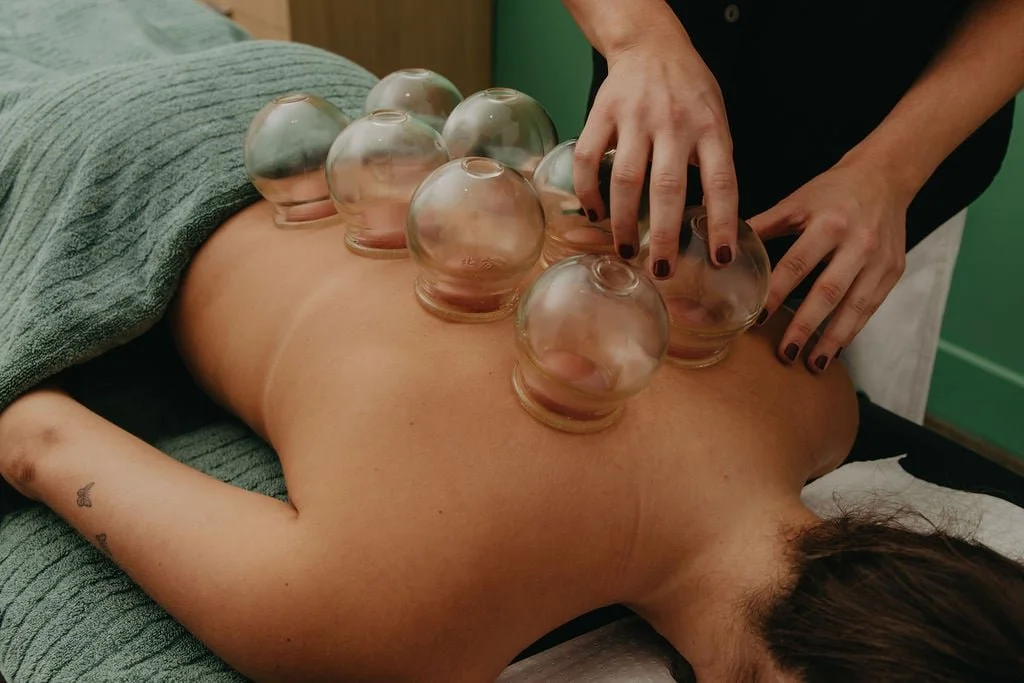
Hands-on treatment including active release, soft tissue work, and dry needling for fast relief.
What Causes Knee Pain?
Patellofemoral Pain Syndrome (Runner's Knee)
Patellofemoral pain syndrome involves irritation of the cartilage behind the kneecap and is one of the most common causes of knee pain in active people. It typically produces a dull ache around or behind the kneecap that worsens with squatting, running, stairs, or prolonged sitting. It is often linked to hip weakness, poor foot mechanics, or training load spikes.
IT Band Syndrome
The iliotibial band is a thick band of connective tissue that runs down the outer thigh to the knee. When it becomes tight or overloaded from running, cycling, or repetitive bending, it can cause sharp pain on the outer side of the knee. IT band syndrome is common in runners and cyclists and responds well to a combination of load management, hip strengthening, and soft tissue treatment.
Meniscus Injuries
The menisci are two C-shaped pieces of cartilage that act as shock absorbers within the knee. Tears can occur from sudden twisting movements in sport or from gradual degeneration over time. Symptoms typically include pain along the joint line, swelling, clicking, and difficulty fully straightening or bending the knee. Many meniscus injuries are managed successfully without surgery through physiotherapy and load modification.
Patellar Tendinopathy (Jumper's Knee)
Patellar tendinopathy involves irritation or degeneration of the patellar tendon, which connects the kneecap to the shin bone. It is common in jumping sports and presents as pain at the base of the kneecap, particularly with loading activities like squatting, jumping, and running. Like all tendinopathies, it responds best to progressive tendon loading rather than complete rest.
Osteoarthritis & Joint Degeneration
Knee osteoarthritis involves wear of the joint cartilage over time, leading to pain, stiffness, swelling, and reduced range of motion. It is more common in older adults but can develop earlier following injury or prolonged joint overload. Conservative treatment through exercise, load management, and hands-on therapy can significantly reduce pain and improve function, often delaying or avoiding the need for surgery.
Knee pain that keeps returning with activity is a sign that something in the way you are loading the knee has not been fully resolved. Whether it is a tendon, joint, or strength issue, a full assessment can identify the cause and set out a clear path to recovery.
Book Visit
Common Knee Pain Symptoms
Knee pain can feel very different depending on the structure involved. Some people experience pain on the front, inside, or outside of the knee. Others notice swelling, clicking, or a sudden sharp pain with specific movements. Where and when it hurts can tell us a lot about what is causing it.
Knee pain that limits activity or keeps recurring is a sign that the underlying cause has not been fully resolved. A proper assessment looks at the knee alongside the hip, lower back, and movement patterns to find the real driver.
Book NowFrequently Asked Questions About Knee Pain
Can I run with knee pain?
It depends on the cause and severity of the pain. Mild knee discomfort that does not worsen during or after a run may be manageable with load modification and the right treatment alongside it. Pain that significantly increases during running, causes you to alter your stride, or lingers well after you stop is a signal to have it assessed before continuing. Running through unmanaged knee pain can accelerate tissue damage and make recovery slower and more difficult.
What is the difference between runner's knee and jumper's knee?
Runner's knee, or patellofemoral pain syndrome, involves irritation of the cartilage behind the kneecap and typically causes a dull ache around or under the kneecap with running, squatting, or stairs. Jumper's knee, or patellar tendinopathy, involves the patellar tendon below the kneecap and produces sharp pain at the base of the patella with loading activities like jumping and squatting. Both are common in active people and have different treatment priorities, which is why an accurate diagnosis matters before beginning rehabilitation.
Is a meniscus tear serious?
Not always. Many meniscus tears, particularly in older adults, are degenerative and can be managed very successfully without surgery through physiotherapy and load management. Traumatic tears in younger, active people may require more careful consideration depending on the type and location of the tear. In either case, a conservative approach is generally trialled first and often produces excellent outcomes.
Can knee osteoarthritis be treated without surgery?
Yes. Exercise and conservative care are among the most evidence-supported treatments for knee osteoarthritis. Strengthening the muscles around the knee, improving joint mobility, managing load, and reducing contributing factors like weight or movement patterns can significantly reduce pain and improve day-to-day function. Surgery is generally considered a later option when conservative management has been fully explored.
What is the best treatment for knee pain?
The best treatment depends on the diagnosis. Physiotherapy is the most commonly recommended approach for knee pain, using targeted rehabilitation to strengthen the knee, hip, and surrounding muscles, retrain movement patterns, and progressively restore full activity. Chiropractic and osteopathic care are particularly useful when the hip, pelvis, or lumbar spine are contributing to altered knee mechanics, and both use joint mobilisation and manipulation to restore movement and reduce referred load through the lower limb. Remedial massage is effective for releasing tight IT band, quadriceps, hamstrings, and calf muscles that are commonly involved in overuse knee presentations. At The Good Joint, we combine these approaches based on what your assessment shows, so treatment is targeted and efficient from day one.