Mid-Back Pain Treatment Gold Coast
Mid-back pain can make sitting at a desk, driving, breathing deeply, and getting through a full day at work feel uncomfortable and draining.
Whether your mid-back pain is linked to thoracic joint restriction, poor posture, muscle tension, rib involvement, or referred pain from the neck or lower back, The Good Joint takes a whole-body approach to find what is driving it and build a plan to help you move and feel better.
Book Now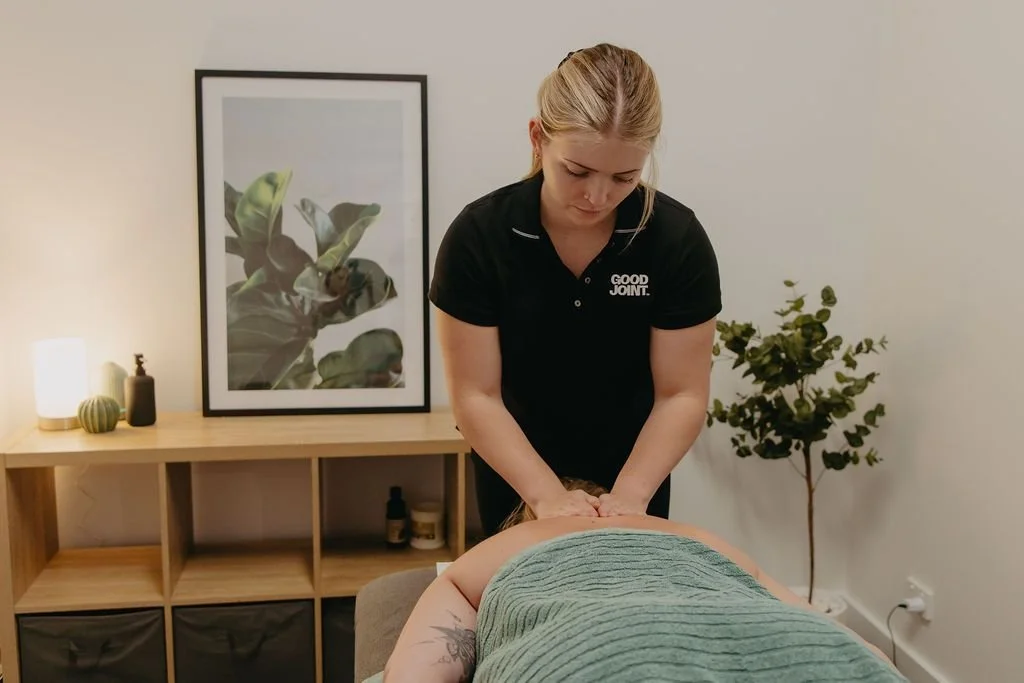
Mid-Back Pain Can Affect More Than Just Your Mid-Back
Thoracic Spine & Joint Restriction
The thoracic spine consists of twelve vertebrae that connect to the rib cage and sit between the neck and lower back. When these joints become restricted or stiff, they can cause localised mid-back pain, reduced rotation, and referred discomfort into the chest, ribs, shoulders, or neck. Restoring thoracic joint mobility is a core part of mid-back pain treatment.
Posture, Desk Work & Muscle Tension
Prolonged sitting, forward head posture, and hours of desk or screen work are among the most common causes of thoracic pain. The mid-back muscles become overloaded and fatigued from holding a position, while the joints lose their normal movement. This pattern is increasingly common and responds well to hands-on treatment combined with postural correction strategies.
Neck, Shoulder & Rib Connections
The thoracic spine is closely connected to the neck above and the lumbar spine below. Restriction in the mid-back frequently contributes to neck stiffness, shoulder impingement, and rib pain. Conversely, problems originating in the neck or lower back can refer pain into the mid-back, making thorough assessment of the whole spine important.
At The Good Joint, we assess the thoracic spine, surrounding joints, and contributing postural factors together to build a treatment plan that targets the real cause of your mid-back pain.
Book Visit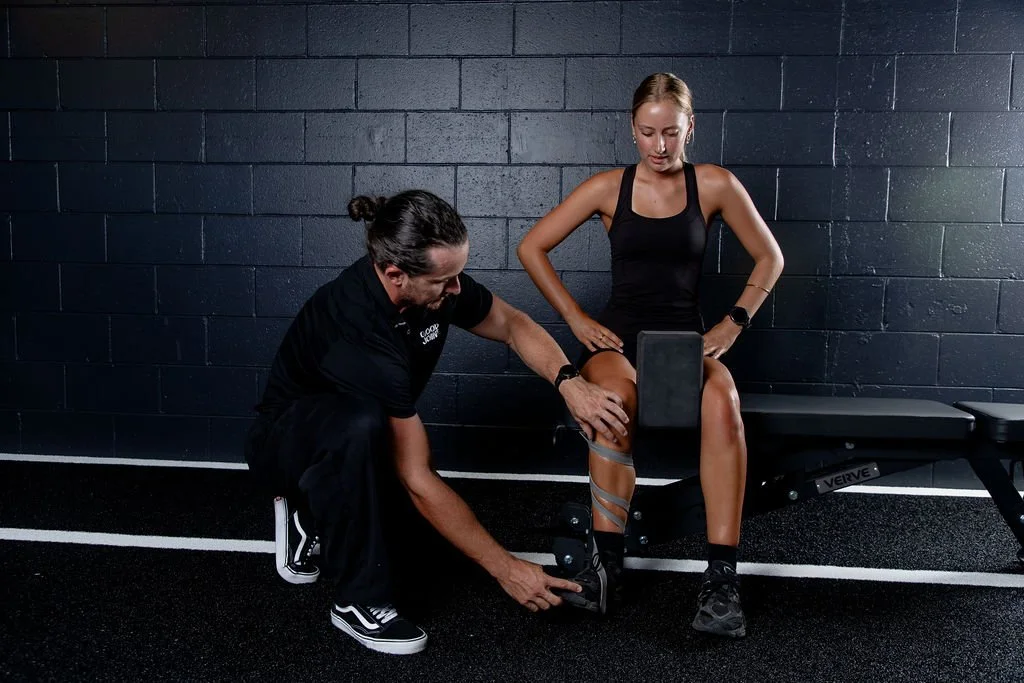
WHAT TO EXPECT DURING YOUR FIRST VISIT
Discussion:
A brief chat about what's brought you in and how it has been impacting your lifestyle.
Physical Assessment:
Functional testing to assess and identify underlying factors contributing to your symptoms.
Recovery Plan:
A tailored approach for working on your specific needs, including personalised exercise prescription.
Treatment:
Hands-on treatment including active release, soft tissue work, and dry needling for fast relief.
What Causes Mid-Back Pain?
Thoracic Joint Restriction & Stiffness
The facet joints of the thoracic spine can become stiff and restricted through prolonged poor posture, lack of movement, or sudden awkward loading. This reduces rotation and extension in the mid-back, causes localised pain, and can refer discomfort into the rib cage, chest wall, or between the shoulder blades.
Poor Posture & Prolonged Sitting
Sustained forward flexion through the thoracic spine from desk work, driving, or device use is one of the most common causes of mid-back pain. Over time, the muscles become fatigued and the joints lose their normal range of motion. Without addressing these postural habits, pain tends to return repeatedly regardless of treatment.
Muscle Tension & Overuse
The rhomboids, middle trapezius, and erector spinae muscles of the mid-back can develop persistent tension from repetitive tasks, poor ergonomics, stress, or sustained awkward positions. This tension creates a cycle of restricted movement and increasing discomfort that often requires hands-on treatment to break.
Rib Joint Irritation
Because each thoracic vertebra connects to a pair of ribs, joint irritation in the mid-back frequently involves the costovertebral joints as well. This can produce a sharp, catching pain with breathing, twisting, or lying in certain positions that may feel more like rib pain than back pain until the thoracic joints are assessed properly.
Referred Pain from the Neck or Lower Back
Restriction or degeneration in the cervical or lumbar spine can refer pain into the thoracic region in ways that closely mimic local mid-back pathology. Treating only the mid-back without assessing the regions above and below can lead to incomplete recovery if the primary driver is coming from elsewhere.
Mid-back pain that stiffens up through the day or makes it hard to sit comfortably for any length of time is telling you the underlying cause has not been addressed. A proper assessment can identify whether the joints, posture, or a connected region are driving your symptoms and map out the most effective path forward.
Book Visit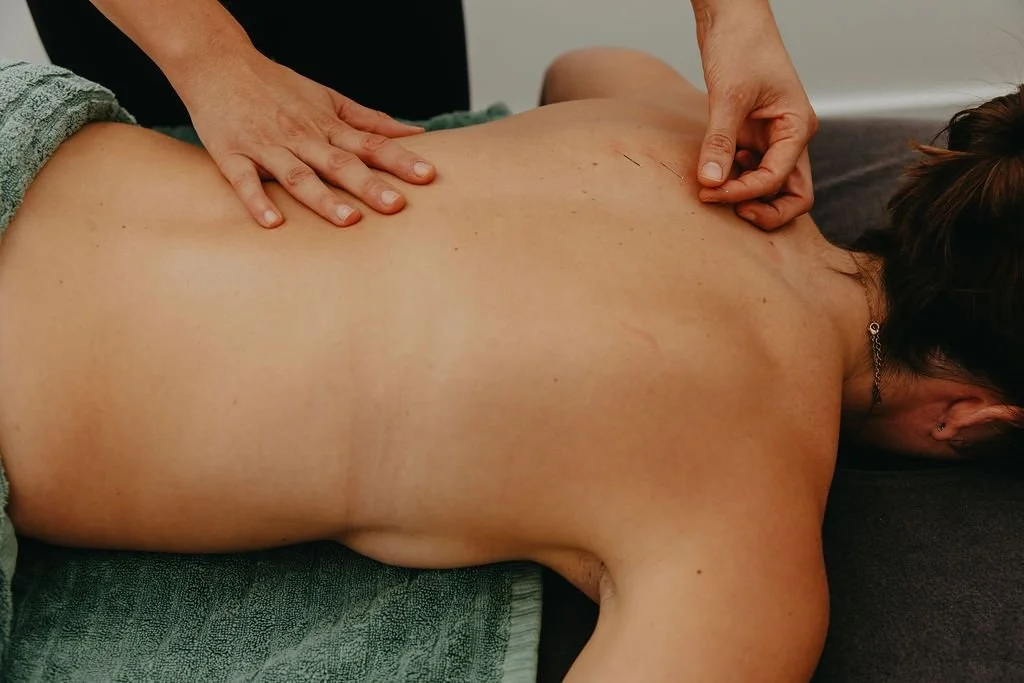
Common Mid-Back Pain Symptoms
Mid-back pain is often described as a deep aching or stiffness between the shoulder blades, though it can also feel sharp with certain movements or produce a referred band of discomfort around the rib cage. The pattern and behaviour of the pain helps identify whether the source is joint, muscle, or referred.
Mid-back pain that keeps returning with prolonged sitting or activity, or is associated with restricted rotation, is rarely a coincidence. A proper assessment can identify whether the joints, muscles, or a connected region are the primary driver.
Book NowFrequently Asked Questions About Mid-Back Pain
Why does my mid-back hurt after sitting at a desk all day?
Sustained forward flexion through the thoracic spine compresses the facet joints and fatigues the surrounding muscles over time. Without regular movement to restore joint lubrication and muscle length, stiffness and pain build up throughout the day. Improving your workstation setup, taking regular movement breaks, and addressing the underlying joint restriction are all important parts of managing desk-related mid-back pain.
Can mid-back pain cause chest pain?
Yes. The thoracic spine connects directly to the rib cage, and restriction or irritation in the mid-back joints can refer pain into the chest wall in a way that may mimic cardiac symptoms. If you experience chest pain it is always important to rule out a cardiac cause first. Once cleared, thoracic joint restriction is a common and very treatable cause of anterior chest discomfort.
Is mid-back pain related to my neck or lower back?
Often, yes. The spine functions as a connected system, and restriction in one region frequently affects the regions above and below it. Cervical stiffness can reduce thoracic rotation, and lumbar tightness can increase load on the mid-back. A whole-spine assessment is important to identify whether mid-back pain is being driven locally or contributed to by the neck or lower back.
How long does mid-back pain take to resolve?
Acute mid-back pain from a specific incident often improves within two to four weeks with appropriate treatment. Chronic mid-back pain from prolonged postural loading tends to take longer and requires consistent effort to modify the contributing habits. Most people see meaningful improvement within four to eight weeks when the underlying cause is properly addressed rather than just managing symptoms.
What is the best treatment for mid-back pain?
Chiropractic care is particularly effective for thoracic joint restriction, using targeted adjustments and mobilisation to restore movement in the mid-back and rib joints. Physiotherapy addresses the postural and muscular factors that maintain mid-back pain, using exercise, movement retraining, and ergonomic advice to create lasting improvement. Osteopathy takes a whole-body structural approach, assessing how the thoracic spine, neck, ribs, and lower back are all contributing and using a blend of joint and soft tissue techniques to restore balance. Remedial massage is highly effective for releasing the deep muscle tension through the rhomboids, trapezius, and thoracic erectors that commonly builds up in people with desk-related mid-back pain. At The Good Joint, we bring all of these disciplines together so your treatment is targeted, efficient, and built to last.