Rib Pain Treatment Gold Coast
Rib pain can make breathing deeply, coughing, rolling over in bed, and reaching overhead feel sharp and uncomfortable.
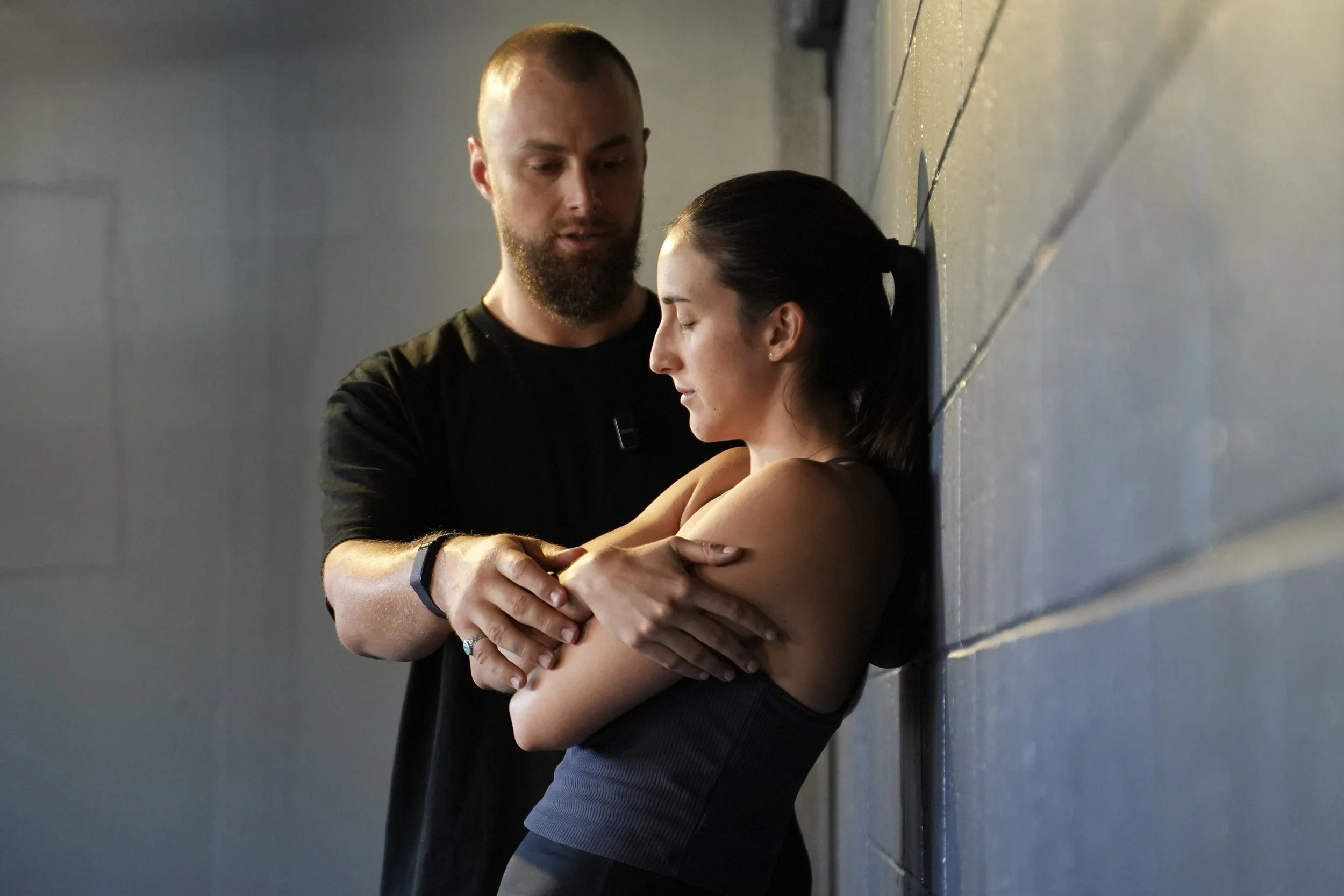
Whether your rib pain is linked to a rib joint restriction, intercostal muscle strain, costochondritis, a sports injury, or referred pain from the thoracic spine, The Good Joint takes a whole-body approach to identify what is driving it and build a plan to help you recover and move freely.
Book Now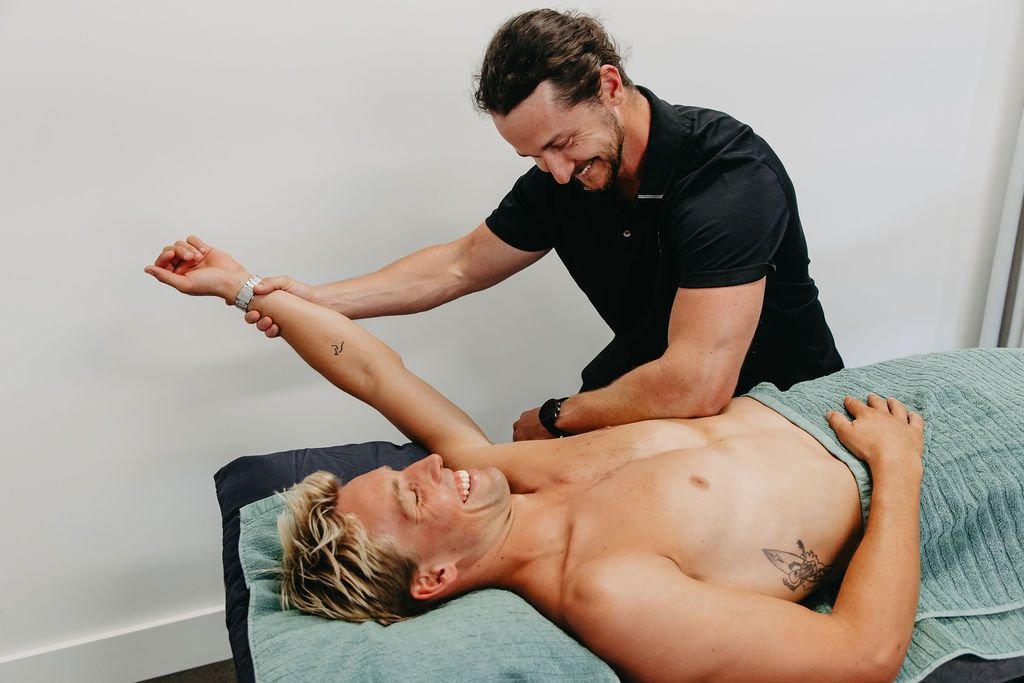
Rib Pain Can Affect More Than Just Your Ribs
Rib Joints & Thoracic Spine
Each rib connects to the thoracic spine at the back and most connect to the sternum at the front. Restriction or irritation at these joints can cause sharp, localised pain that worsens with breathing, twisting, or pressure. This type of rib pain responds well to hands-on treatment targeting the thoracic spine and rib joints directly.
Intercostal Muscle Strain
The intercostal muscles run between each rib and can be strained through sudden twisting, heavy lifting, sport, or forceful coughing. The resulting pain is often sharp with movement or deep breathing and can be mistaken for a more serious condition. A proper assessment helps confirm the source and guide the right management approach.
Referred Pain & Breathing Patterns
Pain in the rib area can be referred from the thoracic spine, diaphragm, or surrounding soft tissue. Altered breathing patterns following injury or prolonged pain can also create secondary tension through the chest and upper back, which may persist even after the original injury has healed.
At The Good Joint, we assess the rib joints, thoracic spine, and surrounding muscles to identify the source of your rib pain and build a treatment plan that restores comfortable movement and breathing.
Book Visit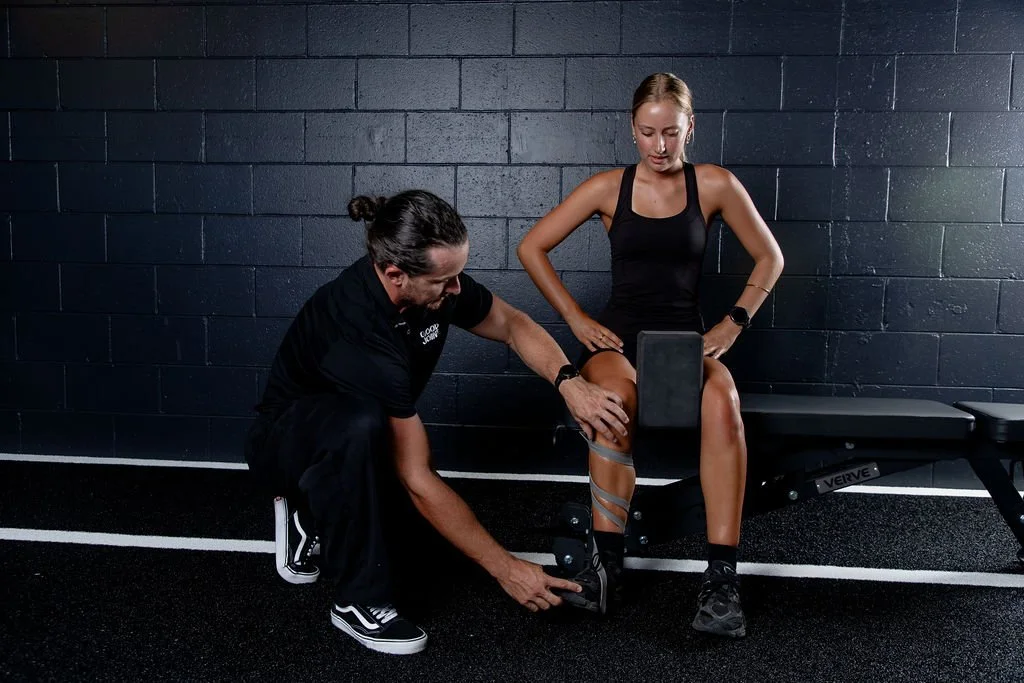
WHAT TO EXPECT DURING YOUR FIRST VISIT
Discussion:
A brief chat about what's brought you in and how it has been impacting your lifestyle.
Physical Assessment:
Functional testing to assess and identify underlying factors contributing to your symptoms.
Recovery Plan:
A tailored approach for working on your specific needs, including personalised exercise prescription.
Treatment:
Hands-on treatment including active release, soft tissue work, and dry needling for fast relief.
What Causes Rib Pain?
Rib Joint Restriction (Costovertebral)
Each rib articulates with the thoracic spine at small joints called costovertebral joints. These joints can become restricted or inflamed through poor posture, sudden movement, or repetitive loading. When restricted, they can produce sharp, localised pain that worsens with breathing, twisting, or lying on the affected side.
Costochondritis
Costochondritis involves inflammation of the cartilage that connects the ribs to the sternum. It causes chest and anterior rib pain that can be reproduced by pressing on the affected area and may worsen with deep breathing or movement. It is often mistaken for cardiac pain and requires assessment to confirm the musculoskeletal origin.
Intercostal Muscle Strain
Intercostal strains occur when the muscles between the ribs are overstretched or torn, typically from forceful twisting, lifting, a direct blow, or severe coughing. The pain is sharp, localised between the ribs, and worsens significantly with deep breathing, coughing, and rotation.
Thoracic Spine Referral
Restriction or irritation in the thoracic spine frequently refers pain around the rib cage in a band-like pattern. This can closely mimic a local rib injury but requires treatment of the thoracic joints rather than the rib itself. A thorough assessment of the spine is always part of evaluating rib pain.
Sports Injury & Direct Trauma
A direct blow to the rib cage from a fall, tackle, or impact can bruise or fracture ribs. Fractures typically cause severe pain with breathing and require imaging to confirm. Bruising and soft tissue injury around the ribs, while painful, can often be managed conservatively with rest, activity modification, and gradual return to movement.
Rib pain that sharpens with every breath or limits your ability to move freely is something that benefits from a proper assessment. Whether the source is the rib joint, the thoracic spine, or the surrounding muscle, identifying it early makes a significant difference to how quickly and completely you recover.
Book Visit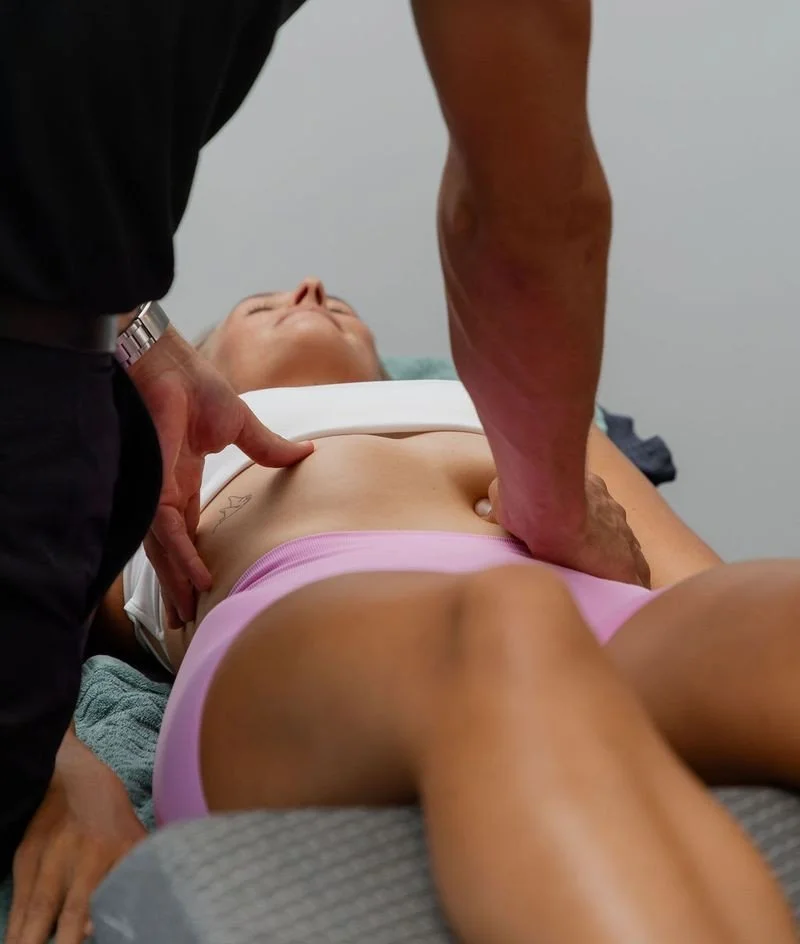
Common Rib Pain Symptoms
Rib pain is often sharp and very specific to movement or breathing, which makes it easy to distinguish from generalised back or chest pain. The exact location and what aggravates it provides important clues about whether the source is the rib joint, the cartilage, the surrounding muscles, or a referred pattern from the spine.
Rib pain that interferes with breathing, sleep, or daily movement should always be properly assessed, particularly if it came on suddenly after a trauma or is associated with chest tightness or shortness of breath.
Book NowFrequently Asked Questions About Rib Pain
How do I know if my rib is bruised or fractured?
A bruised rib and a fractured rib can feel very similar. Both cause sharp pain with breathing, pressing on the area, and movement. An X-ray is the standard way to confirm a fracture, though some stress fractures may require a CT scan or bone scan to detect. If your rib pain came on after a significant impact and breathing is severely painful, imaging is recommended to rule out a fracture before treatment begins.
Can a chiropractor help with rib pain?
Yes. Chiropractic care can be very effective for rib pain caused by costovertebral joint restriction. A chiropractor will assess the thoracic spine and rib joints, identify where movement is restricted, and use targeted adjustments and mobilisation to restore normal joint function and reduce pain. This is often one of the fastest ways to resolve rib pain that is driven by joint restriction rather than muscle or cartilage injury.
Can rib pain come from the spine?
Yes. The thoracic spine and rib joints are closely connected, and restriction or irritation in the thoracic vertebrae frequently refers pain around the rib cage in a band or wrapping pattern. In many cases, treating the thoracic spine resolves what appeared to be a rib problem. This is why a full spinal assessment is an important part of any rib pain evaluation.
How long does rib pain take to heal?
Intercostal muscle strains typically improve within two to four weeks with appropriate management. Costochondritis can take longer, sometimes several months, particularly if the aggravating factors are not identified and modified. Rib fractures generally take six to eight weeks for the bone to heal, though pain with movement can persist longer. Joint restriction often improves quickly once it is properly treated.
What is the best treatment for rib pain?
Treatment depends on the cause. Chiropractic care and osteopathy are both well suited to restoring movement in the costovertebral joints and thoracic spine, which is the most common driver of rib pain seen in clinical practice. Physiotherapy addresses breathing patterns, intercostal muscle rehabilitation, and movement retraining to support full recovery. Remedial massage can release tightness through the intercostal muscles, surrounding soft tissue, and upper back, which often contributes to the maintenance of rib pain after the primary injury has settled. At The Good Joint, we assess the full picture and apply the most appropriate combination of these disciplines to get you breathing and moving comfortably again.