Back Pain Treatment Gold Coast
Back pain can make sitting, standing, sleeping, exercising, and getting through a normal day feel like a constant battle.
Whether your back pain is linked to a disc injury, muscle strain, joint restriction, sciatica, postural load, or stress, The Good Joint takes a whole-body approach to understand what is driving it and build a plan to help you move and feel better.
Book Now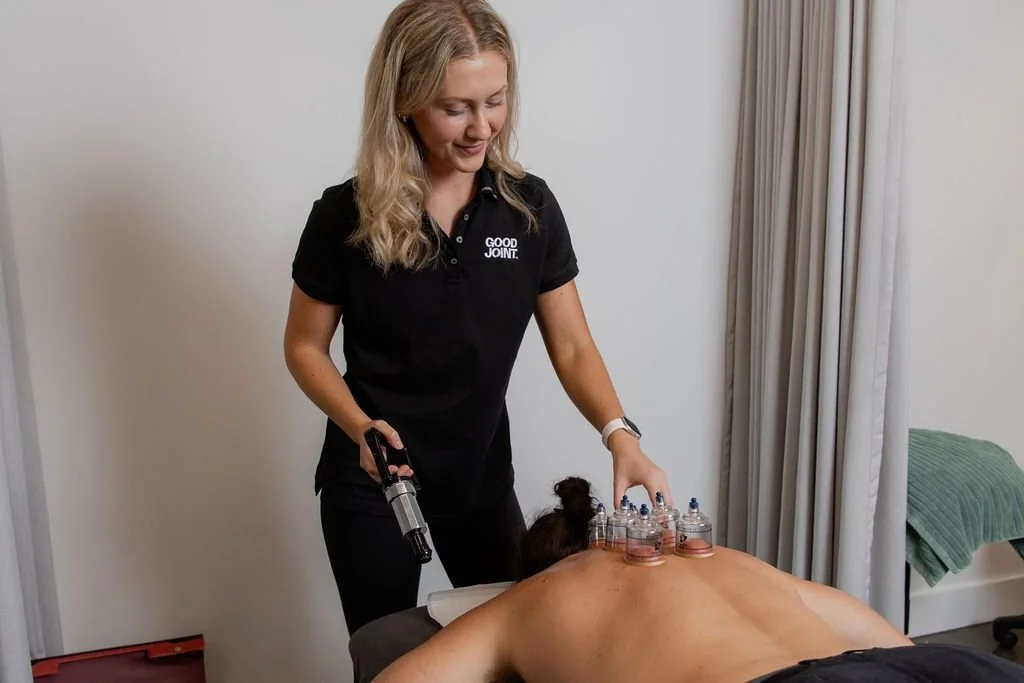
Back Pain Can Affect More Than Just Your Back
Lower Back & Spinal Joints
The lumbar spine bears significant load throughout the day. When joints become restricted, discs are under pressure, or muscles lose their ability to support properly, pain can develop quickly and become difficult to shift without the right treatment.
Sciatica & Nerve Pain
Compression or irritation of the sciatic nerve can send sharp, burning, or aching pain from the lower back through the buttock and down into the leg. Identifying the source of nerve involvement is a key part of any thorough back pain assessment.
Posture, Hips & Movement
Back pain rarely comes from the back alone. Tight hips, weak core muscles, poor movement patterns, and prolonged sitting can all contribute. A whole-body assessment helps identify these connected factors and ensures treatment addresses the full picture.
At The Good Joint, we assess your spine, joints, muscles, and movement together to build a personalised treatment plan that targets the real cause of your back pain and supports long-term improvement.
Book Visit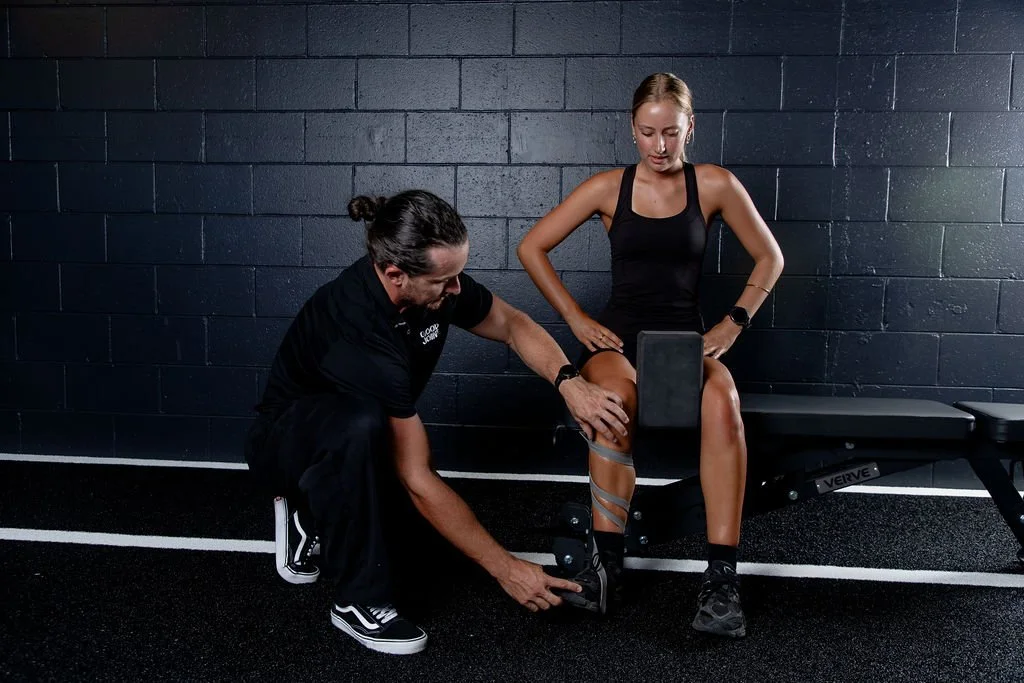
WHAT TO EXPECT DURING YOUR FIRST VISIT
Discussion:
A brief chat about what's brought you in and how it has been impacting your lifestyle.
Physical Assessment:
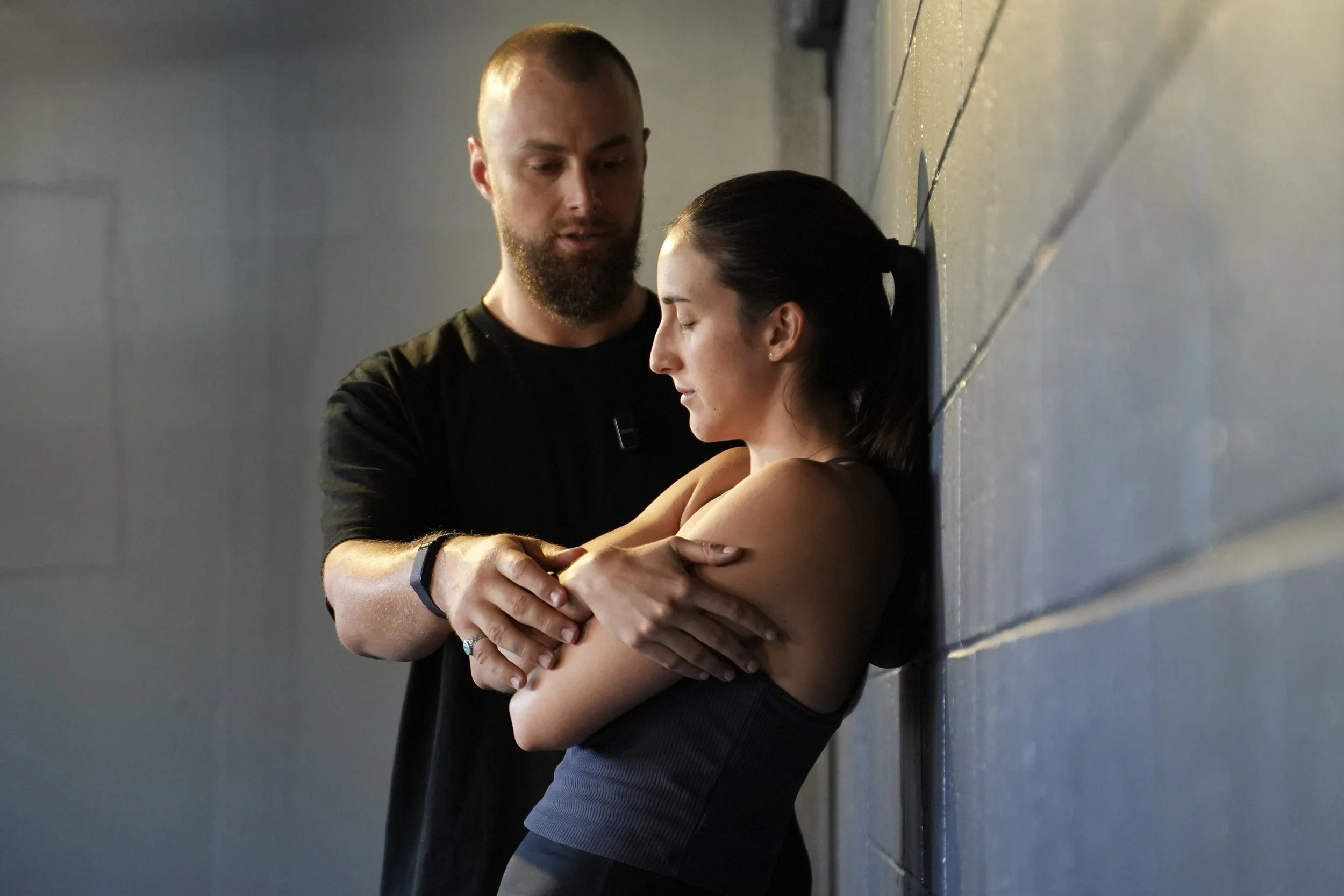
Functional testing to assess and identify underlying factors contributing to your symptoms.
Recovery Plan:
A tailored approach for working on your specific needs, including personalised exercise prescription.
Treatment:
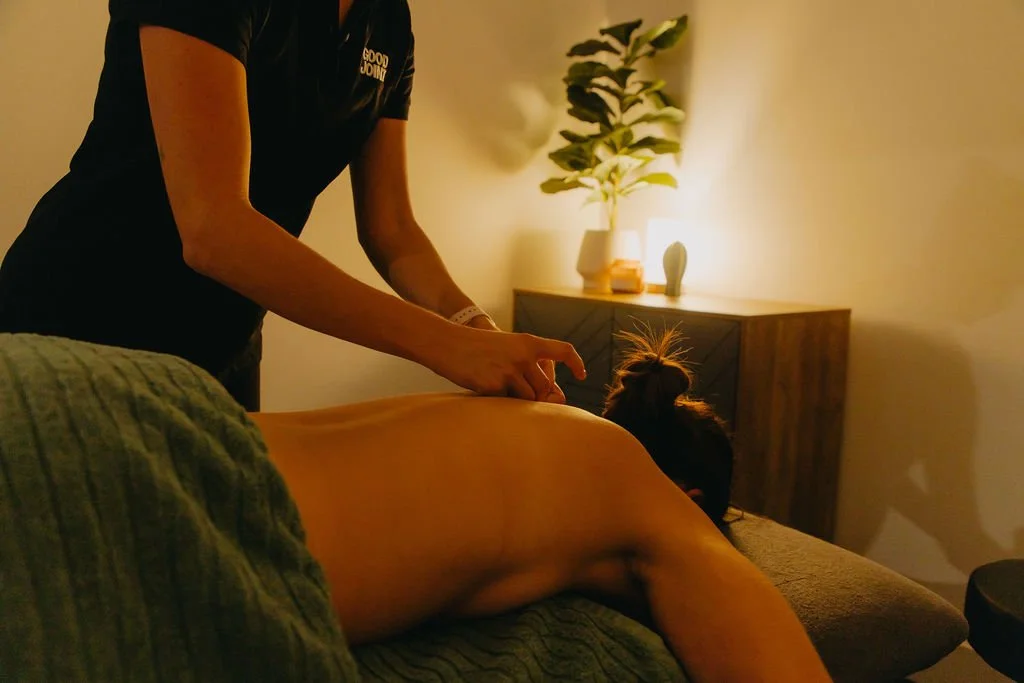
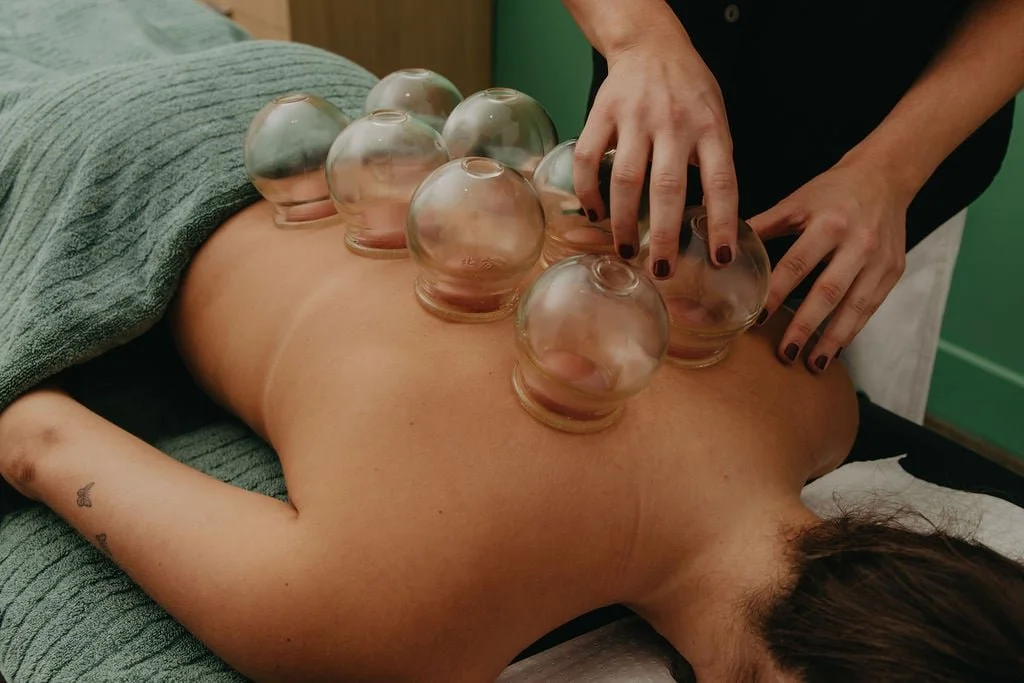
Hands-on treatment including active release, soft tissue work, and dry needling for fast relief.
What Causes Back Pain?
Disc Injuries & Bulges
The discs between your vertebrae act as shock absorbers for the spine. A disc bulge or herniation can place pressure on nearby nerves, causing localised back pain or referred pain that travels into the legs. This is one of the most common causes of both lower back pain and sciatica.
Spinal Joint Restriction
The facet joints of the lumbar and thoracic spine can become restricted, inflamed, or irritated through overuse, poor posture, or sudden awkward movements. This leads to stiffness, localised pain, and reduced ability to bend, twist, or move comfortably.
Muscle Strain & Overuse
Lifting incorrectly, sudden movements, or simply sitting in the same position for too long can strain the muscles and ligaments supporting the spine. While these injuries often improve with time, recurring muscle pain is often a sign that underlying movement or strength issues need to be addressed.
Sciatica & Nerve Irritation
Sciatica occurs when the sciatic nerve becomes compressed or irritated, usually from a disc bulge, tight piriformis muscle, or spinal stenosis. Symptoms include shooting pain, tingling, or numbness that travels from the lower back through the buttock and into the leg or foot.
Posture, Lifestyle & Prolonged Sitting
Sedentary work, long periods of sitting, and sustained poor posture increase compressive load on the lumbar spine over time. Combined with weak core muscles and tight hip flexors, this is one of the most common patterns seen in people with persistent or recurring back pain.
If your Back pain keeps coming back, it may need a full assessment. Jaw pain is rarely caused by one thing alone. It often builds over time from tension, posture, stress, or overload.
Book Visit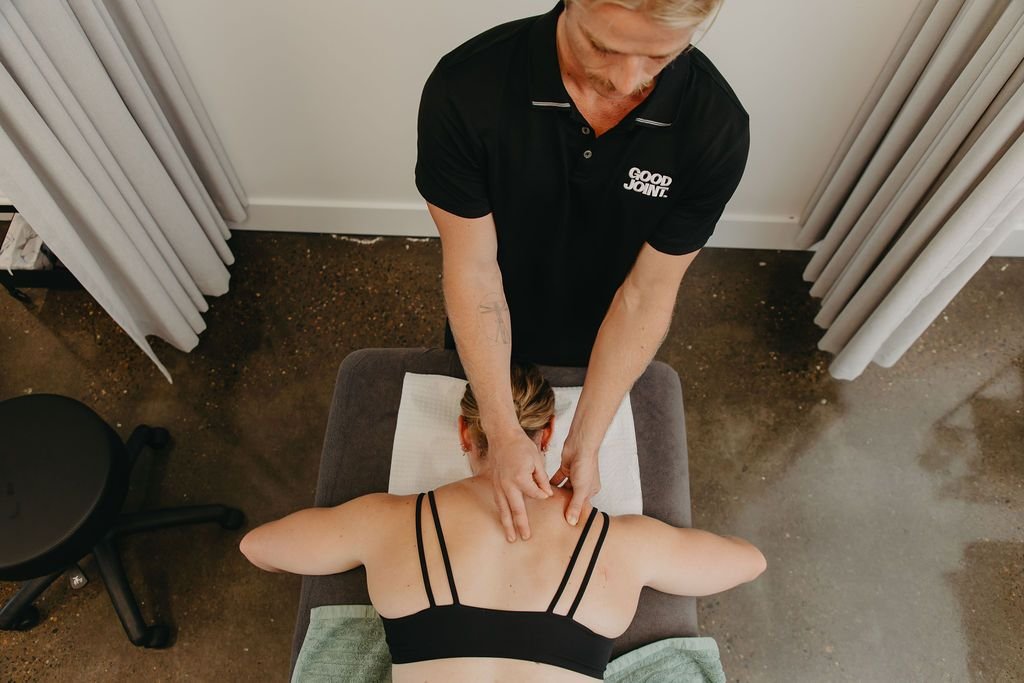
Common Back Pain Symptoms
Back pain can range from a dull, constant ache to sharp pain that stops you mid-movement. It can be localised to one spot or spread across the lower back, hips, and into the legs. Understanding how your pain behaves helps us find the right approach.
Recurring back pain is rarely just about the back. A proper assessment looks at your spine, joints, movement patterns, and lifestyle to find what is actually driving your symptoms and preventing you from recovering fully.
Book NowFrequently Asked Questions About Back Pain
How long does back pain usually last?
Acute back pain often improves within a few weeks with the right management. However, back pain that persists beyond six weeks, keeps returning, or is associated with nerve symptoms like leg pain or tingling is worth having properly assessed. Without addressing the underlying cause, many people find their pain continues to come back.
Is it okay to keep moving with back pain?
In most cases, yes. Staying gently active is generally better for recovery than complete rest. Prolonged bed rest can cause muscles to weaken and stiffen, which often makes pain worse over time. An assessment can help identify which movements are safe and beneficial for your specific presentation.
What is the difference between a disc bulge and a disc herniation?
A disc bulge occurs when the disc extends outward beyond its normal boundary without the outer layer breaking. A herniation involves the inner material pushing through a crack in the outer layer. Both can irritate nearby nerves and cause back pain or sciatica, but a herniation is generally considered more significant. Many people recover well from both with conservative treatment.
Can sciatica be treated without surgery?
Yes. The majority of sciatica cases improve with conservative care. Treatment typically focuses on reducing pressure on the irritated nerve, restoring spinal movement, and addressing the muscle tension and postural factors that may be contributing. Surgery is generally considered only when symptoms are severe, progressive, or do not respond to conservative management over time.
What is the difference between chiropractic, physiotherapy, and osteopathy for back pain?
All three can be effective for back pain, but they approach it differently. Chiropractors focus primarily on spinal joint function, using targeted adjustments and mobilisation to restore movement and reduce nerve irritation in the lumbar and thoracic spine. Physiotherapists focus on rehabilitation, using exercise, movement retraining, and hands-on therapy to rebuild strength, improve flexibility, and correct the patterns that contribute to recurring pain. Osteopaths take a whole-body structural approach, assessing how the spine, pelvis, hips, and surrounding soft tissue are working together and using a combination of manipulation, mobilisation, and soft tissue techniques to restore balance and reduce load. At The Good Joint, we have all three disciplines under one roof, which means your treatment can draw on whichever approach is most suited to your back pain.