Elbow Pain Treatment Gold Coast
Elbow pain can make gripping, lifting, typing, and everyday tasks surprisingly difficult, especially when it keeps coming back no matter how much you rest.
Whether your pain is linked to tennis elbow, golfer's elbow, tendon overload, nerve irritation, or referred pain from the neck or shoulder, The Good Joint takes a whole-body approach to identify what is driving it and build a plan to help you recover and get back to doing what matters.
Book Now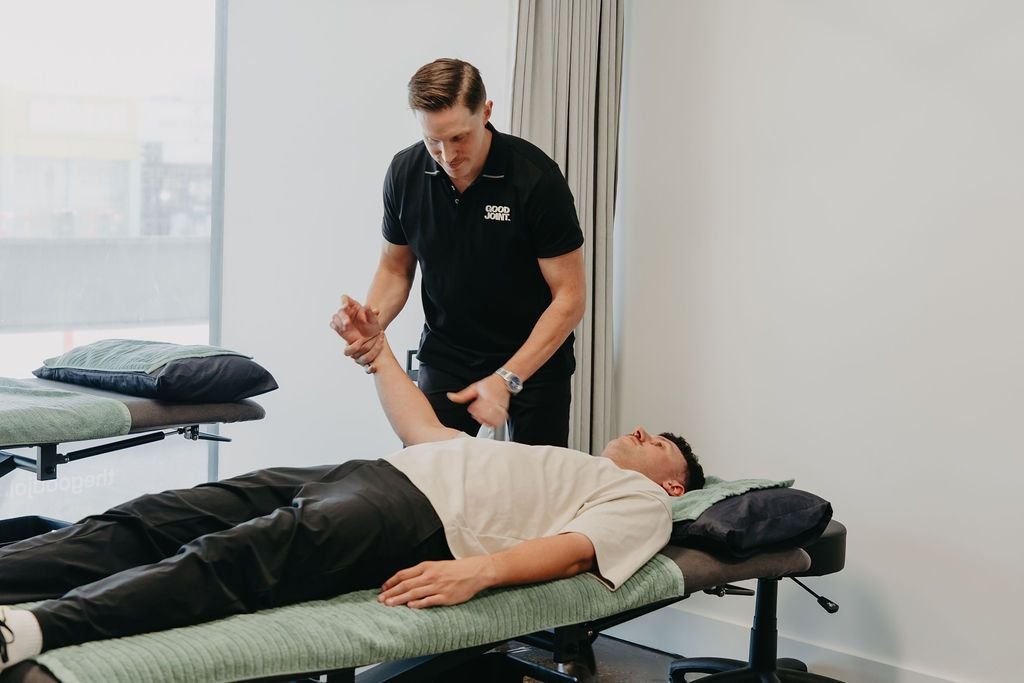
Elbow Pain Can Affect More Than Just Your Elbow
Tennis & Golfer's Elbow
Tennis elbow affects the outer tendons of the elbow, while golfer's elbow affects the inner side. Both involve tendon overload from repetitive gripping, lifting, or arm movements and can cause persistent pain that is slow to improve without targeted treatment.
Grip, Wrist & Forearm Load
The muscles responsible for gripping and wrist movement attach at the elbow. Repetitive strain through the forearm from work, sport, or manual tasks can gradually overload these tendons, leading to inflammation, weakness, and pain that builds over time.
Neck, Shoulder & Nerve Referral
Elbow pain does not always originate at the elbow. Nerve irritation from the cervical spine or compression at the shoulder can refer pain, tingling, or weakness into the forearm and elbow. A thorough assessment is important to identify the true source of your symptoms.
At The Good Joint, we assess the elbow, forearm, wrist, shoulder, and neck together to make sure we are treating the cause of your pain and not just managing the symptoms.
Book Visit
WHAT TO EXPECT DURING YOUR FIRST VISIT
Discussion:
A brief chat about what's brought you in and how it has been impacting your lifestyle.
Physical Assessment:
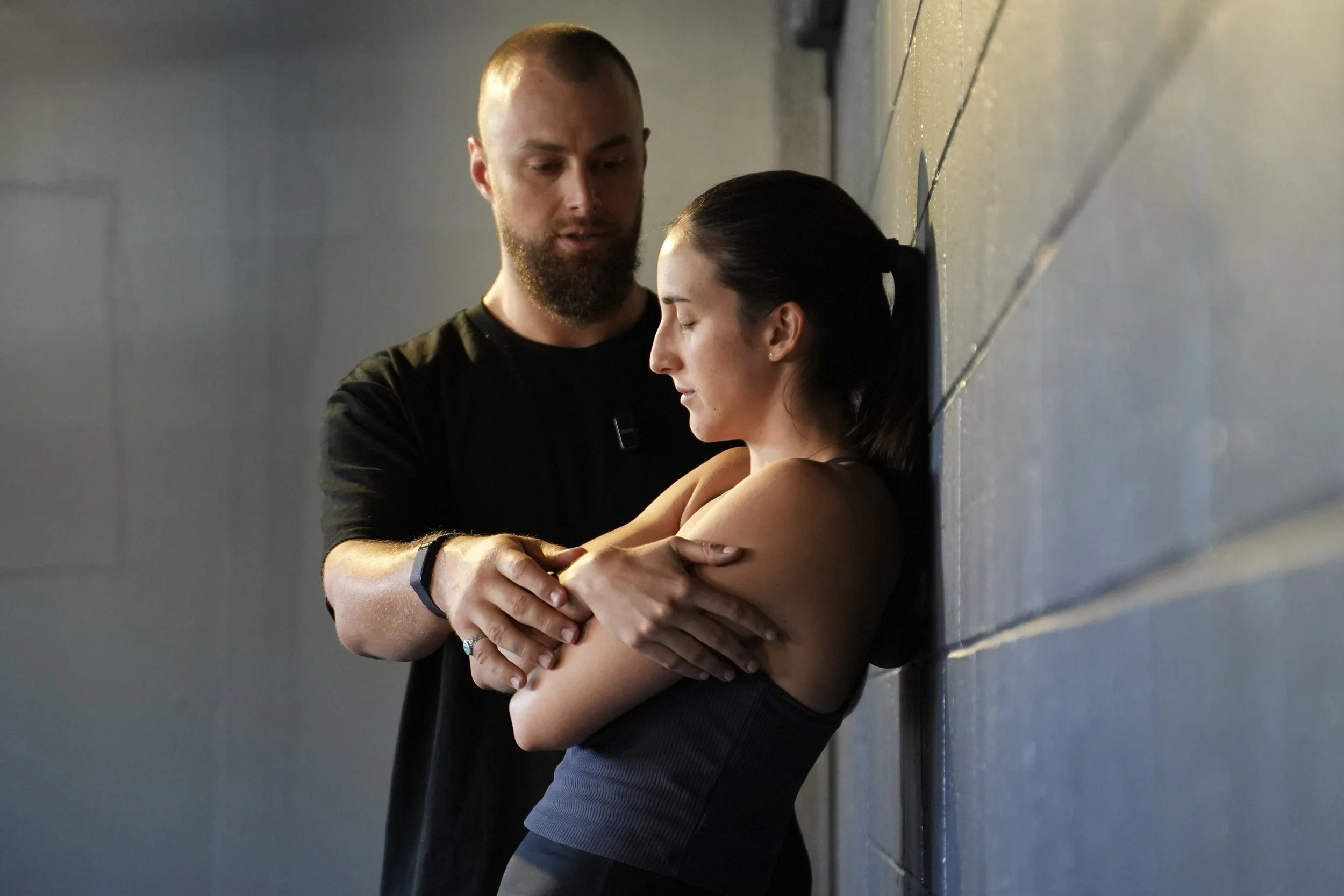
Functional testing to assess and identify underlying factors contributing to your symptoms.
Recovery Plan:
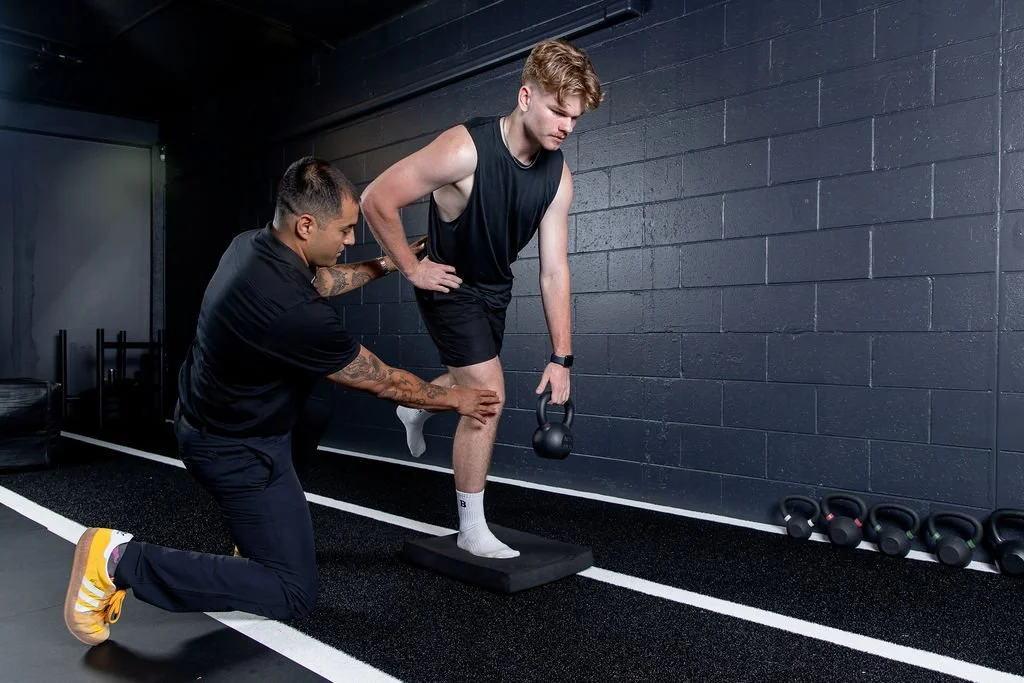
A tailored approach for working on your specific needs, including personalised exercise prescription.
Treatment:
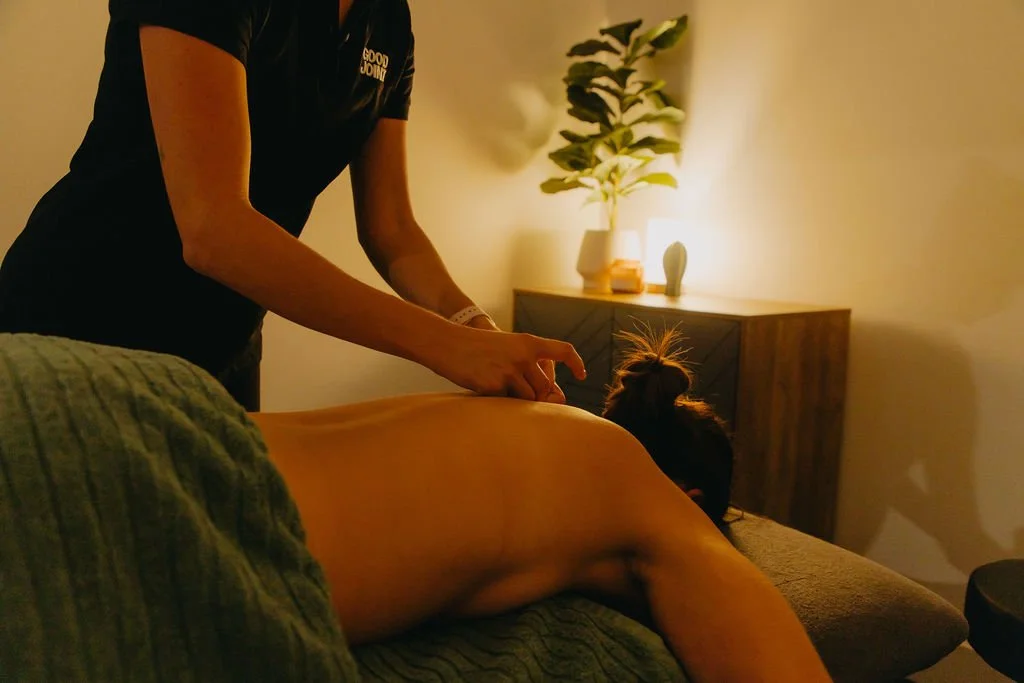
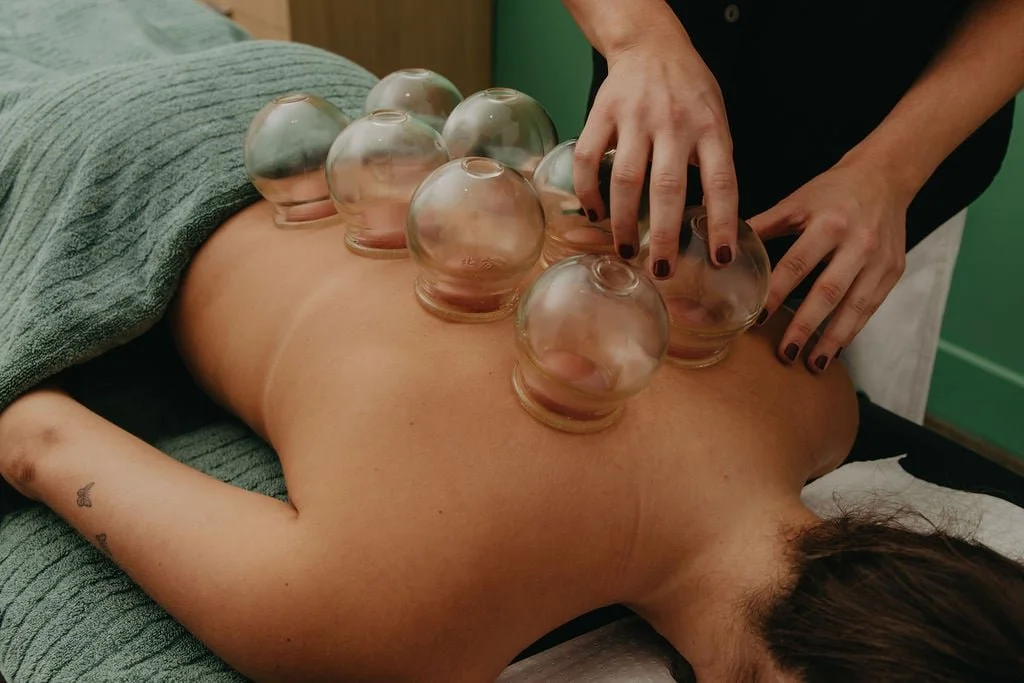
Hands-on treatment including active release, soft tissue work, and dry needling for fast relief.
What Causes Elbow Pain?
Tennis Elbow (Lateral Epicondylitis)
Tennis elbow is one of the most common causes of outer elbow pain. It occurs when the tendons that attach the forearm extensor muscles to the lateral epicondyle become overloaded and irritated. Despite the name, it affects many people who have never played tennis, including tradespeople, office workers, and anyone who performs repetitive gripping or lifting tasks.
Golfer's Elbow (Medial Epicondylitis)
Golfer's elbow causes pain on the inner side of the elbow where the forearm flexor tendons attach. It is commonly caused by repetitive wrist flexion, gripping, or throwing movements. It can also occur in people who do heavy manual work or spend long periods typing and using a mouse.
Tendon Overload & Repetitive Strain
Both tennis and golfer's elbow are tendinopathies caused by cumulative overload rather than a single incident. When the tendons are asked to do more than they can handle over a sustained period, the tissue begins to break down and become painful. Load management and progressive rehabilitation are central to recovery.
Nerve Entrapment & Referred Pain
The radial nerve, ulnar nerve, and median nerve all pass through the elbow region and can become compressed or irritated. Cubital tunnel syndrome, which affects the ulnar nerve at the inner elbow, is a common cause of numbness or tingling into the ring and little fingers. Nerve irritation from the cervical spine can also refer symptoms into the elbow and forearm.
Elbow Joint Restriction & Bursitis
The elbow joint can become stiff or restricted following injury, overuse, or prolonged immobility. Olecranon bursitis, involving swelling over the back of the elbow, can develop from repeated pressure or a direct knock. Joint restriction through the wrist, shoulder, or neck can also alter how load is distributed through the elbow during movement.
If your Elbow Pain keeps coming back, it may need a full assessment. Jaw pain is rarely caused by one thing alone. It often builds over time from tension, posture, stress, or overload.
Book Visit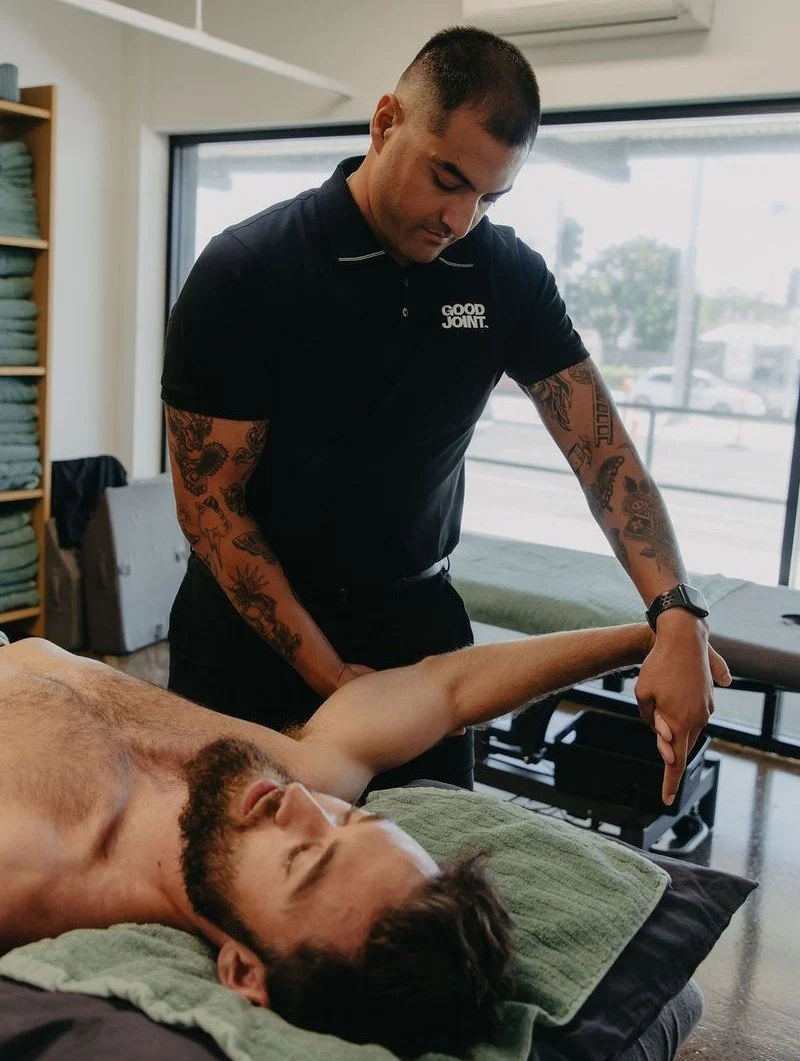
Common Elbow Pain Symptoms
Elbow pain can range from a mild, nagging ache to sharp pain that limits grip and makes simple tasks uncomfortable. The location of the pain, whether on the outer or inner elbow, and how it behaves with activity gives important clues about what is driving it.
Elbow pain that lingers or keeps returning with activity is a sign that the underlying load issue has not been resolved. A proper assessment will identify whether the tendon, joint, nerve, or a connected region like the neck or shoulder is the primary driver.
Book NowFrequently Asked Questions About Elbow Pain
What is the difference between tennis elbow and golfer's elbow?
The difference comes down to which side of the elbow is affected. Tennis elbow causes pain on the outer elbow where the forearm extensor tendons attach, and is typically aggravated by gripping, lifting with the palm down, or extending the wrist. Golfer's elbow causes pain on the inner elbow where the flexor tendons attach, and tends to be aggravated by gripping, wrist flexion, or throwing movements. Neither condition requires you to play the sport it is named after.
How long does tennis elbow or golfer's elbow take to heal?
Recovery time varies depending on how long the condition has been present and whether it is being properly managed. Mild cases may improve within a few weeks with appropriate load management and treatment. Longer-standing or more aggravated presentations can take several months. Rest alone is rarely enough, as the tendon needs progressive loading to heal and rebuild tolerance. Early assessment and treatment generally leads to a faster recovery.
Should I rest completely with tennis elbow or golfer's elbow?
Complete rest is usually not the best approach. While reducing aggravating activities is important in the early stages, tendons heal best when exposed to appropriate progressive load. Total rest can actually slow recovery by allowing the tendon to become less tolerant to activity. Treatment focuses on finding the right level of load and gradually building from there.
Can elbow pain come from the neck or shoulder?
Yes. Nerve irritation from the cervical spine or compression at the shoulder can refer pain, aching, or tingling into the elbow and forearm. In some cases, what feels like tennis or golfer's elbow is partly or entirely driven by a problem higher up the chain. This is why assessing the neck, shoulder, and elbow together is important before settling on a diagnosis and treatment plan.
What is the best treatment for tennis elbow and golfer's elbow?
The most effective treatment typically combines load management with hands-on care and progressive exercise. Physiotherapy is particularly well suited to tendon rehabilitation, using targeted strengthening programs and activity modification to restore tendon capacity and prevent recurrence. Osteopathy and chiropractic care are useful when the neck, shoulder, or thoracic spine are contributing to the load placed on the elbow, and can help correct the broader movement patterns that led to the overuse in the first place. Remedial massage can reduce tightness and tension through the forearm, upper arm, and surrounding muscles, which helps offload the tendon and improve circulation to the area. At The Good Joint, we bring all of these approaches together to make sure your elbow pain is treated from every relevant angle.