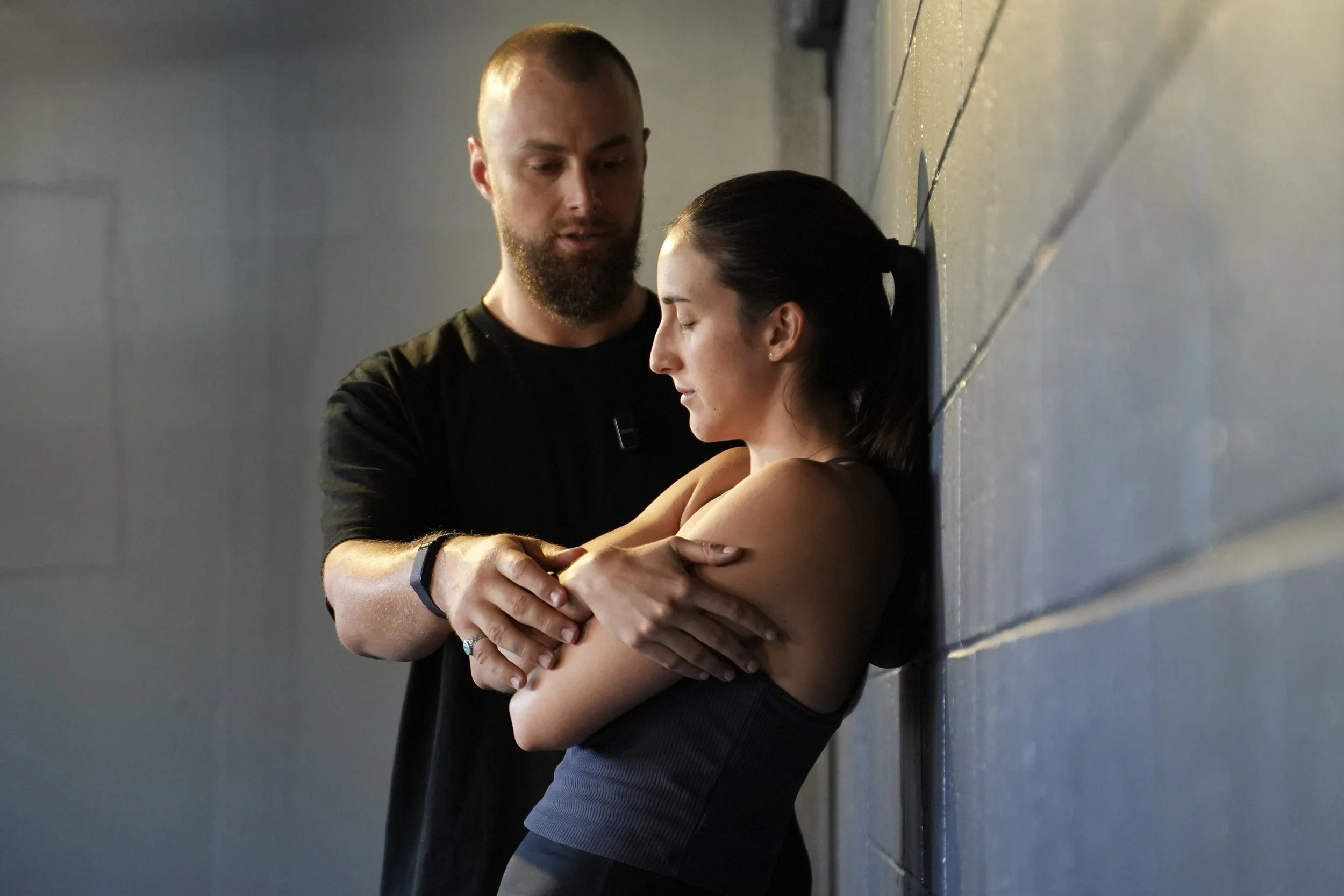
Stress Fracture Rehabilitation Gold Coast
A stress fracture is not just a reason to stop. It is a signal that the balance between training load and recovery has been disrupted, and without addressing that balance, returning to sport risks the same injury all over again.
Whether your stress fracture is in the tibia, metatarsals, femur, navicular, or another site, The Good Joint provides structured stress fracture rehabilitation that manages the healing phase, maintains your fitness, and builds you back to full training with the right foundations in place.
Book Now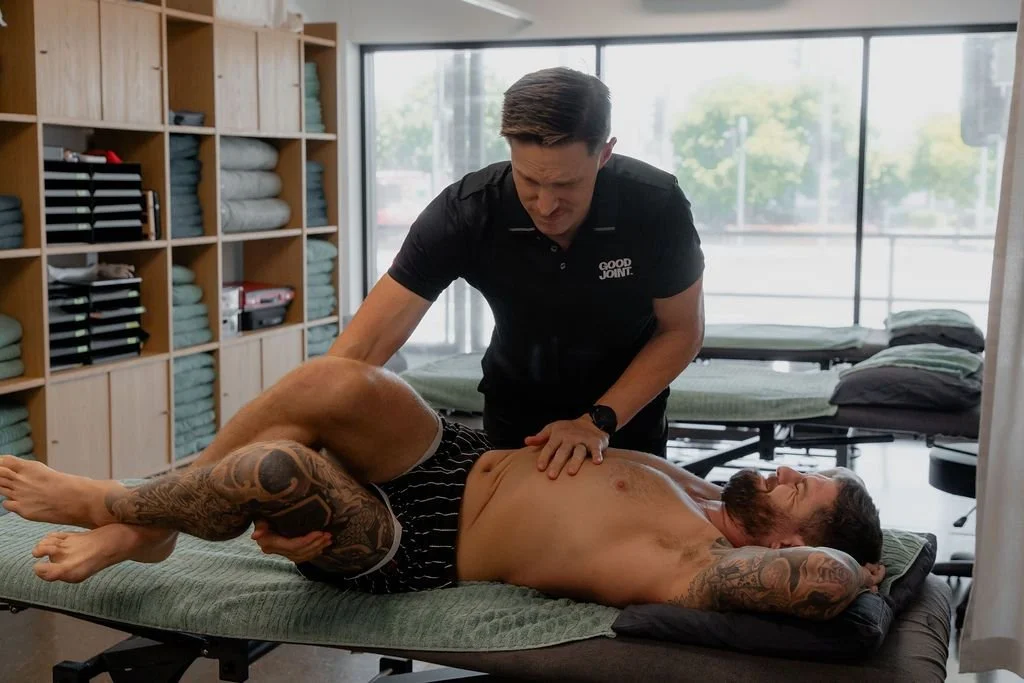
Stress Fracture Rehabilitation Is About More Than Bone Healing
Load Management & Cross-Training
The immediate priority in stress fracture management is reducing the mechanical stress on the affected bone to allow healing while maintaining as much fitness as possible. Depending on the site and severity, this may involve a period of non-weight bearing, modified activity, or cross-training. Getting this phase right creates the foundation for a faster and safer return to full training.
Identifying & Addressing the Contributing Factors
Stress fractures do not occur randomly. They develop when bone is loaded more than it can adapt to, which is driven by training errors, nutritional factors, hormonal considerations, foot mechanics, running gait, or bone density issues. Identifying and addressing the specific contributing factors in your case is the most important thing that can be done to prevent a recurrence.
Progressive Return to Impact Activity
The return-to-sport phase involves a carefully graded increase in impact loading, guided by symptoms and the expected healing timeline for the specific fracture site. Progressing too quickly is one of the most common causes of re-fracture. A structured program with clear milestones ensures the bone is adequately prepared for each stage before advancing.
At The Good Joint, we manage stress fracture rehabilitation from the initial load reduction phase through to full return to sport, addressing both the bone healing and the underlying factors that led to the injury.
Book Visit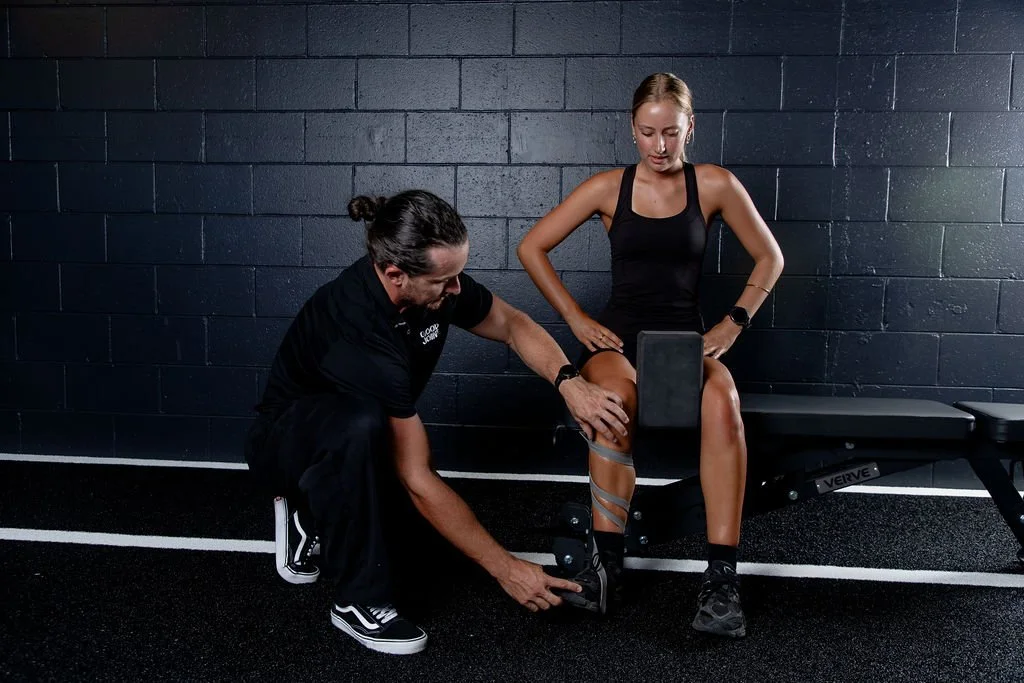
WHAT TO EXPECT DURING YOUR FIRST VISIT
Discussion:
A brief chat about what's brought you in and how it has been impacting your lifestyle.
Physical Assessment:
Functional testing to assess and identify underlying factors contributing to your symptoms.
Recovery Plan:
A tailored approach for working on your specific needs, including personalised exercise prescription.
Treatment:
Hands-on treatment including active release, soft tissue work, and dry needling for fast relief.
Understanding Stress Fractures
What Is a Stress Fracture?
A stress fracture is a small crack or severe bruising within a bone caused by repetitive mechanical loading that exceeds the bone's ability to repair itself. Unlike acute fractures from a single traumatic event, stress fractures develop gradually from accumulated overload. They are most common in the weight-bearing bones of the lower limb and are frequently seen in runners, military personnel, and athletes in high-impact sports.
Common Stress Fracture Sites
The tibia is the most common site of stress fracture in runners, followed by the metatarsals of the foot, the femur, the fibula, and the navicular. Navicular and femoral neck stress fractures are considered high-risk sites that require more conservative management and specialist input due to their greater potential for complications. The specific site influences the management timeline and the degree of load restriction required.
Relative Energy Deficiency in Sport (RED-S)
Stress fractures are significantly more common in athletes who are not fuelling adequately relative to their training load. Relative Energy Deficiency in Sport, formerly known as the female athlete triad, impairs bone density, hormonal function, and recovery capacity. Addressing nutritional status is a critical part of stress fracture management in athletes presenting with this pattern.
Training Errors & Load Spikes
The most common cause of stress fractures is a rapid or poorly managed increase in training load. Too much volume too quickly, transitioning to harder surfaces, insufficient recovery between sessions, or returning to training too quickly after illness or a break all represent the kind of load spikes that create the conditions for bone stress injury to develop.
Gait & Biomechanical Factors
Running mechanics, foot posture, and lower limb alignment all influence how ground reaction forces are distributed through the bones of the lower leg and foot. Poor hip control, excessive pronation, and asymmetrical loading patterns are all associated with increased stress fracture risk in runners. A gait assessment is a valuable component of stress fracture rehabilitation to identify and address these contributing mechanics.
A stress fracture is both an injury and a warning. The bone has told you clearly that something in your training, mechanics, or recovery needs to change. Getting the rehabilitation right from the start means not only healing this fracture but significantly reducing the risk of the next one.
Book Visit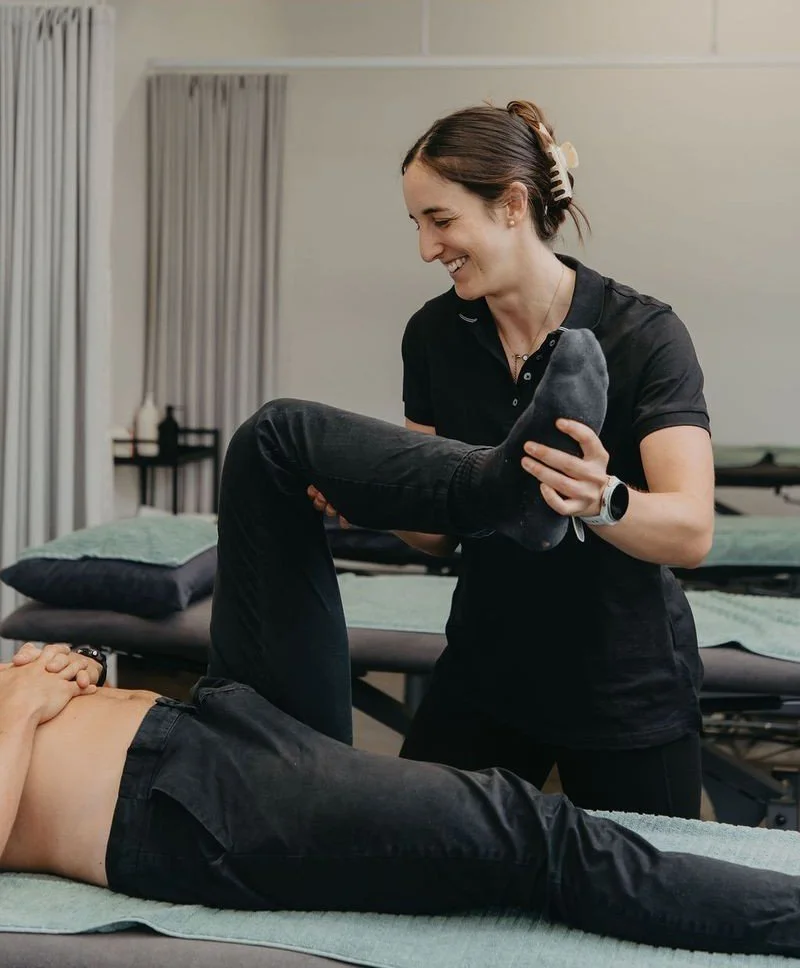
What to Expect During Stress Fracture Rehabilitation
Stress fracture rehabilitation has clear phases that must be progressed in order. Rushing any phase risks re-fracture and extends the overall recovery timeline significantly. Understanding what each phase involves helps you approach rehabilitation with realistic expectations.
Stress fracture rehabilitation works best when it starts with a clear understanding of the contributing factors. Bone healing is only one part of the picture. Without addressing the load, mechanics, nutrition, and training habits that caused the fracture, the risk of recurrence remains high.
Book NowFrequently Asked Questions About Stress Fracture Rehabilitation
How long does a stress fracture take to heal?
Healing time varies by site and severity. Low-risk stress fractures such as those in the tibia or metatarsals typically take six to eight weeks of load reduction before a gradual return to impact activity begins. High-risk sites such as the navicular or femoral neck may take twelve weeks or longer and require specialist orthopaedic input alongside physiotherapy rehabilitation. Total return to full training typically takes three to four months for most presentations.
Do I need imaging for a stress fracture?
Yes. Stress fractures should always be confirmed with imaging before rehabilitation begins. X-ray alone often misses early stress fractures, so MRI or bone scan is typically recommended for definitive diagnosis. The imaging findings also help determine the grade of the fracture and the appropriate level of load restriction, which directly influences the rehabilitation plan.
Can I keep running with a stress fracture?
No. Continuing to run on a stress fracture significantly increases the risk of a complete fracture and dramatically extends recovery time. The period of load reduction is non-negotiable for bone healing. However, maintaining cardiovascular fitness through low-impact cross-training such as pool running, cycling, or swimming is entirely possible and highly recommended during this period to minimise deconditioning.
How do I prevent a stress fracture from coming back?
Prevention involves addressing the factors that caused the original fracture. This typically includes a structured return to training with appropriate load progression, a running gait analysis to identify and correct biomechanical risk factors, nutritional assessment to ensure adequate fuelling for the training load, and ongoing monitoring of training load management. Athletes who return to the same training habits without addressing these factors have a high rate of recurrence.
What role does physiotherapy play in stress fracture recovery?
Physiotherapy is central to stress fracture rehabilitation at every stage. In the early phase, a physiotherapist guides appropriate cross-training, monitors symptoms, and maintains lower limb strength and mobility. In the middle phase, they oversee the graded return to impact and progressively load the bone in a controlled way. In the final phase, they manage the return to full training, perform gait analysis, and address the biomechanical factors that contributed to the original injury. This end-to-end involvement produces significantly better outcomes than simply waiting for the bone to heal and then returning to training.