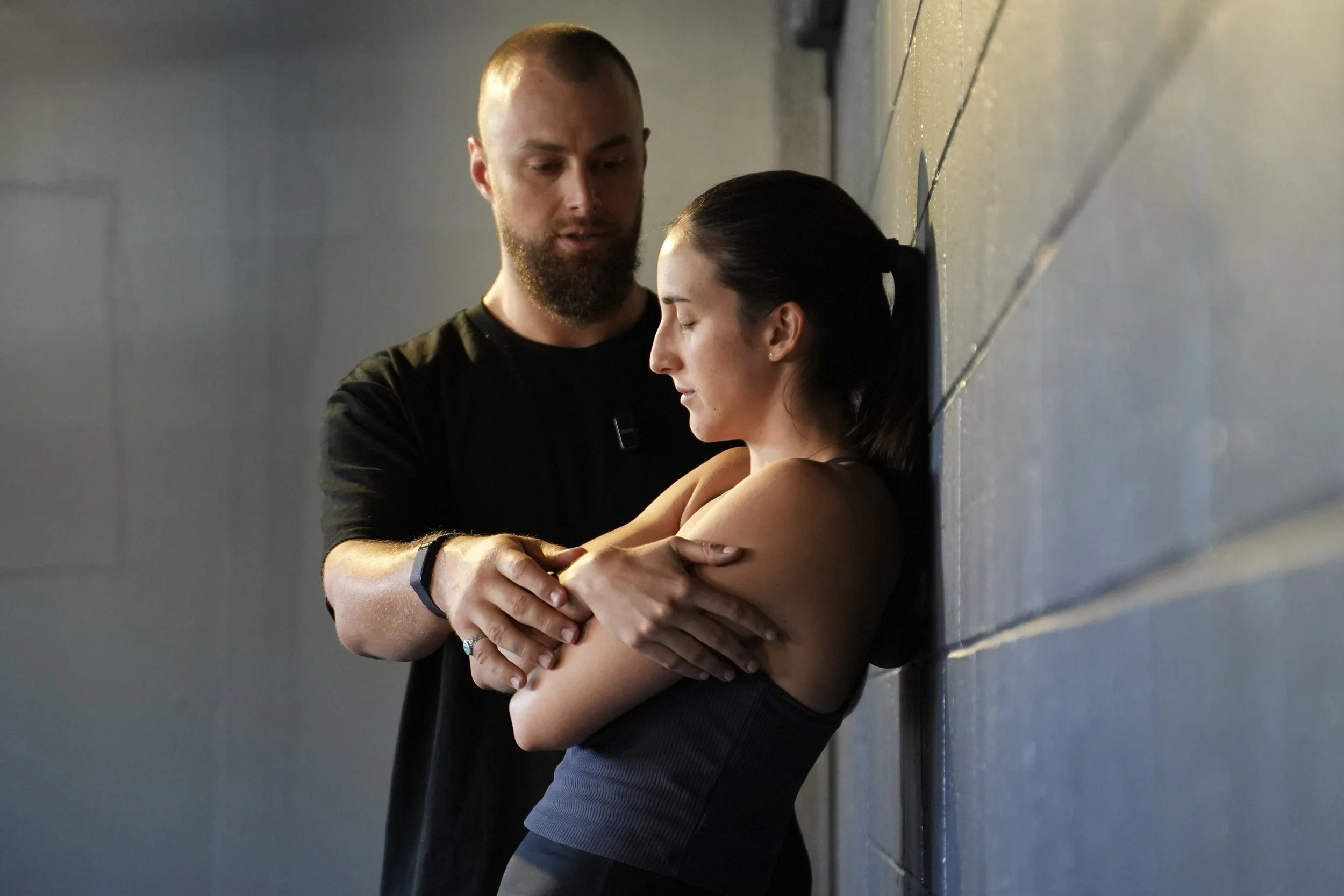
Ankle Pain & Sprain Treatment Gold Coast
Ankle pain can limit walking, running, sport, and even standing comfortably, and if not managed well, a sprain that seems minor can become a recurring problem.
Whether your ankle pain is linked to a sprain, chronic instability, tendon irritation, joint stiffness, or referred pain from the foot or lower leg, The Good Joint takes a whole-body approach to identify what is driving it and build a plan to help you recover fully and confidently.
Book Now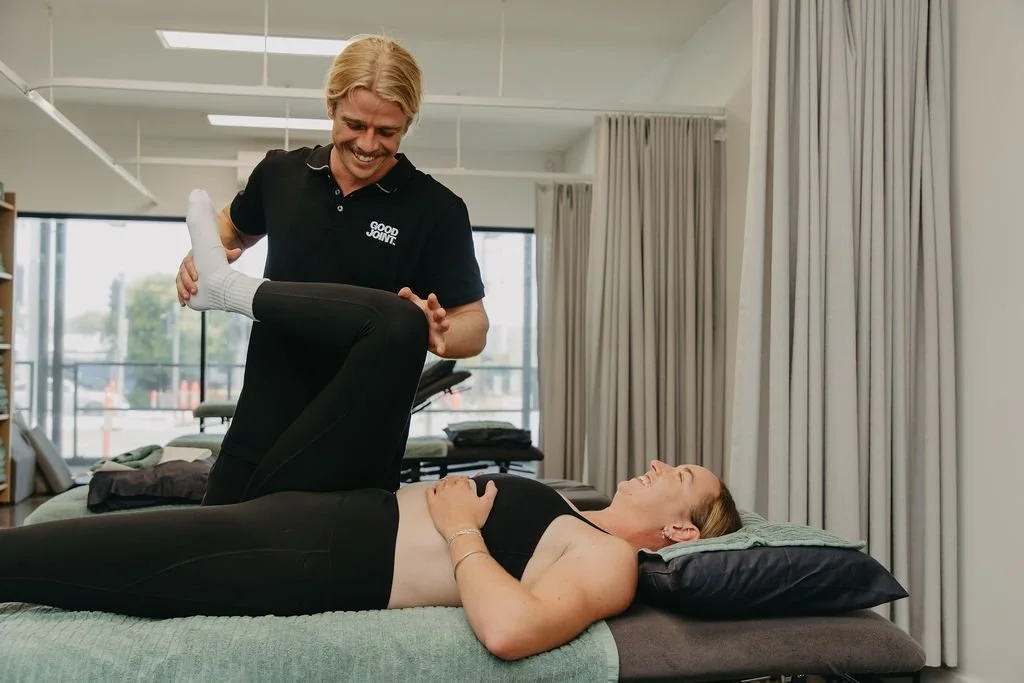
Ankle Pain Can Affect More Than Just Your Ankle
Ligament Sprains & Instability
Ankle sprains are one of the most common musculoskeletal injuries and, when not rehabilitated properly, frequently lead to chronic instability and repeated rolling of the ankle. Restoring ligament strength, proprioception, and joint mechanics is essential for long-term recovery and reducing reinjury risk.
Tendons & Joint Stiffness
Achilles tendinopathy, peroneal tendon irritation, and restricted ankle joint movement are common causes of ongoing ankle pain that may develop separately from or following a sprain. Each of these has a distinct treatment approach and may require different types of loading and rehabilitation to resolve.
Foot, Knee & Gait Impact
The ankle plays a key role in absorbing impact and controlling movement through the lower limb. Restricted ankle mobility following injury can alter how load is distributed through the knee, hip, and lower back, contributing to secondary pain in other areas. A thorough assessment includes the full lower limb, not just the ankle itself.
At The Good Joint, we assess the ankle, foot, calf, and lower limb movement together to make sure your recovery addresses both the local injury and any contributing factors from the rest of the chain.
Book Visit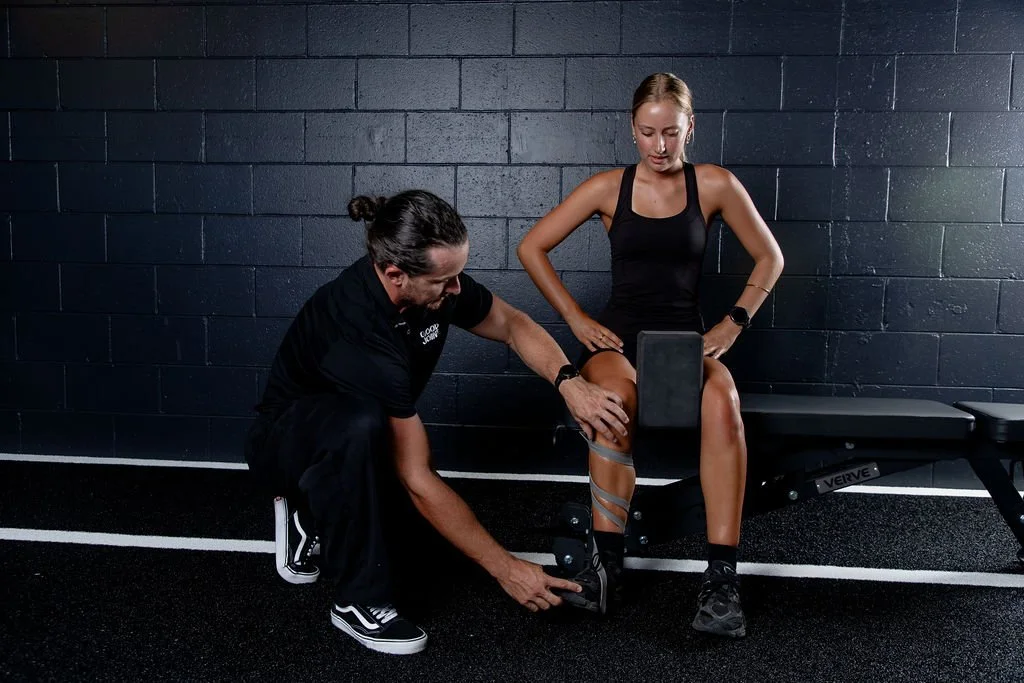
WHAT TO EXPECT DURING YOUR FIRST VISIT
Discussion:
A brief chat about what's brought you in and how it has been impacting your lifestyle.
Physical Assessment:
Functional testing to assess and identify underlying factors contributing to your symptoms.
Recovery Plan:
A tailored approach for working on your specific needs, including personalised exercise prescription.
Treatment:
Hands-on treatment including active release, soft tissue work, and dry needling for fast relief.
What Causes Ankle Pain?
Ankle Sprains & Ligament Injuries
Ankle sprains occur when the ligaments are overstretched or torn, most commonly on the outer side of the ankle from a sudden inversion. Sprains range from mild stretching to complete ligament tears. Without proper rehabilitation, even mild sprains frequently lead to chronic weakness, instability, and a significantly higher risk of re-injury.
Chronic Ankle Instability
Recurring ankle sprains or a single significant ligament injury that was not fully rehabilitated can lead to chronic instability. The ankle feels unreliable, gives way easily, and lacks the strength and neuromuscular control needed for confident movement. Progressive rehabilitation targeting strength and proprioception is the most effective treatment approach.
Achilles Tendinopathy
The Achilles tendon attaches the calf muscles to the heel bone and is one of the most commonly injured tendons in the body. Overload from running, jumping, or sudden increases in activity can cause tendinopathy, producing pain and stiffness at the back of the ankle, particularly in the morning and with the first steps after rest.
Peroneal Tendon Irritation
The peroneal tendons run along the outer side of the ankle and help stabilise the foot during movement. Overuse, ankle sprains, or repetitive loading can irritate or tear these tendons, producing pain and swelling on the outer side of the ankle that may be confused with a lateral sprain.
Ankle Joint Stiffness & OA
Restricted ankle joint mobility can develop following injury, surgery, or gradual degeneration. Reduced dorsiflexion, or the ability to bend the ankle upward, is one of the most common movement restrictions and can significantly affect how well you walk, run, and squat. Joint mobilisation and targeted exercise are effective tools for restoring ankle range of motion.
Ankle pain and instability rarely resolve completely without addressing the strength, proprioception, and movement deficits that sit underneath the symptoms. If your ankle keeps rolling or has not felt right since a sprain, a full assessment can help you understand why and what to do about it.
Book Visit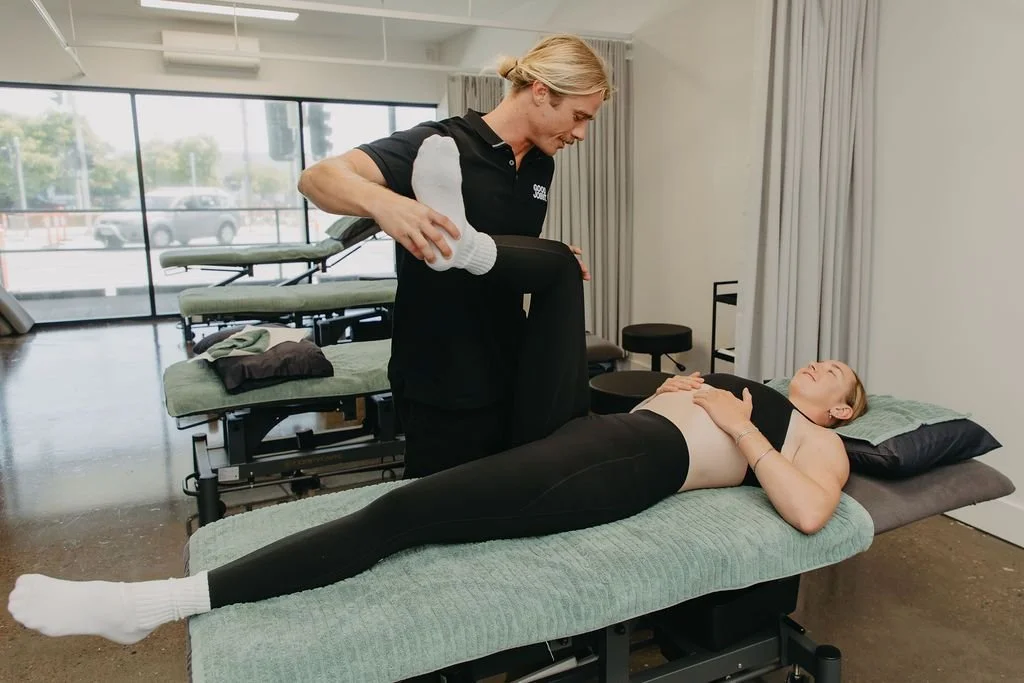
Common Ankle Pain Symptoms
Ankle pain can vary widely depending on the structure involved. Sprains typically cause immediate swelling and tenderness. Tendon injuries tend to build gradually. Joint stiffness may only become obvious with specific movements. Identifying the pattern helps guide the most effective treatment.
Ankle pain that has been present for more than a few weeks, or an ankle that keeps rolling despite seeming to recover from previous sprains, is a sign that the underlying stability and movement deficits have not been fully addressed.
Book NowFrequently Asked Questions About Ankle Pain & Sprains
How long does an ankle sprain take to heal?
Mild ankle sprains can recover within one to two weeks. Moderate sprains involving partial ligament tears may take four to six weeks. Severe sprains with complete tears can take three months or more, particularly if surgery is required. The most important factor in recovery is whether the rehabilitation addresses not just the initial pain and swelling, but also the strength and balance deficits that make re-injury so common.
Do I need an X-ray for an ankle sprain?
Not always. The Ottawa Ankle Rules are a clinical guideline used to determine whether imaging is needed based on specific signs and symptoms. If there is bony tenderness at particular landmarks or inability to weight bear, an X-ray is recommended to rule out a fracture. A practitioner can apply these criteria in an assessment and advise whether imaging is appropriate.
Why does my ankle keep rolling after a sprain?
Repeated ankle rolling is a sign of chronic instability, usually caused by incomplete rehabilitation after an initial sprain. When the ligaments and surrounding muscles do not fully regain their strength, coordination, and proprioception, the ankle remains vulnerable. A structured rehabilitation program targeting these deficits is significantly more effective than rest alone at preventing further sprains.
What is the best treatment for ankle pain and sprains?
Physiotherapy is the primary approach for ankle rehabilitation, covering ligament healing, strength restoration, balance and proprioception retraining, and a graded return to activity. For Achilles and peroneal tendon issues, progressive tendon loading programs form the core of recovery. Remedial massage is effective for releasing calf and lower leg tension that places increased demand on the ankle tendons. Osteopathic and chiropractic joint mobilisation can restore ankle range of motion, particularly restricted dorsiflexion, which is a common residual deficit after sprains. At The Good Joint, we assess the full picture and combine the most appropriate disciplines to support a complete and lasting recovery.