Hip Pain Treatment Gold Coast
Hip pain can make walking, climbing stairs, sitting for long periods, exercising, and getting a good night's sleep far more difficult than they should be.
Whether your hip pain is linked to bursitis, hip flexor tightness, osteoarthritis, labral irritation, referred pain from the lower back, or muscle imbalance, The Good Joint takes a whole-body approach to understand what is driving it and build a plan to help you move better.
Book Now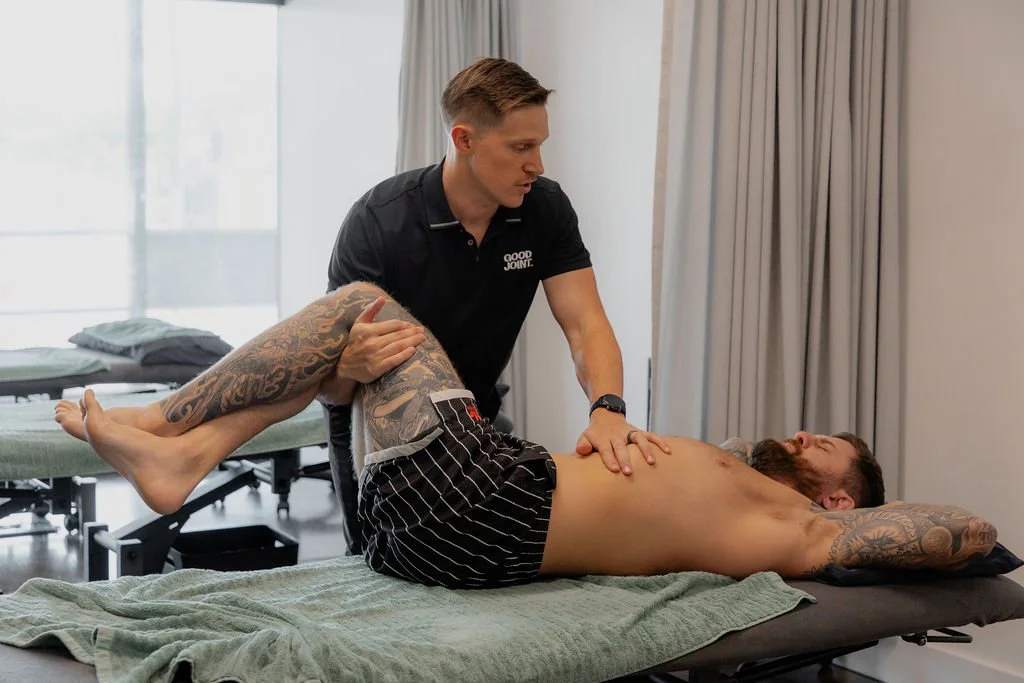
Hip Pain Can Affect More Than Just Your Hip
Hip Joint & Soft Tissue
The hip is a large ball-and-socket joint surrounded by powerful muscles, tendons, and bursae. Pain can come from the joint itself, the surrounding soft tissue, or the labrum, and often builds gradually through overuse, degeneration, or repetitive loading before becoming significant enough to impact daily life.
Lower Back & Pelvic Referral
What feels like hip pain often originates in the lumbar spine or sacroiliac joint. Referred pain from these regions can travel directly into the hip, groin, or buttock, making accurate assessment essential before beginning treatment to ensure the right area is being targeted.
Knee, Gait & Movement Patterns
The hip plays a central role in how you walk, run, and move. Hip dysfunction can alter gait mechanics and place increased load on the knees, lower back, and ankles over time. Restoring hip movement and strength is often a key part of resolving pain in other areas of the lower body.
At The Good Joint, we assess the hip, pelvis, lumbar spine, and lower limb together to make sure we are treating the real cause of your pain and supporting long-term recovery.
Book Visit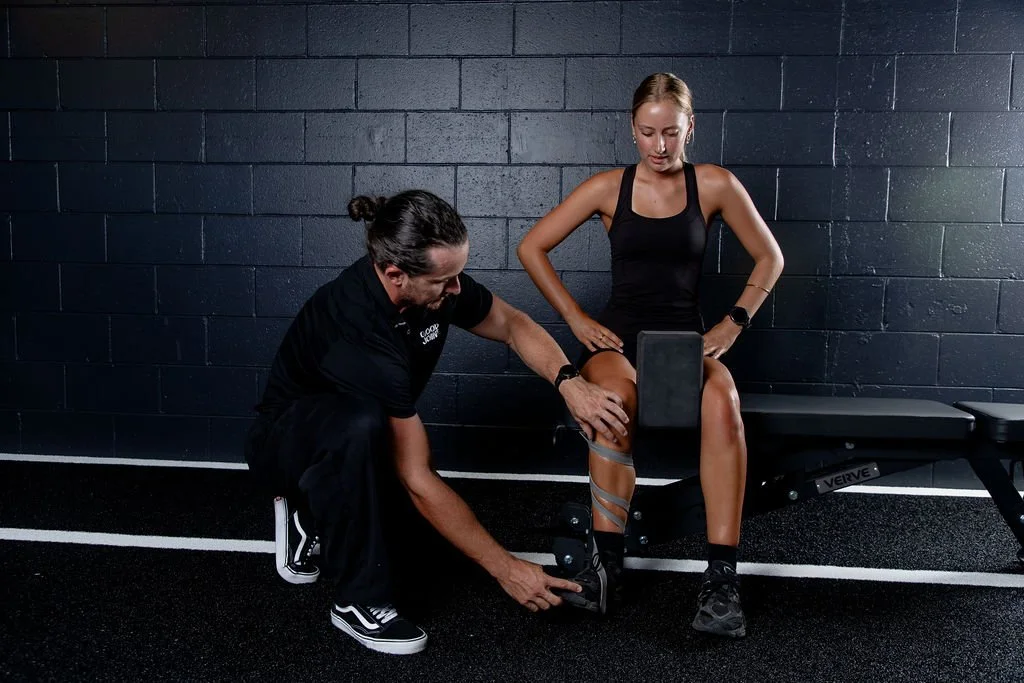
WHAT TO EXPECT DURING YOUR FIRST VISIT
Discussion:
A brief chat about what's brought you in and how it has been impacting your lifestyle.
Physical Assessment:
Functional testing to assess and identify underlying factors contributing to your symptoms.
Recovery Plan:
A tailored approach for working on your specific needs, including personalised exercise prescription.
Treatment:
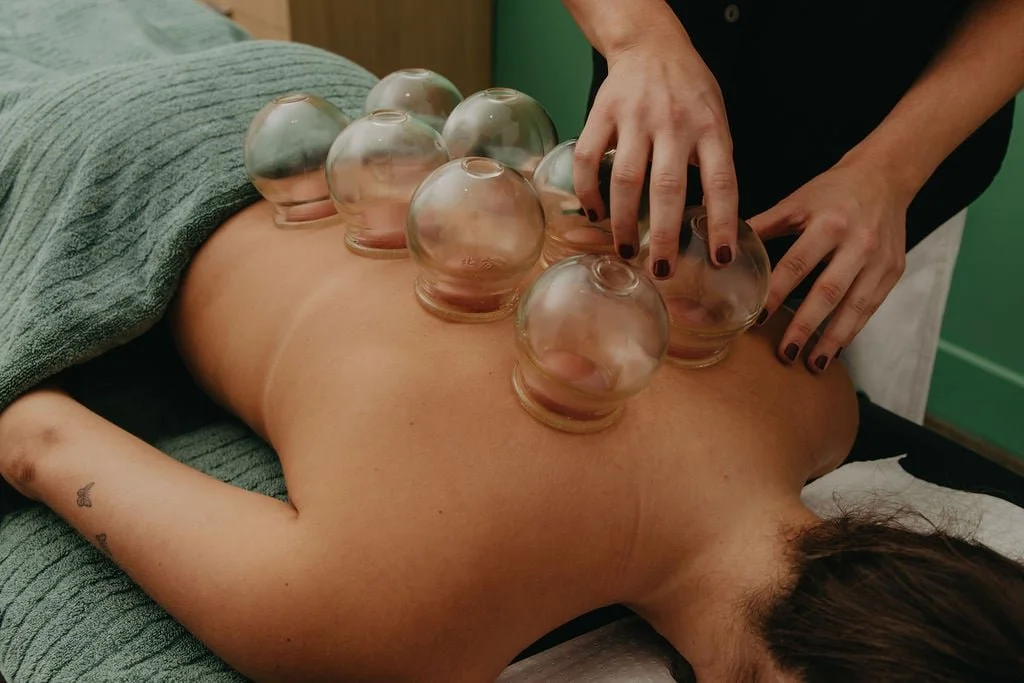
Hands-on treatment including active release, soft tissue work, and dry needling for fast relief.
What Causes Hip Pain?
Hip Bursitis
Trochanteric bursitis involves inflammation of the bursa on the outer side of the hip and is one of the most common causes of lateral hip pain. It is often aggravated by lying on the affected side, walking up stairs, or prolonged standing, and can develop from repetitive loading, muscle weakness, or altered gait mechanics.
Hip Flexor Tightness & Muscle Imbalance
Prolonged sitting shortens the hip flexors and can create imbalances between the muscles that control hip movement. This places increased load on the hip joint and surrounding structures, contributing to pain at the front of the hip, groin, or lower back, particularly in people with desk-based work or sedentary lifestyles.
Hip Osteoarthritis
Osteoarthritis of the hip involves progressive wear of the joint cartilage, leading to stiffness, aching, and reduced range of motion. It is more common in older adults but can affect younger people following injury or prolonged joint loading. Conservative management can help reduce pain, maintain function, and delay the need for surgical intervention.
Labral Tears & FAI
The labrum is a ring of cartilage that lines the hip socket. Tears to the labrum, often associated with femoroacetabular impingement (FAI), can cause deep groin pain, clicking, or a sense of catching in the hip. These presentations benefit from careful assessment to determine whether conservative treatment or specialist referral is most appropriate.
Referred Pain from the Lower Back or SIJ
Pain from the lumbar spine, sacroiliac joint, or surrounding structures can refer directly into the hip, buttock, or groin in a way that closely mimics a local hip problem. Treating the hip without assessing the lower back can lead to slow or incomplete recovery if spinal referral is the primary driver.
Hip pain can come from the joint itself, the surrounding muscles, or structures further up the chain like the lower back or sacroiliac joint. If it is limiting your movement or keeping you awake at night, a proper assessment is the best place to start.
Book Visit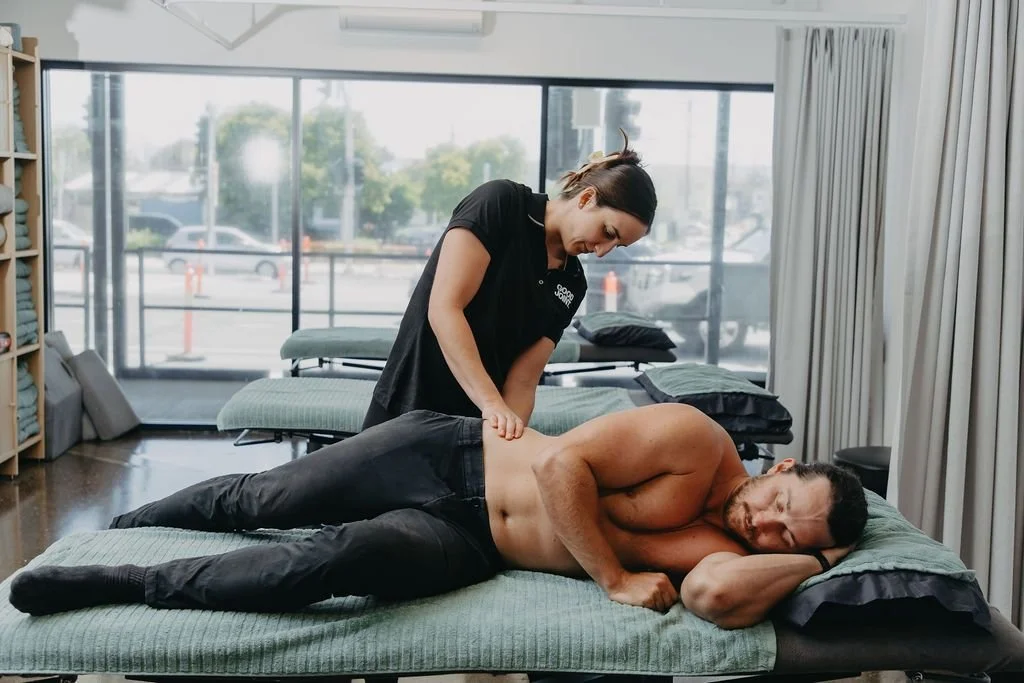
Common Hip Pain Symptoms
Hip pain can present very differently depending on the cause. Some people feel it deep in the groin. Others notice it on the outer hip, through the buttock, or only during specific activities like walking, climbing stairs, or exercising.
Hip pain that persists or keeps returning with activity is worth having properly assessed. Whether the source is local to the hip joint or driven by the lower back or pelvis can significantly change the most effective treatment approach.
Book NowFrequently Asked Questions About Hip Pain
How do I know if my hip pain is coming from the joint or the lower back?
This is one of the most important distinctions in hip pain assessment. True hip joint pain is typically felt deep in the groin and is aggravated by hip rotation, walking, and weight-bearing activities. Pain from the lower back or sacroiliac joint tends to refer into the buttock or outer hip and is often associated with back stiffness or change with lumbar movement. A thorough assessment that tests both the hip and lumbar spine is the most reliable way to identify the source.
Can hip bursitis be treated without cortisone injections?
Yes. Many cases of hip bursitis respond well to conservative management without the need for injections. Treatment typically focuses on load management, addressing the muscle weakness or gait patterns that are driving the irritation, and hands-on therapy to reduce tension in the surrounding structures. Cortisone may be appropriate in some cases but is rarely necessary as a first-line treatment when the underlying cause is properly addressed.
Is hip pain a sign of arthritis?
Not necessarily. Hip pain has many causes, and arthritis is only one of them. Bursitis, muscle strain, labral issues, and referred pain from the spine are all common causes that are not related to arthritis. Even in people who do have hip osteoarthritis, the degree of pain does not always reflect the degree of degeneration visible on imaging, and conservative treatment can still be highly effective at managing symptoms and maintaining function.
Can I still exercise with hip pain?
In most cases, yes. Remaining active is generally beneficial for hip pain recovery, provided you are doing the right type and amount of activity for your specific presentation. Certain exercises will aggravate symptoms while others actively support recovery. An assessment can help identify which movements to avoid in the short term and which to prioritise as part of your rehabilitation.
What is the best treatment for hip pain?
The most effective treatment depends on the cause. Physiotherapy is particularly suited to hip rehabilitation, using targeted strengthening of the glutes and hip stabilisers, load management, and progressive exercise to restore function and prevent recurrence. Chiropractic care focuses on joint assessment of the lumbar spine, pelvis, and sacroiliac joint, which are frequent contributors to hip symptoms, using adjustments and mobilisation to restore movement and reduce referred pain. Osteopathy takes a whole-body structural approach, examining how the hip, pelvis, and lumbar spine interact and using a combination of joint and soft tissue techniques to address imbalances across the whole region. Remedial massage is effective for releasing tight hip flexors, glutes, and the IT band, which commonly contribute to lateral hip pain and bursitis. At The Good Joint, all of these disciplines are available under one roof so your treatment plan can draw on whichever combination works best for your presentation.