Calf Pain Treatment Gold Coast
Calf pain can stop you mid-run, make stairs uncomfortable, and turn an ordinary walk into something you have to think carefully about.
Whether your calf pain is linked to a muscle strain, Achilles tendinopathy, a cramp, deep vein concerns, or referred symptoms from the lower back or sciatic nerve, The Good Joint takes a whole-body approach to find what is driving it and get you back to moving freely.
Book Now
Calf Pain Can Affect More Than Just Your Calf
Muscle Strains & Tears
Calf strains are one of the most common sports injuries and range from minor muscle fibre tears to significant structural damage that requires extended recovery. The mechanism, location, and severity of the strain all influence how it needs to be managed to heal well and prevent reinjury when returning to activity.
Achilles Tendon & Heel Load
The Achilles tendon is the largest tendon in the body and connects the calf muscles to the heel bone. Overload from running, jumping, or rapid increases in activity can cause tendinopathy along the tendon or at its insertion into the heel. Managing calf load and progressively building tendon strength is the most effective approach to recovery.
Nerve Referral & Vascular Considerations
Not all calf pain comes from the calf itself. The sciatic nerve or its branches can refer aching, tightness, or cramping into the calf from the lower back, buttock, or behind the knee. It is also important to rule out vascular causes of calf pain, particularly if swelling, heat, or redness are present, which may indicate a deep vein thrombosis requiring urgent medical assessment.
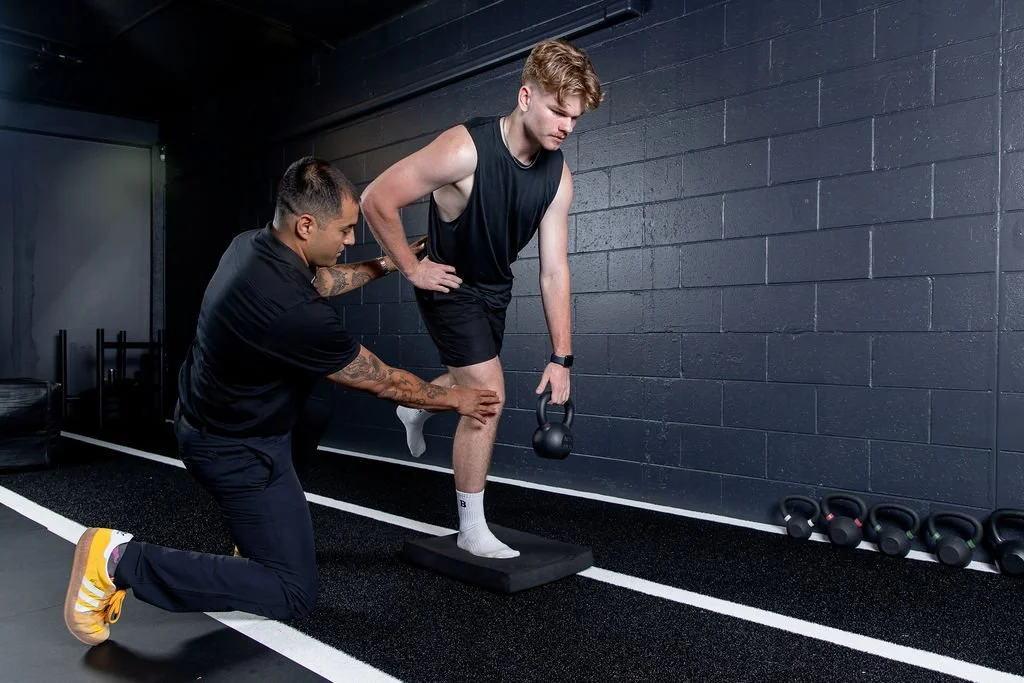
At The Good Joint, we assess the calf, Achilles, ankle, and lower limb together and take a thorough history to make sure we are treating the right cause from the start.
Book Visit
WHAT TO EXPECT DURING YOUR FIRST VISIT
Discussion:
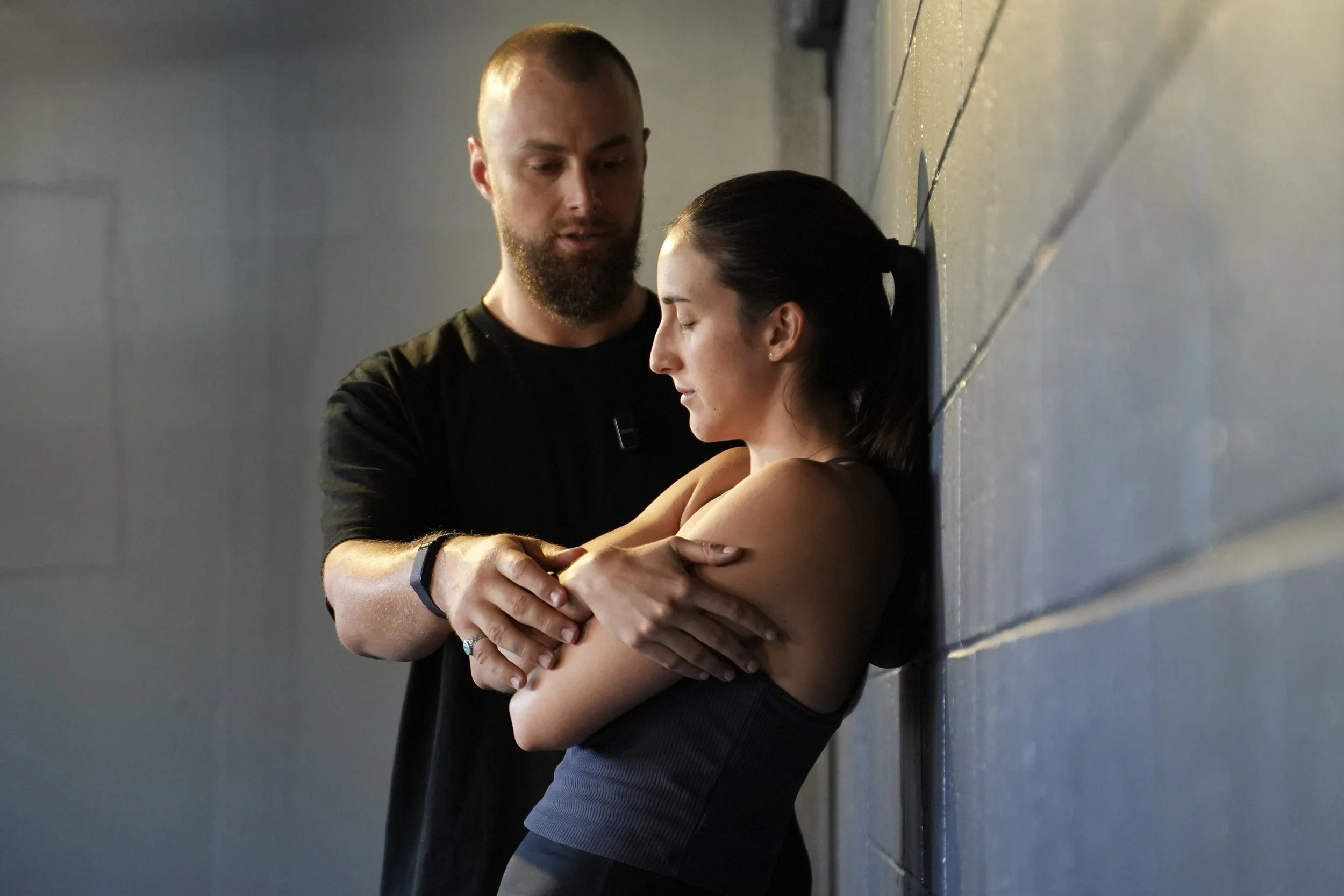
A brief chat about what's brought you in and how it has been impacting your lifestyle.
Physical Assessment:
Functional testing to assess and identify underlying factors contributing to your symptoms.
Recovery Plan:
A tailored approach for working on your specific needs, including personalised exercise prescription.
Treatment:
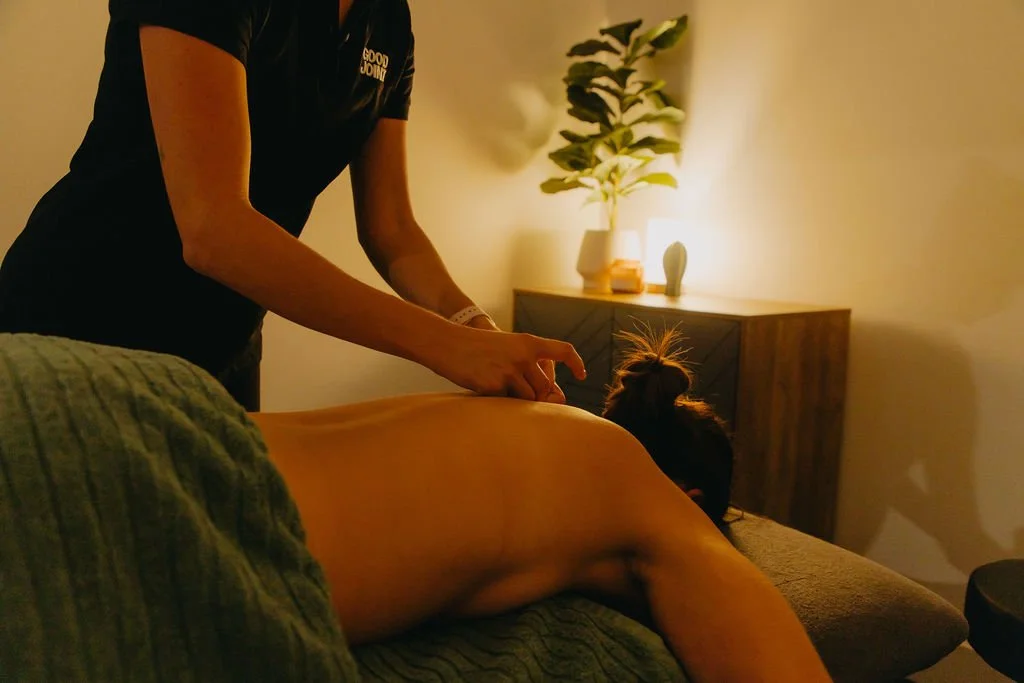
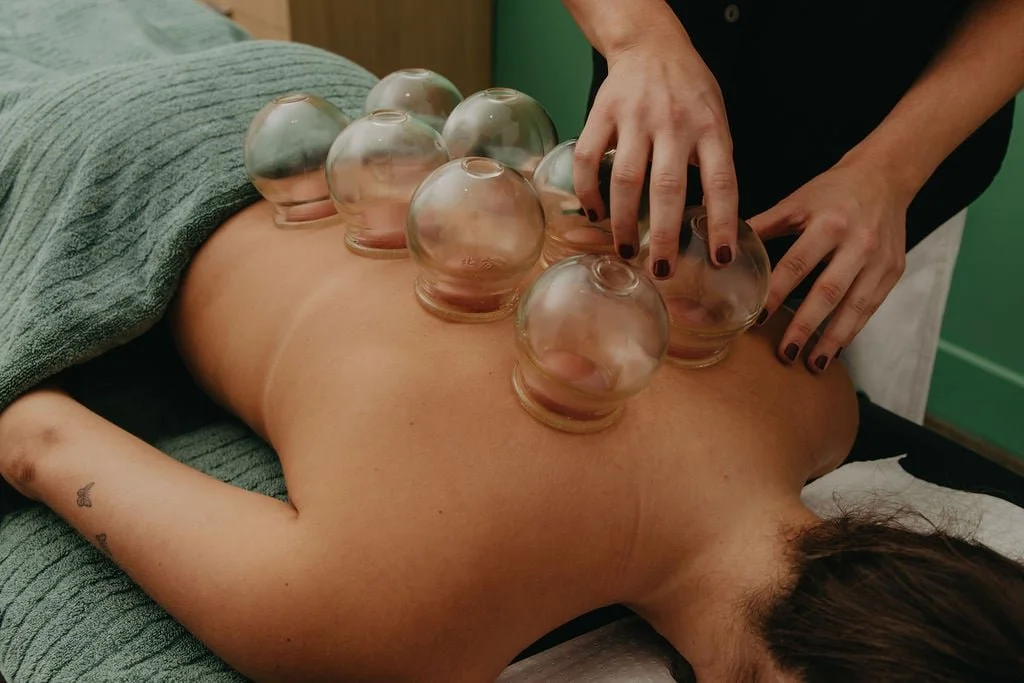
Hands-on treatment including active release, soft tissue work, and dry needling for fast relief.
What Causes Calf Pain?
Calf Muscle Strains
Calf strains occur when the muscle fibres of the gastrocnemius or soleus are overstretched or torn. They often happen during explosive movements like sprinting, jumping, or a sudden change of direction, and produce immediate pain and tightness at the back of the lower leg. Severity ranges from a mild pull to a complete muscle tear, with recovery time varying accordingly.
Achilles Tendinopathy
Achilles tendinopathy involves degeneration or irritation of the Achilles tendon from repetitive overload. It is characterised by pain and stiffness at the back of the ankle, particularly with the first steps in the morning and during or after activity. Progressive tendon loading is the most evidence-supported treatment approach and typically produces excellent long-term outcomes.
Soleus Strain & Deep Calf Pain
The soleus is the deeper calf muscle that works hardest during sustained lower-intensity activities like walking and slow running. Soleus strains produce a deep, diffuse ache in the middle of the calf that can be harder to pinpoint than a gastrocnemius tear and tends to be aggravated by sustained walking or standing rather than explosive movements.
Nerve Referral from the Lower Back or Knee
The sciatic nerve and its branches, including the tibial and sural nerves, can refer pain, aching, or cramping into the calf from the lower back, posterior knee, or along the outer leg. This pattern is sometimes mistaken for a muscle problem and requires assessment of the full lower limb and lumbar spine to correctly identify the source.
Cramps, Dehydration & Vascular Causes
Night cramps and exercise-associated cramping in the calf are common and usually benign, often linked to dehydration, electrolyte imbalance, or fatigue. However, calf pain accompanied by swelling, warmth, redness, or tenderness should always be assessed promptly to rule out a deep vein thrombosis, which requires urgent medical management.
Calf pain that recurs with activity or has not settled the way you expected is worth having properly assessed. Whether the cause is muscular, tendon-related, or referred from further up the leg, the right diagnosis makes all the difference to how quickly and completely you recover.
Book Visit
Common Calf Pain Symptoms
Calf pain can range from a sudden, sharp tear to a persistent ache that builds gradually over time. The location, onset, and behaviour of the pain provides important information about whether the source is the muscle, tendon, nerve, or something that requires more urgent assessment.
Calf pain with sudden onset during activity, significant swelling, or any accompanying redness, heat, or warmth that does not ease within 24 to 48 hours should be assessed promptly to ensure a more serious cause is not present.
Book NowFrequently Asked Questions About Calf Pain
How long does a calf strain take to heal?
A mild grade one calf strain can recover in one to two weeks. A moderate grade two strain typically takes four to six weeks. A severe or complete grade three tear may take three months or more and may require specialist input. Returning to full activity too quickly is one of the most common causes of re-injury, which is why a structured, progressive return-to-activity program is an important part of calf strain rehabilitation.
Can I run with a calf strain?
This depends on the grade of the strain. Running through a calf strain without adequate healing and rehabilitation significantly increases the risk of re-tearing and can turn a short recovery into a much longer one. Low-impact activities like swimming or cycling may maintain fitness while the muscle heals. A gradual return-to-running program should begin only when pain has resolved and strength has been restored through rehabilitation.
What is the difference between a calf strain and Achilles tendinopathy?
A calf strain involves damage to the muscle fibres of the gastrocnemius or soleus, typically from a sudden overload. Achilles tendinopathy involves irritation or degeneration of the tendon itself, usually from repetitive overuse rather than a single incident. Calf strains tend to produce acute, localised pain in the muscle belly. Achilles tendinopathy produces a more gradual onset of stiffness and aching closer to the heel, particularly in the morning. Both require different rehabilitation approaches to recover well.
What is the best treatment for calf pain?
Remedial massage is particularly effective for calf pain, releasing muscle tightness, improving blood flow to the affected area, and reducing the tissue tension that slows recovery and contributes to recurring strains. Physiotherapy provides structured rehabilitation for both calf strains and Achilles tendinopathy, using progressive loading, stretching, and activity modification to restore full function. Osteopathic and chiropractic assessment of the ankle, knee, and lower limb can identify joint restrictions or movement patterns that are contributing to calf overload, and mobilisation of these areas can reduce the demand placed on the calf with each stride. At The Good Joint, we combine these disciplines to address both the local injury and the factors that caused it, so your calf pain is treated effectively and built to last.