Shin Splints Treatment Gold Coast
Shin splints can make every run, walk, or training session feel like a setback, turning an activity you enjoy into something you dread.
Whether your shin pain is linked to medial tibial stress syndrome, a training load spike, flat feet, tight calves, or the beginnings of a stress fracture, The Good Joint takes a whole-body approach to identify what is driving it and build a plan that gets you back to full activity.
Book Now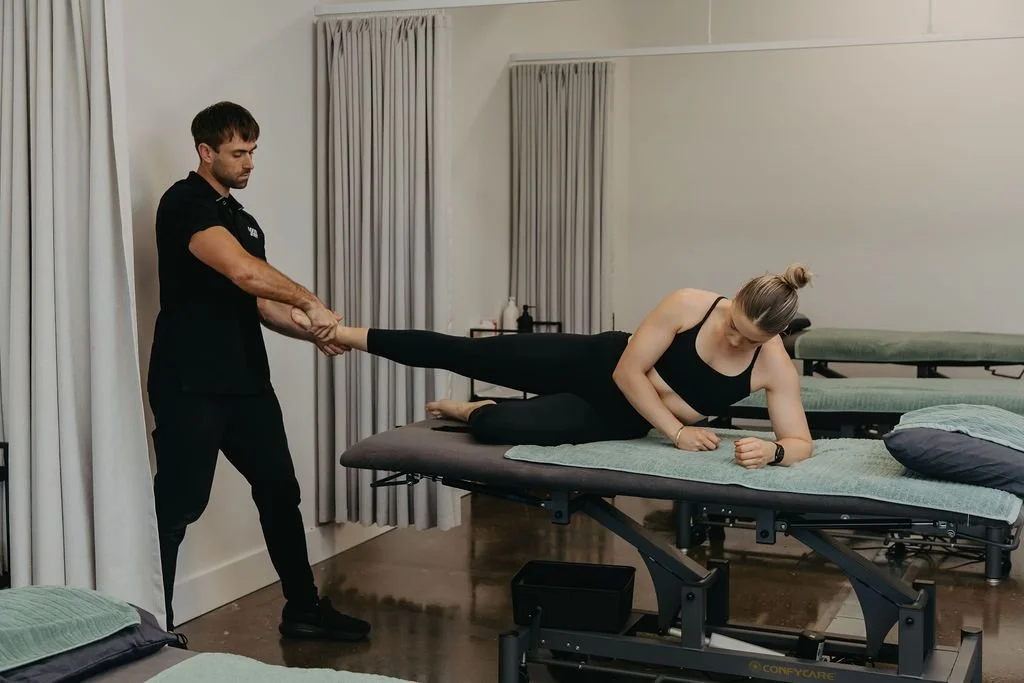
Shin Splints Can Affect More Than Just Your Shins
Bone Stress & Tibial Load
Shin splints, or medial tibial stress syndrome, involve an overload response in the tibia from repetitive impact. The bone and surrounding tissue become irritated when the training load exceeds what the body can currently absorb. Managing this load carefully while maintaining fitness is central to effective recovery.
Calf Tightness & Foot Mechanics
Tight calves, weak tibialis muscles, and altered foot mechanics can all change how impact is distributed through the lower leg during running and walking. These factors often contribute to shin splints developing and need to be addressed alongside load management to prevent recurrence.
Training Habits & Running Gait
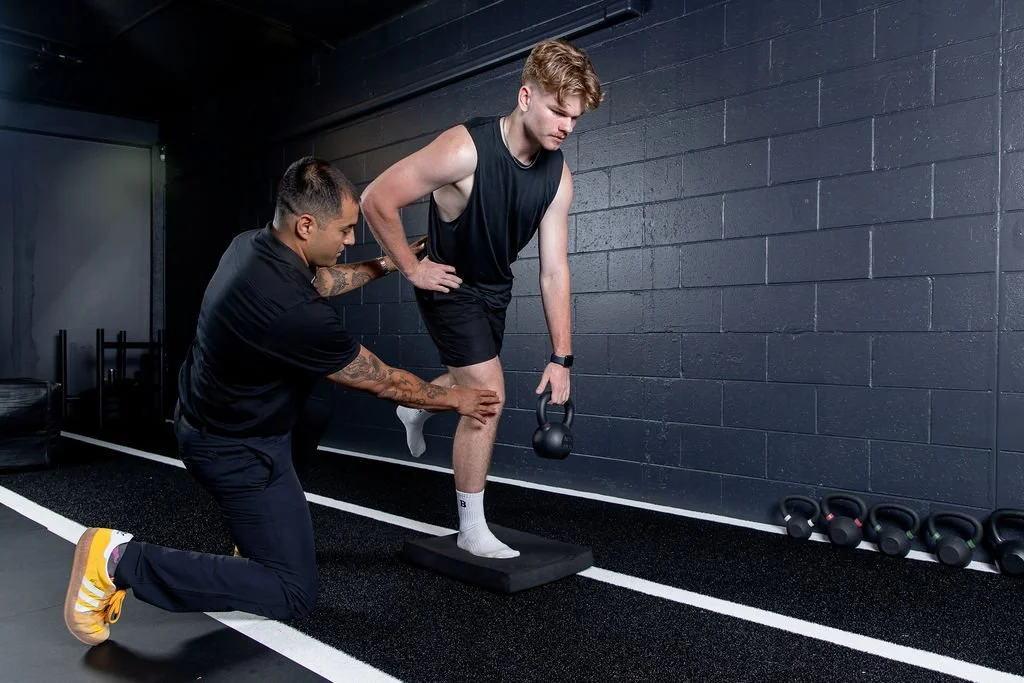
Sudden increases in training volume, transitioning to harder surfaces, changing footwear, or returning to running too quickly after a break are common triggers. A gait assessment can identify whether movement patterns are contributing to the overload, and adjustments can significantly reduce reinjury risk.
At The Good Joint, we assess your lower leg, foot mechanics, and training habits together to build a recovery plan that resolves your shin splints and keeps them from coming back.
Book Visit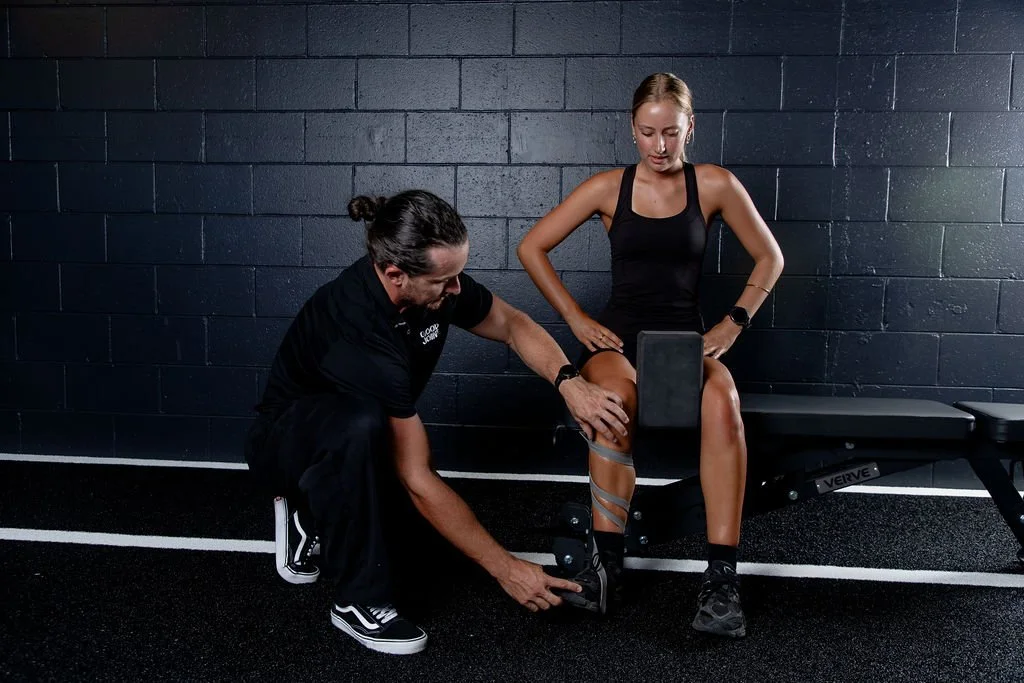
WHAT TO EXPECT DURING YOUR FIRST VISIT
Discussion:
A brief chat about what's brought you in and how it has been impacting your lifestyle.
Physical Assessment:
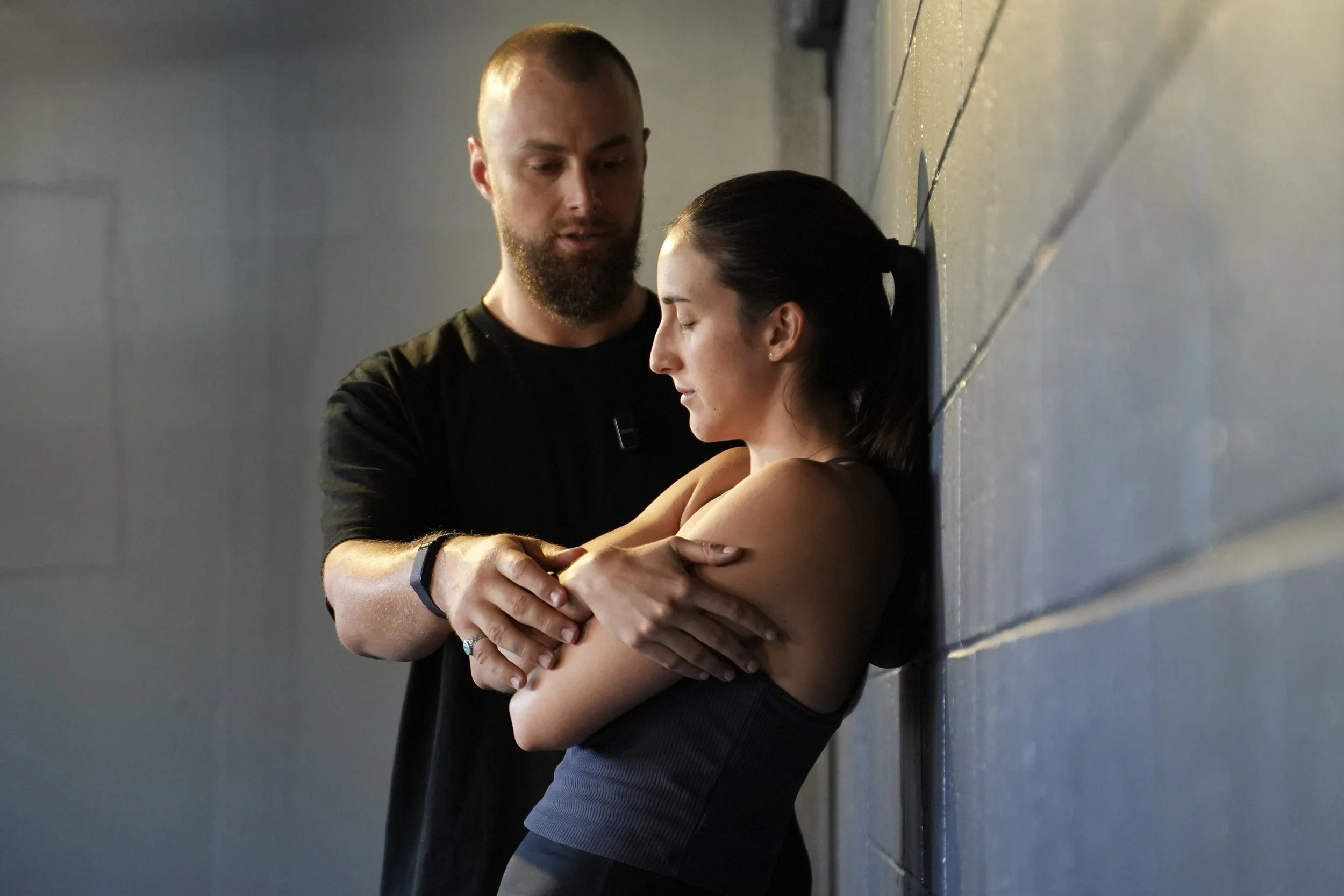
Functional testing to assess and identify underlying factors contributing to your symptoms.
Recovery Plan:
A tailored approach for working on your specific needs, including personalised exercise prescription.
Treatment:
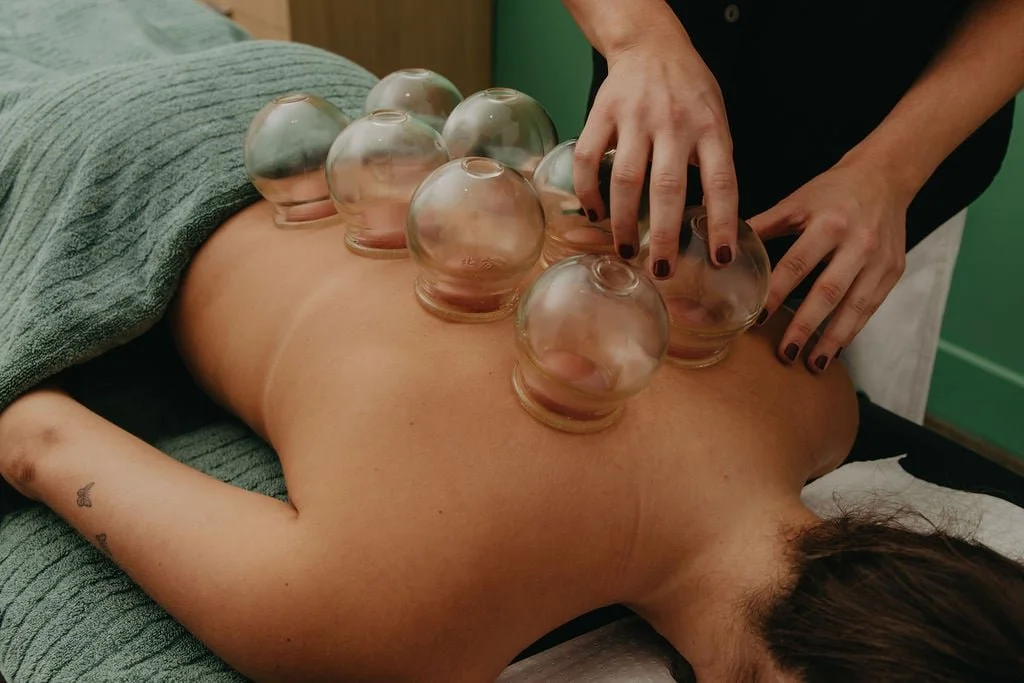
Hands-on treatment including active release, soft tissue work, and dry needling for fast relief.
What Causes Shin Splints?
Training Load Spikes
Shin splints most commonly develop when training load increases too quickly. Running more kilometres, increasing intensity, adding hills, or returning to sport after a break without adequate preparation are all common triggers. The tibia and surrounding soft tissue need time to adapt to increased demand, and overloading this process is the most frequent cause of medial tibial stress syndrome.
Flat Feet & Foot Pronation
Excessive inward rolling of the foot during walking or running, known as overpronation, changes how impact is transmitted through the lower leg. This can increase the stress placed on the tibia and is a common contributing factor in people who develop shin splints repeatedly or without a clear training load explanation.
Tight Calves & Weak Tibialis
Tightness through the calf complex limits ankle mobility and changes how the lower leg absorbs ground reaction forces. Weakness in the tibialis anterior and posterior muscles reduces the leg's ability to manage load efficiently, creating the conditions for overuse injury to develop along the shin.
Running Gait & Surface Changes
Transitioning to harder running surfaces, changing footwear, or altering running technique without adequate adaptation time can shift load patterns in the lower leg. A gait analysis can identify specific mechanics that may be placing excess strain on the tibia and guide corrections that reduce injury risk.
Stress Fracture Progression
Untreated or poorly managed shin splints can progress to a stress fracture if the underlying load issue is not resolved. Stress fractures represent a more serious bony injury and require a longer period of modification before returning to full activity. Persistent or worsening shin pain that does not respond to rest should always be properly assessed.
Shin splints that are not properly managed have a habit of coming back the moment training resumes. If your shins are stopping you from doing what you enjoy, an assessment can identify the load and mechanical factors involved and build a plan that keeps you moving.
Book Visit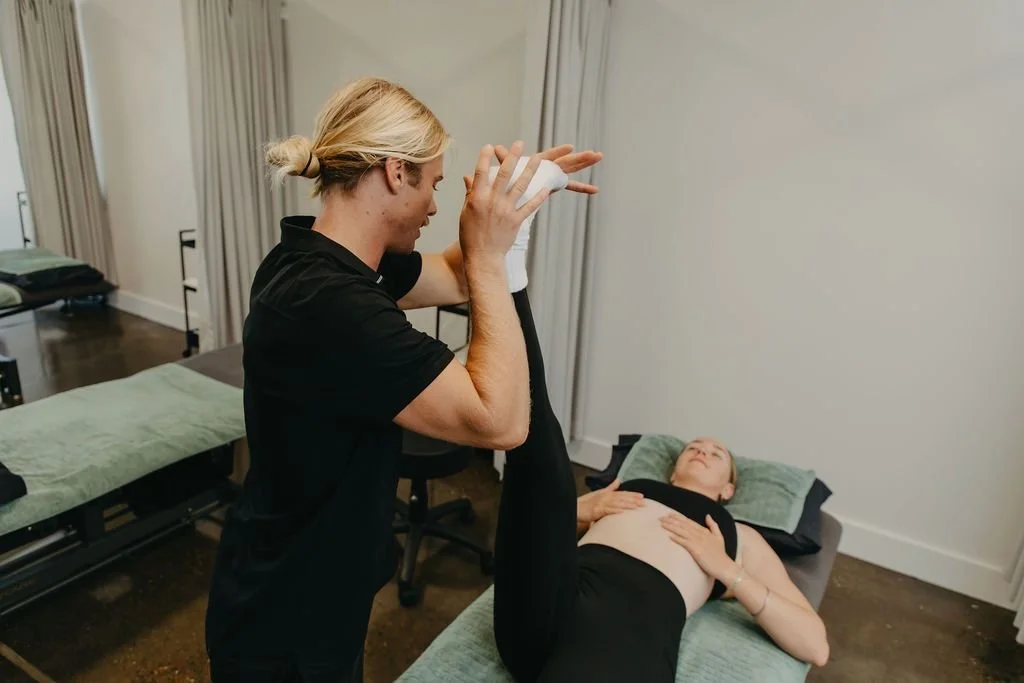
Common Shin Splints Symptoms
Shin splints typically produce pain along the inner border of the tibia that builds gradually with activity. In the early stages, pain may only appear at the start of a run and ease once warmed up. As the condition progresses, it can become persistent throughout exercise and linger long after stopping.
Shin pain that does not improve with rest, worsens during activity, or is focused on a very specific point of the bone should be assessed promptly to rule out a stress fracture before continuing training.
Book NowFrequently Asked Questions About Shin Splints
How long do shin splints take to heal?
Recovery time varies depending on severity and how quickly the load is reduced. Mild shin splints can improve within two to four weeks with appropriate management. More established presentations may take six to eight weeks or longer. The key is addressing the underlying cause, including training load, foot mechanics, and muscle function, rather than simply resting and returning to the same routine that caused the problem.
Can I keep running with shin splints?
Continuing to run through shin splints without modifying load typically prolongs recovery and increases the risk of progressing to a stress fracture. In many cases, cross-training activities such as swimming or cycling can maintain fitness while allowing the tibia to recover. A graded return-to-running program under guidance is the safest and most effective approach.
Are shin splints the same as a stress fracture?
No, but they exist on the same spectrum of bone stress injury. Shin splints involve a broader area of tibial irritation, while a stress fracture is a more focused, localised break in the bone that typically produces sharp pain at a very specific point. If shin pain is pinpoint, worsening, or not responding to load reduction, imaging may be recommended to rule out a stress fracture before returning to activity.
What is the best treatment for shin splints?
Treatment combines load management with hands-on care and progressive rehabilitation. Physiotherapy is central to shin splints recovery, addressing calf flexibility, tibialis strength, foot mechanics, and a structured return-to-running program tailored to your current capacity. Remedial massage can help release tightness through the calf and surrounding muscles that contribute to how load is distributed through the lower leg. Osteopathy and chiropractic assessment of the foot, ankle, and lower limb biomechanics can be valuable when altered mechanics or joint restriction are contributing to the overload. At The Good Joint, we combine these approaches to get you back to full training as safely and quickly as possible.