Foot Pain & Plantar Fasciitis Treatment Gold Coast
Foot pain can make the first steps of the morning a dreaded experience, and when it persists, it can limit walking, exercise, and standing for any period of time.
Whether your foot pain is linked to plantar fasciitis, heel spurs, metatarsalgia, Morton's neuroma, flat feet, or overuse, The Good Joint takes a whole-body approach to identify what is driving it and build a plan to help you recover and get back on your feet comfortably.
Book Now
Foot Pain Can Affect More Than Just Your Foot
Plantar Fascia & Heel Pain
Plantar fasciitis is one of the most common causes of heel pain and involves irritation of the thick band of tissue that runs along the base of the foot. The characteristic sharp pain with the first steps in the morning is a hallmark sign, and without addressing the load and mechanical factors driving it, the condition can become persistent and frustrating to manage.
Forefoot & Nerve Pain
Pain in the ball of the foot, or metatarsalgia, can come from joint overload, fat pad thinning, or nerve compression. Morton's neuroma involves thickening of a nerve between the toes and can cause burning, tingling, or numbness in the forefoot. Identifying the specific structure involved is important before beginning treatment.
Ankle, Calf & Lower Limb Load
Foot pain rarely develops in isolation. Restricted ankle mobility, tight calves, and altered gait mechanics all change how load is distributed through the foot during walking and running. Addressing the contributing factors up the chain is often just as important as treating the foot itself for lasting relief.
At The Good Joint, we assess the foot, ankle, calf, and lower limb movement together to make sure your treatment plan targets the true cause of your foot pain.
Book Visit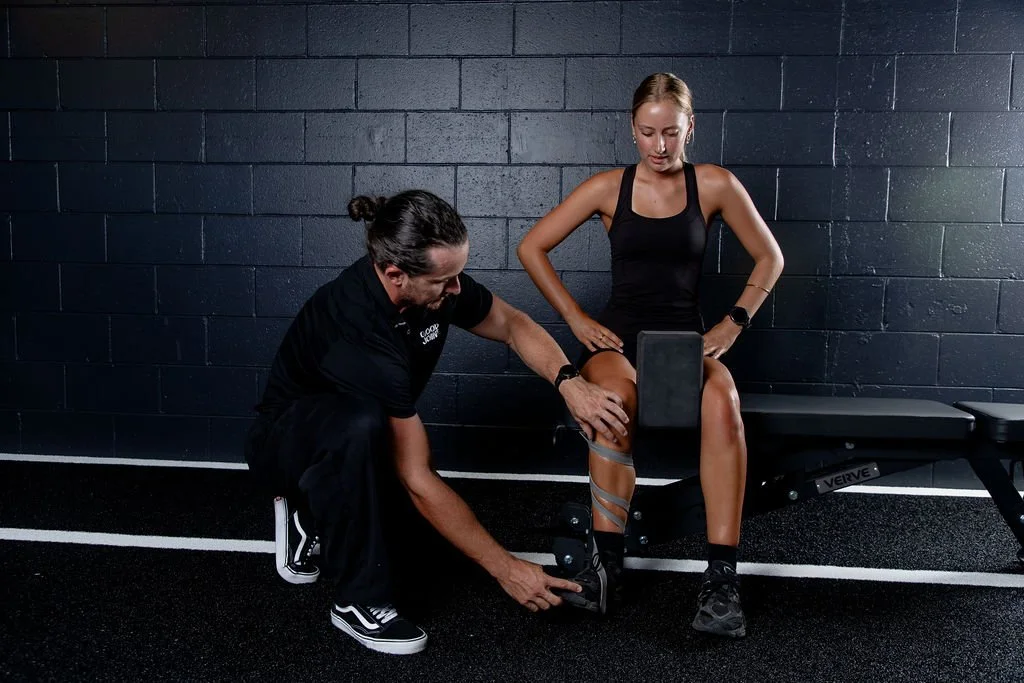
WHAT TO EXPECT DURING YOUR FIRST VISIT
Discussion:
A brief chat about what's brought you in and how it has been impacting your lifestyle.
Physical Assessment:
Functional testing to assess and identify underlying factors contributing to your symptoms.
Recovery Plan:
A tailored approach for working on your specific needs, including personalised exercise prescription.
Treatment:
Hands-on treatment including active release, soft tissue work, and dry needling for fast relief.
What Causes Foot Pain?
Plantar Fasciitis
Plantar fasciitis is the most common cause of heel pain. It involves irritation and inflammation of the plantar fascia, the thick connective tissue band along the base of the foot. The pain is typically sharpest with the first steps in the morning or after sitting, and tends to ease with movement before returning after prolonged activity. Contributing factors include tight calves, limited ankle dorsiflexion, sudden increases in activity, and time spent on hard surfaces.
Heel Spurs
Heel spurs are bony growths that form on the underside of the heel bone and are often found alongside plantar fasciitis. Many heel spurs are asymptomatic and found incidentally on imaging. When they do contribute to pain, treatment focuses on the surrounding soft tissue and load factors rather than the spur itself, as the spur rarely requires surgical removal.
Metatarsalgia & Ball of Foot Pain
Metatarsalgia refers to pain and inflammation in the metatarsal region, or ball of the foot. It is commonly caused by overloading of the forefoot during high-impact activity, inappropriate footwear, or fat pad thinning in older adults. Pain is typically felt directly under the metatarsal heads and worsens with weight-bearing activities.
Morton's Neuroma
Morton's neuroma involves thickening of a nerve, most commonly between the third and fourth toes. It causes burning, tingling, or numbness in the forefoot that may worsen with tight footwear or high-impact activity. Conservative treatment including footwear modification, activity adjustment, and manual therapy is effective in many cases.
Flat Feet & Altered Arch Mechanics
Excessive foot pronation or collapsed arches change how load is distributed through the foot and lower limb during movement. Over time, this can contribute to plantar fasciitis, Achilles tendinopathy, and pain further up the chain into the knee, hip, and lower back. Addressing foot mechanics as part of a broader treatment plan often produces better outcomes than treating the local symptom alone.
Foot pain that greets you first thing in the morning or builds through the day with activity is telling you something about how load is being managed through the lower limb. A proper assessment can identify whether the source is local to the foot or driven by mechanics further up the chain.
Book Visit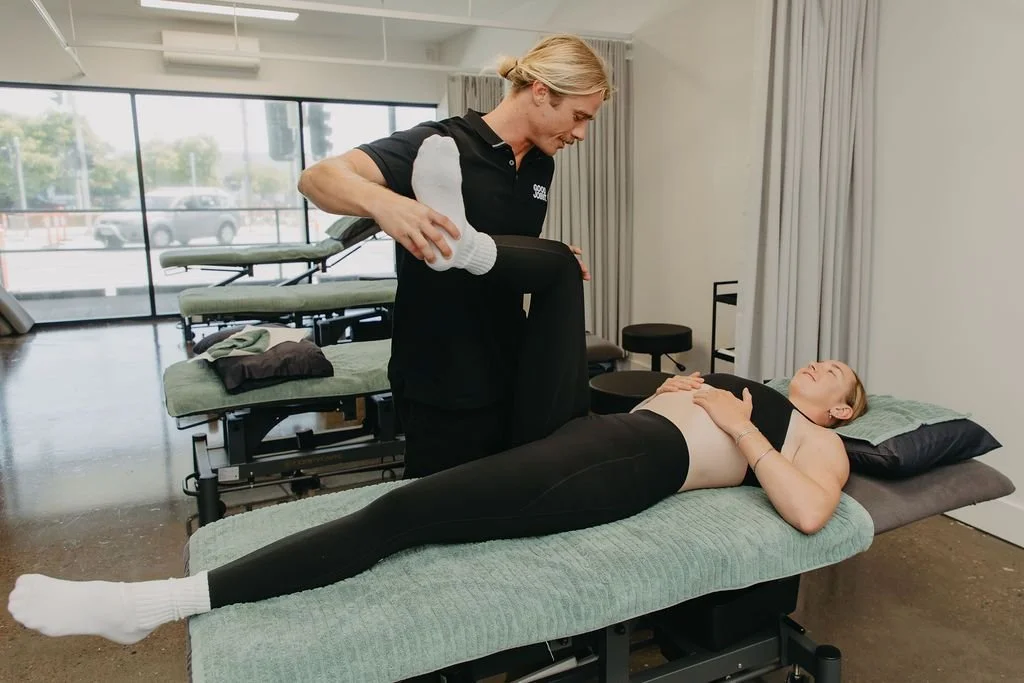
Common Foot Pain Symptoms
Foot pain can present very differently depending on where in the foot it originates. Heel pain, arch pain, ball of foot pain, and toe pain each suggest different structures and have different treatment priorities. The timing, location, and behaviour of your pain all provide important diagnostic clues.
Foot pain that keeps returning or limits your daily activity is worth having properly assessed. Understanding whether the source is local to the foot or driven by how you move and load the lower limb can make a significant difference to how effectively it can be resolved.
Book NowFrequently Asked Questions About Foot Pain & Plantar Fasciitis
How long does plantar fasciitis take to heal?
Plantar fasciitis can range from a few weeks to over a year, depending on how long it has been present and whether contributing factors are being addressed. Many people experience significant improvement within six to twelve weeks with appropriate treatment. Cases that have been present for longer, or have been managed with rest alone without addressing the underlying load and mechanical issues, can take considerably longer. Early treatment generally leads to faster recovery.
Does stretching help plantar fasciitis?
Calf and plantar fascia stretching can be a useful part of managing plantar fasciitis by improving tissue flexibility and reducing morning stiffness. However, stretching alone is rarely enough. Progressive loading of the plantar fascia through specific exercises, combined with addressing calf tightness, ankle mobility, and load management, typically produces better and more lasting results than stretching in isolation.
What is the difference between plantar fasciitis and a heel spur?
Plantar fasciitis is a soft tissue condition involving irritation of the plantar fascia where it attaches to the heel bone. A heel spur is a bony growth on the underside of the heel. The two often appear together on imaging, but the spur itself is usually not the source of pain. Treatment focuses on the plantar fascia and the mechanical factors driving the irritation, not the spur.
Can flat feet cause plantar fasciitis?
Yes. Flat feet or excessive foot pronation can alter how load is distributed through the plantar fascia, placing it under greater strain during weight-bearing activity. This is one of the reasons why assessing foot mechanics and lower limb alignment is an important part of managing plantar fasciitis, particularly in people who experience it repeatedly.
What is the best treatment for plantar fasciitis and foot pain?
Physiotherapy is central to foot pain recovery, using progressive loading of the plantar fascia, calf strengthening, ankle mobility work, and activity modification to address the load problem at its source. Remedial massage is highly effective for releasing calf tightness and plantar fascia tension, reducing the load being placed on the heel with every step. Osteopathic treatment can address restricted ankle and foot joint mobility, which affects how load is distributed through the foot and often contributes to persistent plantar fasciitis. Chiropractic assessment of the lower limb and lumbar spine can be useful when gait mechanics or pelvic alignment are altering how load is transmitted through the foot. At The Good Joint, we combine these approaches to ensure your foot pain is treated comprehensively and built to last.