Sciatica Pain Relief Gold Coast
Sciatica can turn simple things like sitting, standing, walking, or getting out of bed into genuinely painful experiences that disrupt your entire day.
Whether your sciatica is caused by a disc bulge, spinal joint irritation, piriformis compression, or postural load, The Good Joint takes a whole-body approach to identify what is driving your nerve pain and build a plan to help you recover.
Book Now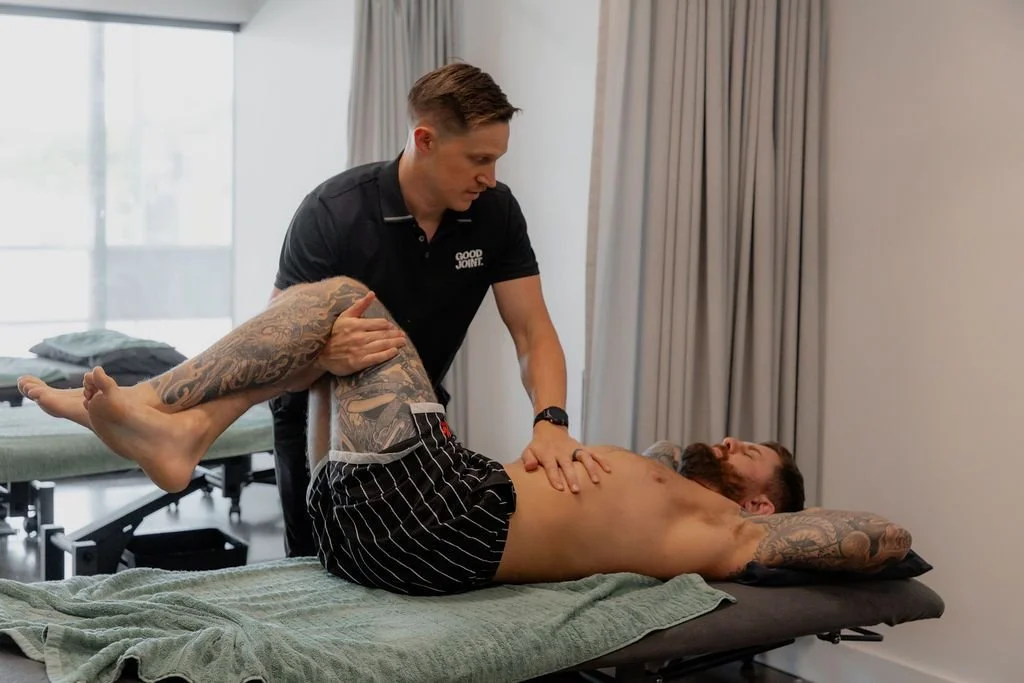
Sciatica Can Affect More Than Just Your Back
Nerve Pain & Referred Symptoms
Sciatica involves irritation or compression of the sciatic nerve, which runs from the lower back through the buttock and down the leg. This can cause sharp, burning, or shooting pain that travels well beyond the original source, making it hard to identify without a proper assessment.
Lumbar Spine & Disc Involvement
The most common cause of sciatica is a disc bulge or herniation in the lumbar spine placing pressure on a nerve root. Joint restriction and inflammation in the lower back can also contribute, which is why assessing the full spine is an important part of any sciatica treatment plan.
Piriformis, Hips & Posture
In some cases, the sciatic nerve is compressed not at the spine but in the buttock region by a tight piriformis muscle. Poor posture, weak glutes, and prolonged sitting can all increase the load on the nerve and slow recovery if they are not addressed alongside the primary treatment.
At The Good Joint, we assess your lumbar spine, pelvis, hips, and nerve mobility together to find what is driving your sciatica and build a treatment plan that works for you.
Book Visit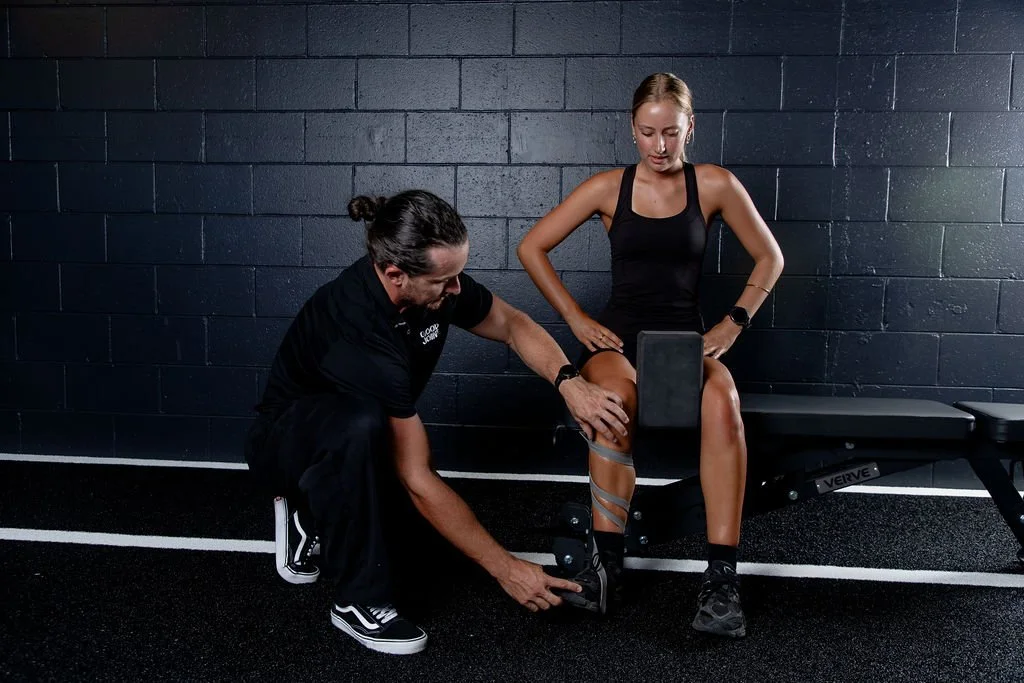
WHAT TO EXPECT DURING YOUR FIRST VISIT
Discussion:
A brief chat about what's brought you in and how it has been impacting your lifestyle.
Physical Assessment:
Functional testing to assess and identify underlying factors contributing to your symptoms.
Recovery Plan:
A tailored approach for working on your specific needs, including personalised exercise prescription.
Treatment:
Hands-on treatment including active release, soft tissue work, and dry needling for fast relief.
What Causes Sciatica?
Disc Bulge or Herniation
A bulging or herniated disc in the lumbar spine is the most common cause of sciatica. When the disc pushes against a nearby nerve root, it can trigger sharp pain, burning, tingling, or weakness that travels from the lower back through the buttock and into the leg or foot.
Lumbar Joint Restriction & Stenosis
Facet joint irritation or degenerative changes in the lumbar spine can narrow the space available for nerve roots, a condition known as spinal stenosis. This can compress the sciatic nerve or its branches and produce symptoms that worsen with standing or walking and ease with sitting or leaning forward.
Piriformis Syndrome
The piriformis muscle sits deep in the buttock and in some people runs directly over or through the sciatic nerve. When this muscle becomes tight or inflamed through overuse, prolonged sitting, or hip imbalance, it can compress the nerve and produce sciatic symptoms without any spinal involvement.
Poor Posture & Prolonged Sitting
Sitting for long periods increases compressive load on the lumbar discs and can cause the piriformis and surrounding hip muscles to tighten. Over time, this postural load can create or worsen the conditions that lead to nerve irritation and sciatic pain.
Pregnancy & Pelvic Changes
During pregnancy, postural changes, weight redistribution, and the loosening of pelvic ligaments can place increased pressure on the sciatic nerve. Sciatic pain is common in the second and third trimesters and often responds well to conservative management through appropriately modified treatment.
Sciatica is rarely caused by one thing alone. It often builds over time from disc pressure, joint restriction, muscle tightness, or postural load. If it is affecting your daily life, a full assessment can help identify exactly what is driving it and get your recovery started.
Book Visit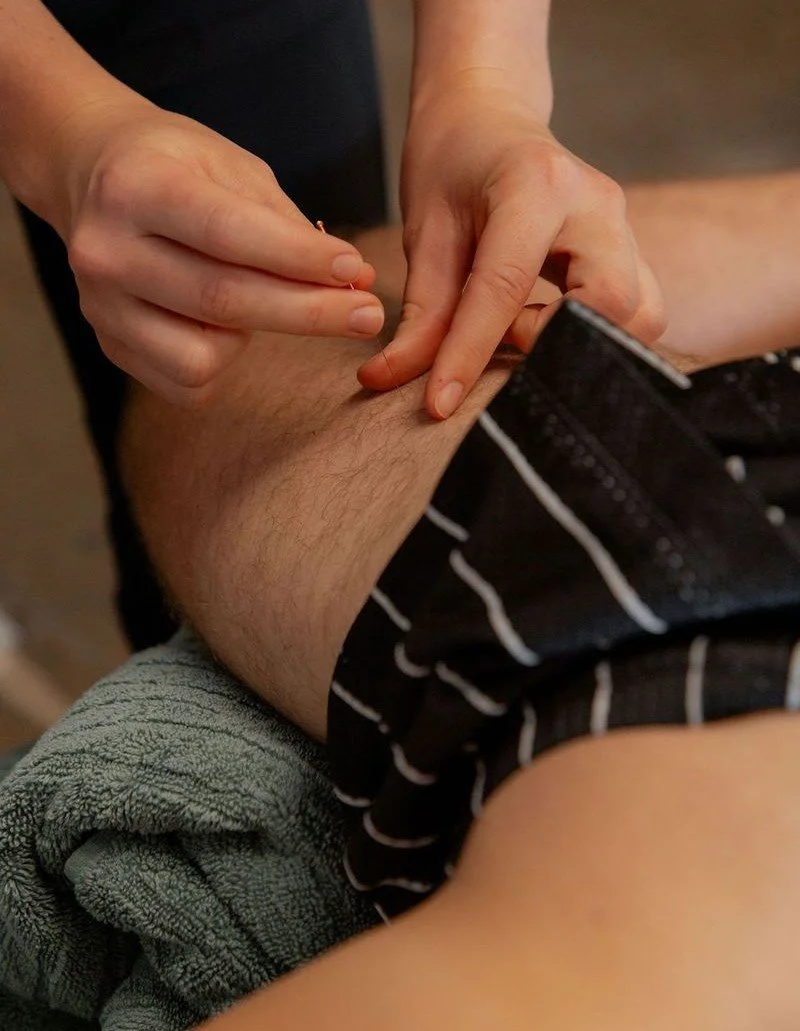
Common Sciatica Symptoms
Sciatica symptoms can vary significantly from person to person. Some experience a constant deep ache through the buttock and thigh. Others feel sharp, electric pain that shoots down the leg, or numbness and tingling that makes it hard to know where the leg ends and the floor begins.
Sciatica that keeps returning or progressively worsens needs proper assessment. Understanding whether the source is a disc, a joint, or a muscle can make a significant difference to how quickly and completely you recover.
Book NowFrequently Asked Questions About Sciatica
How do I know if I have sciatica?
Sciatica is characterised by pain that travels from the lower back or buttock down one leg, often following the path of the sciatic nerve through the thigh and into the calf or foot. It can feel like a sharp, burning, or electric sensation, and may come with tingling, numbness, or weakness in the leg. A proper assessment is the best way to confirm whether your symptoms are true sciatica and what is causing them.
How long does sciatica last?
Mild sciatica can resolve within a few weeks with appropriate management. More significant presentations involving disc herniation or nerve compression may take several months to improve fully. The key factors are identifying the cause early, avoiding aggravating positions and activities, and following a treatment plan that actively addresses the source rather than waiting for it to pass on its own.
Should I rest or keep moving with sciatica?
Gentle movement is generally better than complete rest. Prolonged bed rest can increase stiffness, weaken supporting muscles, and slow recovery. The goal is to identify which movements aggravate the nerve and which ones are safe, then gradually build activity from there. Walking is often one of the best things you can do, provided it does not significantly worsen your symptoms.
Can sciatica be treated without surgery?
Yes. The vast majority of sciatica cases respond well to conservative treatment. Surgery is generally considered only when symptoms are severe, rapidly worsening, or involve significant neurological changes such as loss of bladder or bowel control. For most people, a well-structured treatment plan is effective at reducing nerve irritation and preventing recurrence.
What is the best treatment for sciatica?
Treatment depends on the cause. Chiropractic care focuses on spinal joint function, using adjustments and mobilisation to reduce compression on the nerve root and restore lumbar movement. Physiotherapy addresses nerve mobility, core stability, and progressive rehabilitation to support recovery and prevent recurrence. Osteopathy takes a whole-body view, assessing how the lumbar spine, pelvis, hips, and surrounding soft tissue are all contributing, and uses a combination of manipulation, mobilisation, and soft tissue work to restore balance and reduce load on the nerve. Remedial massage can be helpful for releasing the piriformis and surrounding gluteal muscles when muscle compression is part of the picture. At The Good Joint, we have all of these disciplines available to make sure your sciatica is assessed and treated from every relevant angle.