Chronic Pain Management Gold Coast
Chronic pain is not just pain that has lasted a long time. It is a fundamentally different experience that changes how the nervous system processes signals, how the body moves, and how a person relates to their own body and daily life.
Whether your chronic pain involves persistent musculoskeletal symptoms, widespread sensitivity, a flare-based pattern, or pain that has not responded to previous treatment, The Good Joint takes a thorough, evidence-informed approach to understanding your pain and building a management plan that makes a real and sustained difference.
Book Now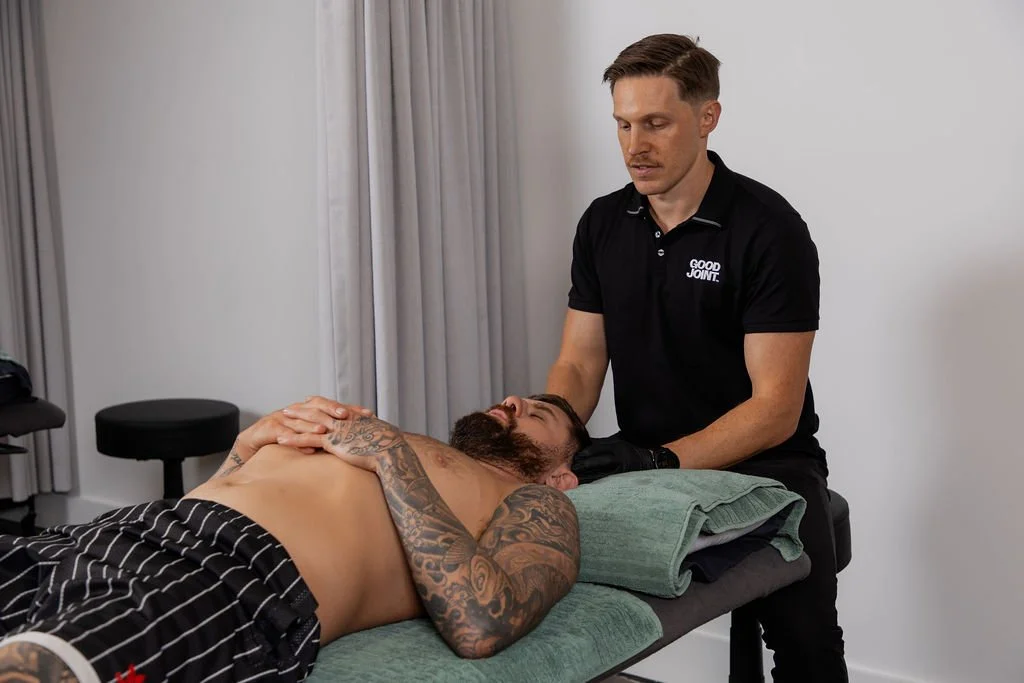
Chronic Pain Requires a Different Kind of Treatment
Understanding Pain Science
Chronic pain is not simply acute pain that has kept going. When pain persists beyond three months, changes occur in the nervous system that make pain less reliably connected to tissue damage. Understanding this is not about dismissing pain as imaginary. It is about recognising that treatment strategies that work for acute pain often need to be adapted significantly to be effective for chronic pain.
Hands-On Care & Movement Rehabilitation
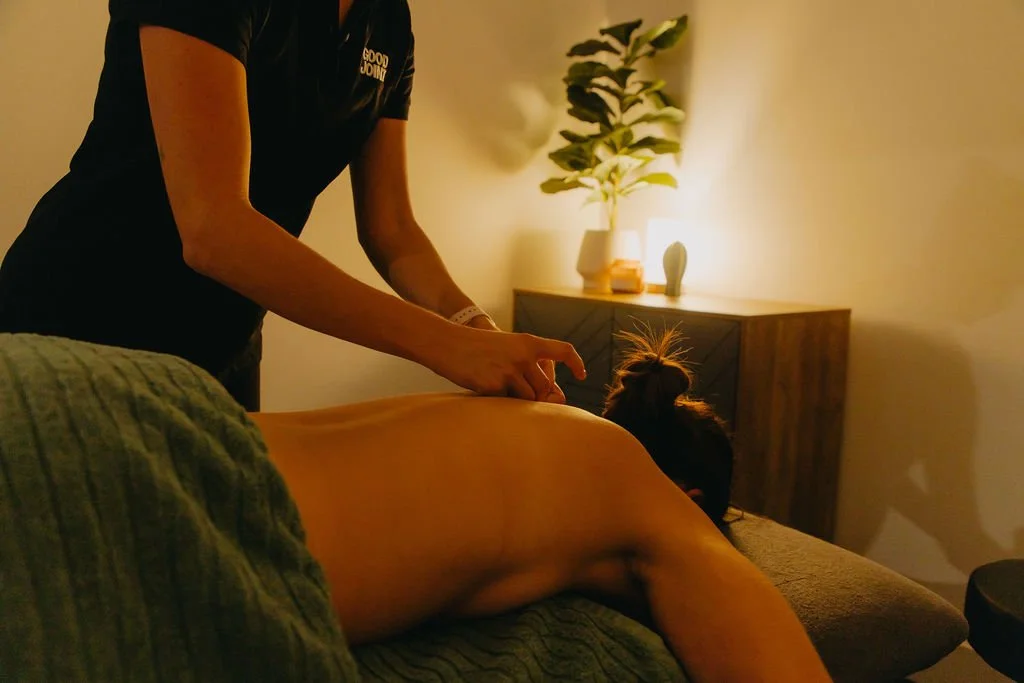
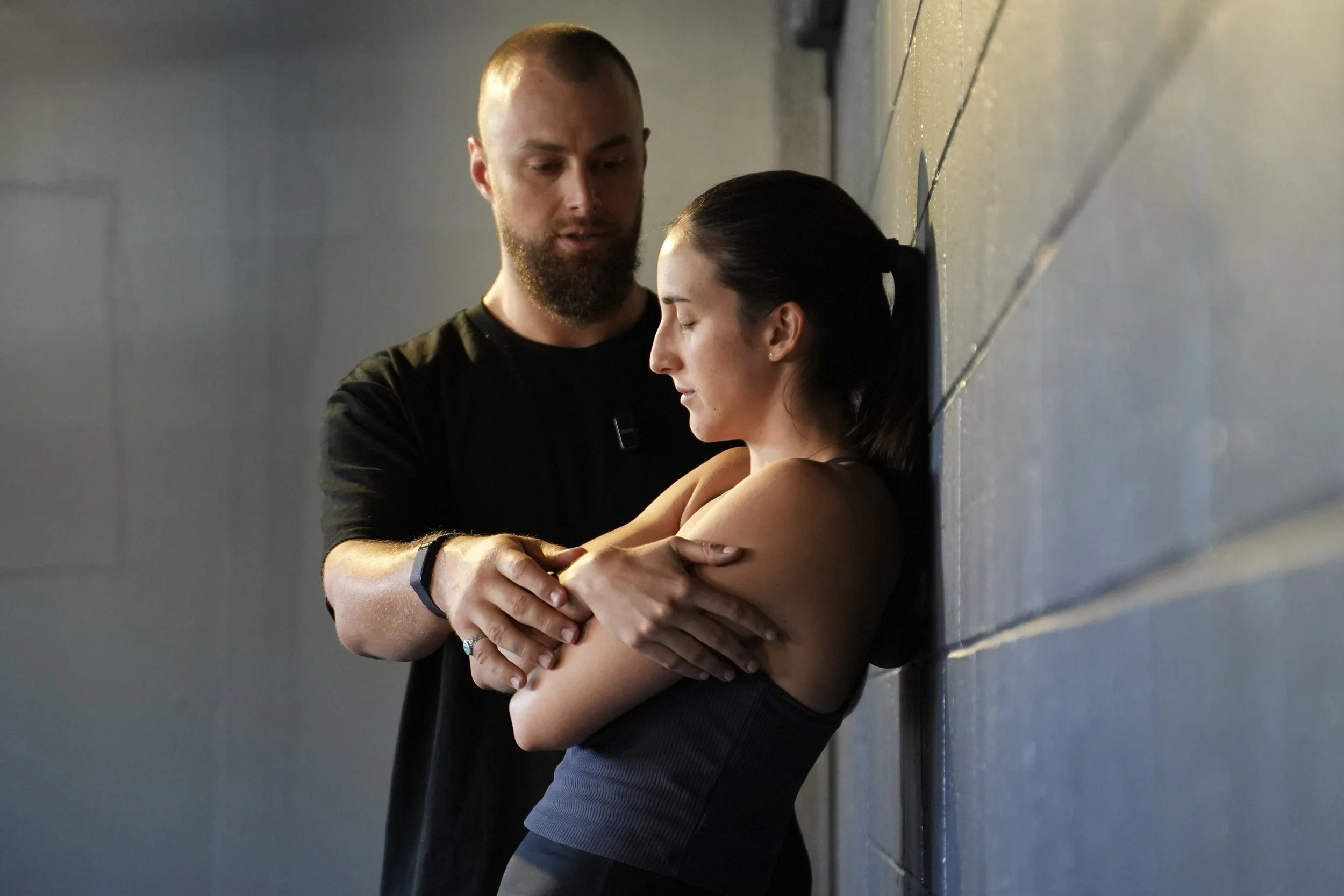
Physical treatment remains an important part of chronic pain management. Reducing joint restriction, releasing muscle tension, improving movement quality, and building progressive physical capacity all contribute to reducing the nervous system's sensitivity and giving the body positive, non-threatening movement experiences that can shift the pain cycle over time.
Graded Activity & Lifestyle Integration
Pacing, graded activity, sleep management, stress reduction, and the gradual expansion of what the body can do are all critical components of chronic pain rehabilitation. Treatment at The Good Joint integrates these elements alongside hands-on care to create a plan that is realistic, sustainable, and tailored to where you are now, not where you were before the pain began.
At The Good Joint, we approach chronic pain with both clinical rigour and genuine compassion. We understand how isolating and frustrating persistent pain can be, and our goal is to help you build a better relationship with your body and expand what is possible in your daily life.
Book Visit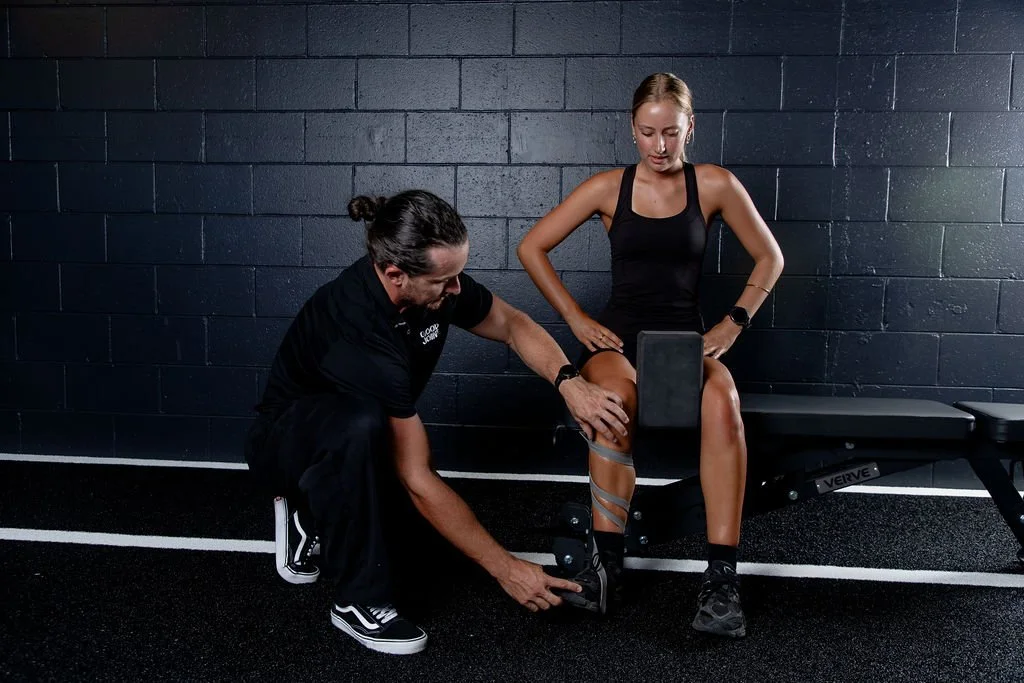
WHAT TO EXPECT DURING YOUR FIRST VISIT
Discussion:
A brief chat about what's brought you in and how it has been impacting your lifestyle.
Physical Assessment:
Functional testing to assess and identify underlying factors contributing to your symptoms.
Recovery Plan:
A tailored approach for working on your specific needs, including personalised exercise prescription.
Treatment:
Hands-on treatment including active release, soft tissue work, and dry needling for fast relief.
What We Understand About Chronic Pain
The Role of the Nervous System
In chronic pain, the central nervous system can become sensitised, amplifying pain signals even in the absence of ongoing tissue damage. This central sensitisation is a real neurological process, not a psychological weakness. Understanding it is the foundation of effective chronic pain management and explains why a purely structural treatment approach is often insufficient on its own.
Pain Is Not Always a Measure of Damage
One of the most important things to understand about chronic pain is that the intensity of pain does not reliably reflect the degree of tissue damage. Many people with significant chronic pain have completely healed injuries on imaging, while others with obvious structural changes on MRI have no pain at all. Recognising this helps shift the focus from finding the structural problem to addressing the pain system itself.
The Impact of Sleep, Stress & Mental Health
Sleep deprivation, chronic stress, anxiety, and depression all amplify pain by increasing nervous system sensitivity and reducing the body's natural pain-modulating capacity. Addressing these factors is not a secondary consideration in chronic pain management, it is often as important as the physical treatment. A good chronic pain management plan acknowledges and addresses the whole person.
Pacing & Boom-Bust Cycles
Many people with chronic pain fall into a boom-bust pattern, doing too much on better days and paying for it with a flare, then doing too little in recovery. This cycle maintains the nervous system's sensitisation and prevents meaningful improvement in capacity. Structured pacing, guided by a practitioner with experience in chronic pain, helps break this cycle and steadily expand what the body can tolerate.
The Importance of Active Participation
Passive treatment alone is rarely sufficient for chronic pain. Active participation through specific exercise, movement exploration, pacing strategies, and lifestyle modification is essential for long-term improvement. The role of hands-on care is to reduce the immediate pain barrier and facilitate the active work that drives lasting change.
Chronic pain that has not responded to previous treatment does not mean nothing can be done. It often means a different approach is needed. An assessment that takes the time to understand your full history, your current pattern, and what has and has not worked before is the best starting point for building a plan that actually makes a lasting difference.
Book Visit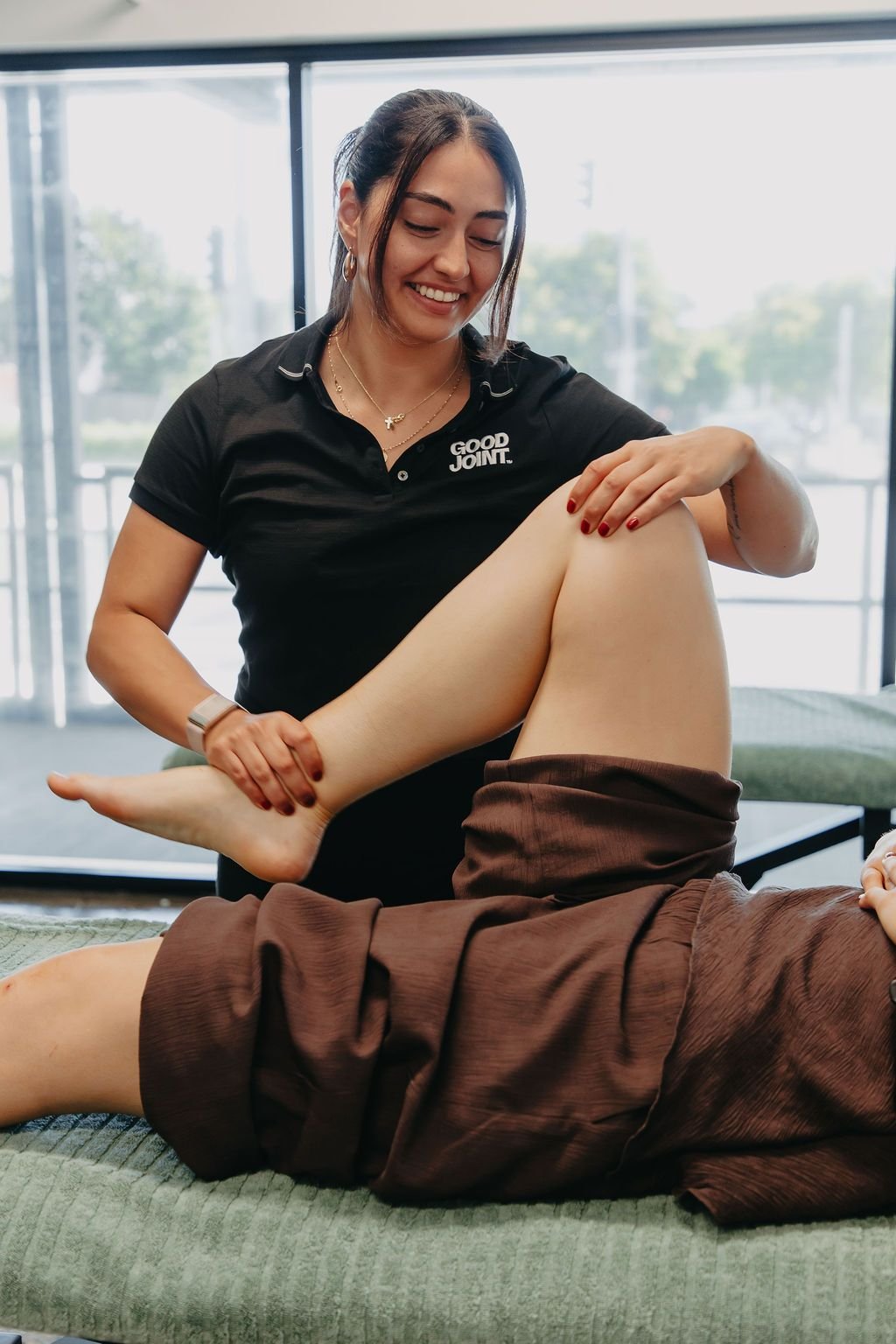
What Chronic Pain Management Looks Like in Practice
Chronic pain management looks different for each person because chronic pain is a highly individual experience. The plan is built around your specific pattern, history, goals, and capacity, and it changes as your capacity changes.
Chronic pain that has been present for months or years rarely resolves quickly. But with the right approach, the right support, and a plan that acknowledges both the physical and the neurological components of persistent pain, significant and lasting improvement is achievable for most people.
Book NowFrequently Asked Questions About Chronic Pain Management
Is it possible to recover from chronic pain?
Yes, though recovery from chronic pain looks different from recovery from acute pain. For many people, the goal is not complete elimination of all pain but a significant reduction in its frequency, intensity, and impact on daily life, alongside an expansion of what they can do and enjoy. Many people with chronic pain achieve dramatic improvements in function and quality of life with the right management approach, even when they have not responded well to previous treatment.
Why has my pain not responded to previous treatment?
There are several common reasons. Acute pain treatments applied to chronic pain often produce limited results because they do not address the central sensitisation and nervous system changes that maintain the pain. Previous treatment may also have focused only on one aspect of a complex problem, not addressed contributing factors like sleep, stress, or activity patterns, or not included enough active rehabilitation alongside passive care. A fresh assessment with a chronic pain focus can often identify what has been missed.
Is chronic pain psychological?
This is one of the most damaging misconceptions about chronic pain. Chronic pain is not imaginary or purely psychological, but the brain, nervous system, thoughts, and emotions are all involved in how pain is experienced and maintained, just as they are in all aspects of human experience. Psychological factors can amplify or maintain pain through real neurological mechanisms. Acknowledging this is not about dismissing the pain but about using every available tool to reduce it effectively.
Can hands-on treatment help with chronic pain?
Yes. Manual therapy including chiropractic, physiotherapy, osteopathic care, and remedial massage can all contribute to chronic pain management by reducing joint restriction, releasing muscle tension, improving movement quality, and providing the nervous system with positive, non-threatening movement experiences. Hands-on care works best as part of a broader plan that also includes active rehabilitation, pacing, and lifestyle strategies rather than as a standalone treatment.
How is chronic pain management different from regular physiotherapy or chiropractic care?
Chronic pain management uses the same skills as regular musculoskeletal treatment but applies them within a broader framework that accounts for central sensitisation, pain science education, graded activity, and the full biopsychosocial context of the person. Sessions may include more discussion of pain science and activity management alongside hands-on treatment. The pacing of exercise progression is typically slower and more carefully monitored. And the success markers are often functional, such as what you can do and how much pain interrupts your life, rather than just the presence or absence of pain.